Mommy Makeover Recovery: What to Expect is one of the most common questions women have before choosing post-pregnancy body contouring surgery. While the procedures included in a mommy makeover are customized, understanding the recovery process helps patients prepare both physically and mentally for healing.
Recovery varies depending on the combination of procedures performed, overall health, and how closely post-operative instructions are followed. With proper planning, regular follow-up care, and patience, most women gradually return to their daily routines while their results continue to improve over time.
What Happens Immediately After Surgery?
Following a mommy makeover, patients are monitored carefully before being discharged according to their surgeon’s recommendations. Since multiple procedures may be performed during a single surgery, it is normal to experience temporary swelling, bruising, tightness, and mild discomfort during the initial recovery period.
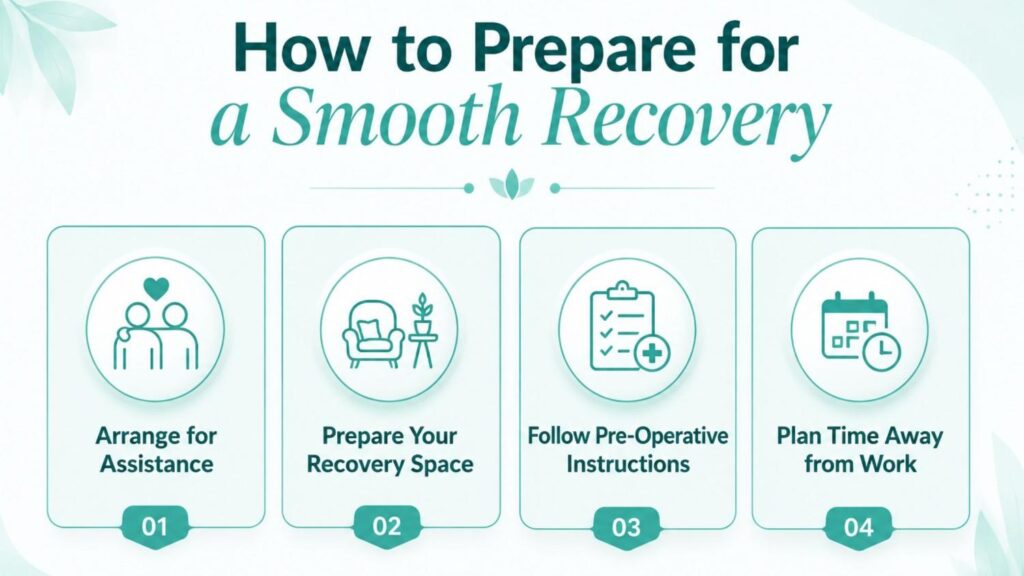
Patients are generally advised to have someone accompany them home and assist with daily activities during the first few days after surgery. Before planning your recovery, it’s helpful to understand the procedures included in Mommy Makeover Surgery and how each contributes to restoring body contours after pregnancy.
Mommy Makeover Recovery: What to Expect During Healing
Understanding Mommy Makeover Recovery: What to Expect allows patients to prepare for each stage of healing and follow recovery instructions more confidently.
Most patients experience:
- Swelling around the treated areas
- Mild to moderate bruising
- Temporary discomfort
- Limited mobility during the first few days
- Fatigue as the body heals
- Gradual improvement over several weeks
Although healing timelines vary, following your surgeon’s recommendations plays a significant role in achieving the best possible outcome.
Recovery Timeline
Healing occurs gradually, and every patient recovers at a different pace.
First Week
- Rest and limited activity
- Swelling and bruising are most noticeable
- Short walks are encouraged to promote circulation
- Regular follow-up appointments begin
Two to Four Weeks
- Swelling gradually decreases
- Daily activities become easier
- Light work may be resumed depending on recovery progress
- Continued use of compression garments if recommended
Six Weeks and Beyond
- Most patients can gradually return to normal exercise routines with medical clearance
- Surgical results become more visible as swelling continues to resolve
- Scars begin to mature over time
Managing Pain and Swelling
Some discomfort is expected during the early stages of recovery.
To support healing, patients are commonly advised to:
- Take prescribed medications as directed
- Wear compression garments if recommended
- Sleep in the advised position
- Stay well hydrated
- Follow all wound care instructions
- Attend scheduled follow-up appointments
Proper post-operative care helps improve comfort throughout recovery.
Activity Restrictions During Recovery
Giving your body enough time to heal is essential for achieving optimal results.
Patients are usually advised to:
- Avoid heavy lifting
- Refrain from strenuous exercise
- Avoid smoking during recovery
- Follow lifting restrictions, especially if caring for young children
- Resume physical activities only after medical approval
Returning to demanding activities too soon may delay healing.
Tips for a Smooth Recovery
Simple lifestyle habits can support a healthier recovery process.
Helpful tips include:
- Eat a balanced diet
- Stay hydrated
- Get adequate sleep
- Walk gently as recommended
- Wear compression garments consistently
- Follow medication schedules carefully
- Keep all follow-up appointments
- Maintain realistic expectations throughout healing
Patience and consistency are important because final results develop gradually.
When Should You Contact Your Surgeon?
Although most patients recover without significant complications, it is important to recognize when medical advice is needed.
Contact your surgeon if you experience:
- Persistent or worsening pain
- Excessive swelling
- Fever or signs of infection
- Unusual drainage from incision sites
- Difficulty breathing
- Any unexpected symptoms or concerns
Prompt communication allows potential issues to be addressed early.
Long-Term Recovery and Results
Recovery continues even after returning to normal activities.
Over the following months:
- Swelling continues to decrease
- Scars gradually soften and mature
- Body contours become more defined
- Surgical results continue to improve
Maintaining a stable weight, healthy diet, and regular exercise routine can help preserve long-term results following a mommy makeover.
Why Following Post-Operative Instructions Matters
Carefully following your surgeon’s instructions is one of the most important factors in achieving a safe recovery and optimal surgical results.
Key recommendations include:
- Taking medications exactly as prescribed
- Attending every scheduled follow-up appointment
- Avoiding activities that place stress on healing tissues
- Reporting any unusual symptoms promptly
Following professional guidance helps support proper healing and contributes to long-lasting outcomes.
Conclusion
Understanding Mommy Makeover Recovery: What to Expect helps patients prepare for each stage of healing and develop realistic expectations before surgery. Following post-operative instructions, attending regular follow-up appointments, and allowing the body adequate time to recover all contribute to safer healing and better long-term results. With personalized care and patience throughout the recovery journey, women can achieve natural-looking body contour improvements while returning to their daily routines with greater confidence.
Learning more about mommy makeover recovery can help you understand the normal healing process, post-operative care, activity restrictions, and what to expect during each stage of recovery.
Frequently Asked Questions
Recovery varies depending on the combination of procedures performed and individual healing. Many patients resume light daily activities within a few weeks, while complete healing and final results may take several months.
During the first week, it is common to experience swelling, bruising, mild discomfort, and limited mobility. Adequate rest, prescribed medications, and following your surgeon's instructions are essential for a smooth recovery.
Yes. Swelling is a normal part of the healing process and gradually decreases over the following weeks and months as your body recovers.
The timeline depends on the type of procedures performed and the nature of your job. Patients with desk-based work may return sooner than those with physically demanding occupations, based on their surgeon's advice.
Light walking is usually encouraged shortly after surgery to promote circulation. However, strenuous exercise, heavy lifting, and intense physical activity should only be resumed after receiving medical clearance.
Compression garments help reduce swelling, support healing tissues, improve comfort, and assist in achieving smoother body contours during recovery.
Following post-operative instructions, eating a balanced diet, staying hydrated, getting adequate rest, avoiding smoking, wearing compression garments, and attending follow-up appointments all contribute to a healthier recovery.
You should contact your surgeon if you experience severe pain, excessive swelling, fever, unusual drainage from the incision sites, difficulty breathing, or any symptoms that seem abnormal during recovery.
Scars are a normal part of any surgical procedure. They generally fade and become less noticeable over time with proper wound care and as healing progresses.
Initial improvements become visible as swelling decreases, but the final results usually develop gradually over several months as the tissues heal completely and body contours settle into their final shape.

Dr Prince
Consultant Plastic & Cosmetic Surgeon
Dr Prince is a Consultant Plastic and Reconstructive Surgeon at the Sushrutha Institute of Plastic Surgery, Elite Mission Hospital, Thrissur. He specializes in aesthetic and reconstructive procedures performed in a fully equipped hospital environment with strict safety protocols.
His expertise includes liposuction, rhinoplasty, gynecomastia correction, tummy tuck, breast surgery, and advanced facial aesthetic procedures, with a focus on safe techniques and natural-looking results.
Sushrutha Institute of Plastic Surgery, Elite Mission Hospital, Thrissur, Kerala