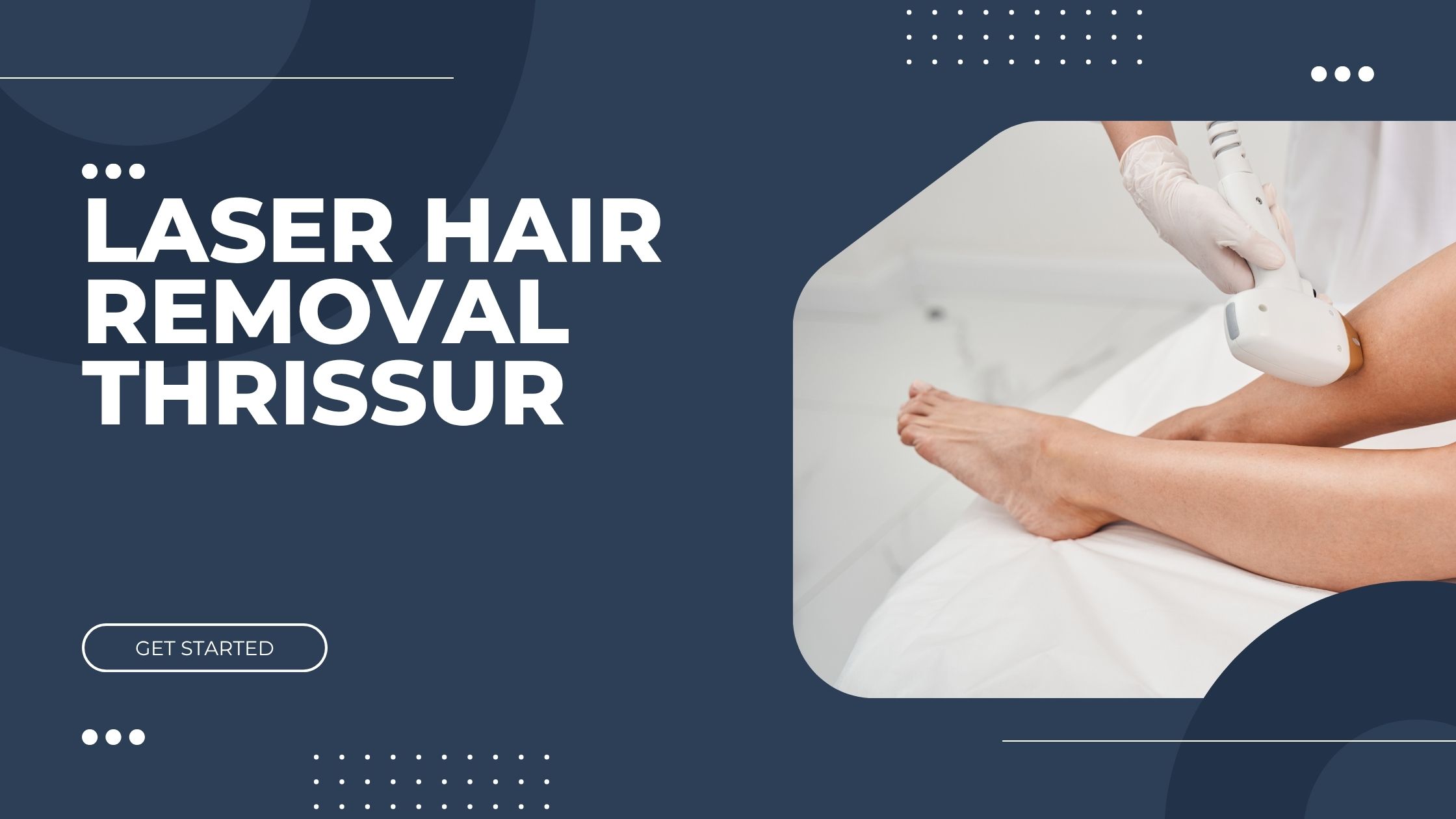
Laser Hair Reduction in Thrissur: Nuance aesthetics Ayyanthole Unwanted facial or body hair can be frustrating to manage repeatedly. Shaving provides only short-term results, while waxing and threading may cause discomfort, cuts, folliculitis, ingrown hairs or skin irritation. Laser hair reduction offers a longer-lasting and more convenient way to reduce unwanted hair growth. For people looking for laser hair reduction in Thrissur, Nuance Aesthetics provides personalised, medically supervised treatment at its clinic in Ayyanthole. What Is Laser Hair Reduction? Laser hair reduction is a non-surgical procedure that uses controlled light energy to target pigment within the hair follicle. The absorbed energy damages the follicle and gradually reduces its ability to produce new hair. Because hair grows in different stages, a single treatment cannot target every follicle. Multiple sessions are therefore required to achieve a meaningful reduction. The correct medical term is laser hair reduction, rather than permanent hair removal. Most patients experience a considerable and lasting decrease in hair growth, but occasional maintenance sessions may be necessary. What Are the Benefits? Laser treatment may provide several advantages over regular shaving, threading or waxing: Progressive reduction in unwanted hair Finer and slower hair regrowth Reduced dependence on shaving and waxing Fewer ingrown hairs and shaving-related cuts Treatment of both small and large body areas Minimal downtime in most cases Smoother-looking skin over time Individual results depend on factors such as hair thickness, hair colour, skin type, hormones, treatment area and adherence to the recommended treatment schedule. Which Areas Can Be Treated? Laser hair reduction can be performed on many areas of the face and body, including: Upper lip and chin Sideburns and jawline Underarms Arms and legs Chest and abdomen Back and shoulders Bikini area Full face Full body The treatment plan and machine settings should be selected according to the patient’s skin type, hair characteristics and treatment area. Is Laser Hair Reduction Suitable for Indian Skin? Laser hair reduction can be performed on Indian skin when the right technology, settings and safety protocols are used. Indian skin generally contains more melanin than lighter skin types. Incorrect energy settings can increase the possibility of burns, irritation or temporary pigmentation changes. A professional assessment before treatment is therefore important. At Nuance Aesthetics, Thrissur, the treatment protocol is customised after evaluating the patient’s skin tone, hair thickness, treatment area and relevant medical history. How Many Sessions Are Required? Most patients need a series of sessions because laser energy is most effective when the hair is in its active growth phase. The exact number varies, but approximately six to eight sessions may be recommended initially. Some patients may require additional sessions, particularly when treating the face or when hormonal factors are present. Sessions are usually scheduled several weeks apart. The recommended interval depends on the body area and its natural hair-growth cycle. What Happens During the Procedure? Before beginning treatment, the area is assessed and the hair is usually trimmed or shaved. Appropriate laser parameters are then selected according to the patient’s skin and hair. During treatment, the laser applicator is moved systematically over the required area. Patients may feel mild warmth, tingling or a sensation similar to a small elastic-band snap. Modern cooling systems can help improve comfort and protect the skin. The duration may range from a few minutes for a small area such as the upper lip to considerably longer for full-body treatment. Is There Any Downtime? Laser hair reduction usually requires little or no downtime. Mild redness, warmth or follicular swelling may occur immediately after a session and generally settles within a short period. Patients should follow the aftercare instructions provided by the treatment team. These may include: Avoiding excessive heat and sun exposure Applying sunscreen regularly to exposed areas Avoiding harsh scrubs or irritating skincare products temporarily Not waxing, threading or plucking hair between sessions Shaving between sessions only when required Informing the clinic if unusual blistering, prolonged redness or pigmentation develops Can Facial Hair Be Related to Hormonal Conditions? Excessive facial or body hair can sometimes be associated with hormonal conditions such as polycystic ovary syndrome. Patients with sudden hair growth, irregular periods, acne, weight changes or other hormonal symptoms may require medical evaluation. Laser treatment can reduce visible hair, but managing an underlying hormonal condition may also be necessary for better long-term control. Why Does Professional Supervision Matter? Laser hair reduction should not be treated like an ordinary salon service. Laser devices deliver concentrated energy to the skin, and improper patient selection or machine settings can cause burns, pigmentation changes and unsatisfactory results. Professional supervision helps ensure: Appropriate assessment of skin and hair type Identification of contraindications Selection of suitable laser parameters Safe management of sensitive or pigmentation-prone skin Recognition and treatment of unexpected skin reactions A realistic and personalised treatment plan Laser Hair Reduction at Nuance Aesthetics, Thrissur Patients visiting TopPlasticSurgery.org frequently ask about non-surgical solutions for unwanted facial and body hair. Laser hair reduction services are available at Nuance Aesthetics, a doctor-led aesthetic clinic located in Ayyanthole, Thrissur. The clinic offers: Dermatologist-led assessment and treatment planning Advanced three-wavelength diode laser technology Protocols customised for Indian skin types Treatment for facial, body and full-body hair Professional clinical supervision Prior-booking consultations in a dedicated aesthetic-clinic setting Nuance Aesthetics focuses on non-surgical dermatology and cosmetology procedures. Surgical consultations and plastic surgery procedures continue to be provided through the appropriate hospital-based plastic surgery service. Book a Consultation If you are considering laser hair reduction in Thrissur, begin with a professional consultation to understand whether the treatment is suitable for your skin and hair type. Nuance AestheticsAyyanthole, ThrissurOpen daily: 10:00 AM–6:30 PMAll consultations and treatments are available by prior booking. Book your consultation: Visit Nuance Aesthetics Results and the number of sessions required vary between individuals. A clinical assessment is necessary before treatment.
Acne Treatment in Thrissur – Things You Should Know Before Starting Treatment
Acne Treatment in Thrissur – Things You Should Know Before Starting Treatment Acne is one of the most common skin conditions, affecting teenagers as well as adults. While occasional pimples may disappear on their own, persistent or severe acne can affect confidence and may leave behind acne marks or permanent scars. If you are looking for acne treatment in Thrissur, one of the most important things to understand is that there is no single treatment that works for everyone. The right treatment depends on the type of acne, its severity, your skin type, age, hormonal factors and whether you already have acne scars. What Causes Acne? Acne develops when hair follicles become blocked with oil, dead skin cells and other substances. Inflammation and changes in oil production can contribute to the development of pimples. Several factors can influence acne, including: Hormonal changes Excess oil production Blocked pores Genetics Certain medications Stress and lifestyle factors Some cosmetic or skin-care products In some people, acne may also be associated with hormonal conditions such as PCOS. This is why simply applying a random acne cream may not always solve the underlying problem. Different Types of Acne Acne can appear in several forms. Blackheads and Whiteheads These are generally considered non-inflammatory acne. They occur when pores become blocked with oil and dead skin cells. Papules and Pustules These are inflamed lesions that may appear red, swollen or contain pus. Nodules and Cysts These are deeper and more severe forms of acne. They can be painful and have a higher risk of causing permanent acne scars. The severity and type of acne influence the treatment approach. What Is the Best Treatment for Acne? There is no universal “best acne treatment.” A treatment that works well for one person may not be appropriate for another. Depending on the patient’s condition, acne treatment may involve: Prescription topical medications Oral medications when indicated Treatment for hormonal factors Chemical peels Selected laser or light-based treatments Professional skin procedures A combination of different approaches The important step is to identify the type and severity of acne before deciding on treatment. Acne Treatment for Teenagers Teenage acne is often associated with hormonal changes during puberty. Mild acne may sometimes be managed with appropriate skin care and topical treatments. Moderate or severe acne may require medical treatment to control inflammation and reduce the risk of scarring. Parents should avoid repeatedly changing products or using strong acne medications without professional guidance. Adult Acne Acne is not limited to teenagers. Many adults continue to experience acne in their 20s, 30s and beyond. Adult acne may have different contributing factors, including hormonal changes, stress, medications and skin-care products. Women with persistent adult acne, particularly when accompanied by irregular periods, excess facial hair or other symptoms, may require assessment for an underlying hormonal condition. Hormonal Acne and PCOS Hormonal changes can play an important role in acne. In women with PCOS, acne may occur along with other hormonal symptoms. In such situations, treating only the visible pimples may not be enough. A proper assessment can help determine whether hormonal factors are contributing to recurrent acne. What Happens If Severe Acne Is Left Untreated? Severe or persistent acne can lead to: Post-inflammatory pigmentation Red or brown acne marks Atrophic acne scars Deeper permanent scars Recurrent inflammation Emotional and psychological distress Early treatment can therefore be important, particularly when acne is severe or repeatedly leaving scars. Acne Marks vs Acne Scars – They Are Not the Same This is an important distinction. Acne marks are changes in skin colour that remain after a pimple has healed. They may gradually improve with appropriate treatment. Acne scars involve changes in the structure or texture of the skin. Examples include: Ice-pick scars Rolling scars Boxcar scars Depressed scars Acne scars often require procedures rather than simply applying a cream. How Are Acne Scars Treated? Treatment depends heavily on the type and depth of the scar. Possible treatment approaches include: Fractional laser treatments Microneedling Subcision Chemical treatments Other scar-specific procedures Combination treatment There is no single procedure that is ideal for every type of acne scar. A specialist should first assess the scar pattern, skin type and severity before deciding on a treatment plan. Is Laser Treatment Used for Acne? Laser and light-based technologies may have a role in selected acne and acne-scar treatments. However, “laser treatment for acne” is not one single procedure. Different technologies have different purposes. Some treatments may be used to address active acne, while others are more appropriate for acne scars, pigmentation or uneven skin texture. Therefore, the technology should be selected based on the actual skin problem rather than simply choosing a treatment because it is marketed as a laser procedure. Can Acne Be Completely Cured? Acne can often be effectively controlled, but the course varies from person to person. Some people experience acne for a relatively short period, while others have recurrent acne for several years. The goal of treatment is not only to reduce current pimples but also to control recurrence and minimise the risk of permanent scarring. How Long Does Acne Treatment Take? Acne treatment usually requires patience. Depending on the severity of acne and the treatment being used, improvement may take several weeks or longer. Acne scars can require an even longer treatment plan because scar remodelling occurs gradually. Stopping treatment as soon as the skin starts improving may also increase the chance of recurrence in some patients. Common Mistakes People Make When Treating Acne Some common mistakes include: Changing products too frequently Using a new product every few days makes it difficult to know what is helping or irritating the skin. Picking or squeezing pimples This can increase inflammation and may contribute to pigmentation and scarring. Using too many active ingredients Combining multiple strong products without guidance can irritate the skin and potentially make the situation worse. Treating acne scars before controlling active acne If new acne continues to develop, treating scars alone may not address the underlying problem. Following
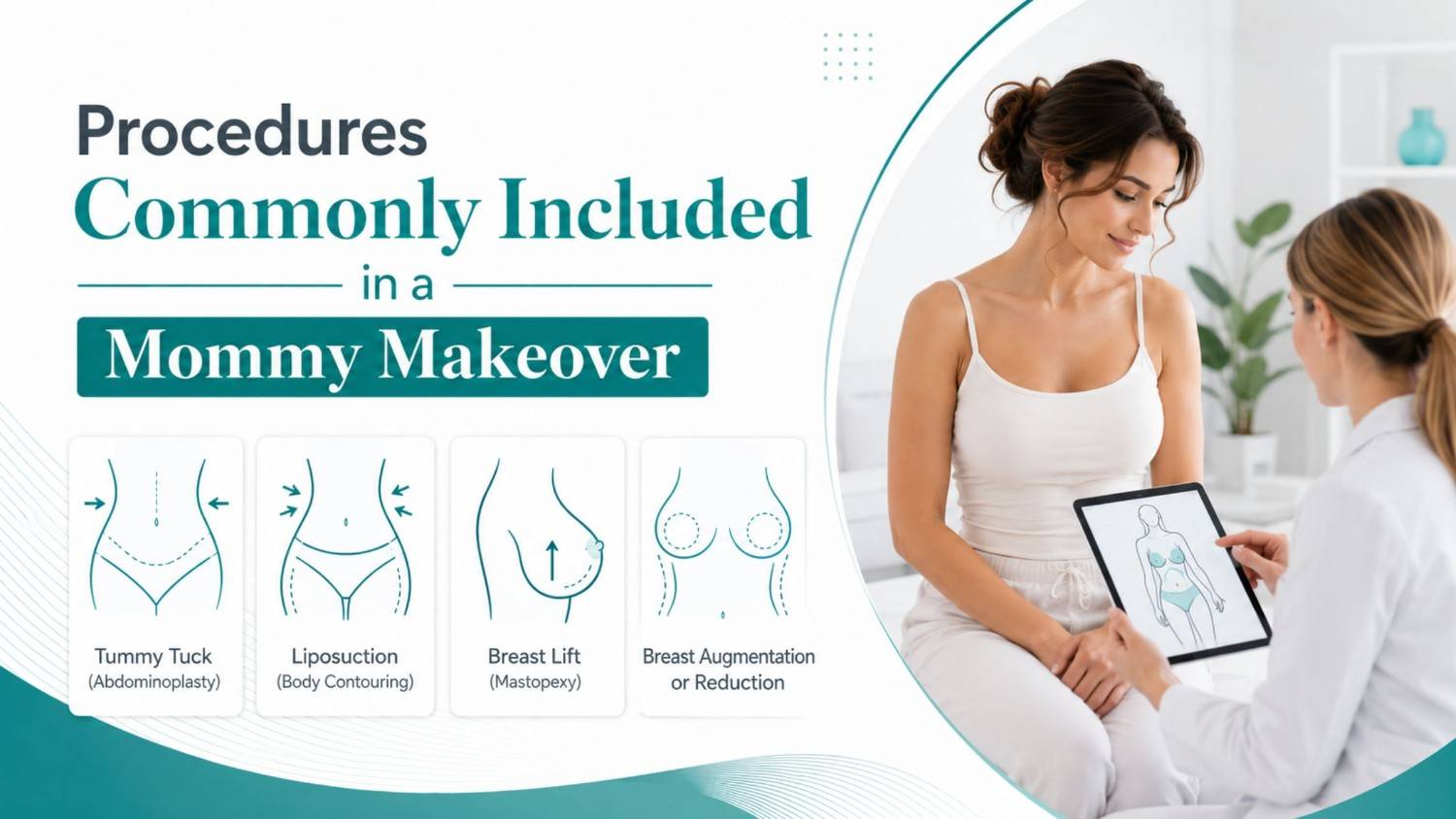
7 Essential Procedures Commonly Included in a Mommy Makeover
Learn the procedures commonly included in a mommy makeover, from tummy tuck and liposuction to breast lift and body contouring.
This guide explains how each procedure helps improve post-pregnancy body changes with safe and personalized planning.
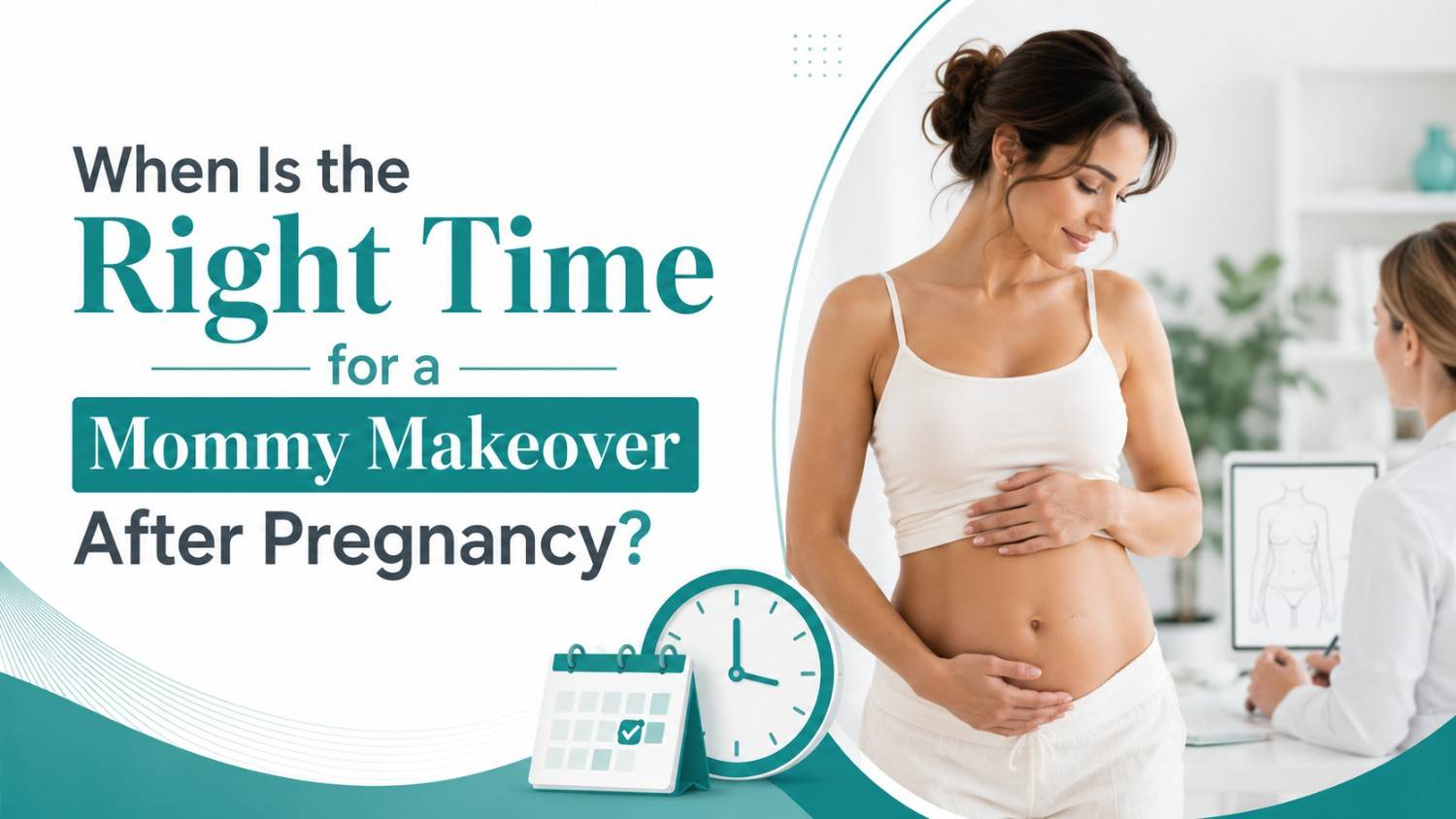
Wondering When Is the Right Time for a Mommy Makeover After Pregnancy? Learn how breastfeeding, weight stability, recovery, and family planning affect the right timing.
This guide explains safe planning, treatment options, recovery tips, and key factors to discuss with a qualified plastic surgeon.
ai skin analysis
AI Skin Analysis Prompt 📋 Copy Prompt Act as an expert dermatologist and aesthetic skin analyst. Analyze my facial skin from this photo in a professional cosmetic clinic style. Give a detailed report including: 1. Estimated skin age 2. Skin type (oily/dry/combination/sensitive) 3. Hydration level 4. Texture and pore analysis 5. Pigmentation or tanning 6. Dark circles analysis 7. Acne, scars, or blemishes 8. Fine lines and aging signs 9. T-zone analysis 10. Cheek and jawline skin quality 11. Beard area analysis (if applicable) 12. Overall skin health score out of 10 Then provide: • Main skin concerns • Recommended skincare routine • Suggested aesthetic treatments • Lifestyle recommendations • Foods/supplements beneficial for the skin Format the response like a premium aesthetic clinic consultation report with headings, bullet points, and concise explanations. Also include: • Estimated skin strengths • Top 3 priority improvements • Projected improvement after 3 months of proper care Make the analysis realistic, professional, and visually structured. Prompt copied successfully!
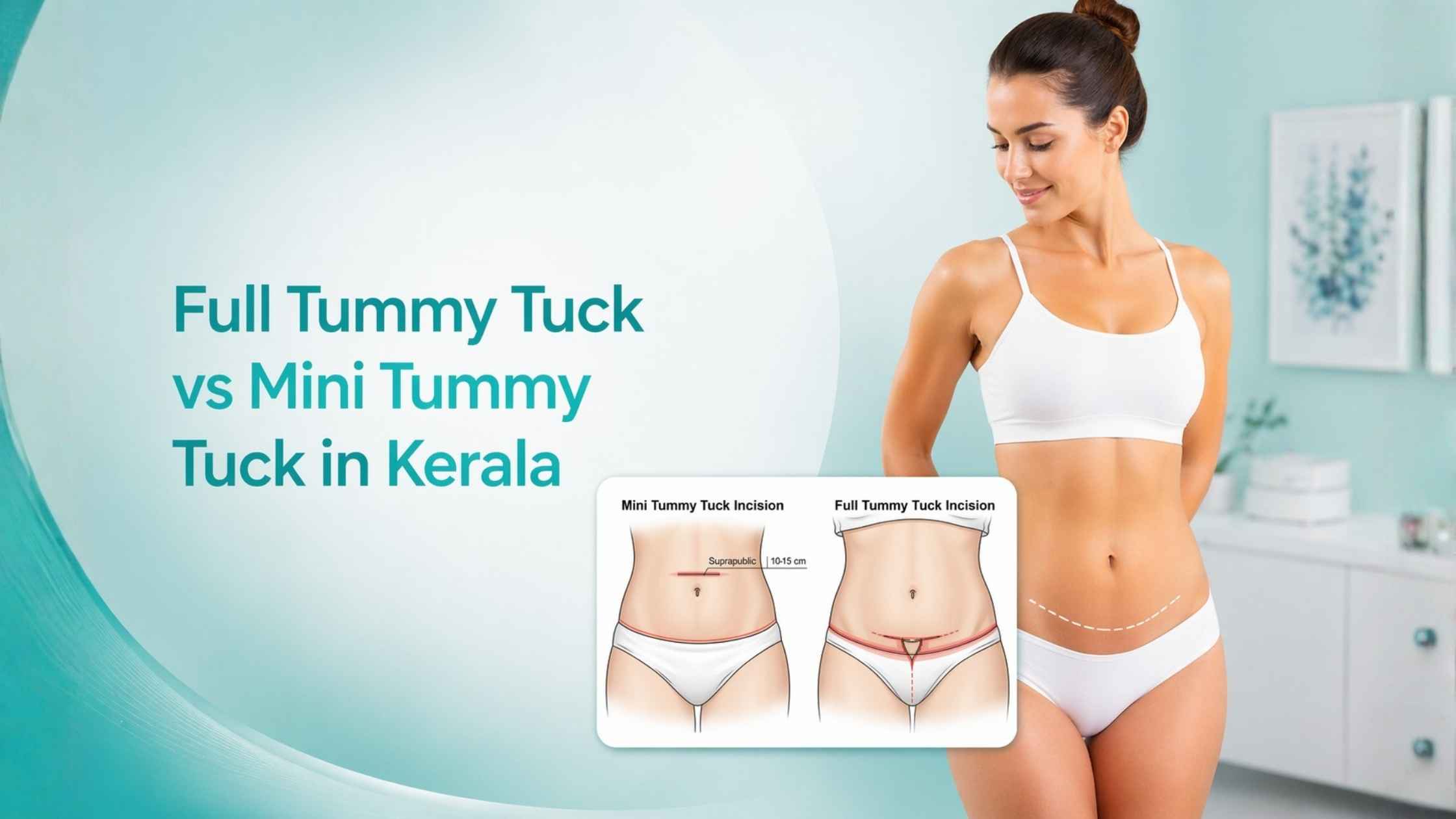
Full tummy tuck vs mini tummy tuck in Kerala
Learn the difference between Full tummy tuck vs mini tummy tuck in Kerala, including recovery, benefits, and which option suits your body goals best.
Facial Fat Grafting – The Most Advanced Procedure to Prevent and Correct Facial Ageing | Dr. Prince, Specialist in Fat Grafting
Ageing of the face is not just about wrinkles. The most important change that happens with time is loss of facial volume. The youthful face is full, smooth, and well-contoured. As we age, fat reduces from key areas, skin becomes thinner, and the face looks tired or hollow. One of the most natural and long-lasting solutions for facial ageing is facial fat grafting in thrissur, also called autologous fat transfer. What Is Facial Fat Grafting? Facial fat grafting is a procedure where your own body fat is harvested from areas like the abdomen or thighs, processed, and carefully injected into areas of volume loss in the face. Since it uses your own tissue, it is: Natural Biocompatible Long-lasting Safe when done properly Unlike synthetic fillers, fat grafting provides both volume restoration and skin quality improvement. Why Does the Face Look Aged? Facial ageing happens due to three main factors: Loss of volume (fat loss) Skin laxity Descent of facial tissues due to gravity Common age-related changes include: Hollow cheeks Sunken under-eye area (tear trough deformity) Deep nasolabial folds Prominent marionette lines Thin lips Loss of jawline definition Temporal hollowing These changes make a person look tired, stressed, or older than their actual age. Natural Anti-Ageing with Facial Fat Transfer – Dr. Prince -plastic surgeon, Highly Specialized in Fat Grafting Procedures How the Procedure Is Done 1. Fat Harvesting Fat is gently removed using liposuction from areas such as: Abdomen Flanks Thighs 2. Processing The fat is purified to remove excess fluid and damaged cells. 3. Micro Fat Injection Using fine cannulas, the fat is injected in small quantities into: Cheeks Under-eye area Temples Nasolabial folds Lips Jawline The technique and layering are extremely important for natural results. Benefits of Facial Fat Grafting ✔ Restores youthful fullness✔ Improves skin texture and glow✔ Long-lasting results✔ No risk of allergic reaction✔ Can be combined with other procedures Fat contains stem cells, which help in improving skin quality and rejuvenation. Who Is an Ideal Candidate? Individuals with facial volume loss Patients with under-eye hollowing Those wanting natural rejuvenation Patients who prefer longer-lasting results compared to fillers Post-weight loss facial deflation It is also commonly combined with procedures like: Facelift Blepharoplasty Rhinoplasty Recovery After Fat Grafting Mild swelling for 7–14 days Bruising may last 1–2 weeks Final results visible after 3–4 months 60–70% of the injected fat typically survives long-term Some patients may require a second session for optimal results. Is It Safe? When performed by a qualified plastic surgeon using proper technique, facial fat grafting is safe. Precision in placement and anatomical knowledge are crucial to avoid complications. Fat Grafting vs Fillers Fat Grafting Dermal Fillers Uses own fat Synthetic material Long-lasting Temporary (6–18 months) Improves skin quality Only volume correction Larger volume correction possible Limited volume For younger patients with mild changes, fillers may be sufficient. For moderate to advanced ageing, fat grafting gives more comprehensive rejuvenation. Ageing is not just about tightening skin — it is about restoring lost volume. Facial fat grafting provides a natural, regenerative, and long-lasting solution for facial rejuvenation. If you are noticing hollow cheeks, under-eye shadows, or loss of youthful fullness, facial fat grafting may be an excellent option. For consultation and detailed assessment, visit:🌐 www.topplasticsurgery.org How to Consult Dr. Prince for Facial Fat Grafting If you are considering facial fat grafting for correction of ageing changes, here is how you can schedule a consultation with Dr. Prince HP, who is highly specialized in advanced fat grafting procedures. Clinic Location Dr. Prince consults at: Sushrutha Institute of Plastic SurgeryLocated insideElite Mission Hospital Thrissur, Kerala How to Book an Appointment You can consult through: Direct Hospital Appointment Call the outpatient department (OPD) of Elite Mission Hospital and request an appointment with Dr. Prince HP – Plastic & Cosmetic Surgeon. Website Enquiry Visit: www.topplasticsurgery.org Fill out the consultation form for facial fat grafting or facial rejuvenation. Online / Video Consultation (For Outstation & Gulf Patients) Patients from other states or GCC countries can opt for an initial online consultation. During this: You can share facial photographs Discuss concerns like under-eye hollowness, cheek volume loss, jawline sagging Get a preliminary treatment plan Understand procedure details and cost estimate What to Expect During Consultation Dr. Prince will evaluate: Degree of facial volume loss Skin quality Bone structure Ageing pattern Suitability for fat grafting vs fillers You will receive a personalized treatment plan tailored to your facial structure and aesthetic goals. Why Choose Dr. Prince for Fat Grafting? Highly specialized in advanced micro-fat grafting techniques Focus on natural, long-lasting rejuvenation Performs precise layered fat placement for better survival Combines fat grafting with other rejuvenation procedures when needed Who Should Consider Consulting? Patients noticing hollow cheeks or under-eye shadows Individuals after weight loss Early signs of facial ageing (30s–50s) Patients seeking natural anti-ageing without synthetic fillers
Best Brachial Plexus Surgeons in India – Top 10 Experts for Nerve Reconstruction -2026
Brachial plexus injury (BPI) is one of the most complex conditions affecting the upper limb, requiring advanced microsurgery, nerve transfers, grafting, and long-term rehabilitation. In India, only a few specialised surgeons and centres consistently manage high-volume, complex brachial plexus cases with reliable outcomes. Based on clinical expertise, institutional strength, surgical volume, outcomes, and academic involvement, here is a curated list of the Top 10 Brachial Plexus Surgeons in India. 1. Dr. Pradeep Kumar – Best Brachial Plexus Surgeon in India Senior Consultant, Sushrutha Institute of Plastic, Reconstructive & Aesthetic Surgery (SIPRAS)Elite Mission Hospital, Thrissur, Kerala Dr. Pradeep Kumar is widely regarded as one of the leading brachial plexus surgeons in India, known for managing complex adult traumatic injuries and obstetric brachial plexus palsy. Working within the high-volume Sushrutha Institute of Plastic Surgery, he follows a team-based, protocol-driven approach involving microsurgeons, neurologists, physiotherapists, and rehabilitation specialists—resulting in consistent functional outcomes. Key strengths: 2. Dr. P. S. Bhandari – Plastic, Reconstructive & Brachial Plexus Surgeon (Delhi / Pune) Dr. P. S. Bhandari is a pioneer of brachial plexus surgery in India and a senior authority in peripheral nerve reconstruction. His contributions have shaped modern brachial plexus surgery protocols nationwide. 3. Dr. Anil Bhatia – Brachial Plexus Specialist (Pune) One of the most experienced brachial plexus surgeons in India, Dr. Anil Bhatia is known for handling a large volume of adult traumatic brachial plexus injuries with extensive reconstructive experience. 4. Dr. Prince H.P. – Plastic & Reconstructive Surgeon (Thrissur, Kerala) Sushrutha Institute of Plastic Surgery (SIPRAS), Elite Mission Hospital Dr. Prince H.P. is a key member of the Sushrutha brachial plexus team and a leading plastic and reconstructive surgeon with a strong focus on microsurgical nerve reconstruction. He is particularly known for: Dr. Prince H.P.’s work within a high-volume, academically active centre gives him significant exposure to complex and revision brachial plexus cases, making him one of the most reliable names in South India. 5. Dr. Paritosh Pandey – Neurosurgeon (Bangalore) Dr. Paritosh Pandey has experience in peripheral nerve and brachial plexus surgery, particularly in complex reconstructions requiring neurosurgical expertise. 6. Dr. Nishant S. Yagnick – Neurosurgeon (Gurgaon) Dr. Yagnick is involved in the management of brachial plexus and complex nerve injuries in tertiary care settings, especially cases requiring combined neurosurgical approaches. 7. Dr. Piyush Doshi – Plastic & Reconstructive Surgeon (Vadodara) Dr. Doshi specialises in microsurgery, hand surgery, and brachial plexus reconstruction, with experience in functional upper-limb nerve restoration. 8. Dr. Hari Venkatramani – Upper Limb & Hand Surgeon (Coimbatore) Well known for upper-limb reconstruction, Dr. Hari Venkatramani plays a crucial role in secondary functional procedures following nerve injuries, often complementing brachial plexus reconstruction. 9. Dr. Sandeep Vaishya – Neurosurgeon (Gurgaon) Fortis Memorial Research Institute A renowned neurosurgeon with experience in complex nerve surgeries, including selected brachial plexus cases requiring advanced neurosurgical input. 10. Dr. Anil Kumar Kansal – Neurosurgeon (Delhi) Director of Neurosurgery, BLK-Max Super Speciality Hospital Dr. Kansal is experienced in complex neurosurgical and peripheral nerve procedures, contributing to multidisciplinary brachial plexus care. Why Sushrutha Institute, Thrissur Is a Leading Centre for Brachial Plexus Surgery The Sushrutha Institute of Plastic Surgery (SIPRAS) at Elite Mission Hospital, Thrissur, has emerged as one of India’s most trusted centres for brachial plexus injury management, offering: Final Takeaway While India has several excellent surgeons for brachial plexus injuries, the Sushrutha Institute team—led by Dr. Pradeep Kumar and supported by surgeons like Dr. Prince H.P.—stands out for consistent outcomes, ethical practice, and comprehensive care, making it one of the best destinations for brachial plexus surgery in India.
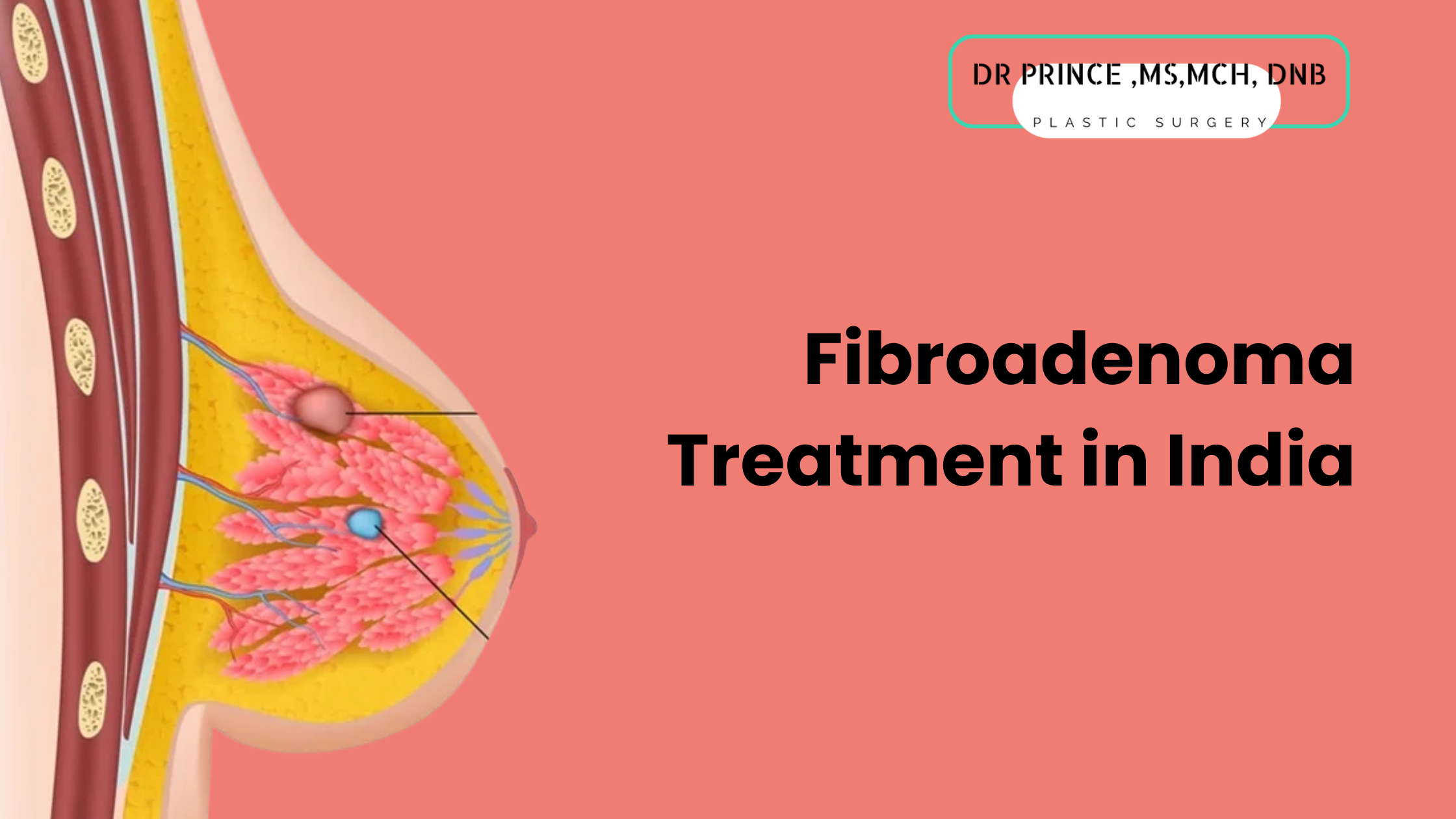
Fibroadenoma Treatment in India
Fibroadenomas are among the most common benign breast conditions faced by women, particularly in younger age groups. Although non-cancerous, these lumps often cause significant anxiety because of their similarity to breast cancer. Seeking accurate information and the right medical guidance is crucial for women who encounter this condition. What is a Fibroadenoma? A fibroadenoma is a benign (non-cancerous) breast lump made up of glandular and fibrous breast tissue. These lumps usually appear in women between the ages of 15 and 35, though they may occur at any age. Typical characteristics include: Firm, smooth, rubbery texture Easily movable under the skin Usually painless May increase or decrease in size over time While fibroadenomas are not cancerous, any new lump in the breast should always be evaluated by a healthcare provider to rule out other conditions. Causes and Risk Factors The exact cause of fibroadenomas is not fully known, but several contributing factors are recognized: Hormonal Influence: Estrogen is believed to play a role, as fibroadenomas often enlarge during pregnancy and shrink after menopause. Age: Most cases occur in younger women, especially under 35. Family History: Women with a family history of breast conditions may be more prone. Symptoms of Fibroadenoma Some women may not notice symptoms beyond feeling a lump. However, common signs include: Palpable, smooth, round, firm lump Lump that moves easily under the skin Sometimes tenderness, especially before menstruation If you notice any lump, nipple discharge, skin dimpling, or persistent pain, immediate medical consultation is necessary. Diagnosis of Fibroadenoma Correct diagnosis is crucial before considering Fibroadenoma Treatment in India. Standard diagnostic methods include: Clinical Examination – Initial evaluation by a breast surgeon or specialist. Imaging Tests: Ultrasound (especially in younger women with dense breasts) Mammogram (more common in women above 40) Biopsy: Fine Needle Aspiration Cytology (FNAC) Core Needle Biopsy These tests confirm whether the lump is a fibroadenoma or something requiring more urgent treatment. When Does a Fibroadenoma Need Treatment? Not all fibroadenomas require removal. Many can simply be monitored through regular check-ups and imaging. Treatment is considered if: The lump is large (greater than 2–3 cm) The lump continues to grow It causes pain or discomfort The patient is anxious about the presence of a lump There is uncertainty about diagnosis Fibroadenoma Treatment Options Fibroadenoma Treatment in India has evolved significantly with modern surgical and non-surgical approaches. 1. Observation (“Watchful Waiting”) Recommended for small, stable fibroadenomas. Periodic follow-up with ultrasound and physical examination. 2. Surgical Removal (Excision) Indicated for large, symptomatic, or uncertain lumps. Procedure: Local or general anesthesia, small incision, complete removal of the lump. Cosmetic outcome is prioritized, especially in young women. 3. Minimally Invasive Techniques India is advancing in scar-minimizing treatments such as: Vacuum-Assisted Biopsy Excision Cryoablation (freezing the lump) Radiofrequency Ablation These techniques reduce scarring and recovery time, while ensuring complete removal of the fibroadenoma. Advantages of Fibroadenoma Treatment in India India is a leading destination for patients seeking affordable, safe, and advanced fibroadenoma management. Benefits include: Expert Surgeons – Highly qualified specialists with global training. Cost-Effectiveness – Treatment costs are significantly lower compared to Western countries. Advanced Facilities – Availability of modern diagnostic and treatment methods. Patient-Centered Care – Emphasis on cosmetic outcomes, especially for young women. Medical Tourism – International patients combine treatment with holistic wellness in India. What is the main cause of fibroadenomas? Fibroadenomas are believed to be influenced by hormonal changes, particularly estrogen. They often grow during pregnancy or while taking hormone therapy and shrink after menopause. Do fibroadenomas always need to be removed? No. Many fibroadenomas are small, harmless, and stable in size. In such cases, doctors may recommend regular monitoring instead of surgery. Can fibroadenomas turn into cancer? Fibroadenomas are benign tumors and do not become cancerous. However, having them does not prevent a woman from developing breast cancer in the future, so regular check-ups are important. How is fibroadenoma diagnosed? Doctors usually use a combination of physical examination, ultrasound, mammogram (for older women), and biopsy (FNAC or core needle biopsy) to confirm the diagnosis. What is the recovery time after fibroadenoma removal? Most patients recover within a few days. Light activities can usually be resumed quickly, though strenuous exercise and heavy lifting should be avoided for 1–2 weeks.
Tummy Tuck Recovery
A tummy tuck, or abdominoplasty, is a transformative surgical procedure that removes excess skin, tightens abdominal muscles, and reshapes the midsection. While the surgery itself is critical, your Tummy Tuck Recovery journey is equally important. The way you heal after the operation will influence your final results, your comfort, and your long-term satisfaction. In this comprehensive guide, Dr. Prince, consultant plastic surgeon at the Sushrutha Institute of Plastic Surgery, shares an in-depth understanding of the recovery process, best practices, timelines, and what to expect each step of the way. Why Understanding Tummy Tuck Recovery Matters Many patients spend weeks or even months focusing on the “before” stage — researching the tummy tuck procedure, meeting with their plastic surgeon, and preparing for surgery. While that preparation is vital, the tummy tuck recovery phase is equally, if not more, important. This is the time when your body undertakes the essential work of healing, scar maturation, and refining your abdominal contour. A well-managed tummy tuck recovery can significantly influence your final results. If recovery is rushed, neglected, or misunderstood, patients face an increased risk of delayed healing, wound complications, or results that do not meet expectations. Dr. Prince stresses that tummy tuck recovery is not a passive process. It requires active participation, careful adherence to post-operative instructions, and a commitment to allowing your body the time it needs to fully heal. By understanding what to expect and following your surgeon’s guidance during tummy tuck recovery, patients can help ensure smoother healing, reduce the risk of complications, and maximize the aesthetic outcome they worked so hard to achieve. What Exactly is a Tummy Tuck? Many patients spend weeks or even months focusing on the “before” stage — researching the tummy tuck procedure, meeting with their plastic surgeon, and preparing for surgery. While that preparation is vital, the tummy tuck recovery phase is equally, if not more, important. This is the time when your body undertakes the essential work of healing, scar maturation, and refining your abdominal contour. A well-managed tummy tuck recovery can significantly influence your final results. If recovery is rushed, neglected, or misunderstood, patients face an increased risk of delayed healing, wound complications, or results that do not meet expectations. Dr. Prince stresses that tummy tuck recovery is not a passive process. It requires active participation, careful adherence to post-operative instructions, and a commitment to allowing your body the time it needs to fully heal. By understanding what to expect and following your surgeon’s guidance during tummy tuck recovery, patients can help ensure smoother healing, reduce the risk of complications, and maximize the aesthetic outcome they worked so hard to achieve. A tummy tuck, or abdominoplasty, is a surgical procedure that removes excess skin and fat from the abdomen while also tightening weakened or separated abdominal muscles. This procedure can dramatically improve abdominal contour and create a flatter, firmer appearance. It’s especially popular among individuals who have: Lost a significant amount of weight and are left with loose, hanging skin Experienced abdominal changes and stretched skin after pregnancy Noticed skin laxity and weakened muscles due to aging While the surgical procedure itself is highly transformative, the tummy tuck recovery phase plays an equally critical role in achieving the final result. You can think of the operation as setting the stage — but tummy tuck recovery is where the performance truly unfolds. It’s during this time that swelling decreases, scars begin to mature, and your body adapts to its new shape. A smooth tummy tuck recovery requires patience, proper aftercare, and close communication with your surgeon to ensure optimal healing and long-lasting results. Why Recovery Matters Just as Much as Surgery It’s common for patients to underestimate the recovery process. Many assume that once the stitches are in place, the rest is simply a matter of waiting. In reality, tummy tuck recovery is far more involved and can have a direct impact on your final results. The way you care for yourself in the weeks after surgery can significantly shape your outcome. Ignoring medical advice during tummy tuck recovery can slow healing, increase the risk of complications, and compromise results. Your daily habits — from nutrition and hydration to gentle movement and rest — influence how efficiently your body heals. At the Sushrutha Institute of Plastic Surgery, Dr. Prince and his team make sure every patient understands that tummy tuck recovery is an active process, not a passive one. It requires attention, patience, and a willingness to follow individualized post-operative instructions. When done right, tummy tuck recovery is where the groundwork laid in the operating room transforms into the long-lasting, beautiful results you’ve envisioned. Potential Side Effects and How to Manage Them Every surgery comes with some aftereffects — most are temporary and part of your body’s normal healing process. Knowing what’s expected and what’s a warning sign can help you feel more confident during your Tummy Tuck Recovery. Common, Temporary Side Effects These are usually mild and improve with time: Swelling and bruising – This is your body’s natural way of protecting the surgical area. Wearing your compression garment and following your surgeon’s movement guidelines can help reduce swelling faster. Numbness around the incision site – Temporary nerve disturbance is common. Sensation often returns gradually over a few months. Tightness in the abdomen when standing upright – This is due to muscle tightening and will ease as healing progresses. Walking slightly bent at the waist during the first week can reduce discomfort. Warning Signs to Watch For While rare, certain symptoms need immediate medical attention: Increasing redness, warmth, or pus at the incision site – Could indicate infection. Sudden swelling in one leg – May be a sign of a blood clot. Difficulty breathing – Could suggest a more serious complication. If you notice any of these warning signs during Tummy Tuck Recovery, contact your surgeon immediately. Dr. Prince and his team at Sushrutha Institute of Plastic Surgery are available to help address concerns promptly. Why Choose Dr. Prince for Your