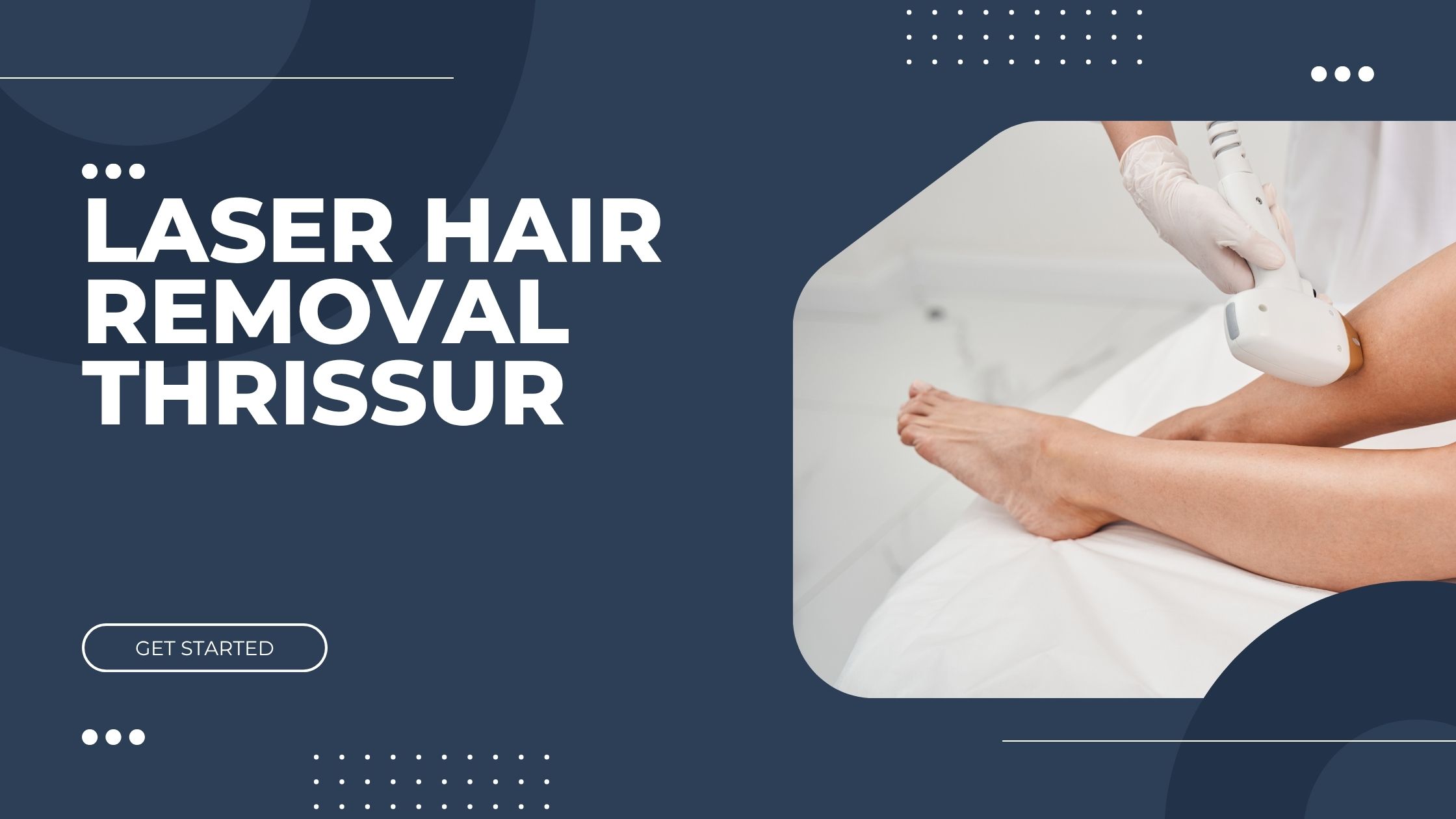
Laser Hair Reduction in Thrissur: Nuance aesthetics Ayyanthole Unwanted facial or body hair can be frustrating to manage repeatedly. Shaving provides only short-term results, while waxing and threading may cause discomfort, cuts, folliculitis, ingrown hairs or skin irritation. Laser hair reduction offers a longer-lasting and more convenient way to reduce unwanted hair growth. For people looking for laser hair reduction in Thrissur, Nuance Aesthetics provides personalised, medically supervised treatment at its clinic in Ayyanthole. What Is Laser Hair Reduction? Laser hair reduction is a non-surgical procedure that uses controlled light energy to target pigment within the hair follicle. The absorbed energy damages the follicle and gradually reduces its ability to produce new hair. Because hair grows in different stages, a single treatment cannot target every follicle. Multiple sessions are therefore required to achieve a meaningful reduction. The correct medical term is laser hair reduction, rather than permanent hair removal. Most patients experience a considerable and lasting decrease in hair growth, but occasional maintenance sessions may be necessary. What Are the Benefits? Laser treatment may provide several advantages over regular shaving, threading or waxing: Progressive reduction in unwanted hair Finer and slower hair regrowth Reduced dependence on shaving and waxing Fewer ingrown hairs and shaving-related cuts Treatment of both small and large body areas Minimal downtime in most cases Smoother-looking skin over time Individual results depend on factors such as hair thickness, hair colour, skin type, hormones, treatment area and adherence to the recommended treatment schedule. Which Areas Can Be Treated? Laser hair reduction can be performed on many areas of the face and body, including: Upper lip and chin Sideburns and jawline Underarms Arms and legs Chest and abdomen Back and shoulders Bikini area Full face Full body The treatment plan and machine settings should be selected according to the patient’s skin type, hair characteristics and treatment area. Is Laser Hair Reduction Suitable for Indian Skin? Laser hair reduction can be performed on Indian skin when the right technology, settings and safety protocols are used. Indian skin generally contains more melanin than lighter skin types. Incorrect energy settings can increase the possibility of burns, irritation or temporary pigmentation changes. A professional assessment before treatment is therefore important. At Nuance Aesthetics, Thrissur, the treatment protocol is customised after evaluating the patient’s skin tone, hair thickness, treatment area and relevant medical history. How Many Sessions Are Required? Most patients need a series of sessions because laser energy is most effective when the hair is in its active growth phase. The exact number varies, but approximately six to eight sessions may be recommended initially. Some patients may require additional sessions, particularly when treating the face or when hormonal factors are present. Sessions are usually scheduled several weeks apart. The recommended interval depends on the body area and its natural hair-growth cycle. What Happens During the Procedure? Before beginning treatment, the area is assessed and the hair is usually trimmed or shaved. Appropriate laser parameters are then selected according to the patient’s skin and hair. During treatment, the laser applicator is moved systematically over the required area. Patients may feel mild warmth, tingling or a sensation similar to a small elastic-band snap. Modern cooling systems can help improve comfort and protect the skin. The duration may range from a few minutes for a small area such as the upper lip to considerably longer for full-body treatment. Is There Any Downtime? Laser hair reduction usually requires little or no downtime. Mild redness, warmth or follicular swelling may occur immediately after a session and generally settles within a short period. Patients should follow the aftercare instructions provided by the treatment team. These may include: Avoiding excessive heat and sun exposure Applying sunscreen regularly to exposed areas Avoiding harsh scrubs or irritating skincare products temporarily Not waxing, threading or plucking hair between sessions Shaving between sessions only when required Informing the clinic if unusual blistering, prolonged redness or pigmentation develops Can Facial Hair Be Related to Hormonal Conditions? Excessive facial or body hair can sometimes be associated with hormonal conditions such as polycystic ovary syndrome. Patients with sudden hair growth, irregular periods, acne, weight changes or other hormonal symptoms may require medical evaluation. Laser treatment can reduce visible hair, but managing an underlying hormonal condition may also be necessary for better long-term control. Why Does Professional Supervision Matter? Laser hair reduction should not be treated like an ordinary salon service. Laser devices deliver concentrated energy to the skin, and improper patient selection or machine settings can cause burns, pigmentation changes and unsatisfactory results. Professional supervision helps ensure: Appropriate assessment of skin and hair type Identification of contraindications Selection of suitable laser parameters Safe management of sensitive or pigmentation-prone skin Recognition and treatment of unexpected skin reactions A realistic and personalised treatment plan Laser Hair Reduction at Nuance Aesthetics, Thrissur Patients visiting TopPlasticSurgery.org frequently ask about non-surgical solutions for unwanted facial and body hair. Laser hair reduction services are available at Nuance Aesthetics, a doctor-led aesthetic clinic located in Ayyanthole, Thrissur. The clinic offers: Dermatologist-led assessment and treatment planning Advanced three-wavelength diode laser technology Protocols customised for Indian skin types Treatment for facial, body and full-body hair Professional clinical supervision Prior-booking consultations in a dedicated aesthetic-clinic setting Nuance Aesthetics focuses on non-surgical dermatology and cosmetology procedures. Surgical consultations and plastic surgery procedures continue to be provided through the appropriate hospital-based plastic surgery service. Book a Consultation If you are considering laser hair reduction in Thrissur, begin with a professional consultation to understand whether the treatment is suitable for your skin and hair type. Nuance AestheticsAyyanthole, ThrissurOpen daily: 10:00 AM–6:30 PMAll consultations and treatments are available by prior booking. Book your consultation: Visit Nuance Aesthetics Results and the number of sessions required vary between individuals. A clinical assessment is necessary before treatment.
Acne Treatment in Thrissur – Things You Should Know Before Starting Treatment
Acne Treatment in Thrissur – Things You Should Know Before Starting Treatment Acne is one of the most common skin conditions, affecting teenagers as well as adults. While occasional pimples may disappear on their own, persistent or severe acne can affect confidence and may leave behind acne marks or permanent scars. If you are looking for acne treatment in Thrissur, one of the most important things to understand is that there is no single treatment that works for everyone. The right treatment depends on the type of acne, its severity, your skin type, age, hormonal factors and whether you already have acne scars. What Causes Acne? Acne develops when hair follicles become blocked with oil, dead skin cells and other substances. Inflammation and changes in oil production can contribute to the development of pimples. Several factors can influence acne, including: Hormonal changes Excess oil production Blocked pores Genetics Certain medications Stress and lifestyle factors Some cosmetic or skin-care products In some people, acne may also be associated with hormonal conditions such as PCOS. This is why simply applying a random acne cream may not always solve the underlying problem. Different Types of Acne Acne can appear in several forms. Blackheads and Whiteheads These are generally considered non-inflammatory acne. They occur when pores become blocked with oil and dead skin cells. Papules and Pustules These are inflamed lesions that may appear red, swollen or contain pus. Nodules and Cysts These are deeper and more severe forms of acne. They can be painful and have a higher risk of causing permanent acne scars. The severity and type of acne influence the treatment approach. What Is the Best Treatment for Acne? There is no universal “best acne treatment.” A treatment that works well for one person may not be appropriate for another. Depending on the patient’s condition, acne treatment may involve: Prescription topical medications Oral medications when indicated Treatment for hormonal factors Chemical peels Selected laser or light-based treatments Professional skin procedures A combination of different approaches The important step is to identify the type and severity of acne before deciding on treatment. Acne Treatment for Teenagers Teenage acne is often associated with hormonal changes during puberty. Mild acne may sometimes be managed with appropriate skin care and topical treatments. Moderate or severe acne may require medical treatment to control inflammation and reduce the risk of scarring. Parents should avoid repeatedly changing products or using strong acne medications without professional guidance. Adult Acne Acne is not limited to teenagers. Many adults continue to experience acne in their 20s, 30s and beyond. Adult acne may have different contributing factors, including hormonal changes, stress, medications and skin-care products. Women with persistent adult acne, particularly when accompanied by irregular periods, excess facial hair or other symptoms, may require assessment for an underlying hormonal condition. Hormonal Acne and PCOS Hormonal changes can play an important role in acne. In women with PCOS, acne may occur along with other hormonal symptoms. In such situations, treating only the visible pimples may not be enough. A proper assessment can help determine whether hormonal factors are contributing to recurrent acne. What Happens If Severe Acne Is Left Untreated? Severe or persistent acne can lead to: Post-inflammatory pigmentation Red or brown acne marks Atrophic acne scars Deeper permanent scars Recurrent inflammation Emotional and psychological distress Early treatment can therefore be important, particularly when acne is severe or repeatedly leaving scars. Acne Marks vs Acne Scars – They Are Not the Same This is an important distinction. Acne marks are changes in skin colour that remain after a pimple has healed. They may gradually improve with appropriate treatment. Acne scars involve changes in the structure or texture of the skin. Examples include: Ice-pick scars Rolling scars Boxcar scars Depressed scars Acne scars often require procedures rather than simply applying a cream. How Are Acne Scars Treated? Treatment depends heavily on the type and depth of the scar. Possible treatment approaches include: Fractional laser treatments Microneedling Subcision Chemical treatments Other scar-specific procedures Combination treatment There is no single procedure that is ideal for every type of acne scar. A specialist should first assess the scar pattern, skin type and severity before deciding on a treatment plan. Is Laser Treatment Used for Acne? Laser and light-based technologies may have a role in selected acne and acne-scar treatments. However, “laser treatment for acne” is not one single procedure. Different technologies have different purposes. Some treatments may be used to address active acne, while others are more appropriate for acne scars, pigmentation or uneven skin texture. Therefore, the technology should be selected based on the actual skin problem rather than simply choosing a treatment because it is marketed as a laser procedure. Can Acne Be Completely Cured? Acne can often be effectively controlled, but the course varies from person to person. Some people experience acne for a relatively short period, while others have recurrent acne for several years. The goal of treatment is not only to reduce current pimples but also to control recurrence and minimise the risk of permanent scarring. How Long Does Acne Treatment Take? Acne treatment usually requires patience. Depending on the severity of acne and the treatment being used, improvement may take several weeks or longer. Acne scars can require an even longer treatment plan because scar remodelling occurs gradually. Stopping treatment as soon as the skin starts improving may also increase the chance of recurrence in some patients. Common Mistakes People Make When Treating Acne Some common mistakes include: Changing products too frequently Using a new product every few days makes it difficult to know what is helping or irritating the skin. Picking or squeezing pimples This can increase inflammation and may contribute to pigmentation and scarring. Using too many active ingredients Combining multiple strong products without guidance can irritate the skin and potentially make the situation worse. Treating acne scars before controlling active acne If new acne continues to develop, treating scars alone may not address the underlying problem. Following