Gynecomastia surgery is a common procedure for men who have enlarged breast tissue that does not improve with exercise or weight loss. But one of the most important questions patients ask before treatment is, is gynecomastia surgery permanent? For men considering treatment in Kerala, understanding how long the results can last is essential for making an informed decision.
In most cases, gynecomastia surgery can provide long-lasting and often permanent correction of the excess glandular breast tissue and fat that is removed during the procedure. However, maintaining the result depends on several factors, including body weight, hormones, medications, lifestyle, and the surgical technique used.
This guide explains what determines the longevity of gynecomastia surgery results, what can cause recurrence, and how patients can protect their results over the long term.
Is Gynecomastia Surgery Permanent
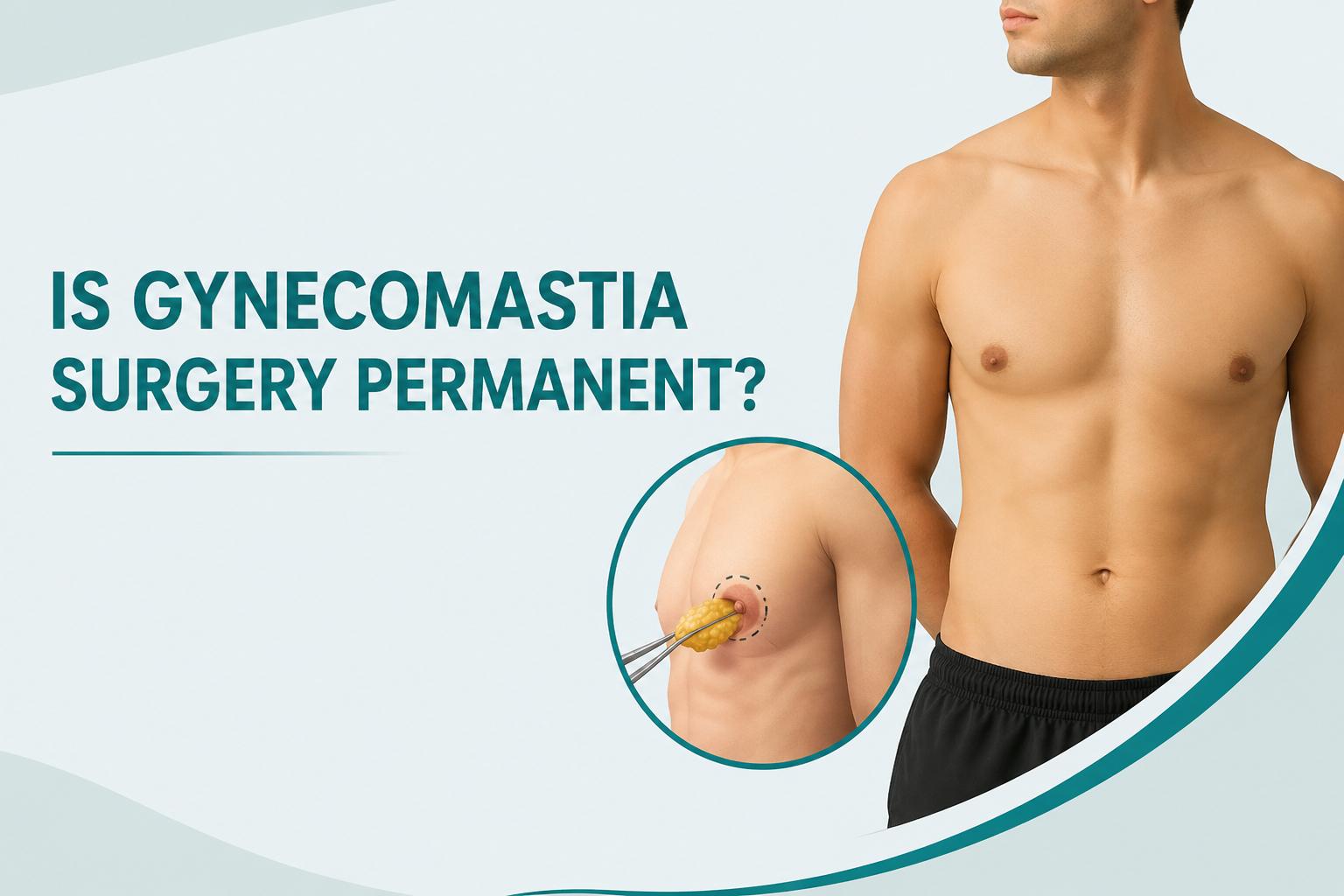
So, is gynecomastia surgery permanent? In most appropriately selected patients, the answer is yes, particularly when the underlying excess breast tissue is completely treated.
During gynecomastia surgery, excess glandular tissue, fat, or both may be removed. Once the treated tissue has been surgically removed, it generally does not grow back in the same way.
However, permanent does not necessarily mean that the chest can never change again. Significant weight gain, hormonal changes, certain medications, or medical conditions may alter the appearance of the chest.
The key distinction is that the surgically removed tissue is not expected to regenerate, but new fat accumulation or changes in remaining tissue can affect the appearance.
7 Important Facts About Permanent Gynecomastia Results
1. Removed Glandular Tissue Usually Does Not Return
True gynecomastia often involves the development of excess male breast glandular tissue. When this tissue is surgically removed, it generally does not grow back.
This is one of the main reasons surgery can provide a permanent correction.
If a patient later notices fullness around the chest, it does not automatically mean that the original gynecomastia has returned. The change may instead be related to fat accumulation, weight gain, swelling, or another underlying factor.
2. Weight Stability Matters
Maintaining a relatively stable body weight is important after surgery.
Significant weight gain can increase fat deposits throughout the body, including the chest. This can make the chest appear fuller even though the original glandular tissue was successfully removed.
For this reason, maintaining a healthy and stable weight can help preserve the surgical result.
3. Hormonal Changes Can Influence Results
Hormonal balance plays an important role in gynecomastia.
Gynecomastia can be associated with an imbalance between estrogen and testosterone. Certain medical conditions, medications, and hormonal changes may contribute to breast tissue development.
If an underlying hormonal problem remains untreated, there may be a greater chance of developing new breast enlargement.
A proper medical assessment before surgery can help identify factors that may affect the long-term outcome.
4. The Surgical Technique Makes a Difference
Gynecomastia does not look the same in every patient. Some men have primarily glandular tissue, while others have a combination of glandular tissue and excess fat.
Treatment may therefore involve:
- Removal of glandular breast tissue
- Liposuction of excess chest fat
- A combination of liposuction and tissue excision
- Removal of excess skin in selected cases
The appropriate approach depends on the patient’s chest structure, skin quality, amount of excess tissue, and overall condition.
5. Recovery Changes Are Not the Same as Recurrence
After gynecomastia surgery, swelling and firmness can temporarily change the appearance of the chest.
This can sometimes make patients wonder whether the condition has returned.
Postoperative swelling may take time to settle. The final chest contour can become clearer gradually as the tissues heal.
Therefore, judging the permanence of the result too early may lead to unnecessary concern.
6. Lifestyle Can Affect the Appearance
Surgery addresses the physical tissue responsible for chest enlargement, but it does not prevent future changes in body composition.
Regular physical activity, balanced nutrition, and maintaining a healthy weight can help support the result.
Exercise cannot remove surgically treated glandular tissue, but it can contribute to overall body composition and chest definition.
7. Following Aftercare Instructions Is Important
Proper postoperative care can support healing and help the chest settle into its new contour.
Depending on the procedure, aftercare may include:
- Wearing compression garments as advised
- Limiting strenuous activity during the recommended recovery period
- Attending follow-up appointments
- Taking prescribed medication as directed
- Protecting healing incisions
- Gradually returning to exercise
Following postoperative instructions does not guarantee a specific cosmetic outcome, but it can help reduce avoidable healing problems.
What Causes Gynecomastia
Understanding the cause of gynecomastia is important when considering whether surgery will provide a lasting solution.
Several factors can contribute to male breast enlargement.
Hormonal Imbalance
Gynecomastia may occur when estrogen activity becomes relatively higher compared with testosterone activity.
Temporary hormonal changes can occur during puberty, while hormonal changes in adulthood may be associated with certain medical conditions or medications.
Weight Gain
Increased body fat can contribute to chest enlargement. Fat tissue can influence hormone metabolism, and excess fat may also create a condition known as pseudogynecomastia, where chest fullness is primarily caused by fat rather than glandular tissue.
Medications
Some medications can contribute to gynecomastia as a side effect. Patients should discuss their current medications with a qualified healthcare professional before surgery.
Medical Conditions
Certain liver, kidney, thyroid, or hormonal conditions can be associated with gynecomastia.
Identifying an underlying cause can be important, particularly when breast enlargement develops suddenly or changes significantly.
Types of Male Breast Enlargement
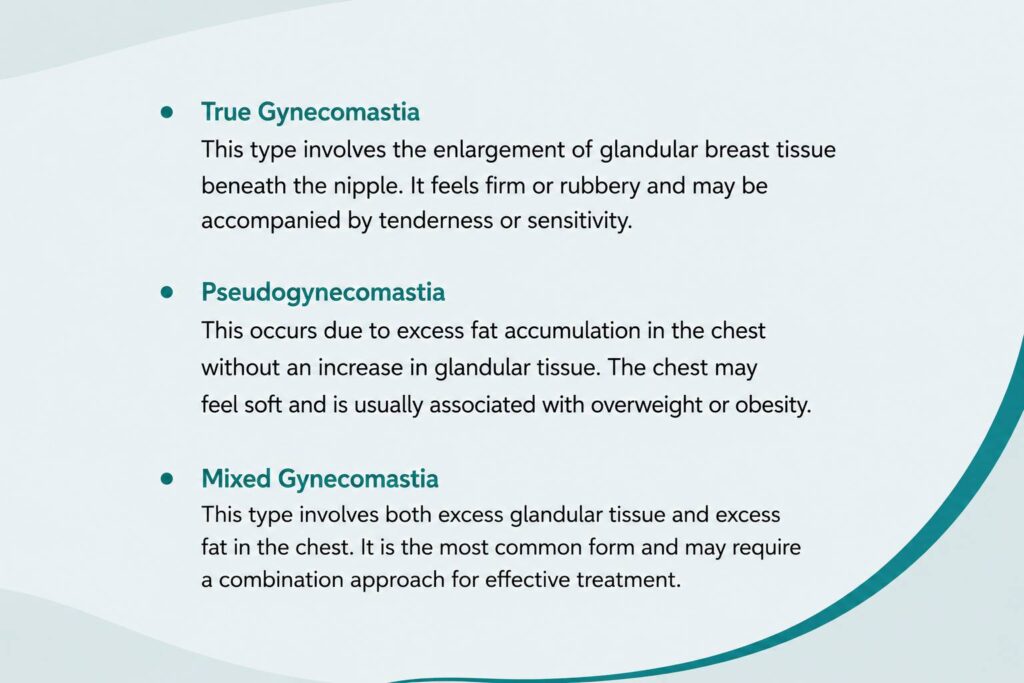
Not every case of enlarged male breasts is caused by the same tissue.
True Gynecomastia
True gynecomastia primarily involves excess glandular breast tissue.
Surgical removal of this tissue can provide a long-lasting correction when the condition is appropriate for surgery.
Pseudogynecomastia
Pseudogynecomastia refers primarily to excess fatty tissue in the chest rather than enlargement of the breast gland.
Weight management may be helpful for some men, although surgery can be considered when localized fat remains despite appropriate lifestyle measures.
Mixed Gynecomastia
Some men have both excess glandular tissue and excess fat.
In these cases, a combination approach may be used to achieve a more balanced chest contour.
Common Symptoms of Gynecomastia
Gynecomastia may present with:
- Enlarged breast area
- Firm or rubbery tissue beneath the nipple
- Increased chest fullness
- Uneven enlargement between the two sides
- Nipple or chest tenderness
- Changes in chest contour
- Excess skin in more advanced cases
Not every enlarged chest requires surgery. A clinical assessment can help determine the underlying cause and appropriate treatment.
When Is Gynecomastia Surgery Considered
Surgery may be considered when breast enlargement:
- Persists despite appropriate lifestyle changes
- Causes significant cosmetic concern
- Does not improve after an underlying cause is addressed
- Creates ongoing discomfort or self-consciousness
- Is caused by tissue that is unlikely to disappear naturally
The decision should be based on an individual assessment rather than the appearance of the chest alone.
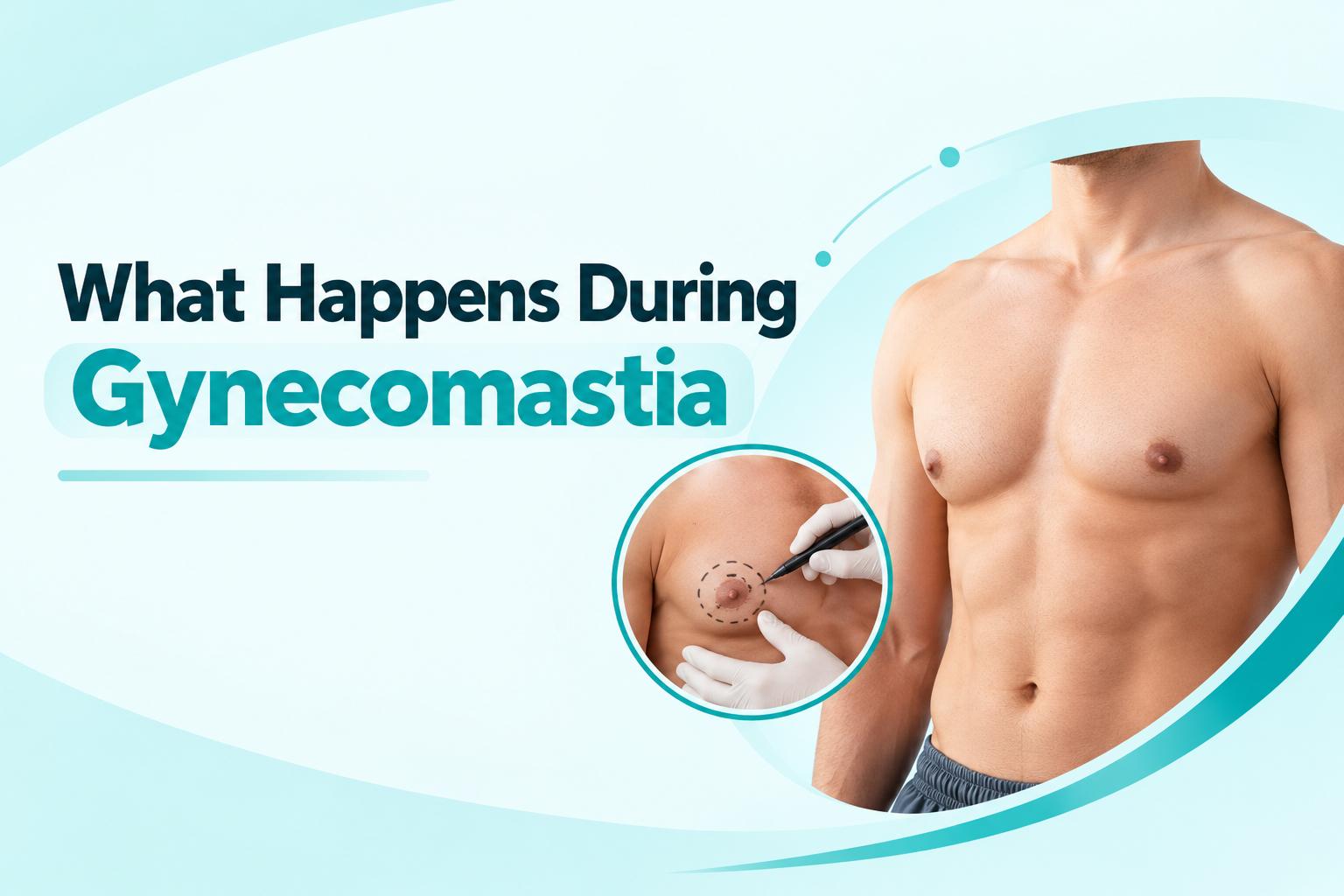
What Happens During Gynecomastia Surgery
The exact procedure varies according to the type and severity of gynecomastia.
Liposuction
Liposuction may be used when excess fatty tissue contributes significantly to chest enlargement.
It involves removing unwanted fat through small access points.
Glandular Tissue Removal
When firm glandular tissue is present, surgical excision may be necessary.
Removing the glandular component can be an important part of achieving a flatter chest.
Combined Treatment
Some patients require both fat removal and glandular tissue excision.
The goal is to create a natural-looking chest contour rather than simply removing as much tissue as possible.
Benefits of Gynecomastia Surgery
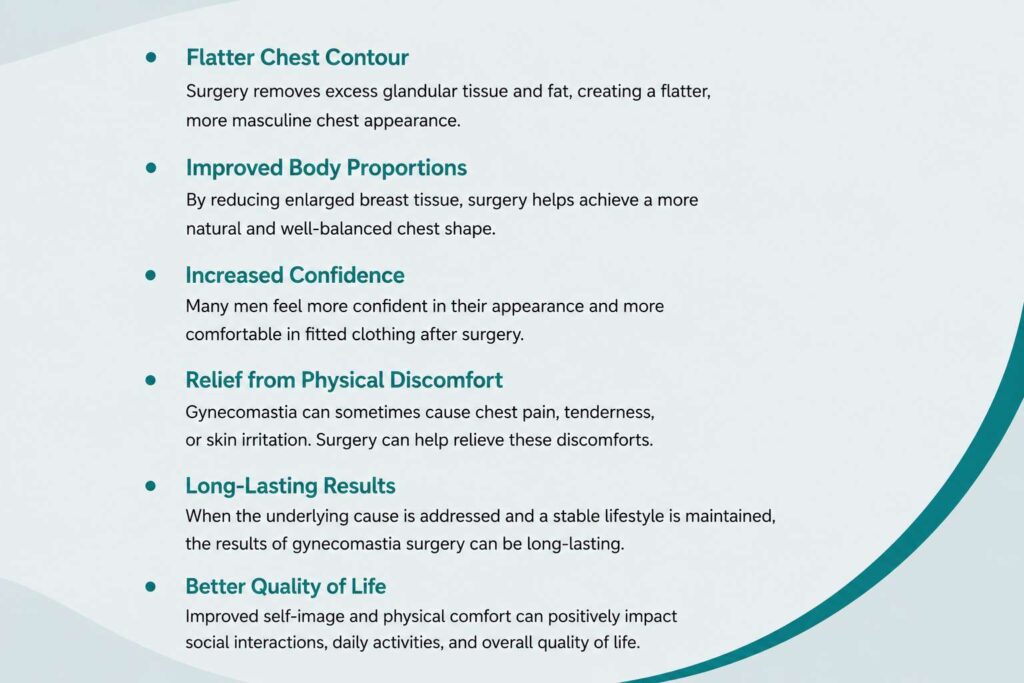
Gynecomastia surgery can offer several potential benefits when appropriately performed.
These may include:
- A flatter chest contour
- Reduction of excess breast tissue
- Improved chest proportions
- Greater confidence in fitted clothing
- Reduced self-consciousness
- Long-lasting correction
- Better body contour in suitable patients
The results vary between individuals, and realistic expectations are important before treatment.
Can Gynecomastia Come Back After Surgery
Although surgery can permanently remove the treated glandular tissue, certain situations can cause renewed chest fullness.
Potential factors include:
- Significant weight gain
- New hormonal imbalance
- Certain medications
- Use of substances associated with hormonal changes
- Underlying medical conditions
- Residual or newly developed tissue
A recurrence of noticeable chest enlargement after surgery should be evaluated rather than assumed to be a failure of the original procedure.
How to Maintain Gynecomastia Surgery Results
Long-term care can help preserve the appearance of the chest.
Maintain a Stable Weight
Avoiding major fluctuations in weight can reduce the likelihood of significant new fat accumulation around the chest.
Follow a Balanced Diet
A nutritious diet can support healthy body composition and overall well-being.
Focus on a balanced intake of protein, vegetables, fruits, whole grains, and healthy fats while limiting excessive highly processed foods.
Exercise Regularly
Once fully cleared for physical activity, regular exercise can help maintain body composition.
Strength training may improve overall muscle development, while cardiovascular activity can support general fitness.
Review Medications When Appropriate
If gynecomastia develops or changes after starting a medication, discuss the situation with a healthcare professional. Do not stop prescribed medication without medical advice.
Address Underlying Hormonal Problems
If a hormonal or medical condition contributed to gynecomastia, treating the underlying issue may be important for long-term results.
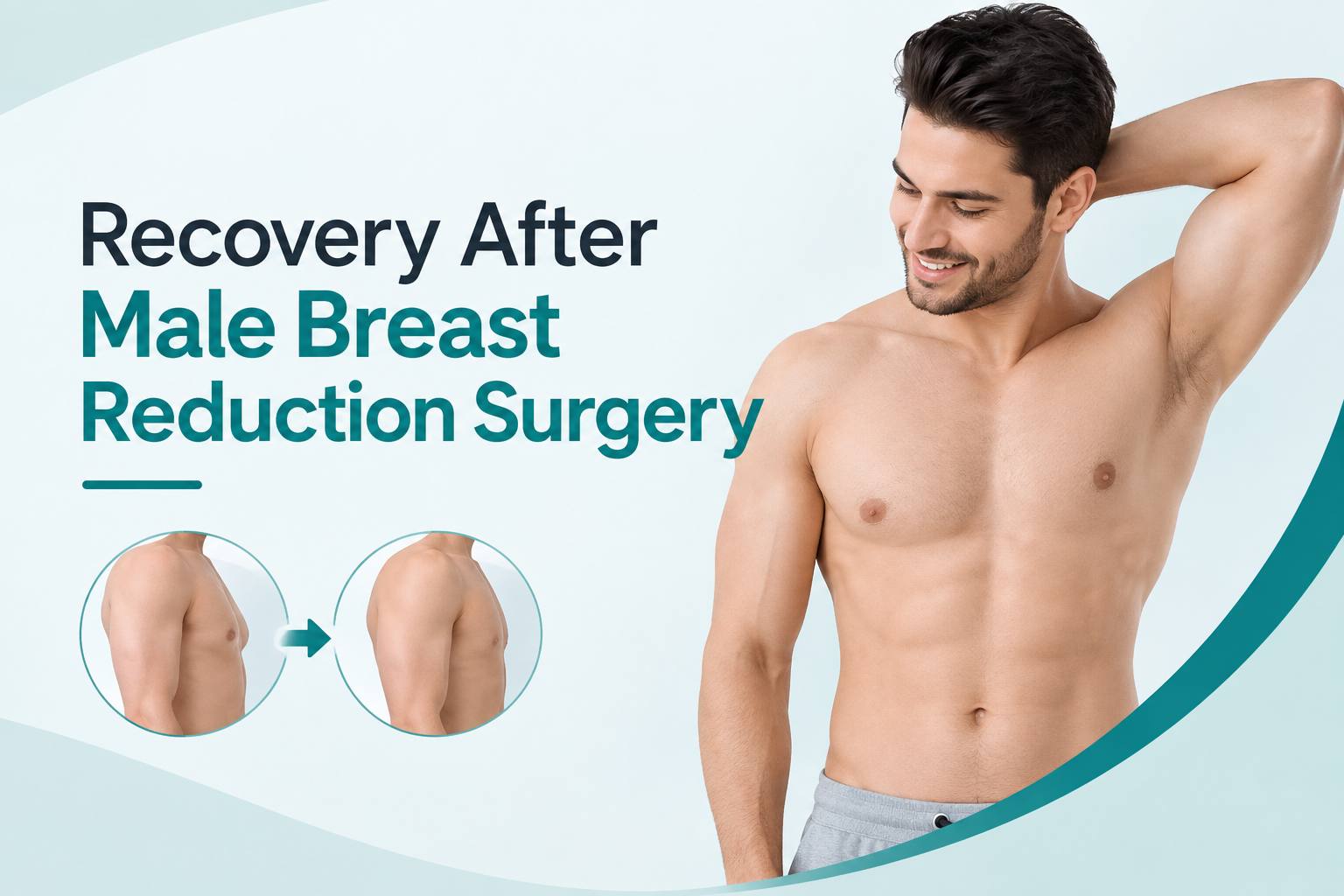
What Should You Expect During Recovery
Recovery varies depending on the extent of treatment and the individual’s healing process.
Swelling, bruising, tightness, and temporary changes in sensation can occur after surgery.
The chest may not immediately have its final appearance. As swelling decreases and tissues heal, the contour generally becomes more defined.
Patients should follow their postoperative instructions carefully and avoid rushing back into strenuous exercise.
How Long Do Gynecomastia Surgery Results Last
For many suitable patients, the results can last for many years and may be considered permanent regarding the tissue that was surgically removed.
However, the natural aging process continues. Changes in weight, hormones, skin elasticity, and overall body composition can affect the appearance of the chest over time.
Therefore, the most accurate answer to is gynecomastia surgery permanent is that surgery can provide a permanent reduction of the treated tissue, while the overall appearance can still change due to future biological or lifestyle factors.
Tips Before Choosing Surgery
Before deciding on treatment, consider the following:
- Understand whether the enlargement is glandular tissue, fat, or both.
- Discuss possible underlying causes.
- Review your medical and medication history.
- Ask what surgical approach may be appropriate.
- Understand expected recovery time.
- Discuss potential risks and complications.
- Ask about realistic long-term results.
- Follow all preoperative and postoperative instructions.
A detailed consultation can help determine whether surgery is appropriate for your specific situation.
Conclusion
So, is gynecomastia surgery permanent? In most suitable patients, surgery can provide a long-lasting and often permanent correction because the excess glandular tissue that is removed does not normally regenerate. However, the appearance of the chest can still change because of significant weight gain, hormonal changes, medications, medical conditions, or natural aging.
Maintaining a stable weight, following postoperative instructions, staying physically active after recovery, and addressing underlying causes can all help protect the result. Anyone considering surgery should have an individual assessment to understand the cause of the condition and the most appropriate treatment approach.
For men considering treatment in Kerala, understanding these factors can help set realistic expectations and support better long-term decision-making. For reliable information about gynecomastia and its treatment, you can refer to the Mayo Clinic’s gynecomastia overview.
Frequently Asked Questions

Dr Prince
Consultant Plastic & Cosmetic Surgeon
Dr Prince is a Consultant Plastic and Reconstructive Surgeon at the Sushrutha Institute of Plastic Surgery, Elite Mission Hospital, Thrissur. He specializes in aesthetic and reconstructive procedures performed in a fully equipped hospital environment with strict safety protocols.
His expertise includes liposuction, rhinoplasty, gynecomastia correction, tummy tuck, breast surgery, and advanced facial aesthetic procedures, with a focus on safe techniques and natural-looking results.
Sushrutha Institute of Plastic Surgery, Elite Mission Hospital, Thrissur, Kerala