
Can exercise cure gynecomastia? Learn the difference between glandular gynecomastia and chest fat, how exercise and weight loss may help, and when other treatments may be considered.

WHAT HAPPENS DURING GYNECOMASTIA
Learn what happens during gynecomastia, from preoperative preparation and anesthesia to liposuction, tissue removal, and incision closure.
Understand recovery, benefits, risks, aftercare, and frequently asked questions before considering male breast reduction.

RECOVERY AFTER MALE BREAST REDUCTION SURGERY
Learn what to expect during recovery after male breast reduction surgery, including swelling, wound care, compression garments, exercise, nutrition, and scar care.
Follow practical recovery tips and understand common symptoms, activity restrictions, warning signs, and frequently asked questions.
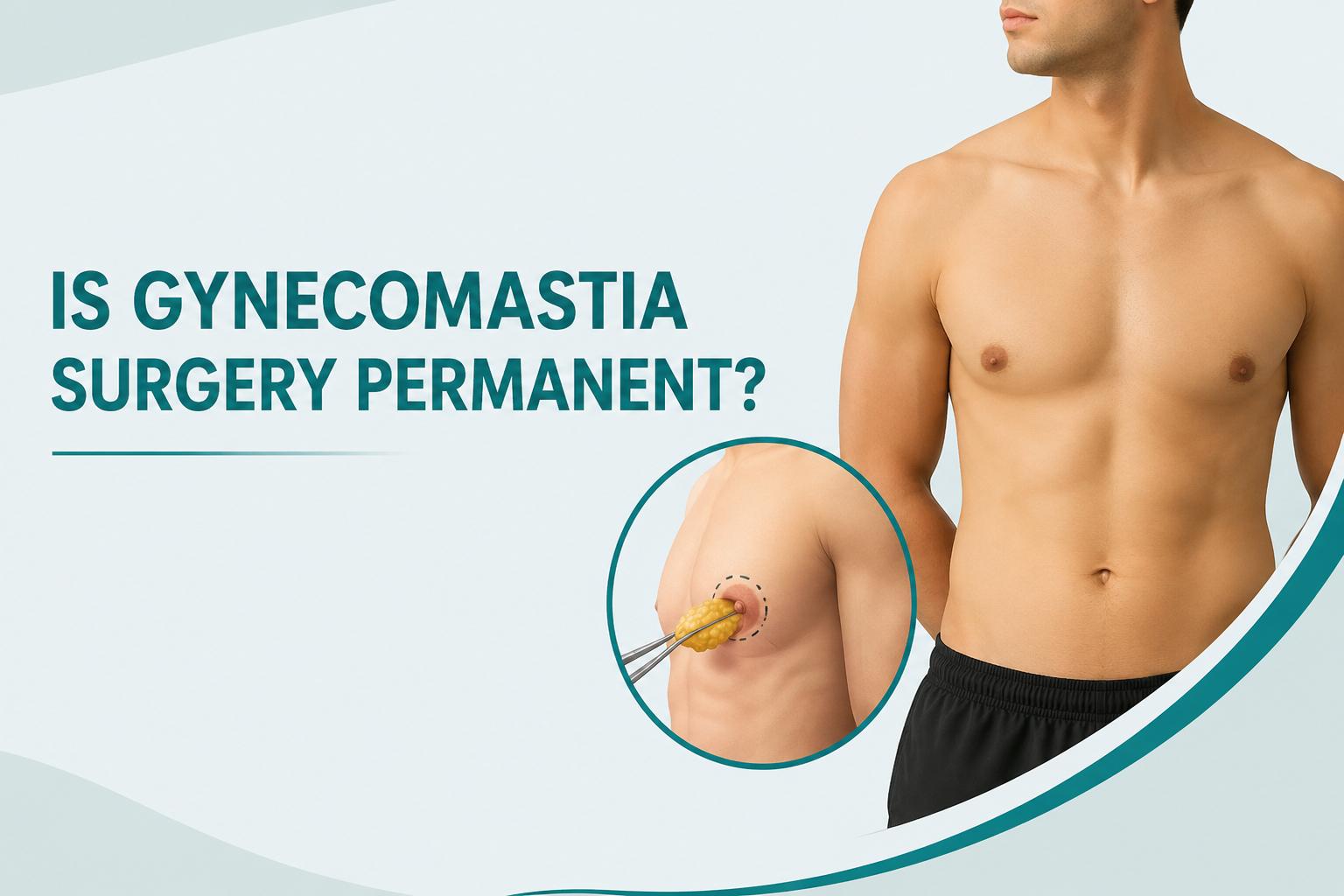
IS GYNECOMASTIA SURGERY PERMANENT
Is gynecomastia surgery permanent? Learn how surgery can provide long-lasting results and what factors such as weight, hormones, lifestyle, and aftercare can affect them.

Best Treatment for Male Breast Enlargement
Learn about the best treatment for male breast enlargement, including diagnosis, surgical options, recovery, and long-term chest contour improvement.

Who Is the Best Doctor for Gynecomastia
Who is the best doctor for gynecomastia depends on qualifications, experience, ethical consultation, and expertise in male chest contour treatment.

When to Consult a Gynecomastia Surgeon
Many men experience chest fullness or enlargement at some point in life. While mild chest changes may sometimes improve naturally, persistent enlargement can affect confidence, body image, clothing choices, and emotional comfort. Understanding when to consult a gynecomastia surgeon helps individuals recognize important symptoms and seek professional evaluation at the right time. Gynecomastia refers to enlargement of male breast tissue caused by hormonal imbalance, gland tissue growth, fat accumulation, or a combination of factors. Some individuals experience temporary changes during puberty, while others develop long-term chest enlargement that does not improve with exercise or weight loss. This detailed guide explains when to consult a gynecomastia surgeon, common symptoms, treatment options, warning signs, emotional effects, recovery expectations, and the importance of professional medical assessment. Understanding Gynecomastia Before discussing when to consult a gynecomastia surgeon, it is important to understand the condition itself. Gynecomastia involves enlargement of male chest tissue due to: Hormonal imbalance Enlarged gland tissue Excess fat accumulation Certain medications Genetics Medical conditions The condition may affect: Teenagers Young adults Middle-aged men Older individuals Chest enlargement may occur on one side or both sides and can vary in severity. Common Signs of Gynecomastia Recognizing symptoms helps patients understand when to consult a gynecomastia surgeon. Persistent Chest Enlargement Long-term chest fullness that does not improve over time may require evaluation. Puffy Nipples Enlarged or protruding nipple appearance may indicate gland tissue growth. Firm Tissue Beneath the Nipple Some individuals notice firm tissue beneath the nipple area instead of soft fat. Chest Tenderness Mild tenderness or sensitivity may occur in some cases. Uneven Chest Appearance Asymmetrical chest contour may affect confidence and body balance. When to Consult a Gynecomastia Surgeon Understanding when to consult a gynecomastia surgeon helps patients seek timely medical guidance. Chest Enlargement Persists for a Long Time Temporary chest enlargement during puberty may improve naturally. However, persistent enlargement lasting many months or years may require professional evaluation. Exercise and Weight Loss Do Not Improve the Chest Some individuals maintain healthy weight and regular exercise habits but still notice chest fullness because of gland tissue enlargement. Emotional or Social Discomfort Develops Many men experience embarrassment, low confidence, or discomfort wearing fitted clothing because of chest enlargement. Chest Pain or Tenderness Occurs Painful or sensitive chest tissue may require medical assessment to identify underlying causes. Rapid Chest Changes Happen Sudden enlargement or noticeable changes should be professionally evaluated. Uneven Enlargement Appears Significant asymmetry between the two sides of the chest may require examination. Puberty and Gynecomastia Teenage boys commonly experience temporary hormonal changes. Temporary Pubertal Changes Hormonal fluctuations during puberty may cause temporary chest enlargement. When to Seek Medical Advice Consultation may be helpful when: Enlargement persists for several years Emotional distress increases Pain develops Chest growth becomes more noticeable Professional guidance can help teenagers and families understand the condition better. Emotional Effects of Gynecomastia One reason many individuals explore when to consult a gynecomastia surgeon is emotional discomfort. Reduced Self-Confidence Some men avoid fitted clothing or social activities because of chest appearance. Body Image Concerns Persistent chest enlargement may affect self-esteem and personal confidence. Social Anxiety Swimming, gym activities, and public situations may become uncomfortable. Emotional Stress Long-term dissatisfaction with chest appearance may affect emotional well-being. Professional consultation may help patients better understand treatment options and expectations. Causes of Gynecomastia Understanding causes also helps explain when to consult a gynecomastia surgeon. Hormonal Imbalance Changes between testosterone and estrogen levels commonly contribute to gland growth. Weight Gain Excess fat accumulation may increase chest fullness. Medications Some medications may affect hormone balance. Steroid Use Anabolic steroids may contribute to male breast tissue enlargement. Medical Conditions Liver disease, thyroid disorders, and hormonal problems may influence chest tissue growth. Difference Between Fat and Gland Tissue Many patients are unsure whether chest fullness involves fat or gland enlargement. Fat-Related Chest Fullness Often softer and associated with weight gain. Glandular Gynecomastia Usually firmer beneath the nipple area and may persist despite exercise. Professional examination helps determine the underlying cause. What Happens During Consultation Knowing what to expect helps patients feel more comfortable when deciding when to consult a gynecomastia surgeon. Medical History Review Doctors evaluate: Symptoms Duration of enlargement Medications Lifestyle habits Medical conditions Physical Examination The surgeon examines chest tissue, skin elasticity, and chest contour. Discussion of Treatment Options Patients learn about: Lifestyle changes Weight management Surgical options Recovery expectations Personalized Assessment Every treatment plan depends on individual chest condition and goals. Treatment Options for Gynecomastia Treatment depends on the cause and severity of enlargement. Lifestyle Modification Healthy habits may help some individuals improve fat-related chest fullness. Weight Management Weight stability may improve body contour and overall chest appearance. Hormonal Evaluation Underlying hormonal conditions may require medical treatment. Gynecomastia Surgery Persistent gland enlargement may require surgical correction. Gynecomastia Surgery Overview Some patients consulting a surgeon may benefit from chest contour procedures. Liposuction Removes excess chest fat. Gland Tissue Removal Targets firm glandular tissue beneath the nipple. Combination Procedures Some patients require both fat removal and gland excision. The treatment plan varies based on chest composition and patient goals. Recovery After Gynecomastia Surgery Understanding recovery helps patients feel prepared. Early Recovery Patients may experience: Swelling Bruising Mild discomfort Tightness Compression Garments Compression garments help support healing and reduce swelling. Gradual Improvement Chest contour continues improving over several months. Are Results Permanent Results are often long-lasting when patients maintain: Stable weight Healthy lifestyle habits Hormonal balance Avoiding steroid use and maintaining fitness may support long-term chest contour results. Risks and Safety Considerations Like all procedures, gynecomastia surgery involves standard surgical risks. Possible risks may include: Swelling Bruising Temporary numbness Minor asymmetry Fluid collection Delayed healing Choosing a qualified surgeon and accredited medical facility supports safer treatment planning. Lifestyle Habits That May Help Healthy habits may improve chest health and support treatment outcomes. Exercise Regularly Physical activity supports body composition. Maintain Healthy Weight Weight stability may help reduce fat-related chest fullness. Avoid Steroids Steroids may contribute to hormonal imbalance and recurrence. Eat Balanced Meals Healthy nutrition supports
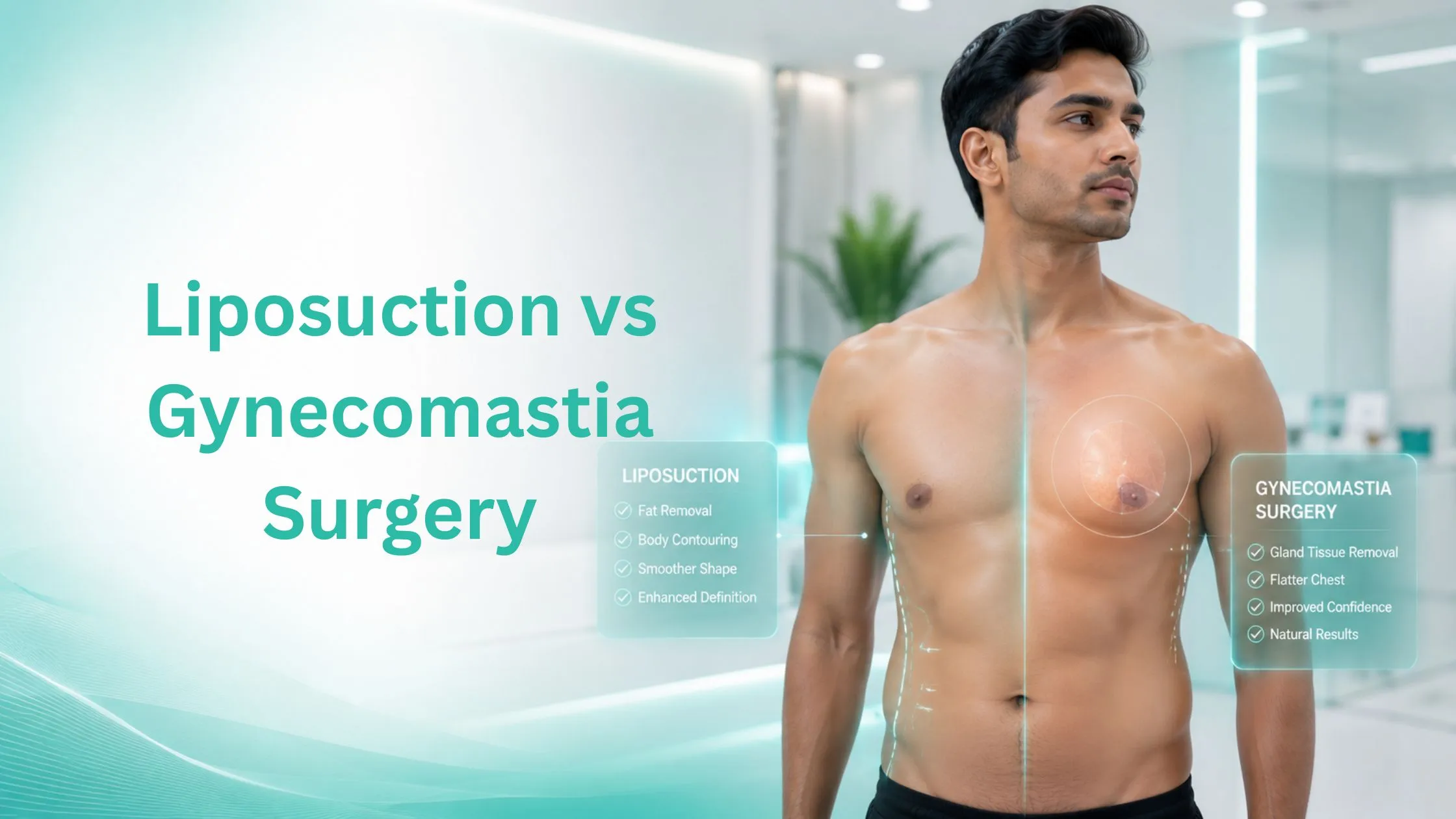
Liposuction vs Gynecomastia Surgery
Liposuction vs gynecomastia surgery is a common comparison among men seeking treatment for enlarged male chest tissue. Many individuals notice chest fullness that affects confidence, clothing fit, and body contour. However, not all chest enlargement is caused by the same condition. Some men have excess chest fat, while others develop enlarged gland tissue that may require a different treatment approach. Understanding liposuction vs gynecomastia surgery helps patients make informed decisions about treatment options and expected outcomes. While both procedures aim to improve chest contour, they work differently depending on the underlying cause of male chest enlargement. This detailed guide explains liposuction vs gynecomastia surgery, including procedure differences, benefits, recovery, ideal candidates, long-term expectations, and factors affecting treatment selection. Understanding Male Chest Enlargement Before comparing liposuction vs gynecomastia surgery, it is important to understand the causes of male chest enlargement. Male chest fullness may occur because of: Excess fat accumulation Enlarged gland tissue Hormonal imbalance Weight gain Genetics Certain medications Combination of fat and gland tissue Some men mainly have fatty chest enlargement, while others develop true gynecomastia involving glandular tissue growth beneath the nipple area. Professional consultation helps identify the exact cause before selecting treatment. What Is Liposuction Liposuction is a body contouring procedure designed to remove excess fat deposits from specific areas of the body. How Liposuction Works Small incisions are made, and a thin tube called a cannula removes excess fat from the chest area. Purpose of Liposuction Liposuction primarily treats: Fat accumulation Soft chest fullness Body contour imbalance Chest Contour Improvement The procedure may help create a flatter and more sculpted chest appearance in suitable patients. What Is Gynecomastia Surgery Gynecomastia surgery focuses on removing enlarged gland tissue from the male chest. Gland Tissue Removal Firm gland tissue beneath the nipple area is surgically removed to improve chest contour. Combined Approach Some patients require: Liposuction Gland excision Skin tightening Goal of Gynecomastia Surgery The treatment aims to improve chest contour while reducing gland enlargement and nipple puffiness. Liposuction vs Gynecomastia Surgery: Main Difference Liposuction and gynecomastia surgery are both used to improve male chest contour, but they treat different types of chest enlargement. Liposuction mainly removes excess fat deposits from the chest and is often suitable for men with soft fatty chest fullness caused by weight gain or fat accumulation. It is generally considered less invasive because it focuses on fat removal through small incisions. However, liposuction alone may not effectively remove firm gland tissue associated with true gynecomastia. Gynecomastia surgery, on the other hand, specifically targets enlarged gland tissue beneath the nipple area and is more suitable for patients with persistent gland enlargement or firm chest tissue. In many cases, surgeons may combine liposuction with gland excision to achieve smoother and more balanced chest contour results. Who Is a Suitable Candidate for Liposuction Liposuction may be suitable for: Men with excess chest fat Individuals with stable weight Patients with good skin elasticity Men without significant gland enlargement Signs Fat May Be the Main Problem Patients may notice: Softer chest tissue Weight-related chest fullness General body fat accumulation A medical evaluation helps determine suitability. Who Is a Suitable Candidate for Gynecomastia Surgery Gynecomastia surgery may be suitable for: Men with firm gland tissue Persistent nipple puffiness Chest enlargement not improving with exercise Long-term gynecomastia symptoms Signs of Glandular Gynecomastia Symptoms may include: Firm tissue beneath nipples Tenderness Persistent chest fullness Uneven chest appearance Professional consultation helps confirm the diagnosis. Can Liposuction Treat Gynecomastia This is one of the most important questions in the liposuction vs gynecomastia surgery discussion. Liposuction Limitations Liposuction removes fat but may not effectively remove firm gland tissue. Combination Procedures Some patients benefit from both: Fat removal Gland excision Treatment depends on the chest composition and severity of enlargement. Recovery After Liposuction Recovery after liposuction is often gradual. Common Recovery Symptoms Patients may experience: Swelling Bruising Mild discomfort Temporary tightness Compression Garments Compression garments support healing and reduce swelling. Return to Activities Many patients gradually resume daily activities within a few weeks. Recovery After Gynecomastia Surgery Recovery after gynecomastia surgery may involve additional healing depending on gland removal. Early Recovery Patients may notice: Swelling Tightness Mild soreness Temporary numbness Healing Timeline Chest contour continues improving over several months. Recovery Support Proper aftercare helps support smoother healing and long-term contour results. Results of Liposuction vs Gynecomastia Surgery Understanding results helps patients compare liposuction vs gynecomastia surgery more effectively. Liposuction Results Liposuction may improve: Fat reduction Chest contour Body balance Gynecomastia Surgery Results Gynecomastia surgery may improve: Gland removal Chest flattening Nipple puffiness Long-term chest contour The best procedure depends on the underlying cause of chest enlargement. Are Results Permanent Long-term outcomes depend on: Stable weight Healthy lifestyle Hormonal balance Exercise habits Liposuction Results Fat cells removed through liposuction are generally long-lasting if weight remains stable. Gynecomastia Surgery Results Gland removal results are often long-lasting when hormonal conditions remain stable. Scarring Differences Liposuction Scars Small scars may occur near incision sites. Gynecomastia Surgery Scars Scars depend on: Incision placement Amount of gland removal Skin healing Most scars gradually fade with time and proper care. Importance of Compression Garments Compression garments help: Reduce swelling Support chest contour Improve comfort Assist healing Patients are usually advised to wear them during the recovery phase. Emotional Benefits of Treatment Both procedures may improve: Self-confidence Body image Clothing comfort Social confidence Exercise comfort Many patients report positive emotional changes after recovery. Risks and Safety Considerations Both liposuction and gynecomastia surgery involve standard surgical risks. Possible risks may include: Swelling Bruising Temporary numbness Fluid collection Minor asymmetry Delayed healing Choosing a qualified plastic surgeon and accredited medical facility helps support patient safety. Lifestyle Habits That Support Better Results Healthy habits can help maintain long-term outcomes. Maintain Stable Weight Weight fluctuations may affect chest contour. Exercise Regularly Fitness supports body composition and muscle tone. Avoid Steroid Use Steroids may contribute to gynecomastia recurrence. Follow Medical Instructions Proper aftercare supports smoother healing. How Doctors Decide Between Liposuction vs Gynecomastia Surgery Doctors evaluate: Chest

Reasons for Male Breast Growth
Reasons for male breast growth may include hormonal imbalance, weight gain, medications, puberty changes, and lifestyle-related factors affecting chest tissue.

Results of Gynecomastia Treatment
Results of gynecomastia treatment may include flatter chest contour, improved confidence, better body balance, and long-term chest improvement after recovery.