Male breast growth is a common condition that affects many men at different stages of life. Some individuals notice mild chest fullness, while others experience more visible enlargement that may affect confidence and body image. Understanding the reasons for male breast growth helps individuals recognize possible causes and seek proper medical evaluation when needed.
Male breast growth can happen because of hormonal changes, excess fat accumulation, gland tissue enlargement, certain medications, medical conditions, or lifestyle factors. In many cases, the condition is temporary, while some individuals may develop persistent gynecomastia requiring professional assessment.
This detailed guide explains the most common reasons for male breast growth, associated symptoms, risk factors, treatment options, and preventive lifestyle measures.
Understanding Male Breast Growth
Male breast growth refers to enlargement of chest tissue in males. This condition may involve:
- Excess fat accumulation
- Enlarged gland tissue
- Hormonal imbalance
- Combination of fat and gland growth
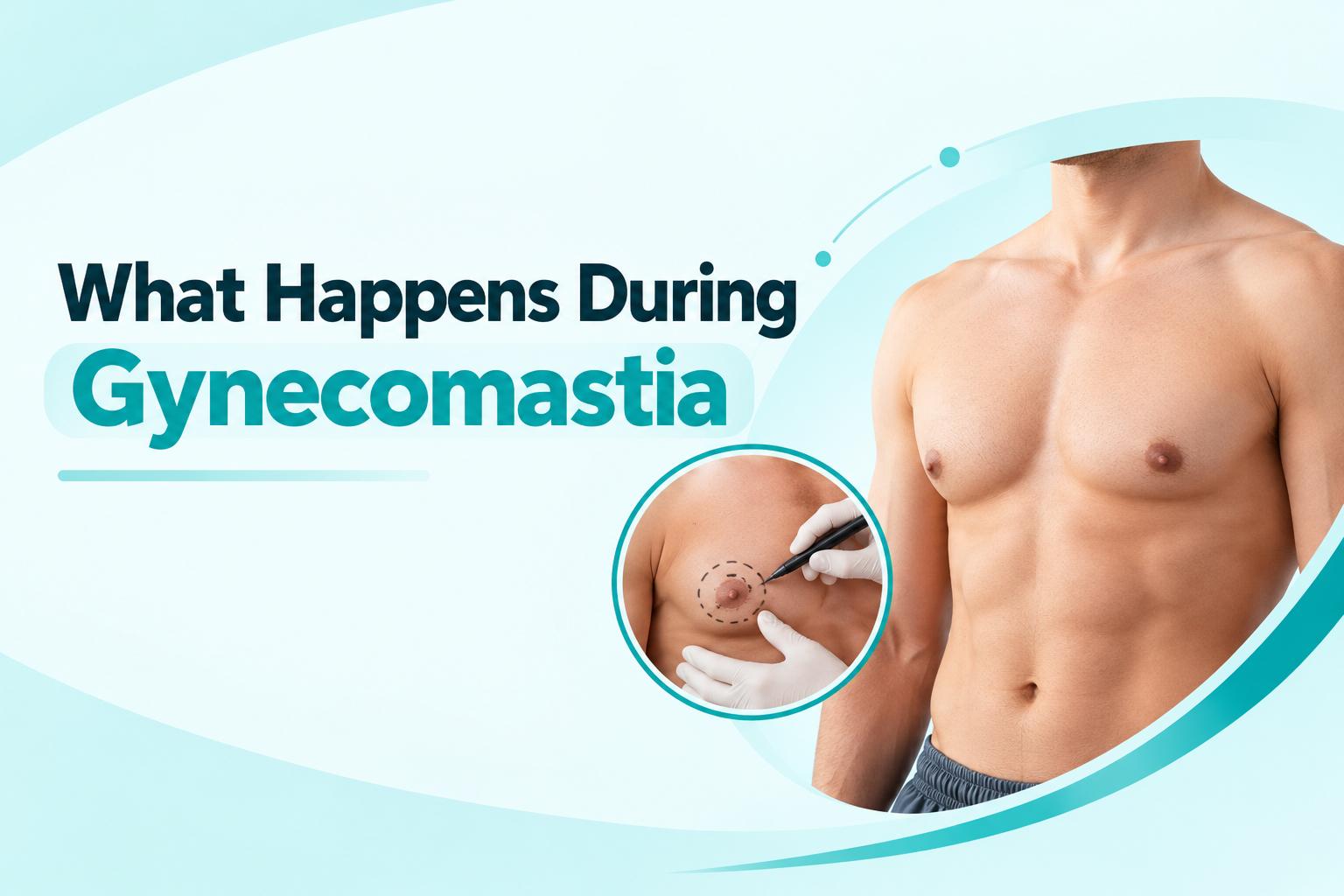
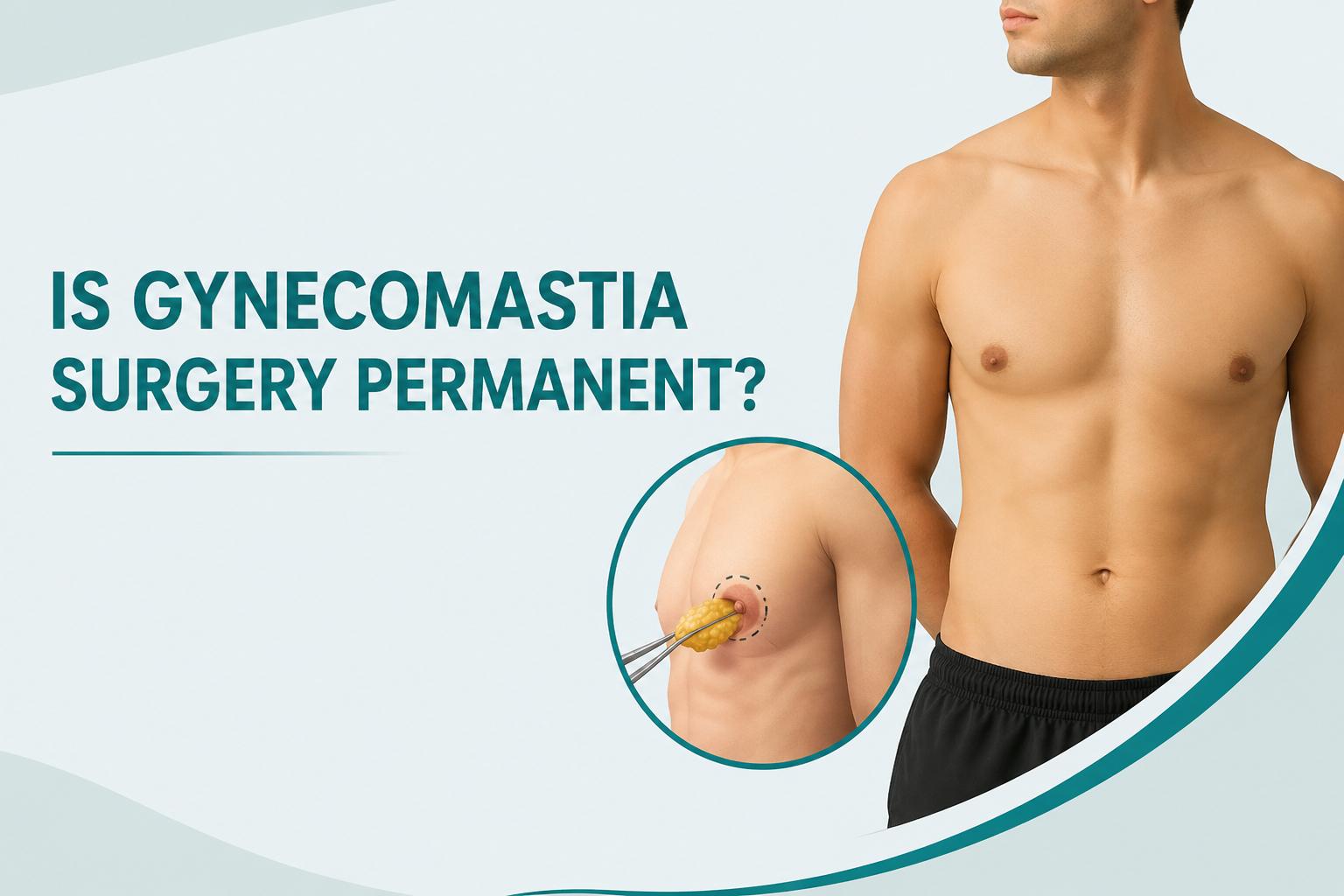
The medical term commonly associated with male breast growth is gynecomastia.
The condition may affect:
- Teenagers
- Young adults
- Middle-aged men
- Older individuals
Severity varies from mild puffiness around the nipples to more noticeable chest enlargement.
Hormonal Imbalance and Male Breast Growth
One of the most common reasons for male breast growth is hormonal imbalance.
Role of Hormones
Male hormones and female hormones both exist naturally in the body. Problems may occur when:
- Testosterone levels decrease
- Estrogen levels increase
- Hormone balance changes
This imbalance may stimulate breast tissue growth in males.
Puberty-Related Hormonal Changes
Teenagers commonly experience temporary hormonal fluctuations during puberty. In many cases, chest enlargement improves naturally over time.
Aging and Hormonal Changes
Hormone levels may change with aging, contributing to male breast growth in older adults.
Weight Gain and Excess Fat Accumulation
Weight gain is another major reason for male breast growth.
Fat Storage in the Chest Area
Excess body fat may accumulate around the chest, creating enlarged chest appearance.
Pseudogynecomastia
Some men develop chest fullness mainly because of fat accumulation rather than gland enlargement.
Importance of Healthy Weight
Maintaining stable weight may help reduce fat-related chest enlargement.
Medications That May Cause Male Breast Growth
Certain medications are associated with male breast growth.
Examples may include:
- Hormonal medications
- Steroid use
- Some psychiatric medications
- Certain ulcer medications
- Heart medications
Medication-related hormonal changes may affect chest tissue development.
Patients should consult healthcare professionals before stopping prescribed medications.
Steroid Use and Bodybuilding Supplements
Anabolic steroid use is among the important reasons for male breast growth.
Hormonal Effects of Steroids
Steroids may interfere with natural testosterone balance and increase estrogen activity.
Supplement Risks
Some bodybuilding supplements may contain hormonal substances affecting chest tissue growth.
Importance of Safe Fitness Practices
Professional guidance is important before using performance-enhancing substances.
Liver and Kidney Conditions
Some medical conditions may contribute to hormonal imbalance.
Liver Problems
The liver plays a role in hormone metabolism. Liver disorders may affect hormone regulation.
Kidney Disease
Kidney problems may also influence hormonal balance and contribute to chest enlargement.
Medical evaluation is important when male breast growth appears alongside other symptoms.
Thyroid Disorders
Overactive thyroid conditions may increase hormone-related changes associated with male breast growth.
Symptoms may include:
- Weight changes
- Fatigue
- Sweating
- Rapid heartbeat
Thyroid evaluation may help identify underlying hormonal causes.
Genetic Factors
Some individuals may have genetic predisposition contributing to male breast growth.
Family history and inherited hormonal tendencies may influence chest tissue development.
Alcohol and Substance Use
Excessive alcohol use and recreational substances may affect hormone levels.
Alcohol
Heavy alcohol consumption may interfere with liver function and hormone regulation.
Recreational Drug Use
Certain substances may contribute to hormonal imbalance and chest enlargement.
Lifestyle modification may support overall hormonal health.
Stress and Lifestyle Factors
Chronic stress and poor lifestyle habits may indirectly affect hormone balance.
Poor Sleep
Sleep plays an important role in hormonal regulation.
Unhealthy Diet
Poor nutrition may contribute to obesity and hormone imbalance.
Sedentary Lifestyle
Low physical activity levels may increase fat accumulation.
Healthy lifestyle habits support overall wellness and body balance.
Male Breast Growth During Puberty
Puberty-related chest enlargement is common among teenage boys.
Temporary Hormonal Changes
Hormonal fluctuations during adolescence may cause temporary breast tissue growth.
Duration
In many teenagers, the condition improves naturally within months or years.
Emotional Impact
Teenagers may experience embarrassment or reduced confidence because of chest changes.
Supportive medical guidance may help families understand the condition better.
Symptoms Associated With Male Breast Growth
Common symptoms may include:
- Chest fullness
- Tenderness
- Swelling beneath the nipple
- Puffy nipples
- Uneven chest appearance
Some individuals experience only cosmetic concerns, while others notice physical discomfort.
When to Seek Medical Evaluation
Professional consultation may be helpful when:
- Chest enlargement persists
- Pain develops
- Rapid growth occurs
- One side appears significantly different
- Nipple discharge occurs
- Emotional distress increases
Proper medical evaluation helps identify possible underlying causes.
Diagnosis of Male Breast Growth
Doctors may evaluate:
- Medical history
- Hormonal factors
- Medication use
- Lifestyle habits
- Physical examination
Additional tests may include:
- Blood tests
- Hormone analysis
- Imaging studies
Diagnosis helps determine the most suitable treatment approach.
Treatment Options for Male Breast Growth
Treatment depends on the underlying cause.
Lifestyle Changes
Some patients improve with:
- Weight management
- Exercise
- Healthy eating
- Avoiding alcohol or steroids
Medication Adjustment
Doctors may review medications contributing to hormonal imbalance.
Hormonal Management
Underlying hormonal conditions may require medical treatment.
Gynecomastia Surgery
Persistent gland enlargement may require surgical correction in some patients.
Emotional Effects of Male Breast Growth
Male breast growth may affect:
- Self-confidence
- Social comfort
- Clothing choices
- Body image
- Participation in activities
Emotional well-being is an important part of patient care and recovery planning.
Can Exercise Reduce Male Breast Growth
Exercise may help reduce fat-related chest enlargement.
Strength Training
Chest exercises may improve muscle tone.
Cardio Workouts
Physical activity supports overall fat reduction.
Limitations
Exercise alone may not remove enlarged gland tissue.
Professional assessment helps determine whether chest enlargement involves fat, gland tissue, or both.
Preventing Male Breast Growth
Not all causes are preventable, but healthy habits may help reduce risk.
Maintain Healthy Weight
Weight stability supports hormonal balance.
Avoid Steroid Use
Avoiding unnecessary hormonal substances may reduce risk.
Exercise Regularly
Regular activity supports body composition and wellness.
Limit Alcohol Consumption
Moderate alcohol intake may support liver and hormonal health.
Seek Early Medical Advice
Early evaluation helps identify underlying causes sooner.
Myths About Male Breast Growth
Myth: Only Overweight Men Develop It
Hormonal imbalance may affect individuals of different body types.
Myth: Exercise Always Solves the Problem
Exercise may not remove gland tissue enlargement.
Myth: Male Breast Growth Is Rare
The condition is relatively common among males of different age groups.
Myth: Surgery Is Always Necessary
Some cases improve naturally or respond to lifestyle modification.
Long-Term Outlook
The long-term outcome depends on:
- Underlying cause
- Hormonal balance
- Weight management
- Lifestyle habits
- Medical treatment
Many individuals successfully manage symptoms through medical care and healthy living.
Conclusion
There are many possible reasons for male breast growth, including hormonal imbalance, weight gain, medications, puberty changes, lifestyle factors, and certain medical conditions. Understanding these causes helps individuals recognize symptoms early and seek appropriate medical evaluation when necessary.
While some cases improve naturally, persistent chest enlargement may require professional consultation and personalized treatment planning. Healthy lifestyle habits, stable weight management, and proper medical guidance all play important roles in supporting long-term chest health and confidence.
For additional educational information about gynecomastia and male breast conditions, visit the American Society of Plastic Surgeons.
Frequently Asked Questions
1. What are the common reasons for male breast growth?
Hormonal imbalance, weight gain, medications, puberty changes, and certain medical conditions are common causes of male breast growth.
2. Is male breast growth always gynecomastia?
No, some men develop chest fullness because of excess fat accumulation rather than enlarged gland tissue.
3. Can puberty cause male breast growth?
Yes, temporary hormonal changes during puberty commonly cause chest enlargement in teenage boys.
4. Can weight gain increase male breast growth?
Yes, excess fat accumulation in the chest area may contribute to enlarged chest appearance in men.
5. Do medications cause male breast growth?
Certain medications may affect hormone balance and contribute to male breast tissue enlargement.
6. Can exercise reduce male breast growth?
Exercise may help reduce chest fat, but gland tissue enlargement may not improve fully with workouts alone.
7. Is male breast growth harmful?
Male breast growth is often not dangerous, but persistent or painful enlargement should be medically evaluated.
8. When should I consult a doctor for male breast growth?
Consult a doctor if chest enlargement persists, becomes painful, or changes rapidly over time.
9. Can hormonal imbalance cause male breast growth?
Yes, imbalance between testosterone and estrogen levels is one of the leading causes of gynecomastia.
10. Is surgery necessary for male breast growth?
Not always. Treatment depends on the underlying cause, severity, and whether gland tissue enlargement persists.

Dr Prince
Consultant Plastic & Cosmetic Surgeon
Dr Prince is a Consultant Plastic and Reconstructive Surgeon at the Sushrutha Institute of Plastic Surgery, Elite Mission Hospital, Thrissur. He specializes in aesthetic and reconstructive procedures performed in a fully equipped hospital environment with strict safety protocols.
His expertise includes liposuction, rhinoplasty, gynecomastia correction, tummy tuck, breast surgery, and advanced facial aesthetic procedures, with a focus on safe techniques and natural-looking results.
Sushrutha Institute of Plastic Surgery, Elite Mission Hospital, Thrissur, Kerala