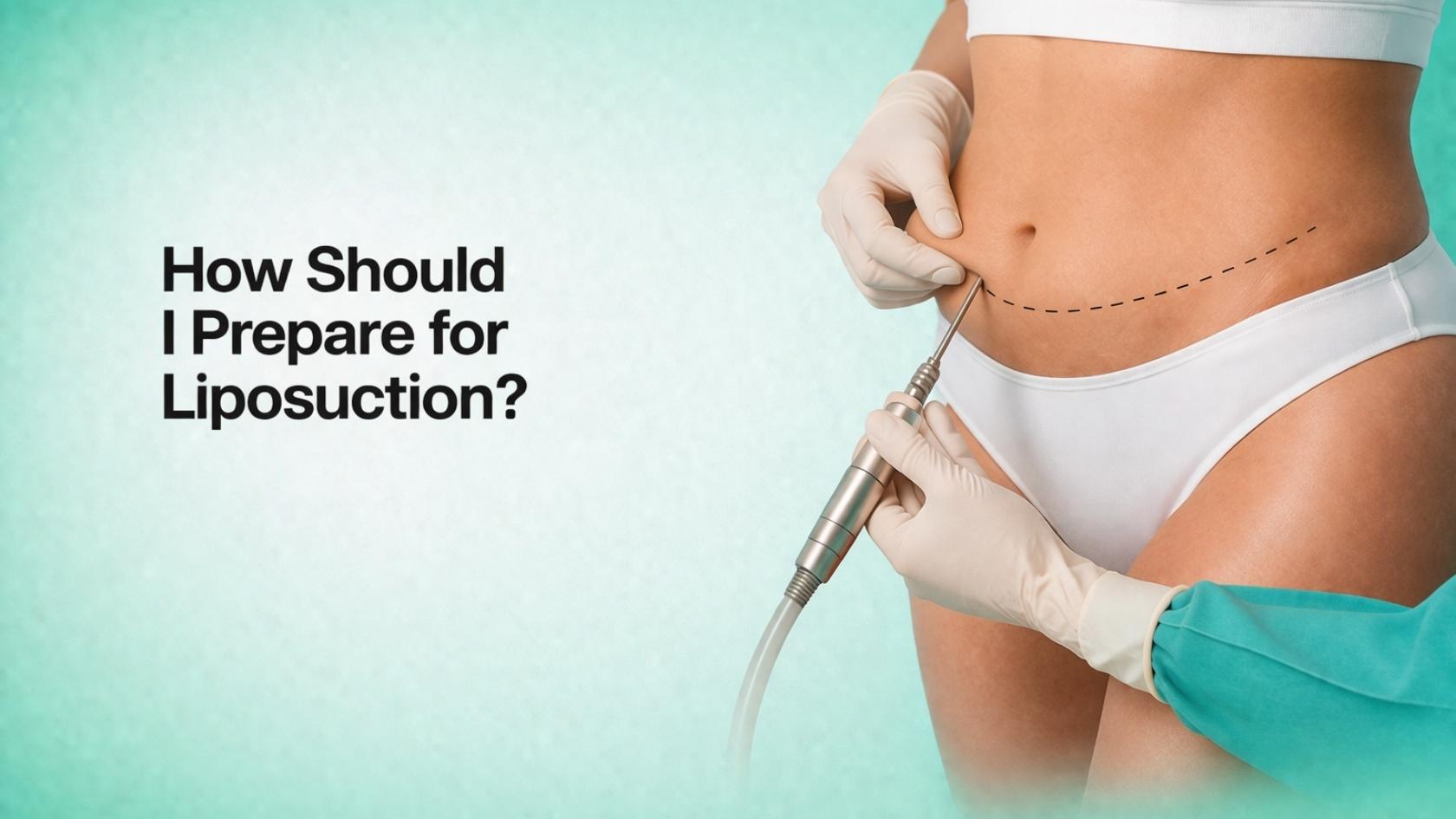
How should I prepare for liposuction? is one of the most common questions asked by people planning body-contouring surgery. Preparing properly for liposuction is essential to ensure a safe procedure, smooth recovery, and optimal body contouring results. Many individuals considering body fat removal treatments in Kerala focus primarily on the surgery itself, but the preparation phase plays an equally important role in achieving the desired outcome.
This comprehensive guide explains everything you need to do before liposuction — physically, medically, and mentally — so you can approach the procedure with confidence.
Understanding the Importance of Pre-Surgical Preparation
Liposuction is not a weight-loss solution but a body-contouring procedure. Proper preparation helps:
- Minimize surgical complications
- Reduce bleeding and infection risk
- Improve anesthesia safety
- Speed up recovery
- Enhance final results
- Reduce swelling and bruising
- Support skin retraction
Patients who follow pre-operative instructions closely often experience smoother healing and more predictable outcomes.
Medical Evaluation and Health Assessment
Before scheduling liposuction, a thorough medical evaluation is required to confirm that you are a suitable candidate.
Health Screening
You may undergo:
- Complete physical examination
- Blood tests
- Heart evaluation (if needed)
- Review of medical history
- Assessment of chronic conditions
- BMI evaluation
Individuals with uncontrolled diabetes, heart disease, bleeding disorders, or severe obesity may require additional precautions or may be advised against surgery.
Discuss Existing Medical Conditions
Inform the surgical team about:
- High blood pressure
- Thyroid disorders
- Asthma
- Previous surgeries
- Allergies
- History of blood clots
- Autoimmune conditions
Full transparency ensures personalized safety planning.
Medication Review and Adjustments
Certain medications and supplements can increase bleeding risk or interfere with anesthesia.
Medications to Avoid
Typically stopped 1–2 weeks before surgery:
- Aspirin and NSAIDs
- Blood thinners
- Vitamin E supplements
- Herbal supplements (ginkgo, ginseng, garlic, turmeric in high doses)
- Omega-3 fatty acids
- Some antidepressants
Never stop prescription medications without medical guidance.
Medications You May Be Prescribed
Before surgery, you might receive:
- Antibiotics (to prevent infection)
- Anti-inflammatory medications
- Pain management prescriptions
- Antiseptic body wash
Follow instructions precisely.
Achieving a Stable Body Weight
Liposuction results are best when performed on individuals close to their ideal body weight.
Why Weight Stability Matters
Significant weight fluctuations after surgery can:
- Alter contour results
- Cause uneven fat distribution
- Lead to skin laxity
- Reduce long-term satisfaction
Maintain a stable weight for at least 3–6 months before surgery.
Nutrition Preparation for Surgery
Your body needs optimal nutrition to heal efficiently.
Recommended Dietary Habits
Focus on:
- High-protein foods (for tissue repair)
- Fresh fruits and vegetables
- Whole grains
- Healthy fats
- Adequate hydration
Protein is particularly important because it supports wound healing and immune function.
Foods to Limit
Avoid excessive intake of:
- Sugary foods
- Processed snacks
- High-sodium foods
- Alcohol
- Fried foods
These can worsen inflammation and fluid retention.
Hydration Before Liposuction
Proper hydration improves circulation, skin elasticity, and recovery.
Hydration Tips
- Drink plenty of water daily
- Avoid dehydration from caffeine or alcohol
- Maintain electrolyte balance
- Continue hydration until instructed to fast
Good hydration also helps reduce post-operative swelling.
Smoking and Alcohol Restrictions
Smoking
Smoking significantly increases surgical risks because it:
- Reduces oxygen supply to tissues
- Delays wound healing
- Increases infection risk
- Raises chances of skin necrosis
- Affects anesthesia safety
Most patients are advised to stop smoking at least 4 weeks before and after surgery.
Alcohol
Alcohol can interfere with medications and increase bleeding risk. It is typically restricted for at least 1–2 weeks before the procedure.
Physical Preparation and Fitness
Being physically fit supports faster recovery.
Light Exercise
Continue moderate activity such as:
- Walking
- Stretching
- Light strength training
Avoid extreme workouts immediately before surgery to prevent muscle strain or fatigue.
Avoid New Intense Programs
Do not start aggressive fitness routines right before surgery, as this can lead to inflammation or injury.
Skin Preparation
Healthy skin improves healing and cosmetic results.
Pre-Operative Skin Care
- Keep skin clean and moisturized
- Avoid sunburn or tanning
- Treat any infections or rashes
- Do not shave surgical areas unless instructed
- Use prescribed antiseptic wash if provided
Damaged skin may delay surgery.
Mental and Emotional Preparation
Liposuction is both a physical and emotional journey.
Set Realistic Expectations
Understand that:
- Swelling can last for weeks or months
- Final results take time to appear
- Bruising is normal
- Temporary numbness may occur
- It is not a substitute for weight loss
Having realistic expectations prevents disappointment.
Manage Anxiety
Consider:
- Relaxation techniques
- Meditation or breathing exercises
- Adequate sleep
- Discussing concerns beforehand
A calm mindset improves the overall experience.
Preparing Your Home for Recovery
Creating a comfortable recovery space is essential.
Recovery Essentials
Prepare the following:
- Extra pillows for elevation
- Loose, comfortable clothing
- Compression garments (if provided)
- Easy-to-prepare meals
- Water bottles
- Medications within reach
- Entertainment items
Arrange commonly used items at waist level to avoid bending or stretching.
Arrange Transportation and Support
You will not be able to drive immediately after liposuction.
Assistance Needed
Plan for:
- Someone to drive you home
- A caregiver for the first 24–48 hours
- Help with daily activities
- Childcare or pet care if necessary
Having support significantly reduces stress.
Compression Garments Preparation
Compression garments are essential for shaping and healing.
Benefits
They help:
- Reduce swelling
- Improve contour
- Support tissues
- Prevent fluid accumulation
- Enhance comfort
Ensure you have the correct size and understand how to wear them.
Fasting Before Surgery
If general anesthesia or sedation is used, fasting is required.
Typical Instructions
- No solid food 6–8 hours before surgery
- Clear liquids allowed up to a certain time
- No chewing gum or candies
- Follow exact instructions provided
Failure to follow fasting rules can lead to surgery postponement.
Personal Hygiene on Surgery Day
Cleanliness reduces infection risk.
Day-of-Surgery Guidelines
- Shower using antibacterial soap
- Avoid lotions, perfumes, or deodorants
- Remove nail polish and makeup
- Do not wear jewelry
- Wear loose clothing
Comfortable front-opening clothes are ideal.
What to Bring on the Day of Surgery
Prepare a small bag with essentials:
- Identification documents
- Medical records
- List of medications
- Compression garment
- Comfortable clothing
- Sanitary supplies (if needed)
- Phone and charger
Avoid bringing valuables.
Understanding the Recovery Timeline
Knowing what to expect reduces anxiety.
Immediate Post-Operative Phase
You may experience:
- Swelling
- Bruising
- Mild pain
- Drainage from incision sites
- Temporary numbness
These are normal and gradually improve.
Gradual Improvement
Over weeks to months:
- Swelling subsides
- Skin tightens
- Contours become visible
- Energy levels return
Patience is essential.
Lifestyle Adjustments Before Surgery
Healthy habits improve outcomes.
Sleep
Aim for 7–9 hours of quality sleep nightly to support immune function.
Stress Management
Chronic stress can impair healing. Use relaxation techniques to maintain emotional balance.
Avoid Illness Exposure
Try to avoid infections before surgery. Even a mild cold may delay the procedure.
Conclusion
If you are wondering how should I prepare for liposuction, the process involves medical evaluation, lifestyle adjustments, and proper recovery planning. Proper preparation is the foundation of a safe and successful liposuction experience. By optimizing your health, following medical guidance, organizing recovery support, and maintaining realistic expectations, you can significantly improve both safety and results. Patients who carefully prepare often experience smoother healing, reduced complications, and greater satisfaction with their body contouring outcomes. With thoughtful planning and adherence to pre-operative instructions, individuals undergoing liposuction in Kerala can approach their procedure confidently and look forward to a more comfortable recovery and long-lasting results.
Frequently Asked Questions
1. How far in advance should I start preparing for liposuction?
Preparation ideally begins 4–6 weeks before surgery. This allows enough time to stop smoking, adjust medications, stabilize weight, and complete medical tests.
2. Do I need to lose weight before liposuction?
You don’t need to be extremely thin, but being close to your ideal weight helps achieve smoother and more natural-looking contouring results.
3. Why must I stop certain medications before surgery?
Some medicines and supplements increase bleeding risk or interfere with anesthesia, which can lead to complications during or after the procedure.
4. Is fasting required before liposuction?
Yes. If sedation or general anesthesia is used, you must avoid food and sometimes liquids for several hours before surgery to prevent complications.
5. How important is quitting smoking before liposuction?
Very important. Smoking delays healing, increases infection risk, and can negatively affect skin recovery and final results.
6. What should I eat before liposuction?
A balanced diet rich in protein, vitamins, minerals, and fluids supports tissue repair and boosts immunity for faster recovery.
7. Should I exercise before the procedure?
Light to moderate exercise is beneficial, but avoid intense workouts right before surgery to prevent fatigue or inflammation.
8. Do I need someone to stay with me after surgery?
Yes. You will need assistance for at least the first 24–48 hours, especially for mobility, medication management, and daily tasks.
9. What clothes should I wear on the day of surgery?
Loose, comfortable, front-opening clothes are recommended, as they are easy to put on and remove after the procedure.
10. How can I prepare my home for recovery?
Set up a comfortable resting area, keep essentials within reach, prepare easy meals, and arrange pillows for support and elevation.

Dr Prince
Consultant Plastic & Cosmetic Surgeon
Dr Prince is a Consultant Plastic and Reconstructive Surgeon at the Sushrutha Institute of Plastic Surgery, Elite Mission Hospital, Thrissur. He specializes in aesthetic and reconstructive procedures performed in a fully equipped hospital environment with strict safety protocols.
His expertise includes liposuction, rhinoplasty, gynecomastia correction, tummy tuck, breast surgery, and advanced facial aesthetic procedures, with a focus on safe techniques and natural-looking results.
Sushrutha Institute of Plastic Surgery, Elite Mission Hospital, Thrissur, Kerala