Liposuction vs. Tummy Tuck: Which Procedure Is Different?
Liposuction vs. Tummy Tuck: Which Procedure Is Different? Liposuction vs. Tummy Tuck: Which Procedure Is Different? can help individuals choose an appropriate body contouring optio
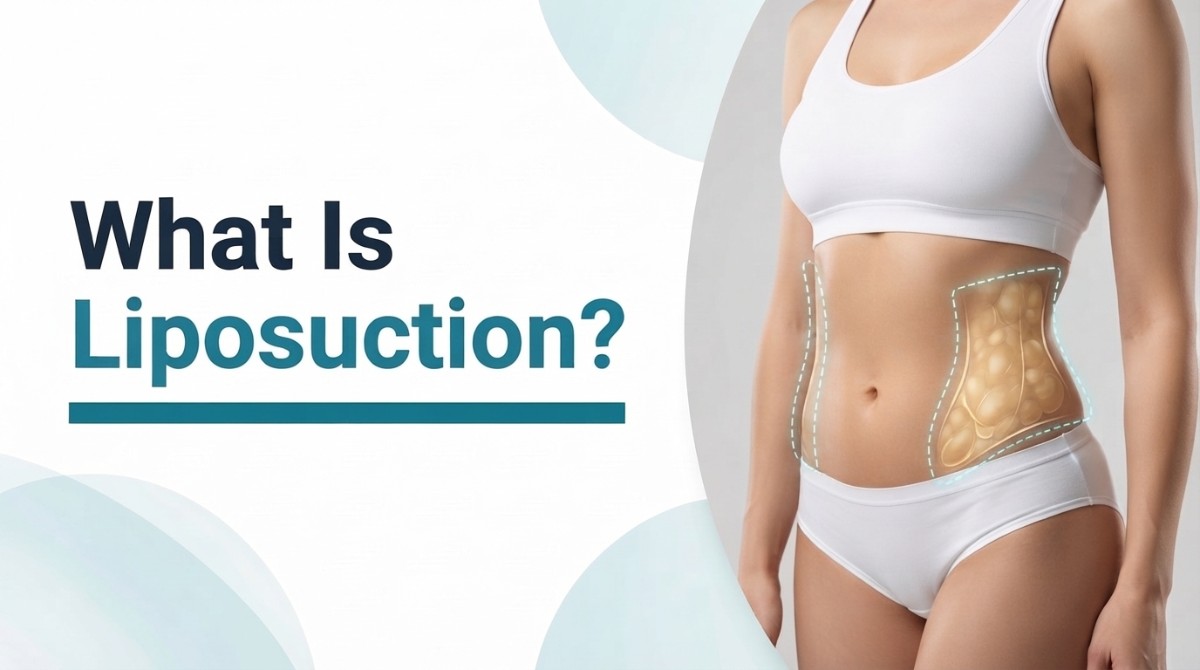
What Is Liposuction? It is a cosmetic surgical procedure designed to remove localized fat deposits and improve body contours. Some people maintain a healthy lifestyle but continue to notice stubborn fat around the abdomen, waist, thighs, arms, or other areas. Liposuction may help address these concerns by reshaping specific parts of the body rather than focusing on overall weight reduction.
At Sushrutha Institute of Plastic Surgery, Elite Hospital, Koorkenchery, Thrissur, Dr Prince provides plastic and cosmetic surgery care, including liposuction. Understanding the procedure, its suitability, potential benefits, and limitations can help individuals make informed decisions about body contouring. Learn more about Dr Prince’s plastic surgery services.
Liposuction, also called lipoplasty, is a surgical procedure that removes excess fat from selected areas of the body using a thin tube known as a cannula. The cannula is inserted through small incisions and connected to a suction device that removes unwanted fat.
The procedure is intended to improve body shape and proportion by reducing localized fat deposits. It does not remove all the fat from a treated area, nor does it change the body’s overall structure.
During liposuction, the surgeon carefully evaluates the amount and distribution of fat to determine how much can be removed safely. The goal is to create a more balanced contour while preserving natural body proportions.
Liposuction is not a weight-loss procedure. It is generally considered for people who are near a stable weight but have specific areas of fat that remain despite healthy eating and regular physical activity.
The procedure generally involves the following steps:
Assessment and marking: The surgeon identifies the areas to be treated and plans the intended body contour.
Anaesthesia: Local anaesthesia, sedation, or general anaesthesia may be used depending on the treatment area and extent of surgery.
Small incisions: Tiny incisions are made in carefully selected locations.
Fat removal: A cannula is inserted through the incisions to loosen and suction out fat.
Contour refinement: The surgeon assesses the treated area to maintain a balanced and natural-looking shape.
Postoperative care: Dressings or compression garments may be applied, and the patient receives recovery instructions.
The specific approach depends on the patient’s anatomy, medical history, treatment area, and surgical plan.
Liposuction can be performed on different parts of the body where localized fat deposits affect body proportions. The areas selected for treatment depend on the individual’s anatomy, skin quality, and aesthetic goals.
The abdomen and waist are among the commonly treated areas. Liposuction may help reduce localized fat around the stomach, flanks, and love handles. It can improve waist definition, although it does not tighten significantly loose abdominal skin.
Fat deposits around the inner and outer thighs or hips can affect the overall shape of the lower body. Liposuction may help create a more balanced contour by reducing excess fat in selected areas.
Liposuction may be considered for localized fat around the upper arms. The suitability of this procedure depends partly on skin elasticity, as removing fat alone may not address loose or sagging skin.
Some individuals have localized fat beneath the chin or around the neck that affects their facial profile. Liposuction may help improve the contour of this area in appropriately selected patients.
Liposuction may also be used to address fat deposits around the back, chest, knees, and other areas. The treatment plan varies according to the amount of fat present and the patient’s overall body proportions.
Liposuction may be suitable for adults who want to improve specific areas of their body rather than lose a significant amount of weight.
A person’s suitability is assessed individually. Factors that may support candidacy include:
Being at or near a stable, healthy weight.
Having localized fat deposits that do not respond well to lifestyle changes.
Having reasonably firm skin with good elasticity.
Being in generally good health.
Having realistic expectations about the results.
Being able to follow postoperative care instructions.
Skin elasticity is an important consideration. When the skin can adapt to the reduction in underlying fat, the treated area may develop a smoother contour. If the skin is significantly loose, removing fat alone may not achieve the desired appearance.
People with certain medical conditions, healing concerns, or other risk factors may require additional assessment before surgery. A qualified plastic surgeon can determine whether liposuction is appropriate or whether another treatment may be more suitable.
Several liposuction techniques are available. They differ in how fat is loosened and removed, and the appropriate method depends on the treatment area and the surgeon’s assessment.
Suction-assisted liposuction uses a cannula connected to a suction device to remove fat. The surgeon moves the cannula through the targeted area to reduce localized fat deposits and improve body contour.
In tumescent liposuction, a fluid containing local anaesthetic and other medication is introduced into the treatment area. This helps provide anaesthesia and may reduce bleeding during the procedure.
Power-assisted liposuction uses a cannula that moves rapidly with mechanical assistance. These movements help loosen fat, allowing the surgeon to remove it through suction.
Ultrasound-assisted liposuction uses ultrasound energy to help disrupt fat before it is removed. It may be considered for selected treatment areas, depending on the patient’s needs and the surgeon’s expertise.
Not every technique is appropriate for every patient. The surgeon determines the most suitable approach based on the area being treated, the desired contour, and safety considerations.
Liposuction and weight-loss surgery serve different purposes.
Liposuction is a body-contouring procedure that removes localized fat deposits. Weight-loss surgery, also known as bariatric surgery, is intended to help manage obesity by changing the digestive system or how the body processes food.
Liposuction is not a treatment for obesity and does not replace healthy eating, physical activity, or medically supervised weight management.
The distinction is important because a person may have a healthy body weight but still have localized fat deposits. Conversely, someone with significant excess weight may need a different approach to address their health and weight-management goals.
Liposuction | Weight-loss surgery |
|---|---|
Removes localized fat deposits | Supports substantial weight reduction |
Focuses on body contouring | Focuses on obesity management |
Usually treats selected areas | Involves changes to the digestive system |
Does not replace lifestyle management | Requires long-term dietary and medical follow-up |
The appropriate treatment depends on the individual’s health, weight, and goals. To know more .
Liposuction may offer several benefits for people who are suitable candidates for the procedure.
By reducing localized fat deposits, liposuction may help improve the shape and definition of selected areas.
Reducing fat in one or more areas may create a more balanced relationship between different parts of the body.
Liposuction permanently removes some fat cells from the treated area. However, remaining fat cells can enlarge with weight gain, and changes in body weight may affect the results.
Liposuction allows the surgeon to focus on specific areas rather than producing general weight reduction.
The benefits depend on individual anatomy, skin quality, surgical technique, and recovery. Liposuction cannot guarantee a particular appearance or perfectly smooth skin.
Liposuction is a surgical procedure, and it carries potential risks. Understanding these risks is an important part of making an informed decision.
Common temporary effects may include:
Swelling and bruising.
Soreness or discomfort.
Temporary numbness.
Fluid drainage from small incisions.
Potential complications can include infection, bleeding, changes in skin sensation, uneven contours, fluid accumulation, and poor wound healing. Rare but serious complications may include blood clots, damage to deeper structures, and anaesthesia-related problems.
The likelihood of complications can vary depending on the amount of fat removed, the number of areas treated, the patient’s medical history, and the surgical setting.
Liposuction also has limitations. It does not:
Treat obesity or produce substantial overall weight loss.
Remove stretch marks.
Reliably eliminate cellulite.
Tighten significantly loose skin.
Prevent future weight gain.
These limitations should be considered when evaluating whether the procedure aligns with an individual’s expectations.
Recovery after liposuction varies from person to person. The time required depends on the treatment area, amount of fat removed, surgical technique, and individual healing response.
Swelling, bruising, and soreness are common during the initial recovery period. Patients may need assistance with certain daily activities, depending on the extent of surgery.
Gentle movement, as advised by the surgeon, may help support circulation.
Swelling and bruising gradually improve. Some patients can return to light work within a few days, while others may require more time away from their usual activities.
Compression garments may be recommended to help manage swelling and support the treated areas.
The body continues to heal, and the treated areas gradually settle into their new contours. Although some changes may be noticeable early, residual swelling can take several months to resolve.
Patients should follow their surgeon’s instructions regarding exercise, compression garments, wound care, and follow-up appointments.
Liposuction can provide long-lasting changes because the procedure permanently removes some fat cells from the treated area.
However, the remaining fat cells can still increase in size if a person gains weight. This means that maintaining a stable weight is important for preserving the results.
The final appearance also depends on skin elasticity, natural ageing, and individual body characteristics. Some patients may notice that their skin does not tighten as much as expected after fat removal.
Liposuction should therefore be considered a body-contouring procedure rather than a permanent solution to weight management. Healthy lifestyle habits can help maintain the results over time.
Choosing a qualified plastic surgeon is an important part of considering liposuction. The surgeon’s training, experience, understanding of body proportions, and approach to patient safety can influence the treatment plan and outcome.
When evaluating a plastic surgeon, consider the following:
Qualifications: Verify the surgeon’s recognised medical and specialist qualifications.
Experience: Ask about experience with liposuction and the specific areas you are considering.
Surgical setting: Understand where the procedure will be performed and what safety arrangements are available.
Individual assessment: Ensure the treatment plan considers your anatomy, medical history, and expectations.
Recovery support: Clarify the postoperative care and follow-up arrangements.
Risks and limitations: Discuss potential complications and what can realistically be achieved.
Dr Prince is a plastic and cosmetic surgeon associated with Sushrutha Institute of Plastic Surgery at Elite Hospital, Koorkenchery, Thrissur. Individuals considering liposuction can explore the available plastic surgery services and learn more about the treatment options relevant to their concerns.
The decision to undergo liposuction should be based on an individual medical assessment, realistic expectations, and a clear understanding of the procedure.
Liposuction is a cosmetic surgical procedure used to remove localized fat deposits from selected areas of the body and improve body contours. It is not intended for substantial weight loss.
No. Liposuction is a body-contouring procedure generally considered for people who are near a stable weight but have specific areas of fat they want to address.
Common treatment areas include the abdomen, waist, hips, thighs, upper arms, back, chin, and neck. The appropriate areas depend on individual anatomy and surgical assessment.
Liposuction permanently removes some fat cells from the treated area. However, remaining fat cells can enlarge with weight gain, which may affect the results.
Liposuction removes fat but does not reliably tighten significantly loose skin. People with reduced skin elasticity may require a different or additional procedure.
Anaesthesia is used during the procedure to manage pain. Soreness, bruising, and discomfort may occur during recovery and can be managed according to the surgeon's instructions.
Recovery varies depending on the extent of surgery. Some people return to light work within a few days, while swelling and tissue changes may continue for several months.
Liposuction can remove localized fat beneath the skin around the abdomen. It does not remove visceral fat, which is located deeper inside the abdominal cavity.
Liposuction is not a reliable treatment for cellulite. In some cases, removing fat may make existing skin irregularities more noticeable.
A suitable candidate is generally a healthy adult near a stable weight with localized fat deposits, reasonable skin elasticity, and realistic expectations. Individual suitability must be assessed by a qualified surgeon.
EXCELLENT Based on 454 reviews Anna Johns2026-02-12Trustindex verifies that the original source of the review is Google. Showing my great gratitude to Dr Prince and team for their excellent service and professionalism. I am so grateful to work with the team recently during my Abdominoplasty and the whole process went smooth and effortless. Very satisfied with the results. Special thanks to Dr Prince. Highly recommended . Arvind Ka2026-01-29Trustindex verifies that the original source of the review is Google. Good for liposuction❤️ Amarish Anand2026-01-18Trustindex verifies that the original source of the review is Google. I was struggling with gynecomastia or chest fat since I'm 14. Saw videos of dr prince on YouTube. His result were amazing and I contacted him based on his good reviews. Mine was done 6 months back under local anaesthesia as day care procedure. No pain. Surgery got over in 2 hours. Recovery happened exactly as dr prince told. Extremely satisfied with results. All staffs were caring and comforting Durga Dileep2026-01-18Trustindex verifies that the original source of the review is Google. Iam so happy that i had my abdominoplasty and arm lift surgery done by dr prince. Though my native place in thodupuzha and im working at australia, my desicion to undergo surgery at thrissur was the best. I was initially bit confused in getting surgery there. But dr prince was as so prompt on his WhatsApp replies and he will make u so comfortable and confident for the procedure. Their team was really good. PROs, ot staffs, nursing care. The rooms in the south block was really good and scenic. Im very much satisfied with the results. The recovery part exactly matched to what dr explained. I rarely put any reviews. But this one i put from my heart. To undergo these surgeries were my long term wish. All went well. Thank god. All the best dr prince and his plastic surgery team at elite hospital. Jipsil vnr2026-01-04Trustindex verifies that the original source of the review is Google. I am happy with their service. Akshaya Binu2025-12-30Trustindex verifies that the original source of the review is Google. I'm super happy with the arm liposuction done by Dr. Prince and his teams.They made the whole experience so smooth and stress-free. The OT staffs were super professional.The surgery was done with utmost care, and the results are just outstanding. My arms look so much more toned.And a special thanks to nurses for there immense support.And I'd totally recommend this hospital and Dr. Prince's team. Thankyou so much.
Liposuction vs. Tummy Tuck: Which Procedure Is Different? Liposuction vs. Tummy Tuck: Which Procedure Is Different? can help individuals choose an appropriate body contouring optio
Can Fat Return After Liposuction Surgery ? 7 Important Facts Can fat return after liposuction surgery ? is a common question among people considering body contouring surgery. Lipos
How Long Does It Take to See Liposuction Results? : 8 important facts How long to see liposuction results is a common question among people considering body contouring surgery. Alt
How to Prepare for Liposuction Surgery: 9 Essential Steps How to Prepare for Liposuction Surgery is an important topic for people considering body-contouring surgery and wanting to
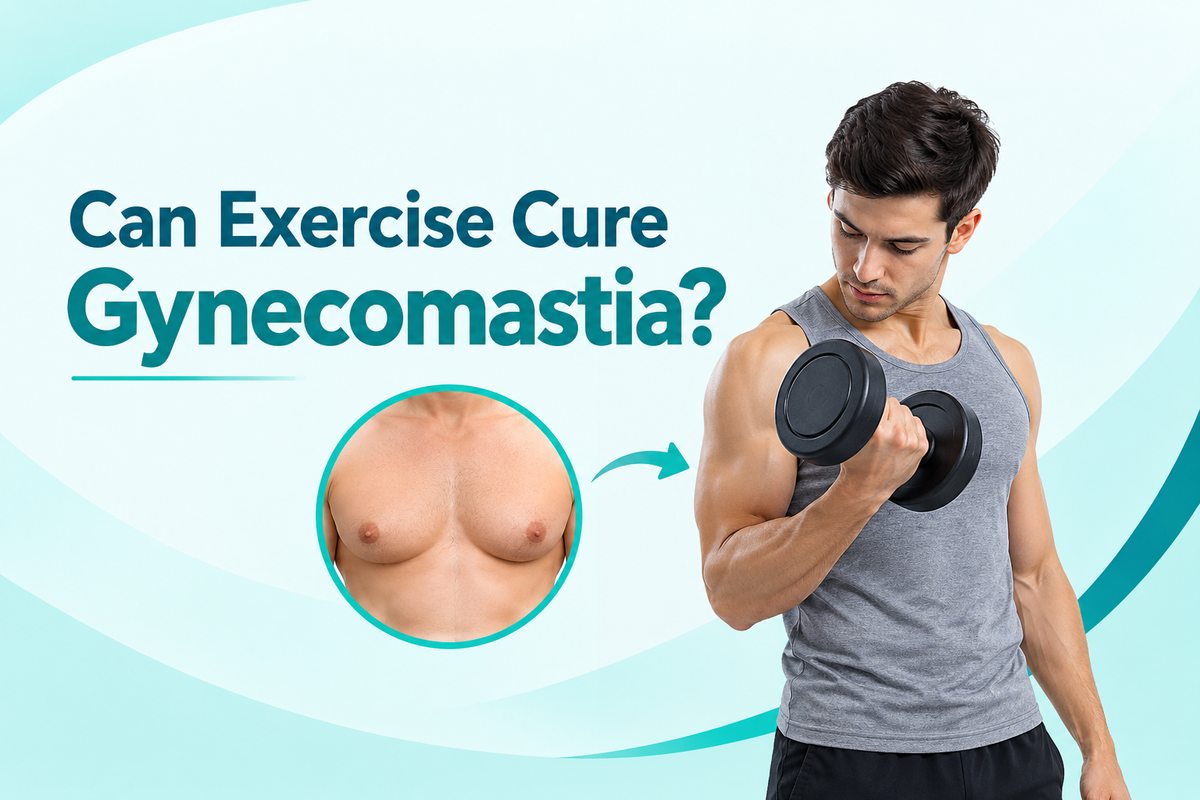
Can exercise cure gynecomastia? Learn the difference between glandular gynecomastia and chest fat, how exercise and weight loss may help, and when other treatments may be considere
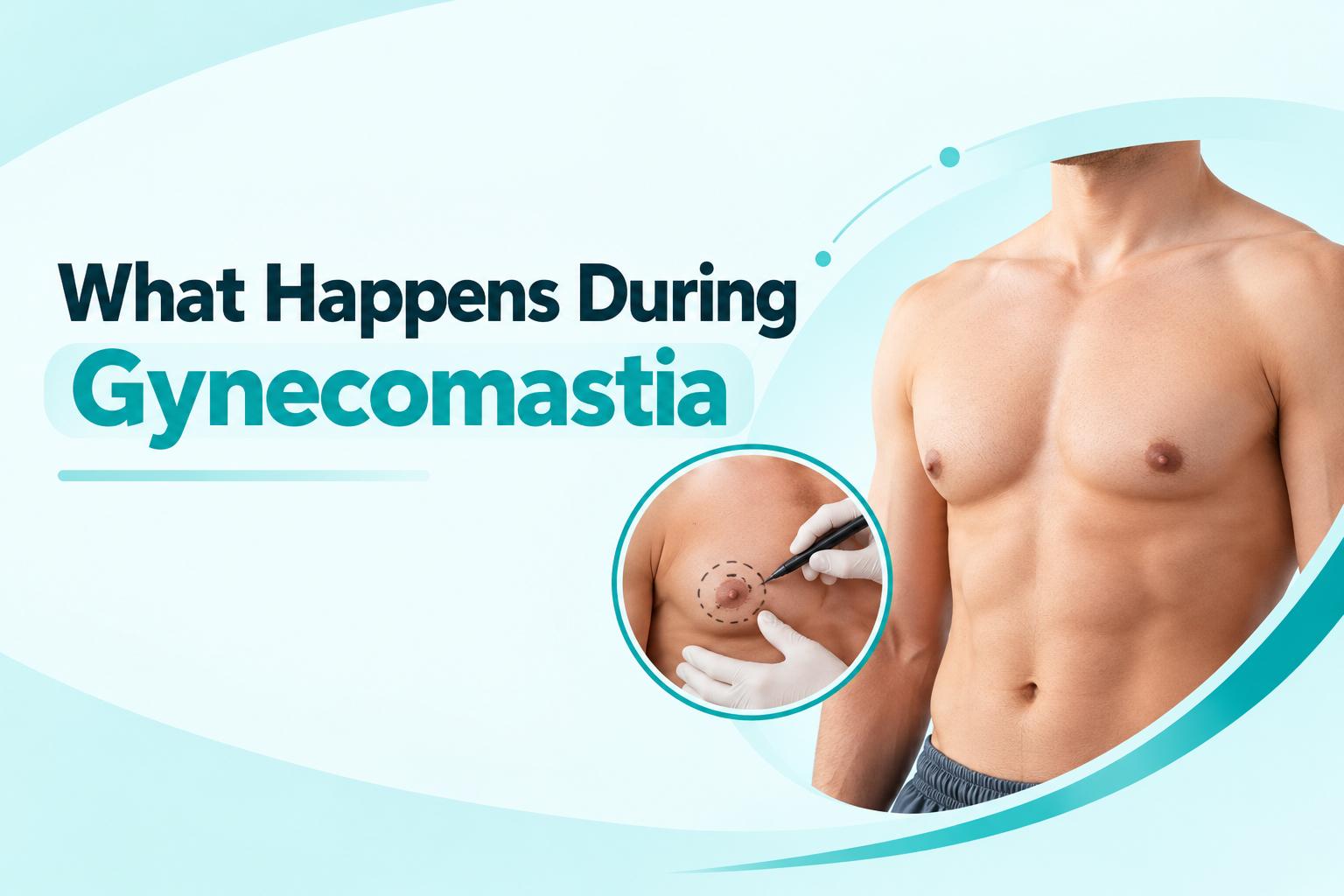
Learn what happens during gynecomastia, from preoperative preparation and anesthesia to liposuction, tissue removal, and incision closure. Understand recovery, benefits, risks, aft
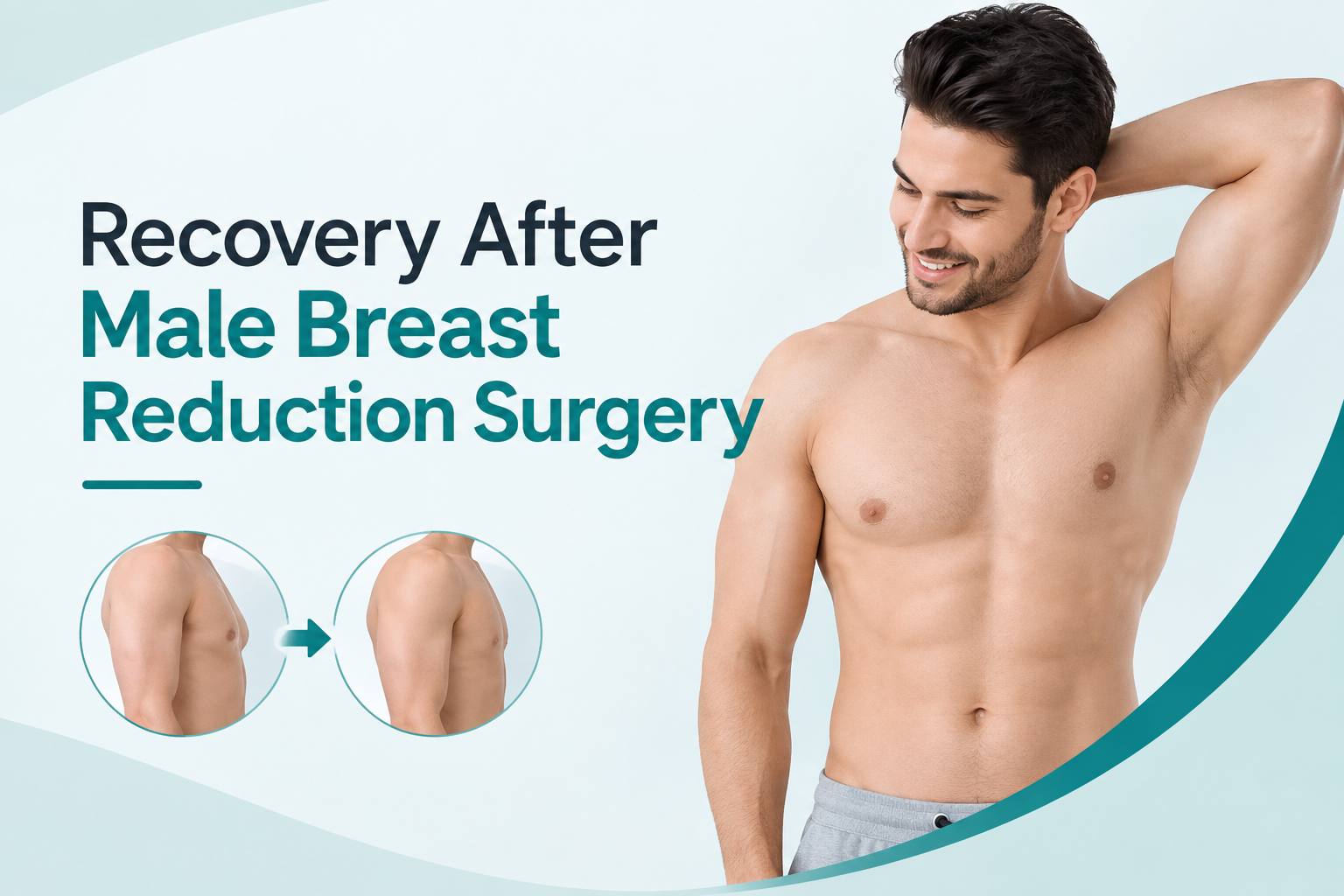
Learn what to expect during recovery after male breast reduction surgery, including swelling, wound care, compression garments, exercise, nutrition, and scar care. Follow practical
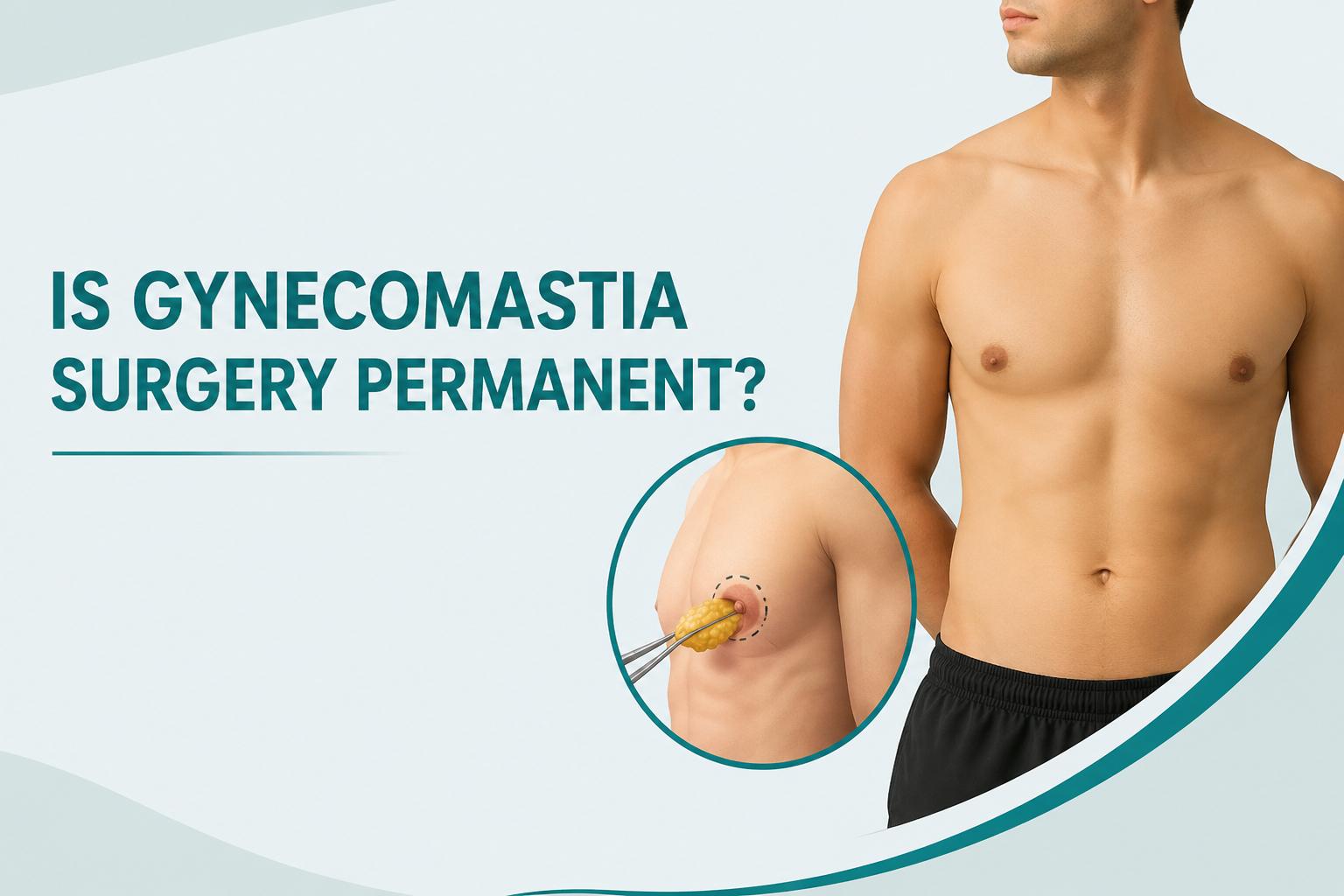
Is gynecomastia surgery permanent? Learn how surgery can provide long-lasting results and what factors such as weight, hormones, lifestyle, and aftercare can affect them.
Laser Hair Reduction in Thrissur: Nuance aesthetics Ayyanthole Unwanted facial or body hair can be frustrating to manage repeatedly. Shaving provides only short-term results, while
DR PRINCE, PLASTIC & COSMETIC SURGEON, THRISSUR
© 2022 top plastic surgery thrissur
This website uses cookies to provide you with the best browsing experience.