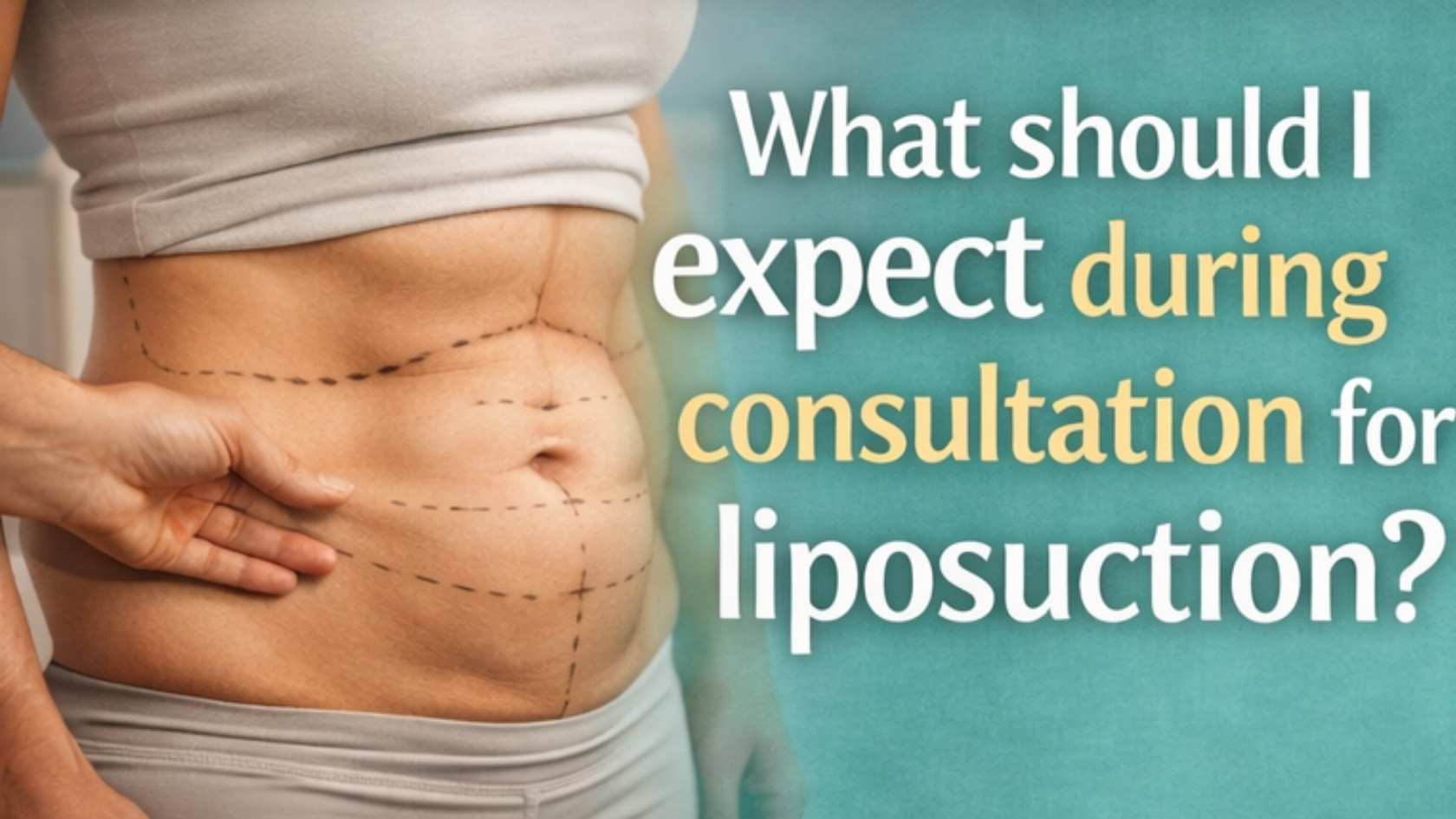
A consultation is the first and most important step before undergoing liposuction surgery. Patients who plan body contouring procedures often schedule a consultation to understand the treatment process, evaluate their suitability, and discuss expected results. During a liposuction consultation, medical professionals carefully assess the patient’s health condition, body structure, and treatment goals to create a safe and personalized surgical plan.
For individuals exploring liposuction procedures in Kerala, a consultation provides an opportunity to ask questions, learn about the procedure, and understand what outcomes are realistic. This stage ensures that patients are well-informed before making decisions about cosmetic surgery.
What Is Liposuction?
Liposuction is a cosmetic surgical procedure designed to remove stubborn fat deposits from specific areas of the body. It helps improve body contour and shape when fat does not respond to diet or exercise.
Common areas treated with liposuction include:
Abdomen
Thighs
Hips
Arms
Back
Chin and neck
While liposuction removes fat cells from targeted areas, it is not considered a weight-loss procedure. Instead, it is used for body contouring and improving body proportions.
Why Is a Liposuction Consultation Important?
A consultation helps both the patient and the medical team determine whether liposuction is the right option. It allows the patient to understand the procedure, risks, recovery process, and expected outcomes.
Key purposes of the consultation include:
Evaluating medical suitability
Discussing treatment goals
Identifying the areas to be treated
Understanding the surgical technique
Planning recovery and aftercare
This step ensures that the procedure is performed safely and that the patient’s expectations are realistic.
Step-by-Step: What Happens During a Liposuction Consultation?
1. Discussion of Medical History
The consultation usually begins with a detailed discussion of the patient’s medical history. The doctor may ask questions about:
Previous surgeries
Medical conditions
Allergies
Medications currently being used
Lifestyle habits such as smoking or alcohol consumption
This information helps determine whether the patient is medically fit for surgery.
2. Physical Examination
A physical assessment is typically performed to evaluate the areas where fat removal is being considered. During the examination, the doctor may assess:
Skin elasticity
Fat distribution
Body shape and proportions
Muscle tone
These factors help determine the most suitable treatment plan.
3. Discussion of Treatment Goals
Patients are encouraged to explain their expectations and desired results. This helps the doctor understand the patient’s goals and recommend appropriate treatment options.
The doctor may explain:
How much fat can safely be removed
Which areas can be treated
What results are realistically achievable
Clear communication during this stage is essential for achieving satisfactory results.
4. Explanation of the Liposuction Procedure
During the consultation, the doctor typically explains how the liposuction procedure works.
The explanation may include:
Surgical techniques used for fat removal
Types of liposuction methods
Duration of the procedure
Type of anesthesia required
Some commonly used liposuction techniques include:
Tumescent liposuction
Laser-assisted liposuction
Ultrasound-assisted liposuction
Power-assisted liposuction
Each method has different advantages depending on the treatment area and patient needs.
5. Discussion of Possible Risks and Safety Considerations
All surgical procedures carry some level of risk. During the consultation, the doctor explains potential complications and safety precautions.
Common risks may include:
Swelling
Bruising
Temporary numbness
Infection
Irregular contours
Understanding these risks helps patients make informed decisions before undergoing surgery.
6. Pre-Surgery Preparation Instructions
Patients are often given instructions on how to prepare for the procedure. These may include:
Avoiding certain medications before surgery
Stopping smoking if applicable
Maintaining a stable body weight
Completing necessary medical tests
Proper preparation helps reduce complications and improves surgical outcomes.
7. Recovery and Healing Timeline
The consultation also includes a discussion about recovery after liposuction. Recovery time varies depending on the extent of the procedure and the areas treated.
General recovery expectations may include:
Mild swelling and bruising for a few weeks
Wearing compression garments to support healing
Gradual return to normal activities
Follow-up visits for monitoring recovery
Most patients can resume light daily activities within a few days, though full recovery may take several weeks.
Questions Patients Can Ask During a Liposuction Consultation
A consultation is also an opportunity for patients to ask questions. Some common questions include:
Am I a suitable candidate for liposuction?
What areas can be treated safely?
What results can I realistically expect?
How long will the recovery take?
Are there alternative treatments available?
Asking these questions helps patients feel more confident about their treatment decision.
Who May Be a Good Candidate for Liposuction?
Not everyone is an ideal candidate for liposuction. During consultation, doctors usually look for certain characteristics that suggest good suitability.
Common factors include:
Stable body weight
Good skin elasticity
Localized fat deposits
Overall good health
Realistic expectations
Patients seeking body contouring rather than significant weight loss are usually better candidates.
Importance of Choosing a Qualified Medical Facility
Choosing a qualified medical facility is essential for safety and successful outcomes. Hospitals offering plastic surgery procedures typically maintain strict safety protocols, experienced surgical teams, and advanced surgical equipment.
A well-equipped medical facility also ensures proper anesthesia monitoring, sterile surgical environments, and structured post-operative care.
Final Thoughts
A liposuction consultation is a crucial step that helps patients understand the procedure, evaluate their suitability, and prepare for surgery. It allows the medical team to assess the patient’s health condition and design a personalized treatment plan.
For individuals considering body contouring procedures in Kerala, attending a detailed consultation helps ensure that liposuction is performed safely and that expectations about results and recovery are clearly understood.
Frequently Asked Questions.
1. What happens during a liposuction consultation?
During the consultation, the doctor reviews medical history, examines treatment areas, discusses goals, explains the procedure, and outlines recovery expectations.
2. How long does a liposuction consultation take?
A consultation typically takes around 30 to 60 minutes depending on the complexity of the case.
3. Do I need medical tests before liposuction?
Some patients may require basic health tests to ensure they are medically fit for surgery.
4. Can I decide the treatment areas during consultation?
Yes. Patients can discuss their desired treatment areas, and the doctor will evaluate whether those areas are suitable.
5. Will I see expected results during consultation?
Doctors may explain expected outcomes and sometimes show example results to help patients understand possible improvements.
6. Is liposuction consultation necessary before surgery?
Yes. Consultation helps determine whether the patient is a good candidate and ensures safe treatment planning.
7. Can multiple areas be treated with liposuction?
In some cases, multiple areas can be treated depending on the patient’s health and treatment plan.
8. What should I bring to a liposuction consultation?
Patients may bring medical records, a list of medications, and any questions they wish to discuss.
9. Will recovery be explained during consultation?
Yes. The doctor usually explains recovery time, aftercare instructions, and activity restrictions.
10. Can I schedule surgery immediately after consultation?
In many cases, surgery is scheduled after medical evaluation and preparation instructions are completed.