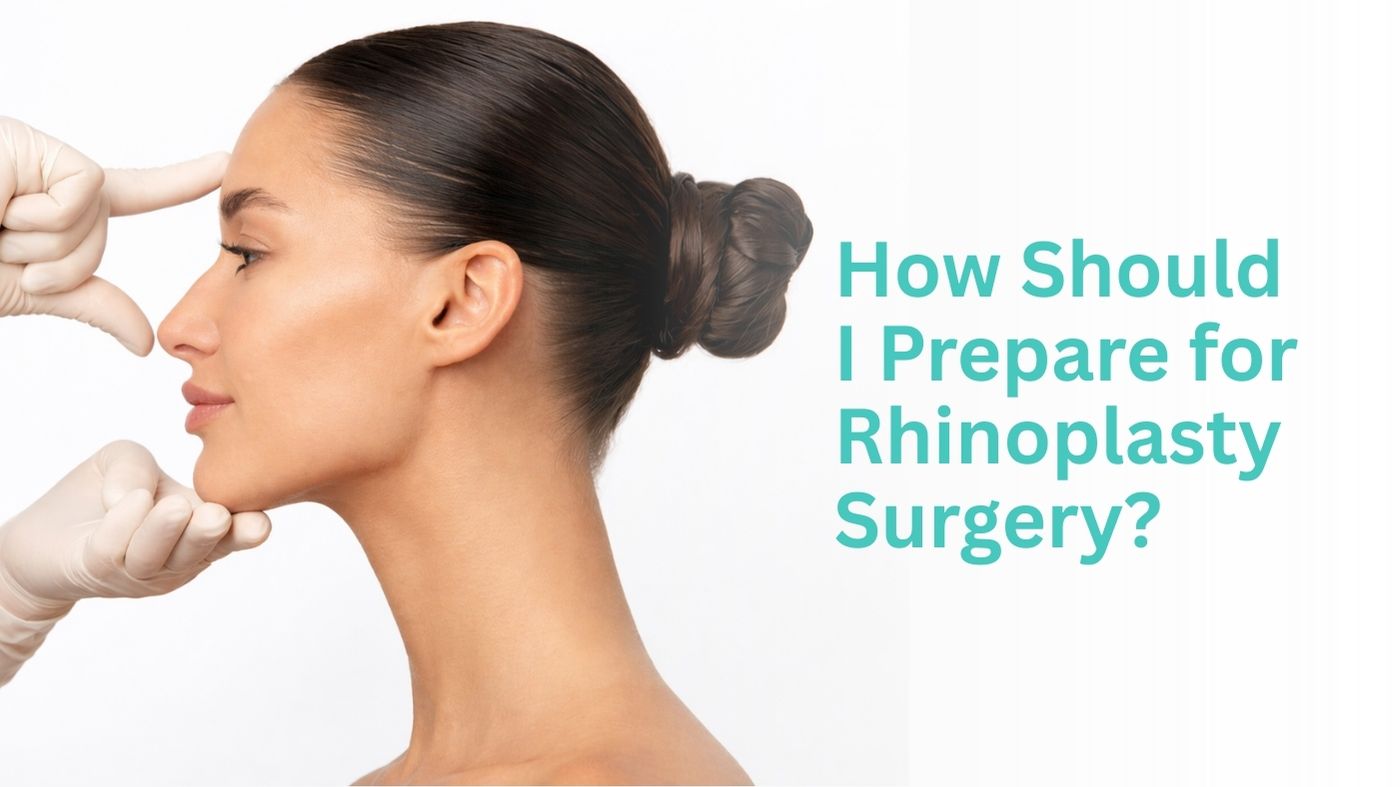
How should I prepare for rhinoplasty surgery, Rhinoplasty is a carefully planned surgical procedure that requires proper preparation for safe outcomes and smooth recovery. For individuals planning rhinoplasty in Kerala, understanding how to prepare physically and mentally helps reduce complications, improves healing, and supports realistic expectations. Preparation begins well before the day of surgery and includes medical evaluation, lifestyle adjustments, and detailed discussions about the procedure.
1 Understanding Rhinoplasty Preparation
Preparing for rhinoplasty involves a structured approach that focuses on overall health, surgical readiness, and post-operative planning. The goal is to ensure the body is ready for surgery and the patient understands the expected results and recovery process.
Preparation typically includes medical assessments, medication planning, dietary guidance, and practical arrangements for after surgery. Proper preparation can significantly influence both surgical safety and recovery comfort.
2 Medical Consultation Before Surgery
The first step in preparation is a comprehensive consultation. During this stage, medical history, current health conditions, and previous treatments are reviewed.
Key aspects discussed during consultation include:
Nasal structure and functional concerns
Desired changes and expectations
Breathing issues or sinus conditions
Skin thickness and facial proportions
General health evaluation
This assessment helps determine whether the procedure is suitable and allows planning based on individual anatomy.
3 Health Evaluation and Diagnostic Tests
Before rhinoplasty, certain medical evaluations may be recommended to ensure safety.
Common pre-surgical checks include:
Blood tests
Imaging if required
Assessment of breathing patterns
Review of medications
Evaluation of allergies
These steps help identify any conditions that could affect surgery or healing.
4 Lifestyle Changes Before Rhinoplasty
Lifestyle preparation is an essential part of surgical readiness.
Stop Smoking
Smoking affects blood circulation and healing. Avoiding smoking before surgery helps reduce complications and supports better recovery.
Limit Alcohol Intake
Alcohol may interfere with medications and healing. Reducing intake before surgery helps maintain stable health.
Maintain Balanced Nutrition
A healthy diet supports immunity and tissue healing. Nutrient-rich foods and adequate hydration are beneficial.
Stay Physically Stable
Maintaining general fitness helps the body handle surgery and recovery more effectively.
5 Medication and Supplement Guidance
Certain medications and supplements may increase bleeding risk or interfere with anesthesia.
Patients are usually advised to:
Avoid blood-thinning medications if instructed
Inform about herbal supplements
Share details of regular prescriptions
Follow instructions for pre-surgery medication
Medical guidance ensures safe preparation.
6 Preparing Mentally for Rhinoplasty
Emotional readiness is just as important as physical preparation.
Patients benefit from:
Understanding realistic outcomes
Accepting gradual healing changes
Preparing for temporary swelling
Being aware of recovery timelines
Clear expectations reduce anxiety and improve satisfaction.
7 Planning Recovery in Advance
Recovery preparation should be done before surgery to ensure comfort afterward.
Important arrangements include:
Planning leave from work
Arranging transportation
Preparing rest area at home
Keeping essential medications ready
Organizing follow-up appointments
Advance planning makes the recovery period smoother.
8 Understanding Surgical Instructions
Patients receive detailed instructions before rhinoplasty.
These may include:
Fasting guidelines
Skin care before surgery
Avoiding certain products
Clothing recommendations
Arrival time at hospital
Following instructions carefully supports safe surgery.
9 Preparing the Home Environment
Creating a comfortable recovery space is helpful.
Consider:
Extra pillows for head elevation
Easy-to-eat meals
Adequate hydration
Clean and quiet rest area
Access to medical supplies
Comfort at home contributes to better healing.
10 Sleep and Rest Preparation
Adequate sleep before surgery helps the body recover faster. Stress management and proper rest improve immunity and reduce fatigue.
Patients are encouraged to:
Maintain regular sleep patterns
Avoid late-night stress
Practice relaxation techniques
Rested individuals recover more comfortably.
11 Skin and Nasal Care Before Surgery
Pre-operative skin care is important.
Guidelines may include:
Gentle cleansing
Avoiding harsh treatments
Preventing infections
Maintaining hygiene
Healthy skin supports better healing.
12 Diet Preparation Before Rhinoplasty
Nutrition plays a supportive role in healing.
Recommended dietary practices include:
Balanced meals
Protein intake for tissue repair
Fruits and vegetables for immunity
Hydration
Avoid heavy or unhealthy foods before surgery.
13 Day-Before Surgery Preparation
The day before rhinoplasty should be calm and organized.
Patients should:
Confirm surgery schedule
Follow fasting instructions
Prepare hospital bag
Remove jewelry and cosmetics
Keep documents ready
A structured approach reduces stress.
14 What to Expect on the Day of Surgery
On the surgery day:
Final medical checks are performed
Anesthesia planning is confirmed
Surgical team reviews the plan
Consent procedures are completed
Patients are guided step by step through the process.
15 Preparing for Swelling and Bruising
Temporary swelling and bruising are normal after rhinoplasty.
Preparation includes:
Cold compress arrangements
Understanding healing phases
Avoiding panic over temporary changes
Recovery progresses gradually.
16 Planning Follow-Up Visits
Post-operative care includes regular follow-up.
Follow-ups help monitor:
Healing progress
Nasal structure stability
Breathing improvement
Infection prevention
Scheduled visits support safe recovery.
17 Emotional Support During Preparation
Support from family or caregivers can be helpful.
Patients benefit from:
Assistance during recovery
Emotional reassurance
Practical help at home
Support systems reduce stress.
18 Understanding Long-Term Healing
Final results take time.
Healing involves:
Reduction in swelling
Tissue adjustment
Natural settling of nasal structure
Patience is important during recovery.
19 Safety Awareness Before Surgery
Understanding potential risks and precautions is part of preparation.
Patients should be aware of:
Importance of hygiene
Following medical advice
Avoiding self-medication
Reporting unusual symptoms
Safety awareness improves outcomes.
20 Setting Realistic Expectations
Preparation also involves accepting that results vary.
Factors influencing outcomes include:
Nasal anatomy
Healing response
Skin thickness
Surgical approach
Realistic expectations lead to better satisfaction.
Conclusion
Proper preparation plays a significant role in ensuring safe rhinoplasty and comfortable recovery. For individuals planning rhinoplasty in Kerala, early planning, medical guidance, lifestyle adjustments, and emotional readiness contribute to better outcomes. Preparation begins weeks before surgery and continues through recovery, helping patients feel confident, informed, and ready for the procedure.
Frequently Asked Questions
1. Why is preparation important before rhinoplasty surgery?
Proper preparation helps reduce complications, supports smoother recovery, and improves overall surgical safety.
2. How long before rhinoplasty should I start preparing?
Preparation usually begins several weeks before surgery, especially for lifestyle adjustments and medical evaluations.
3. Do I need medical tests before rhinoplasty?
Yes, basic health evaluations and tests may be required to ensure you are fit for surgery.
4. Should I stop smoking before rhinoplasty surgery?
Yes, avoiding smoking before and after surgery helps improve healing and reduces complications.
5. Are there medications I should avoid before rhinoplasty?
Certain medications and supplements may need to be stopped, especially those that increase bleeding risk.
6. How should I prepare my home for recovery?
Arrange a comfortable resting area, keep necessary medications ready, and plan for limited activity during recovery.
7. Will I need someone to assist me after surgery?
Yes, having a responsible adult to accompany you and assist during early recovery is recommended.
8. What dietary changes should I make before rhinoplasty?
Maintaining a balanced diet and staying hydrated supports better healing and recovery.
9. How should I mentally prepare for rhinoplasty?
Understanding realistic expectations and recovery timelines helps reduce anxiety and improve satisfaction.
10. What should I do the night before rhinoplasty surgery?
Follow fasting instructions, avoid alcohol, prepare necessary documents, and get adequate rest before surgery.