Liposuction Treatment in Kerala: 5 Important Things to Know
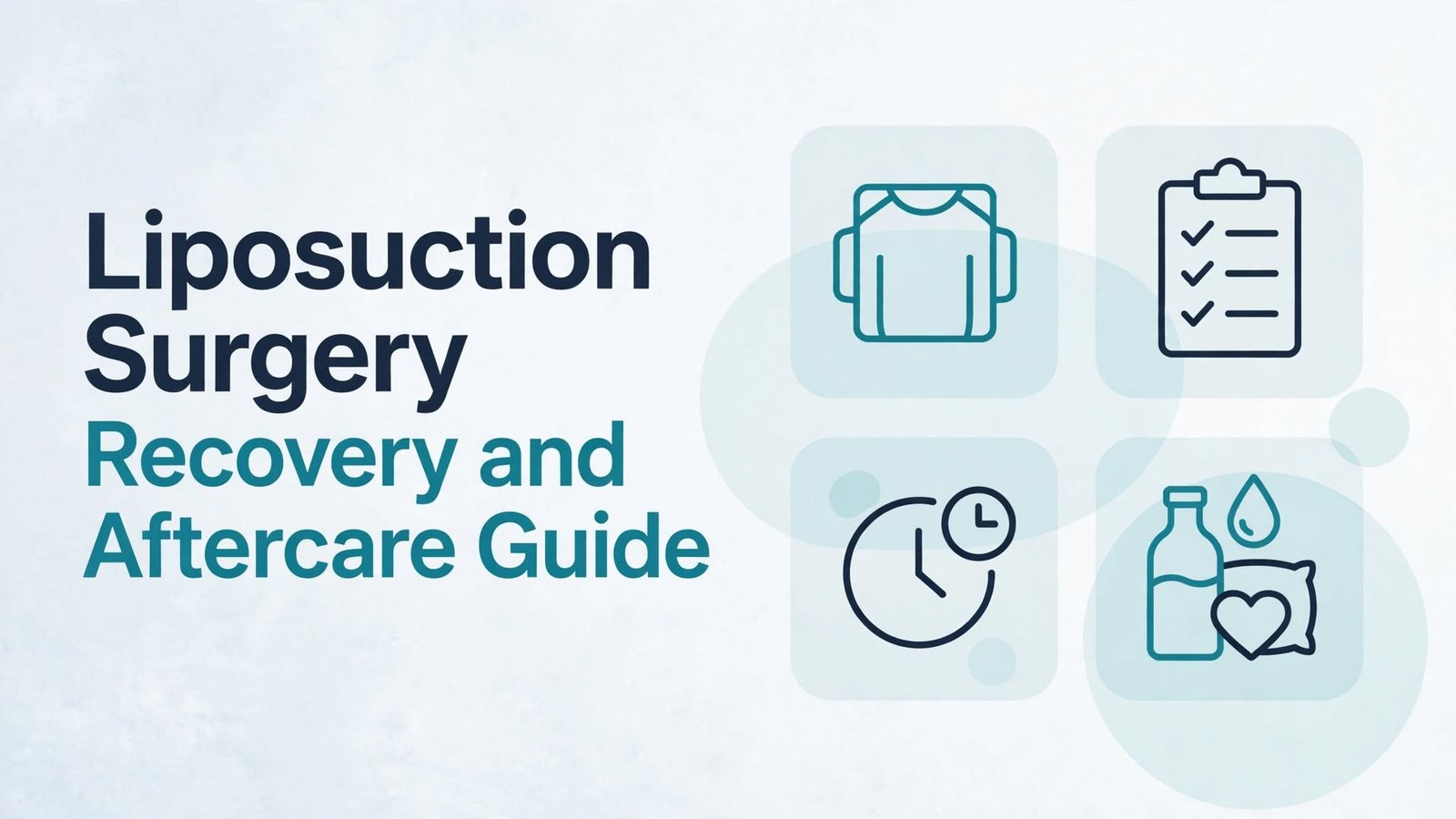
Liposuction Surgery Recovery and Aftercare Guide helps patients understand the healing process and what to expect after liposuction. Swelling, bruising, tenderness, and temporary changes in sensation may occur following surgery. The surgeon’s instructions for wound care, compression garments, prescribed medication, and daily activities can help patients manage these changes. Understanding what liposuction is and how it works can provide useful context before considering the procedure. For people exploring liposuction surgery in Thrissur, an individualized assessment can help explain healing expectations, post-operative care, and factors that may affect progress.
The timeline varies according to the treatment area, surgical technique, and individual health. Patients should attend follow-up appointments, avoid strenuous activities until medically cleared, and contact their healthcare team if they notice unusual symptoms. A qualified plastic surgeon can provide personalized guidance on wound care, compression garments, exercise, and returning to work.
What Is Liposuction Treatment?
Liposuction is a surgical procedure used to remove localized deposits of fat from selected areas of the body. A surgeon uses a thin tube, called a cannula, to loosen and remove fat through small incisions. The procedure may be considered for areas such as the abdomen, hips, thighs, arms, back, or under the chin, depending on the patient’s anatomy and treatment goals.
The main purpose of liposuction is to change body contour rather than produce substantial weight loss. It does not remove deep visceral fat around internal organs, and it does not reliably correct loose skin, cellulite, or stretch marks.
The outcome depends on several factors, including the amount and location of fat, skin elasticity, surgical technique, healing, and weight stability. Patients should discuss realistic expectations with their surgeon before deciding on treatment.
Why Do People Consider Liposuction?
Some people maintain a stable weight but continue to notice fat deposits in particular areas. These areas may be influenced by genetics, body composition, age, or other individual factors.
Liposuction may be discussed when:
A localized fat deposit remains despite lifestyle measures.
The patient’s weight is relatively stable.
The concern relates to body contour rather than significant weight loss.
The patient understands the procedure’s limitations.
The patient is medically suitable for surgery.
Liposuction is not a substitute for balanced nutrition, regular physical activity, or medical treatment for obesity. The procedure should be considered only after an assessment of the individual’s health and goals.
Areas That May Be Treated
The areas considered for liposuction vary according to a patient’s anatomy and concerns.
Abdomen and Waist
Liposuction may be used to remove selected fat deposits around the abdomen or waist. It does not treat abdominal muscle separation or deep visceral fat. If loose skin is a significant concern, a surgeon may discuss whether another procedure is more suitable.
Hips and Flanks
Fat deposits around the hips and flanks may affect the body’s outline. Liposuction may be considered to adjust these areas, depending on skin quality and the patient’s goals.
Thighs
Some patients consider liposuction for localized fat deposits in the inner or outer thighs. The surgeon needs to assess skin elasticity, the distribution of fat, and how the treated area may heal.
Arms
Liposuction may be discussed for selected fat deposits in the upper arms. If there is substantial loose skin, fat removal alone may not address the concern.
Chin and Neck
Selected patients may consider liposuction for localized fat beneath the chin or around the neck. Suitability depends on the amount of fat, skin condition, anatomy, and other factors.
The appropriate treatment area and technique should be decided through an individual clinical assessment.
Types of Liposuction Procedures
Different liposuction techniques may be used depending on the treatment area, patient characteristics, and surgeon’s assessment. The technique does not remove the need for careful patient selection or appropriate surgical care.
Traditional or Suction-Assisted Liposuction
In suction-assisted liposuction, the surgeon inserts a cannula through small incisions and uses suction to remove fat. The procedure may be performed with different anesthesia approaches depending on the extent of treatment and the patient’s needs.
Tumescent Liposuction
Tumescent liposuction involves injecting a fluid solution into the treatment area before fat removal. The solution may contain local anesthetic and other medication intended to reduce bleeding and help with the procedure.
Ultrasound-Assisted Liposuction
Ultrasound-assisted liposuction uses ultrasound energy to help loosen fat before it is removed. It may be considered in selected cases, but it has technique-specific risks, including the possibility of heat-related injury.
Laser-Assisted Liposuction
Laser-assisted techniques use laser energy in the treatment area. The choice of technique should be based on clinical considerations rather than the assumption that one method is universally superior.
A surgeon can explain which technique, if any, is appropriate for an individual patient.
Who May Be a Suitable Candidate?
Liposuction may be considered for adults who have localized fat deposits and are close to a stable weight. However, suitability is not determined by weight alone.
A surgeon may consider:
General health and relevant medical conditions
Weight history and stability
Skin elasticity
The location and amount of fat
Previous surgery or healing concerns
Medicines and supplements
Smoking or nicotine use
Expectations about the procedure and recovery
People with certain medical conditions may require further evaluation or management before surgery. Patients who are seeking substantial weight loss may need to consider other options.
A consultation allows the surgeon to assess the areas of concern, explain the expected limitations, and discuss whether liposuction or another approach may be suitable.
How Liposuction Is Planned
The planning process typically begins with a consultation and medical assessment. The surgeon reviews the patient’s goals, medical history, current health, and areas of concern.
Medical History and Examination
Patients should share information about current medicines, allergies, previous operations, anesthesia experiences, and any history of bleeding or blood clots. A physical examination helps the surgeon assess fat distribution, skin condition, and body contour.
Discussion of Treatment Goals
The surgeon and patient can discuss what changes may be possible and what liposuction cannot address. This is important because removing fat does not guarantee a particular shape or degree of contour change.
Procedure and Anesthesia Planning
The planned treatment areas, technique, anesthesia, and postoperative arrangements depend on individual circumstances. The patient should understand where the procedure will take place and what follow-up care will be required.
Preparing for Surgery
Preoperative instructions may cover medicines, food and drink restrictions, nicotine use, transportation, and arrangements for recovery. Patients should follow their own surgical team’s instructions and should not stop prescribed medication without medical advice.
Liposuction Safety and Possible Risks
Liposuction is surgery, so it carries potential risks and complications. The risk profile can vary based on the patient’s health, the amount of fat removed, the areas treated, the technique, and the anesthesia plan.
Possible effects and complications include:
Swelling and bruising
Temporary changes in sensation
Contour irregularities or asymmetry
Fluid accumulation
Infection
Bleeding
Scarring
Anesthesia-related complications
Blood clots or other uncommon but serious complications
Some swelling, bruising, and tenderness may be expected during recovery. However, increasing pain, fever, unusual drainage, or unexpected symptoms should be reported to the surgical team.
Patients should also understand that liposuction may not produce the exact contour they expect. Additional treatment may sometimes be considered, but further procedures also carry risks.
A detailed discussion of risks, benefits, alternatives, and recovery is an important part of informed consent.
Recovery After Liposuction
Recovery differs from person to person. It may depend on the area treated, the extent of surgery, the technique, and individual healing.
Early Recovery
Swelling, bruising, soreness, and temporary changes in sensation may occur after surgery. The surgeon may recommend compression garments or dressings, depending on the procedure.
Patients should follow instructions about wound care, medicines, bathing, and activity.
Returning to Daily Activities
Some people may return to light activities relatively soon, while others need more time away from work or routine responsibilities. The timing depends on the procedure and the type of work or activity involved.
Patients should not resume strenuous exercise, heavy lifting, or other demanding activities until their surgeon advises that it is appropriate.
Follow-Up Care
Follow-up appointments allow the surgeon to monitor healing and assess swelling, incisions, and the treated area. Patients should contact the surgical team if they have concerns rather than waiting until the next scheduled visit.
Choosing a Plastic Surgeon in Kerala
When considering liposuction treatment in Kerala, patients should focus on qualifications, clinical assessment, surgical setting, and the quality of information provided during consultation.
Consider discussing the following:
Verify Qualifications
Check the surgeon’s recognized qualifications and training in plastic surgery. Patients can ask about experience with the planned procedure and whether the surgeon personally performs the operation.
Understand the Surgical Setting
Ask where the procedure will take place, what anesthesia arrangements are planned, and what emergency support is available. The setting should be appropriate for the type and extent of surgery.
Discuss Risks and Alternatives
A responsible consultation should cover possible complications, realistic expectations, recovery requirements, and alternatives. Patients should feel comfortable asking questions and taking time to make a decision.
Review the Follow-Up Plan
Understand how postoperative care is organized, who to contact with concerns, and when follow-up visits are expected.
Dr Prince is listed as a Consultant Plastic, Reconstructive and Aesthetic Surgeon at the Sushrutha Institute of Plastic Surgery, Elite Mission Hospital, Thrissur. Patients can use a consultation to discuss their individual concerns and determine whether liposuction may be suitable for them.
Table Of Contents

Dr Prince
Consultant Plastic & Cosmetic Surgeon
Dr Prince is a Consultant Plastic and Reconstructive Surgeon at the Sushrutha Institute of Plastic Surgery, Elite Mission Hospital, Thrissur. He specializes in aesthetic and reconstructive procedures performed in a fully equipped hospital environment with strict safety protocols.
His expertise includes liposuction, rhinoplasty, gynecomastia correction, tummy tuck, breast surgery, and advanced facial aesthetic procedures, with a focus on safe techniques and natural-looking results.
Sushrutha Institute of Plastic Surgery, Elite Mission Hospital, Thrissur, Kerala
Frequently Asked Questions
Recovery time varies depending on the treatment area, amount of fat removed, surgical technique, and individual health. Many patients can return to light daily activities within a few days, while swelling and tenderness may take several weeks to improve. The surgeon will provide guidance based on the procedure performed.
Yes. Swelling is a common part of healing after liposuction. It usually decreases gradually, although some swelling may persist for several weeks or months. Following post-operative instructions and attending follow-up appointments can help the surgeon monitor progress.
The recommended duration depends on the treated area and the surgeon’s instructions. Compression garments may help support the treated area and manage swelling. Patients should follow the prescribed wearing schedule and ask their surgeon if the garment causes discomfort or skin irritation.
Some patients return to desk-based work within a few days, while others may need more time. The timing depends on the extent of the procedure, discomfort, and the physical demands of the job. The surgeon should confirm when it is appropriate to resume work.
Gentle walking may be encouraged soon after surgery, but strenuous exercise and heavy lifting should be avoided until the surgeon gives clearance. Activity can usually be increased gradually according to healing and individual instructions.
Tenderness, soreness, and a bruised feeling can occur after liposuction. The level of discomfort varies between individuals and treatment areas. Patients should use medication only as directed by their healthcare team and report pain that is severe, worsening, or unusual.
Some changes may be noticeable soon after surgery, but swelling can temporarily affect the appearance of the treated area. The contour generally becomes clearer as swelling subsides over the following weeks and months. The timeline differs from person to person.
Patients may need to avoid strenuous exercise, heavy lifting, and activities that place pressure on the treated area until medically cleared. They should also follow instructions about bathing, wound care, medication, and compression garments. Individual restrictions depend on the procedure and healing progress.
Contact the healthcare team if you experience increasing pain, unusual swelling, spreading redness, fever, wound discharge, or other concerning changes. Sudden shortness of breath, chest pain, fainting, or severe difficulty breathing require urgent medical attention.
Yes. The healing process can differ according to the treatment area, surgical technique, overall health, and extent of the procedure. A plastic surgeon can provide individualized instructions and monitor recovery during follow-up visits.