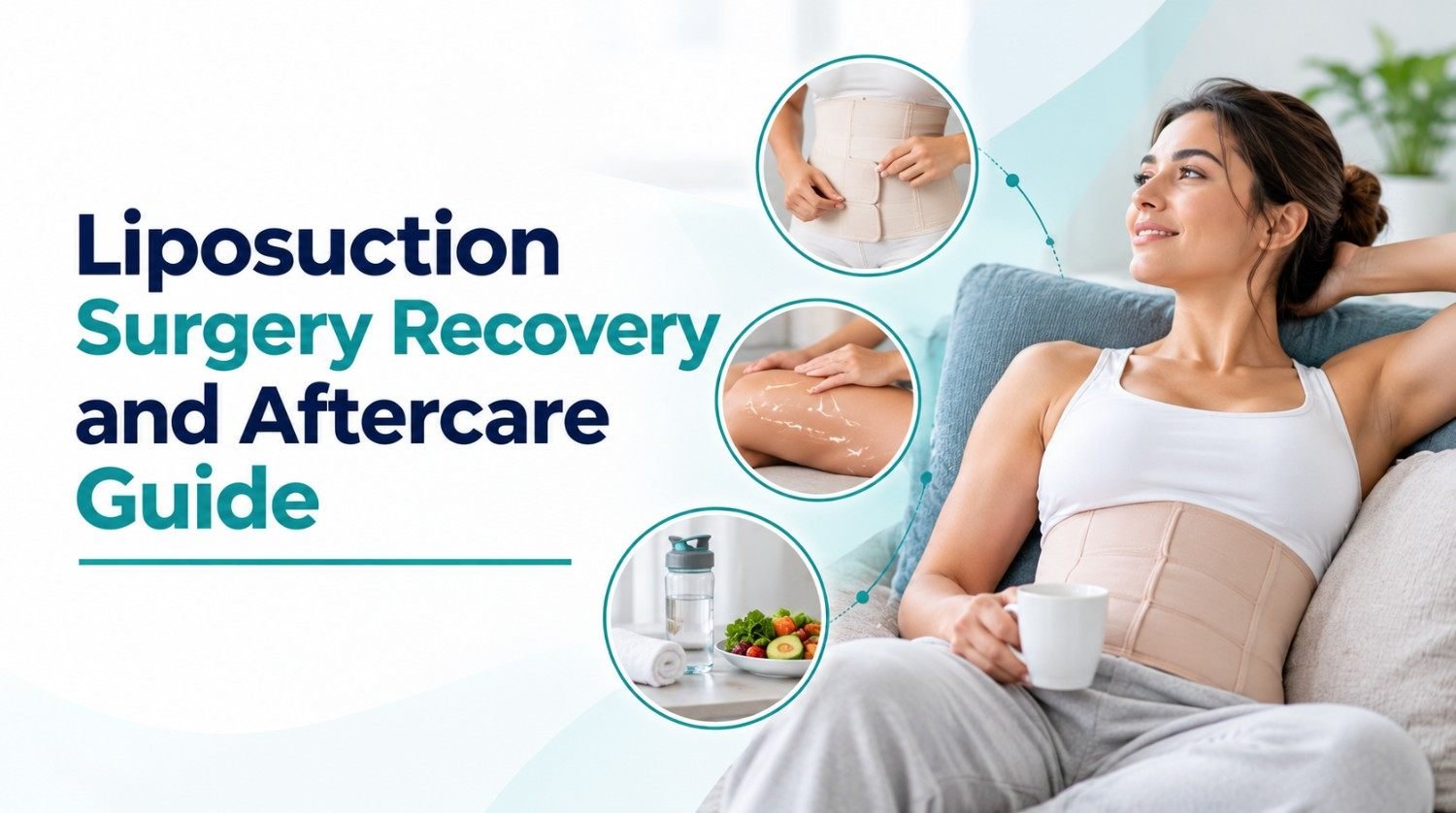
Liposuction Surgery Recovery and Aftercare Guide: 10 Important Tips
Liposuction Surgery Recovery and Aftercare Guide helps patients understand what to expect after liposuction and how to support a safe healing process. After surgery, patients may experience swelling, bruising, tenderness, and temporary changes in sensation. Following the surgeon’s instructions for wound care, compression garments, prescribed medication, and daily activities can help manage these changes. Understanding the recovery timeline also helps patients prepare for rest, arrange support from family members, and gradually return to their usual routines. Learning about proper aftercare is an important step towards making informed decisions and maintaining realistic expectations throughout the recovery journey.
For people considering liposuction surgery recovery and aftercare in Thrissur, knowing how to manage discomfort, maintain healthy eating habits, and recognise warning signs can make the recovery process easier to understand. Patients should attend follow-up appointments, avoid strenuous activities until medically cleared, and contact their healthcare team if they experience unusual symptoms. Recovery varies depending on the treatment area, surgical technique, and individual health. A qualified plastic surgeon can provide personalised instructions about compression garments, wound care, exercise, and returning to work. With appropriate medical guidance and consistent aftercare, patients can better understand each stage of healing after liposuction surgery.
1. Understanding Liposuction Surgery Recovery
Liposuction surgery recovery begins immediately after the procedure. During surgery, a surgeon removes fat through small incisions using a specialised instrument called a cannula. After the procedure, the treated areas may feel sore, swollen, bruised, or tender. These changes are part of the body’s normal healing response. Some patients may also notice temporary numbness or fluid drainage from the small incisions. The exact recovery experience depends on the treatment area, the amount of fat removed, the technique used, and the patient’s general health. Following the surgeon’s instructions helps patients understand which changes are expected and when medical advice may be necessary.
The first few days usually require rest, assistance with household activities, and careful attention to the treated areas. Patients should arrange for someone to accompany them home if they receive anaesthesia that affects their ability to travel safely. It is also helpful to prepare comfortable clothing, prescribed medicines, meals, and a suitable resting space before surgery. Family members can assist with daily tasks while movement is limited. Recovery is different for every person, so patients should not compare their progress with someone else’s experience. A personalised care plan helps establish realistic expectations and provides guidance about returning to normal activities.
2. What to Expect During the First Few Days
The first few days after liposuction are often the most uncomfortable part of recovery. Patients may experience mild to moderate pain, swelling, bruising, and a feeling of tightness around the treated area. The surgeon may provide medication to control discomfort and explain how to manage dressings or drainage. Some fluid may leak from small incision sites, depending on the procedure performed. Patients should follow the specific instructions provided by their surgical team rather than changing dressings or applying products without advice. Resting comfortably, keeping necessary supplies nearby, and asking for help can make this early recovery period easier.
Although rest is important, patients may be encouraged to take short, gentle walks when it is safe to do so. Light movement helps maintain circulation and can reduce the risks associated with remaining still for too long. However, walking should not cause significant pain or strain the treated areas. Heavy lifting, vigorous exercise, and strenuous household work should be avoided until the surgeon gives permission. Patients should also avoid driving while affected by anaesthesia or medicines that cause drowsiness. During the first few days, the main priorities are comfort, safe movement, medication adherence, and monitoring for unusual symptoms.
3. Wearing Compression Garments After Liposuction
Compression garments are commonly recommended after liposuction surgery. These specialised garments fit around the treated area and apply controlled pressure to the skin and underlying tissues. They can help manage swelling, provide support, and improve comfort while the body heals. Depending on the treatment area, a patient may need a compression garment, supportive clothing, or compression bandages. The surgeon will explain which option is appropriate and how it should fit. Patients should not assume that tighter compression produces better results, because excessive pressure may cause discomfort or affect the skin.
The length of time a compression garment must be worn varies according to the procedure and the surgeon’s instructions. Some patients may need to wear it for several weeks. It is important to learn when the garment can be removed for bathing, cleaning, or changing dressings. Patients should check their skin for unusual irritation, pressure marks, or increasing discomfort. If the garment feels excessively tight, causes numbness, or creates other problems, they should contact their surgical team for advice. Proper use can support recovery, but compression garments cannot eliminate every complication or guarantee a particular cosmetic result.
4. Caring for Incisions and Keeping the Skin Clean
After liposuction, the small incision sites need time to heal. The surgeon will explain how to keep the area clean, whether dressings are required, and when bathing is permitted. Patients should wash their hands before touching dressings and avoid rubbing or scratching healing skin. They should not apply creams, oils, powders, herbal products, or home remedies directly to the incisions unless the surgeon approves them. These products may irritate the skin or interfere with the recommended wound-care routine. Following clear instructions is especially important during the early healing period.
Patients should also monitor the incision sites for changes that may suggest a problem. Increasing redness, warmth, worsening pain, unusual discharge, a bad smell, or fever should be reported to a healthcare professional. Small amounts of drainage can occur after some procedures, but patients should follow the instructions they receive about what is expected. They should not remove stitches, alter dressings, or attempt to drain fluid themselves. If the surgeon has scheduled a wound review, attending the appointment allows the healing process to be checked. Careful wound management helps identify concerns early and supports safer recovery.
5. Managing Swelling, Bruising, and Discomfort
Swelling and bruising are common after liposuction because the body needs time to recover from surgery. The treated area may look uneven or feel firm during the early stages of healing. This does not necessarily mean that the final result will look the same. Swelling usually improves gradually, but some may remain for several weeks or months. Temporary changes in sensation can also occur. Patients should allow enough time for the tissues to settle rather than judging the final outcome immediately after surgery. Their surgeon can explain what is typical for the specific procedure performed.
Patients should take prescribed medication according to the instructions provided. They should not increase a dose, combine medicines, or start over-the-counter painkillers without checking whether they are suitable after surgery. Some medicines and supplements may increase bleeding risk or interact with prescribed treatment. Compression garments may help control swelling when used as directed. Patients should also avoid strenuous activity that increases discomfort or puts pressure on the healing area. If pain suddenly becomes severe, swelling increases rapidly, or one area becomes unusually hot or red, prompt medical assessment is important. Sudden shortness of breath or chest pain requires emergency medical attention.
6. Eating Well and Staying Hydrated During Recovery
Good nutrition supports the body’s natural healing process after liposuction. Patients should aim to eat balanced meals containing protein, vegetables, fruits, whole grains, and other nutrient-rich foods. Protein from sources such as eggs, fish, dairy products, beans, lentils, or other suitable foods helps the body repair tissues. Fruits and vegetables provide vitamins and minerals needed for normal body functions. Patients do not need to follow an extreme diet after surgery. Instead, regular, balanced meals can help maintain energy while the body recovers. Anyone with specific dietary restrictions should discuss their needs with a healthcare professional.
Drinking enough water is also important, unless the treating team has recommended fluid restrictions for a medical reason. Patients should avoid crash diets, skipping meals, and unverified supplements promoted as ways to speed up recovery. Alcohol should be avoided while taking medicines that interact with it and according to the surgeon’s instructions. Maintaining a stable weight after healing can help preserve the body contours achieved through liposuction. However, healthy eating cannot replace wound care, medical reviews, or activity restrictions. Patients should focus on steady recovery rather than trying to change their weight rapidly after surgery.
7. Returning to Walking, Work, and Exercise
Returning to everyday activities should happen gradually after liposuction. Gentle walking may be encouraged early in recovery, depending on the procedure and the patient’s condition. However, patients should avoid lifting heavy objects, performing demanding household tasks, or engaging in vigorous exercise until their surgeon confirms that these activities are safe. Returning to strenuous activity too soon may increase discomfort, swelling, or strain on healing tissues. Patients should follow their individual recovery plan rather than relying on a fixed timetable found online.
The time needed to return to work depends on the treatment area, the extent of surgery, the patient’s comfort, and the physical demands of the job. Someone with a desk-based role may return sooner than someone whose work requires prolonged standing, lifting, or physical labour. Driving should resume only when the patient can move comfortably, react safely, and is no longer affected by medicines that impair alertness. Exercise should be restarted in stages after medical clearance. Patients should stop and seek advice if activity causes unusual pain, dizziness, breathing difficulties, or a sudden increase in swelling.
8. Understanding the Liposuction Recovery Timeline
The liposuction recovery timeline varies from one patient to another. During the first week, swelling, bruising, tenderness, and limited activity are common. Over the following weeks, discomfort may gradually decrease, and many patients begin returning to normal routines according to their surgeon’s guidance. Bruising often improves before all swelling has disappeared. Some areas may remain firm, numb, or slightly uneven while the tissues continue to heal. These changes should be discussed with the surgeon if they are worsening, unusually persistent, or causing concern.
Visible results develop gradually as swelling reduces and the treated tissues settle. It may take several months to appreciate the final body contours. Patients should attend follow-up appointments even when they feel better, because a healthcare professional can assess healing and identify issues that may not be obvious at home. Photographs taken at appropriate intervals may help patients and their surgeons review progress. The most useful measure of recovery is not how quickly someone else healed, but whether the patient’s symptoms and physical condition are improving as expected. The surgeon can explain when the result can be assessed more reliably.
9. Recognising Warning Signs and Possible Complications
Although many patients recover without serious problems, liposuction is still a surgical procedure and carries risks. Warning signs may include fever, worsening pain, increasing redness, unusual wound discharge, or rapidly increasing swelling. These symptoms should be reported promptly to the surgical team. Patients should not wait for a scheduled follow-up appointment if they believe something is wrong. Early assessment allows a healthcare professional to determine whether the symptoms are part of normal healing or require treatment. Patients should keep their clinic’s contact details available during recovery.
Certain symptoms require emergency medical attention. These include sudden shortness of breath, chest pain, fainting, confusion, or a rapid heartbeat accompanied by feeling seriously unwell. Such symptoms may indicate a dangerous complication, including a blood clot or a problem affecting breathing or circulation. Patients should seek emergency care rather than attempting to manage these symptoms at home. They should also tell healthcare professionals that they recently underwent surgery. Understanding warning signs is an essential part of a Liposuction Surgery Recovery and Aftercare Guide because safe recovery involves knowing when home care is no longer enough.
10. Follow-Up Appointments and Maintaining Results
Follow-up appointments allow the surgeon to check incision healing, swelling, comfort, and overall recovery. During these visits, patients can ask questions about compression garments, returning to exercise, skin changes, and the appearance of treated areas. They should mention any new symptoms or concerns, even if those symptoms seem minor. If stitches, dressings, or drainage devices require attention, the surgical team will explain the appropriate next steps. Patients should not skip follow-up visits simply because they feel well or can resume some daily activities.
Long-term care also matters after liposuction. The procedure removes fat cells from selected areas, but the remaining fat cells can still increase in size if a person gains weight. Maintaining a stable weight through balanced eating and regular physical activity, once medically cleared, can help preserve the results. Liposuction does not prevent future weight gain, stop natural ageing, or replace a healthy lifestyle. Patients should have realistic expectations about body contouring and understand that results differ between individuals. Regular health check-ups and following medical advice can help support general well-being after recovery.
Liposuction Surgery Recovery and Aftercare Guide in Thrissur
People looking for a Liposuction Surgery Recovery and Aftercare Guide in Thrissur should prioritise clear post-operative instructions, access to follow-up care, and communication with a qualified plastic surgeon. Before surgery, patients can ask how long they may need assistance at home, what supplies to prepare, how compression garments should be used, and when normal activities can resume. Understanding these details in advance can reduce uncertainty for patients and their families. After surgery, the recommended care plan should be followed carefully, and any unexpected symptoms should be discussed promptly with the treating team.
Recovery is a gradual process that requires patience, consistent care, and realistic expectations. Patients should avoid comparing their progress with other people’s experiences or trying unapproved treatments to speed up healing. The surgeon’s instructions should guide wound care, medication use, activity, and follow-up appointments. With appropriate medical supervision and healthy recovery habits, patients can make informed decisions throughout the healing period and better understand how their body changes after liposuction.
Table of Content

Dr Prince
Consultant Plastic & Cosmetic Surgeon
Dr Prince is a Consultant Plastic and Reconstructive Surgeon at the Sushrutha Institute of Plastic Surgery, Elite Mission Hospital, Thrissur. He specializes in aesthetic and reconstructive procedures performed in a fully equipped hospital environment with strict safety protocols.
His expertise includes liposuction, rhinoplasty, gynecomastia correction, tummy tuck, breast surgery, and advanced facial aesthetic procedures, with a focus on safe techniques and natural-looking results.
Sushrutha Institute of Plastic Surgery, Elite Mission Hospital, Thrissur, Kerala
Frequently Asked Questions
Recovery time depends on the treatment area, the amount of fat removed, the surgical technique, and your general health. Some patients return to light activities within a few days, while others need more time. Swelling and changes in the treated tissues may continue for several weeks or months. Follow your surgeon's instructions and attend all scheduled follow-up appointments.
Yes, swelling is a common part of liposuction recovery. The treated areas may temporarily look larger or uneven while the body heals. Swelling usually decreases gradually over the following weeks and months. Follow your surgeon's instructions about compression garments and activity. Contact your medical team if swelling suddenly increases, becomes severe, or occurs with significant pain or other concerning symptoms.
The recommended duration depends on the procedure and your surgeon's instructions. Some patients need to wear a compression garment for several weeks to help manage swelling and support the treated tissues. Make sure it fits correctly and does not cause excessive discomfort. Contact your surgeon if you experience significant pain, numbness, unusual skin colour changes, or circulation problems.
Mild to moderate soreness, tenderness, bruising, and tightness may occur after liposuction. These symptoms generally improve as healing progresses. Take prescribed pain relief only as directed by your surgeon, and do not start additional medicines or supplements without medical advice. Severe, worsening, or unusual pain should be reported promptly to your surgical team.
Your return-to-work date depends on the extent of surgery, your recovery, and the physical demands of your job. People with desk-based jobs may return sooner than those who perform heavy lifting or strenuous activities. Ask your surgeon when it is safe to resume your specific duties. Avoid rushing back to work if you are still experiencing significant discomfort or fatigue.
Gentle walking may be encouraged early in recovery when your surgeon permits it. Strenuous exercise, running, weight training, and high-impact activities usually need to wait until your body has healed sufficiently. Your surgeon will advise when and how to increase activity. Stop exercising and seek medical advice if you develop increasing pain, bleeding, or unusual swelling.
Eat balanced meals containing protein, vegetables, fruits, whole grains, and other nutritious foods. Eggs, lentils, beans, fish, and dairy products can provide protein to support tissue repair. Drink enough fluids unless your doctor has advised a restriction. Avoid crash diets, and check with your medical team before taking supplements that could affect healing or interact with medication.
The timing of your first shower depends on your dressings, incision sites, and surgeon's instructions. Ask how to keep the treated areas clean and when dressings can be removed. Avoid swimming pools, bathtubs, and soaking the incision sites until your surgeon confirms it is safe. Contact your medical team if you notice increasing redness, unusual discharge, or worsening pain around an incision.
Some changes may be noticeable soon after surgery, but swelling can hide the final body contour. The treated areas gradually become easier to assess as swelling decreases over the following weeks and months. Final results may take several months to develop. Maintaining a stable weight and following your surgeon's aftercare instructions can help support your long-term results.
Contact your surgeon if you develop a fever, worsening redness, increasing pain, unusual warmth, heavy bleeding, or concerning discharge. Sudden swelling should also be assessed. Seek emergency medical care immediately if you experience chest pain, sudden shortness of breath, fainting, or coughing up blood. Do not wait for a routine appointment if you experience symptoms that could indicate a serious complication.