7 Powerful Tips: How to Prepare for Surgery With Confidence
Preparing for surgery can feel overwhelming, especially when you are unsure about what to do before the procedure. Knowing how to prepare for surgery can make the process more organized, reduce avoidable stress, and help you follow your surgical team’s instructions correctly. Whether you are preparing for a minor procedure or a major operation in Thrissur, careful preparation is an important part of the overall surgical journey.
Every surgery is different, so preparation should always be based on the specific instructions provided by your healthcare team. Your medical history, type of procedure, anesthesia, medications, and general health can all influence your preparation plan. This guide explains the important steps involved in how to prepare for surgery, from medical assessments and medication review to fasting, transportation, recovery planning, and postoperative care.
Understand Your Surgery and Preparation Requirements
One of the first steps in how to prepare for surgery is understanding what will happen before, during, and after the procedure. Having clear information can help you make practical arrangements and know what questions to ask.
Before surgery, ask your healthcare team about:
- The name and purpose of the procedure
- How the surgery will be performed
- Whether general, regional, or local anesthesia will be used
- How long the procedure may take
- Whether an overnight hospital stay is expected
- What restrictions may apply before surgery
- What recovery may involve
- When normal activities can usually be resumed
- Which warning signs require medical attention
Understanding these details can make the preparation process easier. Do not hesitate to ask for clarification if medical terminology or instructions are difficult to understand.
You should also find out whether you need to arrive at the hospital several hours before the procedure. Some surgeries require additional preparation, such as blood tests, imaging, intravenous fluids, or other assessments.
Complete Your Preoperative Medical Evaluation
A medical evaluation is an important part of how to prepare for surgery. The surgical and anesthesia teams need relevant information about your health so they can plan the procedure safely.
Depending on the surgery and your individual circumstances, your preoperative evaluation may include:
- Medical history review
- Physical examination
- Blood tests
- Urine testing
- Blood pressure measurement
- Electrocardiogram when appropriate
- Imaging studies when required
- Anesthesia assessment
- Review of previous surgical or anesthesia experiences
Make sure your healthcare team knows about previous medical procedures, allergies, reactions to medications, and any relevant health conditions.
Bring or provide an accurate list of medicines you currently use. This includes prescription medications, over-the-counter medicines, vitamins, herbal products, and supplements.
Do not stop or change any medication on your own. Some medicines may need to be continued, while others may need temporary adjustment before surgery. Your healthcare team should provide specific instructions.
Follow Medication Instructions Carefully
Medication management is one of the most important aspects of how to prepare for surgery.
Certain medicines can affect bleeding, blood pressure, blood sugar, heart function, or the body’s response to anesthesia. For this reason, some medications may need special instructions before an operation.
Your healthcare team may ask you to:
- Continue certain regular medications
- Temporarily stop specific medicines
- Change the timing of some medicines
- Avoid particular supplements
- Take selected medications with a small amount of water
The instructions depend on your medical situation and the type of surgery.
Medicines and Supplements to Discuss
Tell your healthcare provider if you take:
- Blood-thinning medicines
- Pain relievers
- Diabetes medications
- Blood pressure medicines
- Hormonal medicines
- Vitamins
- Herbal supplements
- Weight-management medicines
- Non-prescription medicines
Never assume that a product is harmless simply because it is available without a prescription. Some supplements can affect bleeding or interact with anesthetic medicines.
Keeping an updated medication list can make communication easier and reduce the possibility of mistakes.
Follow Eating and Fasting Instructions
Fasting is another major consideration when learning how to prepare for surgery. If anesthesia or sedation is planned, your healthcare team may give you specific instructions about when to stop eating and drinking.
The exact fasting requirements can vary depending on:
- Type of surgery
- Type of anesthesia
- Your medical history
- Hospital protocols
- Timing of the procedure
Follow the instructions you receive rather than relying on general advice from friends, websites, or previous procedures.
You may be instructed to avoid solid foods for a certain period and to stop drinking liquids at a specified time. In some circumstances, clear liquids may be permitted until a particular time.
Why Fasting Matters
Following fasting instructions can help reduce the risk of complications associated with anesthesia. Food or liquid remaining in the stomach can potentially enter the airway during certain types of anesthesia.
If you accidentally eat or drink after the instructed cutoff time, tell the healthcare team. Do not hide the information because you are concerned that the procedure could be postponed. Accurate information helps the team make the safest decision.
Prepare Your Body Before the Procedure
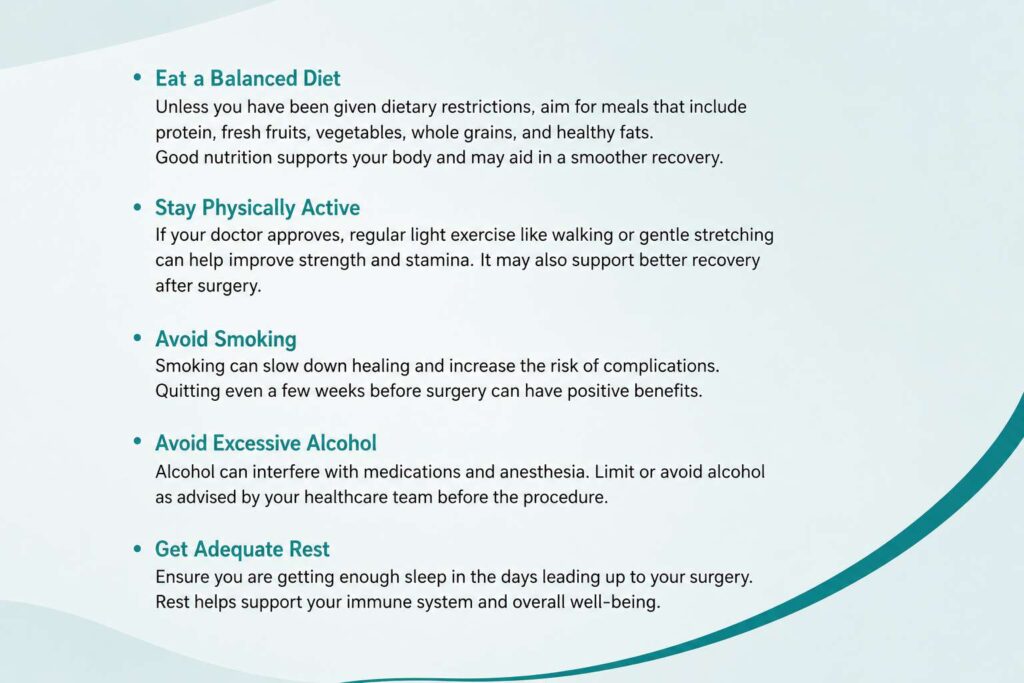
Another important part of how to prepare for surgery is maintaining healthy routines whenever your healthcare team permits them.
Eat a Balanced Diet
Unless you have been given dietary restrictions, aim for balanced meals containing appropriate amounts of:
- Protein
- Vegetables
- Fruits
- Whole grains
- Healthy fats
- Adequate fluids
Good nutrition supports normal body functions and can be particularly important during recovery.
Stay Physically Active
If your healthcare provider says exercise is appropriate, maintaining regular physical activity may help you remain physically prepared for surgery.
However, do not begin a demanding exercise program immediately before surgery without professional guidance. The appropriate activity level depends on your health and the planned procedure.
Avoid Smoking
Smoking can interfere with healing and may increase certain surgical and respiratory risks. If you smoke, discuss cessation with your healthcare provider before surgery.
Avoid Excessive Alcohol
Alcohol can interact with medications and may affect several body systems. Discuss alcohol consumption with your healthcare team and follow their recommendations before surgery.
Organize Everything for the Day of Surgery
Practical planning is an often-overlooked part of how to prepare for surgery. Organizing essential details beforehand can reduce last-minute stress.
Arrange Transportation
If anesthesia or sedation is used, you may not be able to drive yourself home afterward. Arrange transportation in advance and follow your healthcare team’s instructions regarding whether someone needs to stay with you.
Prepare Essential Items
Depending on your hospital’s requirements, you may need:
- Identification documents
- Medical records
- Insurance information
- Medication list
- Previous test reports
- Comfortable clothing
- Basic personal items
- Necessary assistive devices
Avoid carrying valuables unless specifically required.
Plan Your Clothing
Wear comfortable clothing that is easy to change. Avoid unnecessary jewelry and follow hospital instructions regarding makeup, nail products, contact lenses, and personal accessories.
Prepare Your Home and Recovery Plan
Knowing how to prepare for surgery also means thinking beyond the operating room. Recovery planning should begin before the procedure.
Depending on your surgery, you may temporarily need help with:
- Cooking
- Cleaning
- Shopping
- Childcare
- Transportation
- Medication schedules
- Personal activities
- Mobility
Arrange support before surgery whenever possible.
Make Your Recovery Space Comfortable
Keep commonly used items within easy reach. You may also want to prepare meals in advance if standing for long periods or cooking will be difficult during early recovery.
If mobility is expected to be limited, remove unnecessary obstacles from walking areas and make sure frequently used rooms are easy to access.
Understand Activity Restrictions
Your healthcare team may provide temporary restrictions related to:
- Driving
- Lifting
- Exercise
- Work
- Bathing
- Sexual activity
- Sports
- Travel
Follow these instructions carefully. Returning to normal activities too quickly can interfere with recovery.
Prepare Emotionally for Surgery
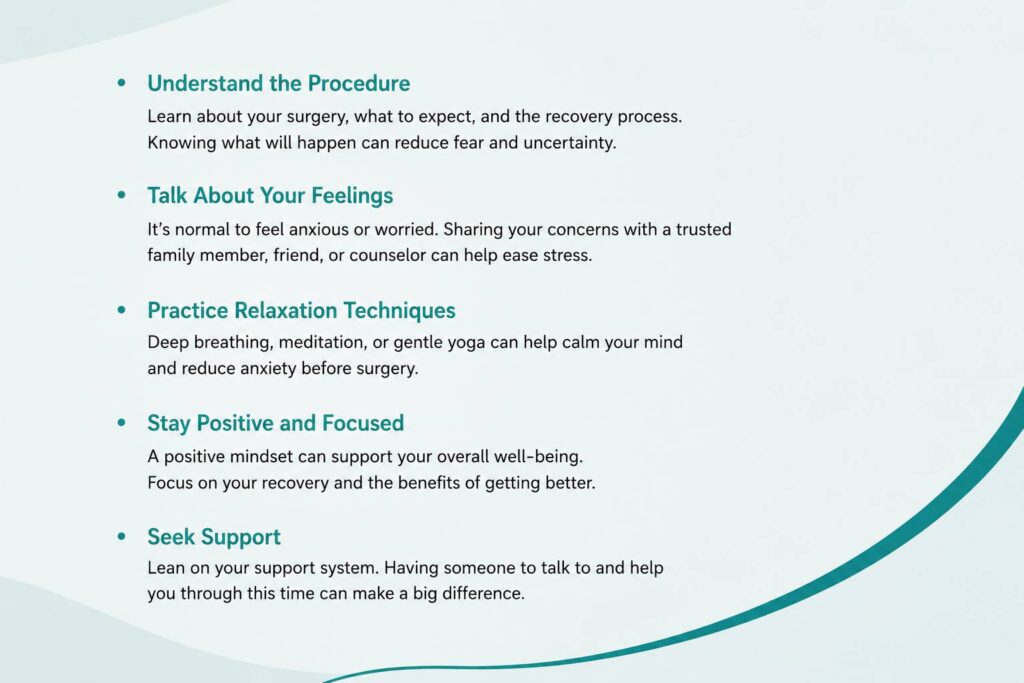
It is normal to experience anxiety before an operation. Fear of anesthesia, pain, complications, or the unknown can make surgery feel stressful.
One useful aspect of how to prepare for surgery is addressing concerns before the day of the procedure.
Consider discussing:
- Your biggest concerns
- Expected pain management
- Anesthesia-related questions
- Recovery expectations
- Hospital stay
- When you can return home
- Follow-up arrangements
Reliable information can often reduce uncertainty.
Avoid comparing your surgical experience with someone else’s. Two people can undergo similar procedures and have very different experiences because of differences in health, age, medications, procedure complexity, and recovery.
Know What to Expect on the Day of Surgery
Knowing what usually happens can make the day feel more manageable.
Depending on the procedure, you may go through several stages:
- Hospital or surgical center registration
- Confirmation of medical information
- Vital-sign assessment
- Review of medications and allergies
- Surgical-site confirmation when applicable
- Anesthesia assessment
- Preparation for the operating room
- Surgical procedure
- Recovery-room monitoring
- Discharge or hospital admission
The exact sequence can vary.
You may be asked the same questions more than once. This is generally part of the safety process used to verify important information.
Understand Anesthesia and Pain Management
Anesthesia may be an important part of how to prepare for surgery, particularly when your procedure requires sedation or loss of sensation.
Depending on the operation, anesthesia may include:
- Local anesthesia
- Regional anesthesia
- General anesthesia
- Sedation
Your anesthesia team may ask about previous anesthesia experiences, allergies, medications, medical conditions, and when you last ate or drank.
Pain management may involve several approaches depending on the procedure. Your healthcare team may discuss medication, positioning, movement, wound care, or other measures.
Do not assume that severe pain is something you simply have to tolerate. If pain is difficult to control, communicate with your healthcare team.
Prepare for Post-Surgery Care
The preparation process should include understanding what happens after the procedure.
Before surgery, ask:
- What type of wound care will be required?
- Will I need prescribed medications?
- When should I attend follow-up?
- What activities should I avoid?
- What symptoms are expected?
- Which symptoms require urgent medical attention?
- When can I return to work?
- When can I exercise again?
Written instructions can be helpful because it may be difficult to remember everything immediately after anesthesia.
Make sure you understand how and when to take prescribed medications. If instructions are unclear, ask the healthcare team or pharmacist for clarification.
Recognize Symptoms That Should Be Reported
Some discomfort can be expected after surgery, but certain symptoms may require prompt medical assessment.
Depending on the procedure, contact your healthcare team if you experience concerning symptoms such as:
- Increasing or severe pain
- Persistent vomiting
- Significant bleeding
- Fever
- Increasing redness or swelling around a wound
- Pus or unusual wound drainage
- Difficulty breathing
- Chest pain
- Severe dizziness
- New confusion
- Other symptoms specifically identified in your discharge instructions
The appropriate response depends on the type of surgery and your individual circumstances. Follow the emergency and postoperative instructions provided by your healthcare team.
Common Mistakes to Avoid Before Surgery
Learning how to prepare for surgery also means knowing what not to do.
Common mistakes include:
- Ignoring fasting instructions
- Stopping prescribed medication without guidance
- Forgetting to mention supplements
- Failing to report allergies
- Smoking despite medical advice to stop
- Arriving late because transportation was not arranged
- Bringing unnecessary valuables
- Not planning postoperative assistance
- Assuming every surgery has the same preparation requirements
- Searching for answers online instead of asking the surgical team about individual instructions
Preparation should be personalized to your procedure.
Useful Questions to Ask Before Surgery
Preparing a short list of questions can help you feel more confident.
You may ask:
- What exactly will happen during the procedure?
- What type of anesthesia will be used?
- How long should the procedure take?
- What tests are required before surgery?
- Which medications should I take on the day of surgery?
- When should I stop eating and drinking?
- What should I bring to the hospital?
- How long will recovery take?
- What activities should I avoid?
- When should I return for follow-up?
- What symptoms should concern me?
- Who should I contact if I have a problem after discharge?
Write down the answers or request written instructions when available.
Benefits of Proper Surgical Preparation
Following appropriate preparation instructions can make the surgical process more organized and help healthcare professionals obtain the information they need.
Potential benefits include:
- Better understanding of the procedure
- Improved communication with healthcare professionals
- More organized medication management
- Appropriate fasting
- Better logistical planning
- Reduced last-minute stress
- Improved preparation for recovery
- Greater awareness of postoperative instructions
However, preparation cannot eliminate every possible surgical risk. Surgery always carries risks that vary according to the procedure and the individual’s health.
The goal is to follow professional guidance carefully and provide complete, accurate information.
A Simple Pre-Surgery Preparation Checklist
A practical checklist can make how to prepare for surgery easier to manage.
Before the Procedure
- Confirm the surgery date and arrival time.
- Understand the procedure and expected recovery.
- Complete required medical tests.
- Provide an accurate medical history.
- Prepare your medication and supplement list.
- Follow medication instructions.
- Follow eating and fasting instructions.
- Ask questions about anesthesia.
- Arrange transportation.
- Arrange postoperative support.
- Prepare your home for recovery.
- Keep important documents and medical reports ready.
On the Day
- Follow the hospital’s arrival instructions.
- Avoid eating or drinking outside the permitted schedule.
- Take only medications specifically approved for that morning.
- Wear appropriate, comfortable clothing.
- Avoid unnecessary valuables.
- Bring required documents and medical information.
- Inform the healthcare team about any change in your condition.
Conclusion
Understanding how to prepare for surgery involves much more than arriving at the hospital on the scheduled day. Good preparation includes completing medical assessments, reviewing medications, following fasting instructions, maintaining appropriate health habits, arranging transportation, preparing your home, and understanding postoperative care.
Every surgical procedure has its own requirements, so general information should not replace personalized medical instructions. If you are preparing for surgery in Thrissur, discuss your individual preparation plan with your healthcare team and make sure you understand exactly what is expected before, during, and after the procedure. Careful planning and clear communication can help make your surgical journey more organized and manageable. For more information on how to prepare for surgery, visit Mayo Clinic’s guide to preparing for anesthesia and surgery for practical guidance on medications, fasting, lifestyle preparation, and anesthesia.
Frequently Asked Questions

Dr Prince
Consultant Plastic & Cosmetic Surgeon
Dr Prince is a Consultant Plastic and Reconstructive Surgeon at the Sushrutha Institute of Plastic Surgery, Elite Mission Hospital, Thrissur. He specializes in aesthetic and reconstructive procedures performed in a fully equipped hospital environment with strict safety protocols.
His expertise includes liposuction, rhinoplasty, gynecomastia correction, tummy tuck, breast surgery, and advanced facial aesthetic procedures, with a focus on safe techniques and natural-looking results.
Sushrutha Institute of Plastic Surgery, Elite Mission Hospital, Thrissur, Kerala