Gynecomastia Surgery Procedure
Understanding the gynecomastia surgery procedure is important for individuals considering treatment for male chest enlargement. Many men seek surgery when exercise and lifestyle changes do not improve chest contour or reduce gland tissue.
The gynecomastia surgery procedure is designed to remove excess fat, gland tissue, and sometimes loose skin to create a flatter and more masculine chest appearance. Modern surgical techniques focus on safety, natural-looking results, and improved recovery.
This guide explains everything you should know about the gynecomastia surgery procedure, including preparation, treatment methods, surgical steps, recovery, benefits, and frequently asked questions.
What Is Gynecomastia?
Gynecomastia is a condition that causes enlargement of male breast tissue. It can affect one or both sides of the chest and may develop because of hormonal imbalance, weight changes, medications, genetics, or certain medical conditions.
When non-surgical methods are not effective, the gynecomastia surgery procedure may be recommended.
Who May Need the Gynecomastia Surgery Procedure?
A person may consider the gynecomastia surgery procedure if:
- Chest enlargement does not improve naturally
- Exercise fails to reduce gland tissue
- The condition affects self-confidence
- There is persistent chest fullness
- Loose skin or puffy nipples are present
Types of Gynecomastia
The gynecomastia surgery procedure depends on the type and severity of chest enlargement.
Fatty Gynecomastia
Mostly caused by excess fat accumulation.
Glandular Gynecomastia
Caused by firm gland tissue enlargement.
Mixed Gynecomastia
Combination of fat and gland tissue.
Severe Gynecomastia
May include excess skin and significant chest enlargement.
Consultation Before the Gynecomastia Surgery Procedure
Proper consultation is an important step before surgery.
Medical Evaluation
The surgeon reviews:
- Medical history
- Medications
- Hormonal conditions
- Lifestyle habits
Physical Examination
Chest tissue and skin elasticity are examined carefully.
Diagnostic Tests
Some patients may require:
- Blood tests
- Hormone evaluation
- Imaging tests
Preparing for the Gynecomastia Surgery Procedure
Preparation helps improve safety and recovery.
Common Pre-Surgery Instructions
- Avoid smoking
- Maintain stable body weight
- Stop certain medications if advised
- Follow fasting instructions before surgery
Types of Surgical Techniques
The gynecomastia surgery procedure may involve one or more techniques depending on individual needs.
Liposuction Procedure
Liposuction removes excess chest fat through small incisions.
How It Works
A thin tube called a cannula is inserted to remove fat deposits.
Benefits
- Smaller scars
- Improved contour
- Faster recovery
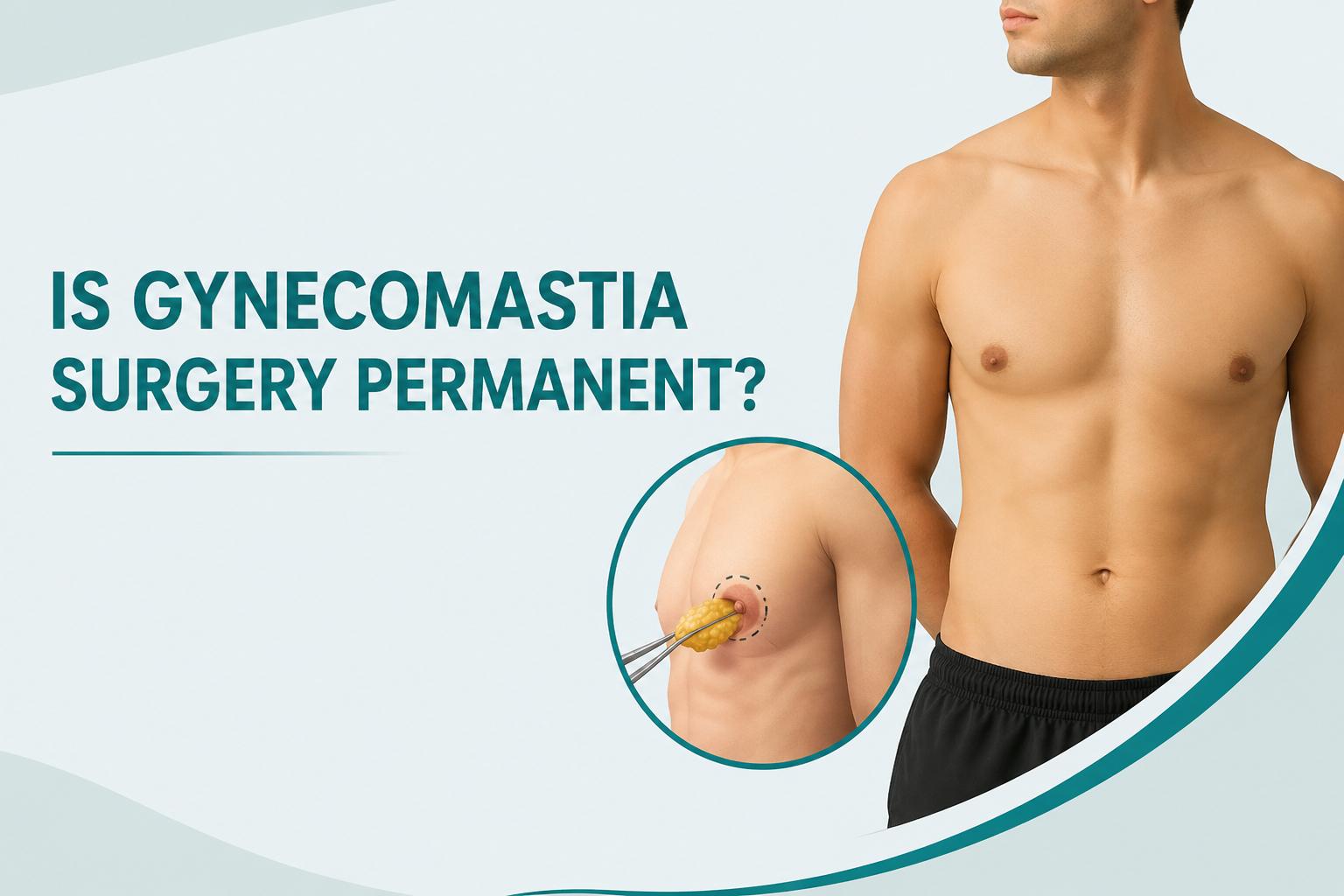
Gland Excision Procedure
Dense gland tissue is surgically removed.
Suitable For
- Puffy nipples
- Firm gland tissue
- Moderate or severe gynecomastia
Combined Gynecomastia Surgery Procedure
Many patients benefit from both liposuction and gland removal for better contouring.
Step-by-Step Gynecomastia Surgery Procedure
Understanding the surgical steps helps reduce anxiety before treatment.
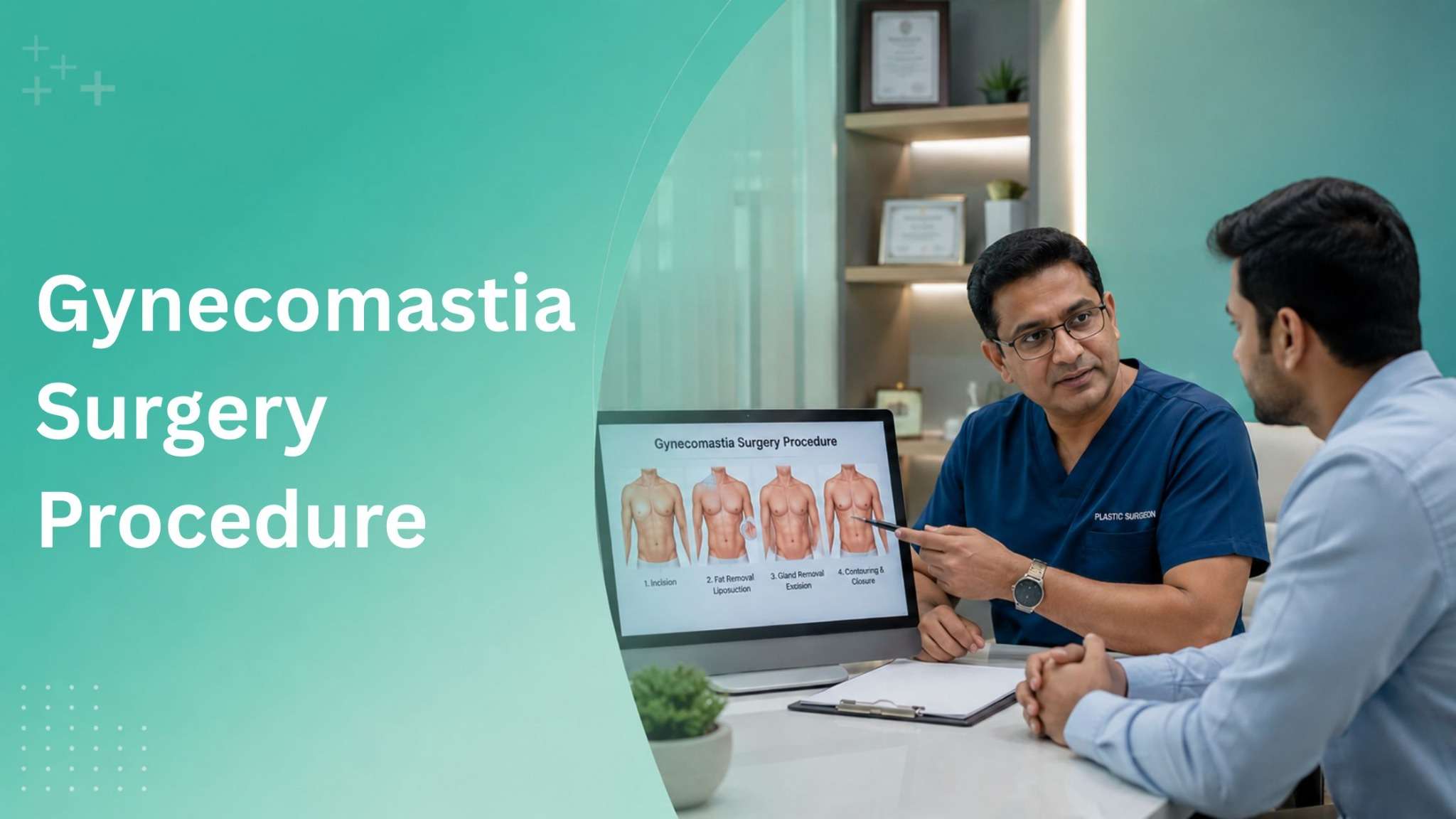
Step 1: Anesthesia
The gynecomastia surgery procedure is usually performed under local or general anesthesia.
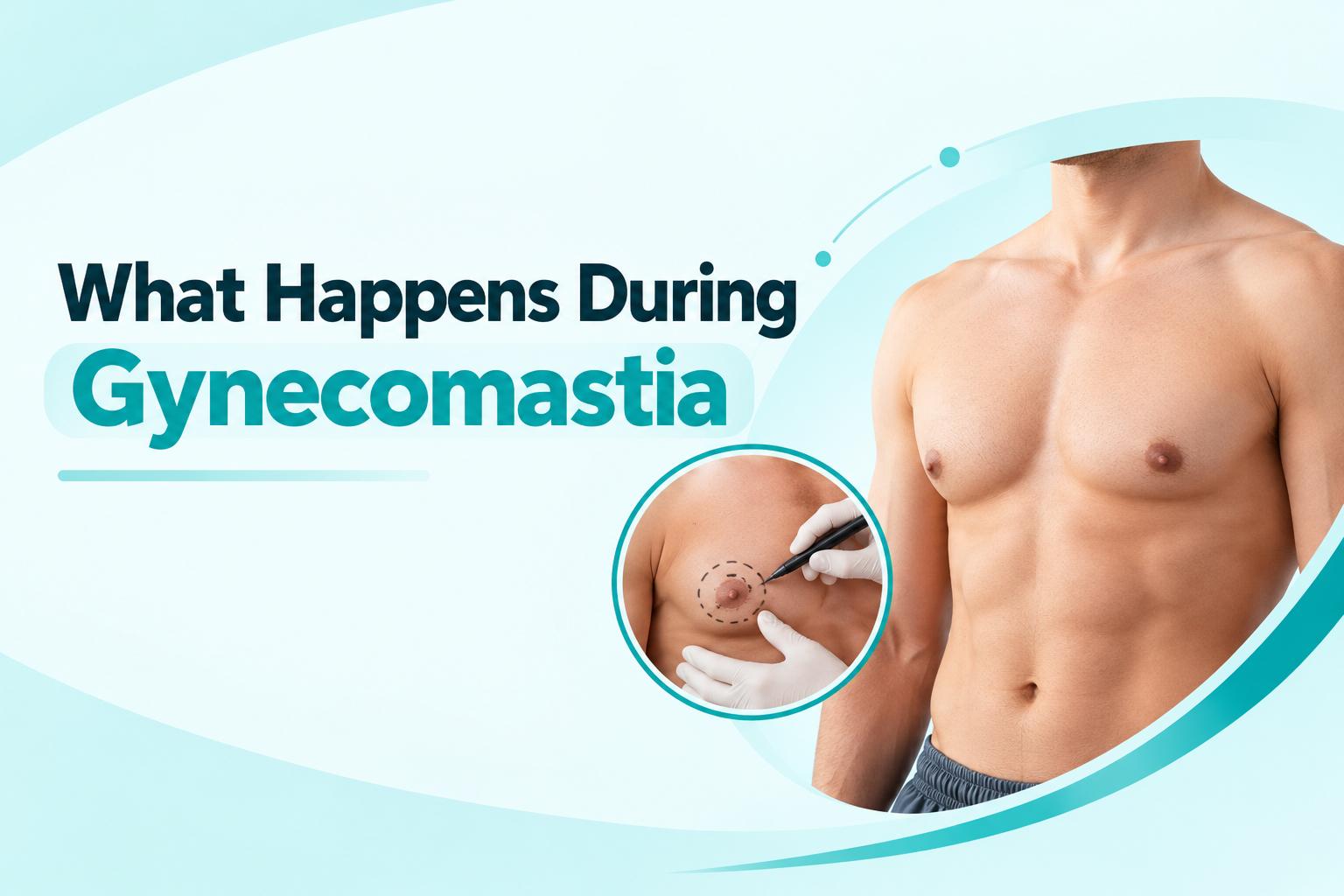
Step 2: Surgical Marking
The surgeon marks the treatment area to guide contouring.
Step 3: Incision Placement
Small incisions are carefully placed in less noticeable areas.
Step 4: Fat Removal
Liposuction may be used to remove excess fat.
Step 5: Gland Tissue Removal
Firm gland tissue is removed to flatten the chest contour.
Step 6: Chest Reshaping
The chest is carefully sculpted for natural masculine proportions.
Step 7: Closure
Incisions are closed using surgical techniques designed to minimize visible scarring.
Duration of the Gynecomastia Surgery Procedure
The surgery duration varies depending on:
- Severity of gynecomastia
- Surgical method used
- Amount of tissue removal
Most procedures are completed within a few hours.
Recovery After the Gynecomastia Surgery Procedure
Recovery is an important part of achieving the best results.
Common Recovery Symptoms
- Swelling
- Bruising
- Mild discomfort
- Temporary tightness
Recovery Tips
Wear Compression Garments
Compression garments help reduce swelling and support healing.
Avoid Heavy Activities
Strenuous exercise should be avoided initially.
Attend Follow-Up Visits
Regular check-ups help monitor healing progress.
Benefits of the Gynecomastia Surgery Procedure
The gynecomastia surgery procedure offers both physical and emotional benefits.
Physical Benefits
- Flatter chest contour
- Improved body proportions
- Better clothing fit
Emotional Benefits
- Increased confidence
- Improved self-image
- Better comfort during social activities
Risks and Complications
Like all surgeries, the gynecomastia surgery procedure may involve risks.
Possible Risks
- Swelling
- Bruising
- Minor asymmetry
- Temporary numbness
- Fluid collection
- Scarring
Proper surgical planning helps reduce these risks.
Long-Term Results
Results are usually long-lasting when healthy lifestyle habits are maintained.
Tips to Maintain Results
- Maintain stable weight
- Exercise regularly
- Avoid anabolic steroids
- Follow healthy nutrition habits
Common Myths About the Gynecomastia Surgery Procedure
Myth: Surgery is only cosmetic
The procedure can also improve confidence and emotional well-being.
Myth: Exercise always removes gynecomastia
Exercise may reduce fat but not gland tissue.
Myth: Results look unnatural
Modern techniques focus on natural chest contouring.
Choosing the Right Surgeon
Selecting an experienced surgeon is important for safety and results.
Consider:
- Plastic surgery specialization
- Experience in male chest contouring
- Hospital facilities
- Ethical consultation approach
- Personalized treatment planning
Who Is an Ideal Candidate?
You may be a suitable candidate if you:
- Have persistent chest enlargement
- Are physically healthy
- Have realistic expectations
- Maintain stable body weight
Conclusion
The gynecomastia surgery procedure is designed to improve male chest contour by removing excess fat, gland tissue, and loose skin when necessary. Modern surgical techniques focus on safety, natural-looking results, and smoother recovery. Understanding each stage of the procedure helps patients feel more confident and prepared before treatment.
Choosing experienced surgical care, following proper recovery instructions, and maintaining healthy lifestyle habits are important for long-lasting results. With personalized treatment planning and ethical medical care, many individuals experience improved confidence, comfort, and body image after surgery.
For more educational information about gynecomastia treatment and male chest correction procedures, visit American Society of Plastic Surgeons.
Frequently Asked Questions
1. What is a gynecomastia surgery procedure?
The gynecomastia surgery procedure removes excess chest fat and gland tissue to create a flatter and more masculine chest contour.
2. Who may need a gynecomastia surgery procedure?
Men with persistent chest enlargement that does not improve with exercise or weight loss may consider surgery.
3. Is the gynecomastia surgery procedure painful?
Mild discomfort and swelling are common after surgery, but most patients manage recovery comfortably with proper care.
4. How long does the gynecomastia surgery procedure take?
The procedure is usually completed within a few hours depending on the severity of the condition and treatment method.
5. Will there be scars after gynecomastia surgery?
Small scars may occur, but surgeons typically place incisions carefully to minimize visible scarring.
6. What is the recovery period after surgery?
Most patients return to normal daily activities within a few weeks, although complete healing may take longer.
7. Are compression garments necessary after the procedure?
Yes, compression garments help reduce swelling and support proper healing after surgery.
8. Can gynecomastia return after surgery?
Recurrence is uncommon, but maintaining healthy lifestyle habits is important for long-term results.
9. Is liposuction always part of the gynecomastia surgery procedure?
Not always. Some patients require gland removal only, while others benefit from combined liposuction and excision.
10. How do I prepare for a gynecomastia surgery procedure?
Preparation may include avoiding smoking, maintaining stable weight, and following medical instructions before surgery.

Dr Prince
Consultant Plastic & Cosmetic Surgeon
Dr Prince is a Consultant Plastic and Reconstructive Surgeon at the Sushrutha Institute of Plastic Surgery, Elite Mission Hospital, Thrissur. He specializes in aesthetic and reconstructive procedures performed in a fully equipped hospital environment with strict safety protocols.
His expertise includes liposuction, rhinoplasty, gynecomastia correction, tummy tuck, breast surgery, and advanced facial aesthetic procedures, with a focus on safe techniques and natural-looking results.
Sushrutha Institute of Plastic Surgery, Elite Mission Hospital, Thrissur, Kerala