Before & After Care Tips
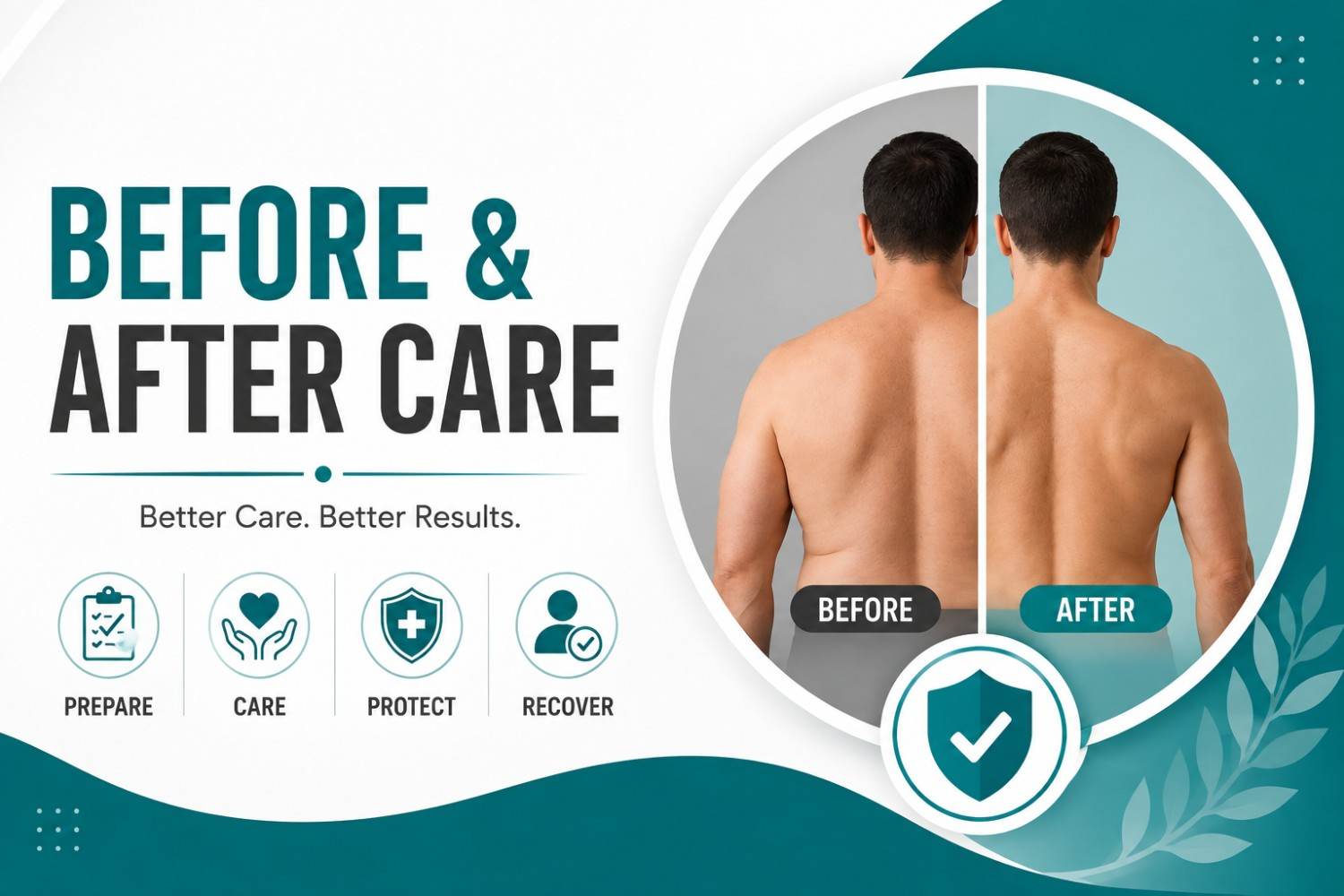
Proper before & after care plays an important role in supporting a smooth treatment experience and recovery. Whether you are preparing for a surgical procedure, cosmetic treatment, or another planned intervention, the steps you take before and after treatment can influence comfort, healing, and overall recovery.
Many people focus mainly on the procedure itself and overlook the importance of preparation and post-treatment care. However, following professional instructions, maintaining healthy habits, preparing your home, taking prescribed medicines correctly, and attending follow-up appointments can all contribute to better recovery.
What Does Before & After Care Mean?
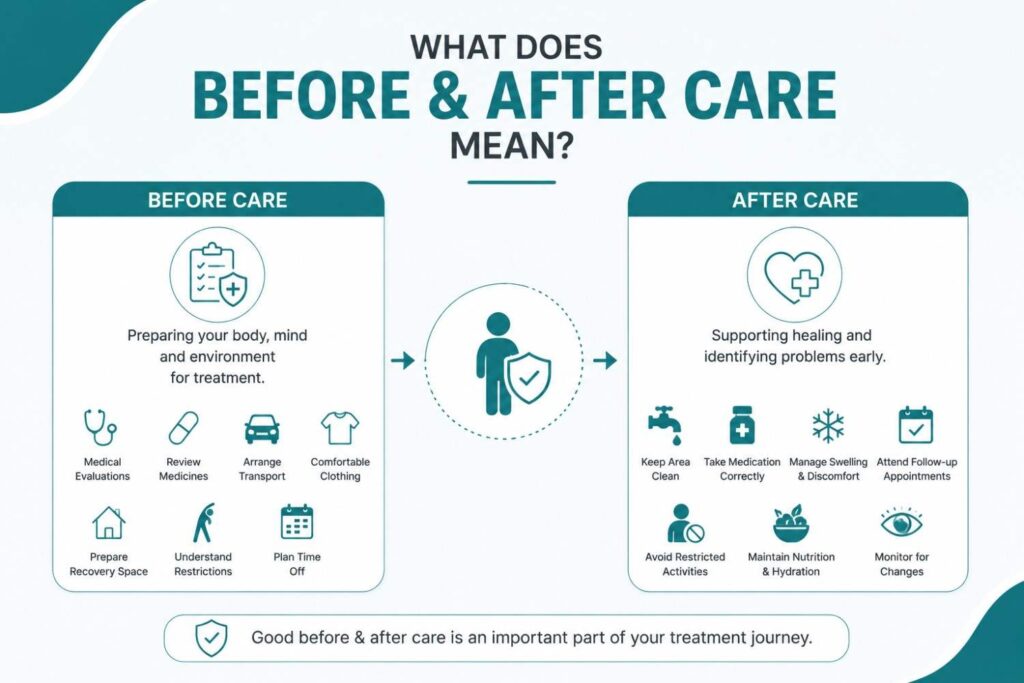
Before & after care refers to the preparation and recovery steps followed around a medical or surgical procedure.
Before Care
Before care focuses on preparing your body, mind, medications, home environment, and daily routine for treatment.
It may include:
- Completing recommended medical evaluations.
- Following instructions about food and drinks.
- Reviewing medicines and supplements.
- Arranging transportation when necessary.
- Preparing comfortable clothing.
- Organizing your recovery space.
- Understanding activity restrictions.
- Planning time away from work or routine activities.
After Care
After care begins once treatment has been completed. It focuses on supporting healing and identifying problems early.
It may include:
- Keeping the treated area clean as instructed.
- Taking prescribed medication correctly.
- Managing swelling or discomfort according to professional advice.
- Attending follow-up appointments.
- Avoiding restricted activities.
- Maintaining appropriate nutrition and hydration.
- Monitoring for unusual changes.
Good before & after care is therefore an important part of the overall treatment journey.
Why Is Before & After Care Important?
The treatment itself is only one part of the recovery process. Appropriate preparation and aftercare can help you understand what to expect and follow the recovery plan more confidently.
Better Preparation
Knowing what will happen before treatment can reduce uncertainty and help you organize practical details.
Support for Healing
Following post-treatment instructions can help create suitable conditions for the body to recover.
Better Medication Management
A clear medication plan can help prevent missed doses, incorrect use, or unnecessary self-medication.
Early Recognition of Problems
Knowing which changes are expected and which require medical attention can help you seek advice promptly.
More Comfortable Recovery
Preparing your home, clothing, meals, transportation, and daily schedule can make the recovery period easier to manage.
Before & After Care: 10 Essential Tips
1. Follow Your Professional’s Instructions Carefully
One of the most important parts of before & after care is following the instructions provided by your healthcare professional.
These instructions may cover:
- Food and drink restrictions.
- Medication adjustments.
- Hygiene.
- Activity levels.
- Wound care.
- Compression garments.
- Sleeping positions.
- Follow-up appointments.
Do not replace individualized instructions with general advice found online. Your treatment plan is based on your procedure and personal health requirements.
2. Discuss Your Medicines and Supplements
Before treatment, provide a complete list of medicines, vitamins, supplements, and other products you use.
Some medicines and supplements may affect bleeding, blood pressure, healing, or interactions with other medications.
However, do not stop prescribed medicines on your own.
Your healthcare professional can tell you whether any medication needs to be changed, paused, or continued.
After treatment, take medicines exactly as instructed. Do not increase or decrease a prescribed dose without professional guidance.
3. Prepare Your Recovery Area
Preparing your home before treatment can make aftercare much easier.
Keep commonly used items within easy reach. Depending on the procedure, you may need to avoid excessive bending, stretching, lifting, or climbing stairs for a period of time.
Consider preparing:
- Comfortable clothing.
- Clean bedding.
- Necessary medicines.
- Drinking water.
- Easy-to-prepare meals.
- Entertainment.
- Phone chargers.
- Important contact numbers.
A well-prepared recovery space can reduce unnecessary physical effort during the initial recovery period.
4. Arrange Transportation and Support
Some procedures may require you to avoid driving immediately afterward.
If sedation, anesthesia, medication, or physical limitations are involved, arrange transportation in advance.
Depending on the procedure, having a trusted person available during the early recovery period may also be useful.
Ask your healthcare professional:
- When can I drive?
- When can I return to work?
- Do I need someone to stay with me?
- When can I resume normal household activities?
Planning these details before treatment can prevent unnecessary stress afterward.
5. Maintain Appropriate Nutrition and Hydration
Good nutrition supports general health and provides the body with nutrients needed during recovery.
Unless your healthcare professional gives different instructions, aim for a balanced diet containing appropriate amounts of:
- Protein.
- Fruits and vegetables.
- Whole grains.
- Healthy fats.
- Adequate fluids.
Protein is particularly important because it contributes to tissue maintenance and repair.
If you have dietary restrictions or medical conditions affecting your diet, follow the recommendations provided by your healthcare team.
6. Keep the Treated Area Clean
Hygiene is an important part of before & after care.
After a procedure, follow the exact instructions regarding bathing, showering, wound cleaning, dressings, and topical products.
Do not apply creams, oils, powders, herbal preparations, or other products to a healing area unless they have been recommended.
Avoid unnecessary touching of the treated area, particularly with unwashed hands.
If a dressing is used, change it only according to the instructions provided.
7. Manage Activity Gradually
One common mistake during recovery is trying to return to normal activities too quickly.
Some procedures require temporary restrictions on:
- Exercise.
- Heavy lifting.
- Bending.
- Stretching.
- Driving.
- Sports.
- Sexual activity.
- Work-related physical activity.
The appropriate timeline varies by procedure.
Light movement may be encouraged in some situations, while other procedures may require more specific restrictions.
Do not use someone else’s recovery timeline as a guide for your own.
8. Attend Follow-Up Appointments
Follow-up appointments are an important part of before & after care.
Your healthcare professional can assess healing, review symptoms, change dressings when necessary, remove sutures if applicable, and determine when activities can be resumed.
Even if you feel well, do not automatically skip a scheduled appointment.
Follow-up visits also provide an opportunity to ask questions about:
- Swelling.
- Scarring.
- Medication.
- Exercise.
- Work.
- Sleeping positions.
- Bathing.
- Long-term care.
9. Protect the Healing Area
Depending on the procedure, you may need to protect the treated area from pressure, friction, excessive movement, sunlight, or other forms of irritation.
Follow professional advice about:
- Clothing.
- Compression garments.
- Sun protection.
- Sleeping positions.
- Physical activity.
- Skin products.
Avoid making changes based solely on photographs or online recovery stories.
10. Know the Warning Signs
Understanding which symptoms require attention is one of the most important aspects of before & after care.
Some swelling, bruising, tenderness, tiredness, or temporary discomfort may occur after certain procedures.
However, contact your healthcare professional promptly if you notice unusual or worsening symptoms.
Potential warning signs can include:
- Severe or increasing pain.
- Significant bleeding.
- Increasing redness.
- Pus-like drainage.
- Fever.
- Sudden swelling.
- Wound separation.
- Difficulty breathing.
- Chest pain.
- Severe weakness or dizziness.
Emergency symptoms require immediate medical attention.
After Treatment: What Should You Expect?
Recovery varies considerably depending on the treatment.Some procedures involve minimal downtime, while surgical procedures may require a longer recovery period.
Swelling
- Swelling can occur after many procedures. It may change during the first several days before gradually improving.
- Follow instructions regarding elevation, cold therapy, compression, or other recommended measures.
- Never apply ice directly to the skin unless specifically instructed.
Bruising
- Temporary bruising can occur after certain procedures.
- The color and appearance may change as the body gradually breaks down the blood beneath the skin.
Discomfort
- Some procedures may cause temporary discomfort or tenderness.
- Use only the pain-management approach recommended by your healthcare professional.
Before & After Care for Medication
Medication instructions are another important part of recovery.
- Take Medicines as Prescribed
Follow the recommended dose and schedule.Do not take extra doses because you think they will speed up recovery.
- Avoid Unapproved Medicines
Over-the-counter medicines, herbal products, and supplements can sometimes interact with prescribed medications.Ask your healthcare professional before adding anything new.
- Understand Possible Side Effects
Ask what side effects are expected and which ones require medical attention.Knowing this information before leaving the healthcare facility can make recovery safer and less stressful.
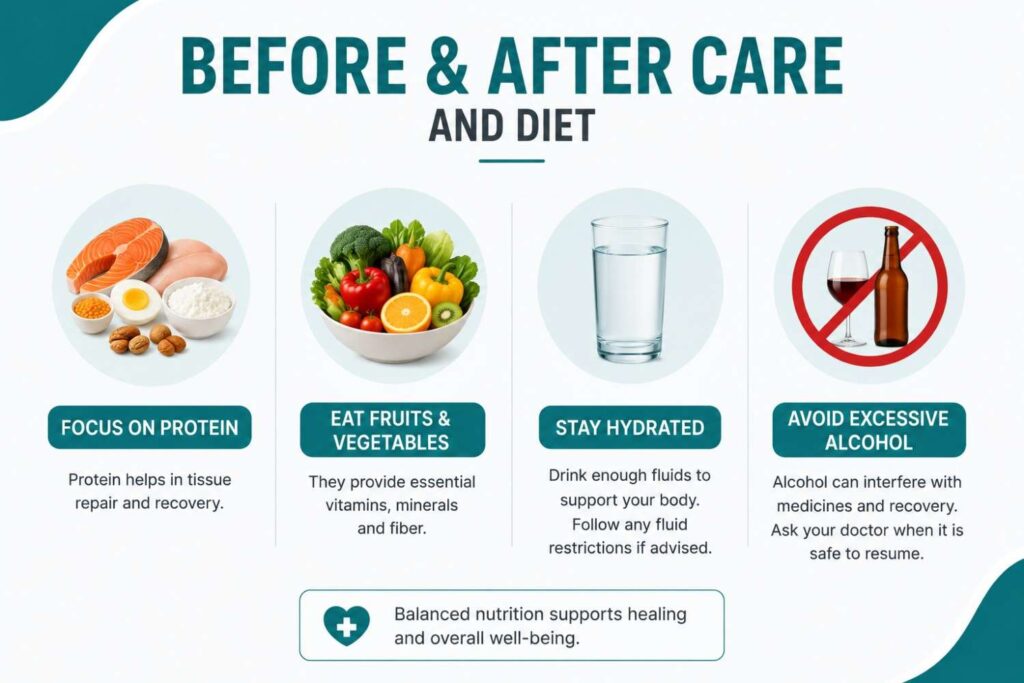
Before & After Care and Diet
There is no single recovery diet suitable for every procedure.
However, balanced nutrition can support general health during healing.
Focus on Protein
Protein-rich foods can provide amino acids needed for tissue maintenance and repair.
Suitable choices may include:
- Eggs.
- Fish.
- Poultry.
- Dairy products.
- Beans.
- Lentils.
- Tofu.
- Nuts and seeds.
Eat Fruits and Vegetables
These foods provide vitamins, minerals, fiber, and other nutrients.
Stay Hydrated
Adequate fluid intake can support normal body functions.
Follow any fluid restrictions if your healthcare professional has given them.
Avoid Excessive Alcohol
Alcohol may interfere with certain medicines and can be inappropriate during some recovery periods.
Ask your healthcare professional when alcohol can safely be resumed.
Common Before & After Care Mistakes to Avoid
Even when people receive good instructions, certain mistakes can make recovery more difficult.
Ignoring Professional Instructions
General online advice cannot replace individualized medical guidance.
Returning to Exercise Too Soon
Feeling energetic does not necessarily mean healing is complete.
Taking Unapproved Supplements
Natural products can still have pharmacological effects and may interact with medications.
Smoking During Recovery
Smoking can negatively affect circulation and healing. Discuss smoking and nicotine use with your healthcare professional before treatment.
Missing Follow-Up Visits
Follow-up appointments allow healing to be assessed and recovery instructions to be updated.
Comparing Your Recovery With Others
People heal at different rates. Age, health, procedure type, tissue characteristics, and other factors can influence recovery.
Final Tips for a Smooth Recovery
A few simple habits can make before & after care more manageable:
- Keep your healthcare professional’s contact information accessible.
- Follow written instructions carefully.
- Take medicines according to the prescribed schedule.
- Keep follow-up appointments.
- Eat balanced meals.
- Stay appropriately hydrated.
- Get adequate rest.
- Avoid restricted activities.
- Keep healing areas clean as instructed.
- Report unusual symptoms promptly.
- Do not rely on another person’s recovery timeline.
- Ask questions whenever instructions are unclear.
Conclusion
Good before & after care is an essential part of a responsible treatment journey. Preparing properly before a procedure can help reduce avoidable stress, while following appropriate aftercare can support recovery and help you recognize potential problems early.
The most important point is that before & after care is not identical for every treatment. Instructions may vary according to the procedure, medications, medical history, wound type, and individual healing process.
Follow the guidance provided by your qualified healthcare professional rather than relying solely on general online information. With proper preparation, appropriate rest, good hygiene, balanced nutrition, medication awareness, and timely follow-up, you can approach the recovery period in a more organized and informed way.According to Mayo Clinic’s guide to gynecomastia, hormonal imbalance, certain medicines, health conditions, and lifestyle factors can contribute to male breast enlargement.
FREQUENTLY ASKED QUESTIONS

Dr Prince
Consultant Plastic & Cosmetic Surgeon
Dr Prince is a Consultant Plastic and Reconstructive Surgeon at the Sushrutha Institute of Plastic Surgery, Elite Mission Hospital, Thrissur. He specializes in aesthetic and reconstructive procedures performed in a fully equipped hospital environment with strict safety protocols.
His expertise includes liposuction, rhinoplasty, gynecomastia correction, tummy tuck, breast surgery, and advanced facial aesthetic procedures, with a focus on safe techniques and natural-looking results.
Sushrutha Institute of Plastic Surgery, Elite Mission Hospital, Thrissur, Kerala