Liposuction vs. Weight Loss: 7 Key Differences to Know
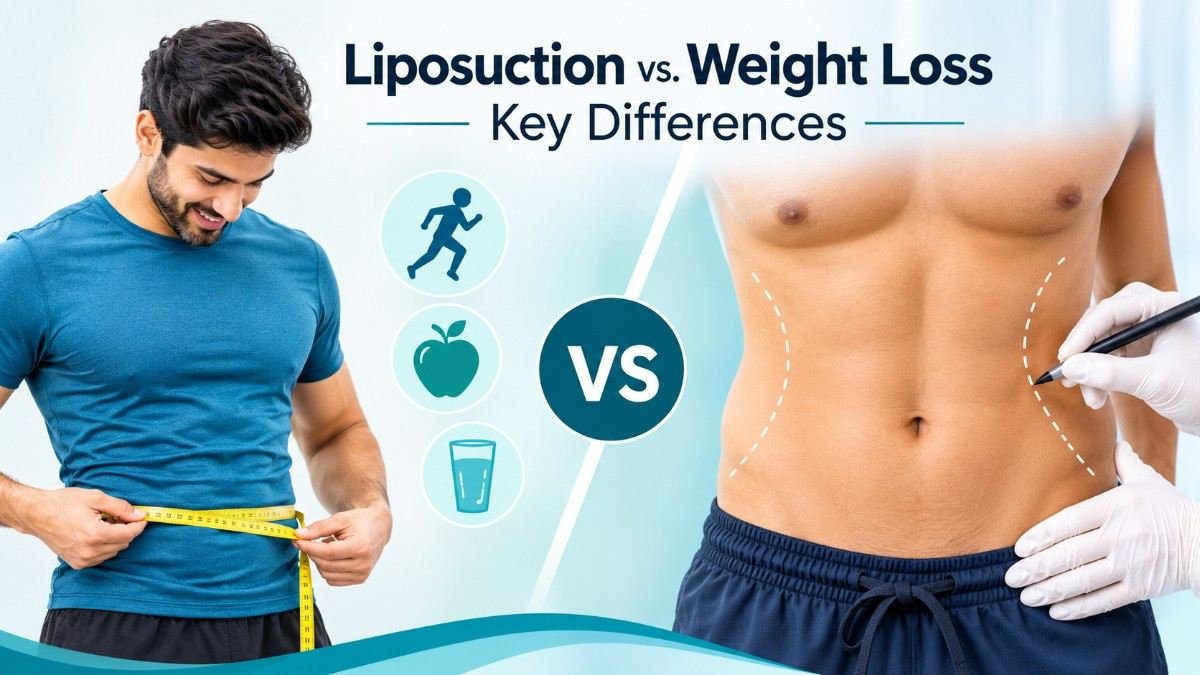
Liposuction vs. Weight Loss is an important comparison for people who want to understand the difference between reducing overall body weight and reshaping specific areas of the body. Weight loss generally involves reducing body fat and body weight through lifestyle changes or, when medically appropriate, other treatments. Liposuction is a surgical body-contouring procedure that removes selected deposits of fat beneath the skin.
Understanding what liposuction is and how it works can help patients explore the procedure and its purpose. People considering liposuction surgery in Thrissur can discuss their concerns, medical history, and goals as part of an individualized assessment. The most appropriate approach depends on overall health, weight stability, fat distribution, skin characteristics, and personal expectations.
What Is the Difference Between Liposuction and Weight Loss?
The main difference is the purpose of each approach. Weight loss aims to reduce overall body weight, while liposuction is designed to improve body contour by removing localized subcutaneous fat.
Weight loss may occur through changes in nutrition, physical activity, medical care, or other approaches recommended for an individual’s health needs. As body weight changes, fat may decrease in several areas, but the pattern is influenced by genetics, hormones, and individual fat distribution.
Liposuction targets selected areas where fat deposits remain beneath the skin. It is not intended to treat obesity or replace weight management. It also does not remove visceral fat, which is located deeper in the abdomen around internal organs. Liposuction is considered a body-contouring procedure rather than an overall weight-loss method.
Liposuction vs. Weight Loss: Key Differences at a Glance
| Feature | Weight Loss | Liposuction |
|---|---|---|
| Main purpose | Reduce overall body weight | Reshape selected body areas |
| How it works | Body uses stored energy, reducing fat-cell size | A surgeon removes selected subcutaneous fat |
| Areas affected | May affect multiple areas of the body | Targets specific treatment areas |
| Effect on scale | Often results in a measurable decrease in body weight | Usually not intended to produce major weight loss |
| Visceral fat | May help reduce visceral fat as part of overall fat loss | Does not remove visceral fat |
| Skin changes | Skin may become loose after substantial weight loss | Does not reliably tighten significantly loose skin |
| Long-term maintenance | Requires sustainable lifestyle or medical management | Weight stability can help maintain contour |
The outcomes of both approaches vary. A person’s health, starting weight, fat distribution, skin elasticity, and other individual factors influence results.
How Does Weight Loss Work?
Weight loss occurs when the body uses more energy than it receives over time. The body then draws on stored energy, including fat. The amount and location of fat reduction differ from person to person.
Weight Loss Can Affect the Whole Body
Changes in body weight may influence the abdomen, hips, thighs, arms, face, and other areas. However, it is not possible to reliably choose where the body loses fat through a particular exercise or diet. This is why some people notice changes in certain areas before others.
Fat Cells Usually Change in Size
During typical weight loss, fat cells become smaller as stored energy is used. This differs from liposuction, which physically removes some fat cells from selected areas. Remaining fat cells can still enlarge if a person gains weight.
Sustainable Habits Matter
Nutrition, physical activity, sleep, and other health factors can influence weight management. A healthcare professional may also discuss medical options when appropriate. The right approach should be based on individual health needs rather than appearance alone.
Weight loss can support overall health for some people, but the appropriate target and method vary. A qualified healthcare professional can help determine whether weight management is medically relevant to a person’s circumstances.
How Does Liposuction Work?
Liposuction is a surgical procedure that removes selected deposits of fat beneath the skin using a thin tube called a cannula. The cannula is inserted through small incisions, and fat is removed through controlled suction.
The procedure is used to improve contour in areas such as the abdomen, waist, hips, thighs, arms, back, or under the chin. The treatment area and technique are selected according to the patient’s anatomy, goals, and clinical assessment.
Liposuction Targets Localized Fat
Liposuction may be considered when a person is near a stable weight but has specific areas of subcutaneous fat that remain despite lifestyle changes. It is not a method for achieving significant overall weight loss.
It Does Not Treat Every Concern
Liposuction does not reliably remove cellulite, tighten substantial loose skin, or address visceral fat. If excess skin is a major concern, another body-contouring procedure may be discussed. The choice depends on the person’s skin quality, anatomy, and goals. Liposuction’s purpose and limitations should be reviewed before considering surgery.
Can Liposuction Replace Diet and Exercise?
No. Liposuction is not a substitute for a balanced diet, regular physical activity, or medically appropriate weight management.
The procedure can remove fat from selected areas, but it does not address all factors that influence body weight or general health. A person may still gain weight after liposuction, and changes in weight can affect the appearance of the treated and untreated areas.
Healthy lifestyle habits remain important before and after surgery. Patients should discuss their usual activities, weight history, and expectations with their surgeon when considering a body-contouring procedure.
Who May Consider Weight Loss, and Who May Consider Liposuction?
The right approach depends on the concern being addressed.
Weight Management May Be Relevant When:
The main goal is to reduce overall body weight.
A healthcare professional has identified a weight-related health concern.
Fat is distributed across multiple areas of the body.
The person wants to improve health through sustainable lifestyle changes.
Medical weight-management options may be appropriate after professional evaluation.
Liposuction May Be Considered When:
A person is at or near a stable weight.
There are localized deposits of fat beneath the skin.
The goal is to improve contour in selected areas rather than lose substantial weight.
The person has suitable health and skin characteristics for surgery.
Expectations about the procedure and its limitations are realistic.
These are general considerations, not a personal determination of eligibility. Suitability for liposuction requires an assessment by a qualified plastic surgeon.
What Happens if You Gain Weight After Liposuction?
Liposuction removes some fat cells from the treated areas, but it does not prevent future weight gain. The fat cells that remain in treated areas and those in untreated areas can increase in size.
If weight gain occurs, body proportions may change. The treated areas may also become fuller, although the distribution of weight gain varies between individuals. Maintaining a relatively stable weight can help preserve the contour achieved through surgery.
Patients should understand that liposuction is not a permanent safeguard against weight changes. Long-term results are influenced by lifestyle, aging, and individual biology.
Does Liposuction Lead to More Weight Loss Than Diet and Exercise?
Liposuction is not designed to produce greater overall weight loss than lifestyle changes. Its primary purpose is localized fat removal and contour improvement.
The amount of fat removed is determined by surgical planning and patient safety considerations. The number on the weighing scale may change only modestly, and the result should not be judged by weight alone.
Weight loss through lifestyle or medical care may produce broader changes in body weight and can be relevant to health goals. The best approach depends on what a person wants to address and what is medically appropriate.
What Should You Consider Before Liposuction?
Before considering liposuction, patients should understand the procedure, its limitations, potential risks, and expected healing process.
A consultation may include discussion of:
Medical history and current health
Weight stability and previous weight changes
Areas of concern and fat distribution
Skin elasticity and the possibility of loose skin
Surgical technique and anesthesia considerations
Potential complications and recovery needs
Realistic expectations and alternative approaches
Liposuction is surgery and carries risks. These can include bleeding, infection, fluid accumulation, contour irregularities, changes in sensation, and complications related to anesthesia. The risks vary according to the procedure and individual circumstances. A surgeon should explain the potential benefits and risks before a decision is made.
Liposuction vs. Weight Loss: Making an Informed Decision
Liposuction and weight loss serve different purposes. Weight loss focuses on reducing overall body weight, while liposuction removes selected deposits of fat to improve body contour. Neither approach is automatically suitable for everyone.
People who are concerned about overall weight or health may benefit from discussing weight-management options with a healthcare professional. Those who are near a stable weight but have localized fat deposits may wish to learn whether body-contouring surgery is appropriate.
At Sushrutha Institute of Plastic Surgery, Elite Mission Hospital, Thrissur, patients can discuss their body-contouring concerns and individual goals with a qualified plastic surgeon. An assessment can help explain the available options and whether liposuction may be suitable.
Table Of Contents

Dr Prince
Consultant Plastic & Cosmetic Surgeon
Dr Prince is a Consultant Plastic and Reconstructive Surgeon at the Sushrutha Institute of Plastic Surgery, Elite Mission Hospital, Thrissur. He specializes in aesthetic and reconstructive procedures performed in a fully equipped hospital environment with strict safety protocols.
His expertise includes liposuction, rhinoplasty, gynecomastia correction, tummy tuck, breast surgery, and advanced facial aesthetic procedures, with a focus on safe techniques and natural-looking results.
Sushrutha Institute of Plastic Surgery, Elite Mission Hospital, Thrissur, Kerala
Frequently Asked Questions
No. Weight loss reduces overall body weight, while liposuction removes selected deposits of fat beneath the skin to improve body contour. Liposuction is not intended to treat obesity or produce significant overall weight loss.
Liposuction is not designed for major weight reduction. It is used to reshape specific areas of the body. The amount of fat removed depends on individual assessment and surgical safety considerations.
Liposuction can remove selected deposits of subcutaneous fat beneath the skin in the abdominal area. It does not remove visceral fat around internal organs and is not a treatment for overall weight gain.
Yes. Liposuction does not prevent future weight gain. Remaining fat cells can enlarge, and weight changes may affect both treated and untreated areas.
Suitability depends on overall health, weight stability, fat distribution, skin characteristics, and surgical risk. Liposuction is not a treatment for obesity. A qualified plastic surgeon can assess whether it may be appropriate.
Liposuction does not reliably tighten significantly loose skin. If skin laxity is a concern, a surgeon may discuss other options depending on the individual's anatomy and goals.
Exercise can support overall health and weight management, but it cannot reliably target fat loss from one specific area. Fat reduction patterns vary between individuals.
Fat cells removed during liposuction are physically removed, but the body can still change with weight gain, aging, and other factors. Maintaining a stable weight may help preserve the contour.
A surgeon may recommend reaching a stable weight before considering liposuction, depending on the person's health and goals. The appropriate timing should be discussed during an individual assessment.
The decision depends on whether the main concern is overall body weight or localized fat deposits. A healthcare professional can discuss weight-management needs, while a qualified plastic surgeon can assess suitability for body-contouring surgery.