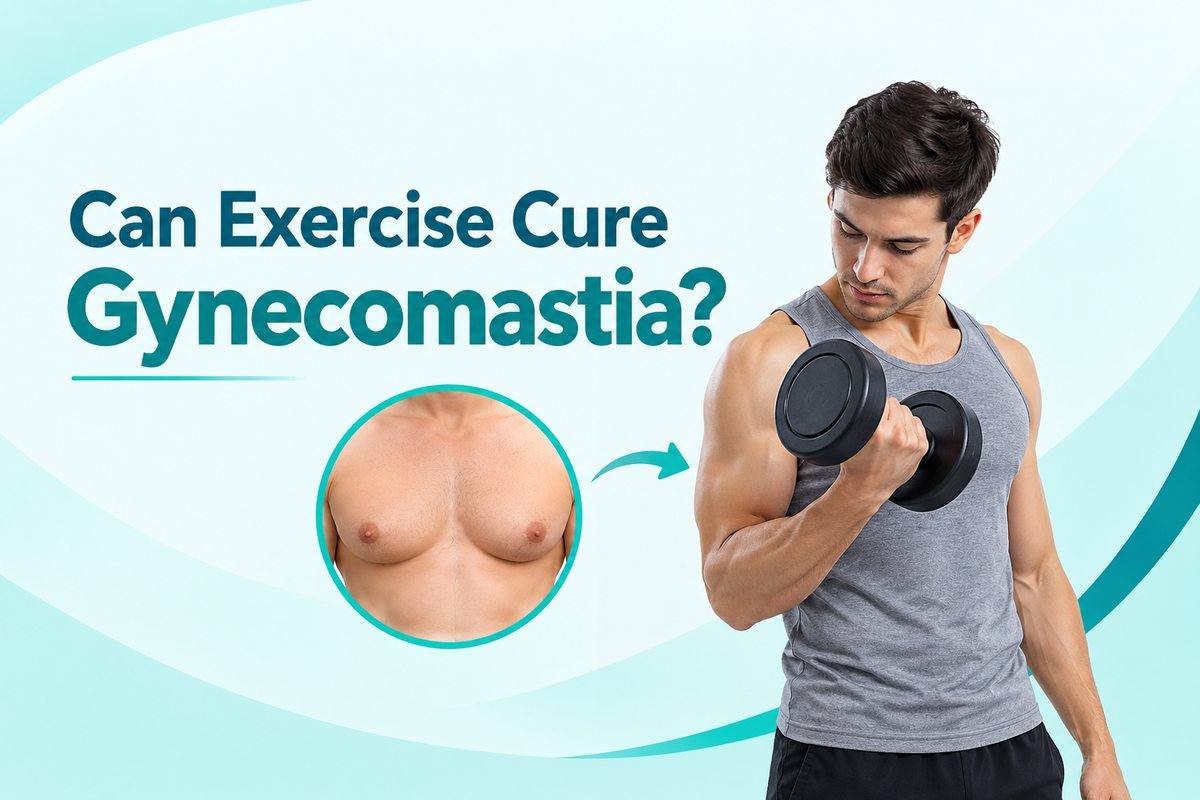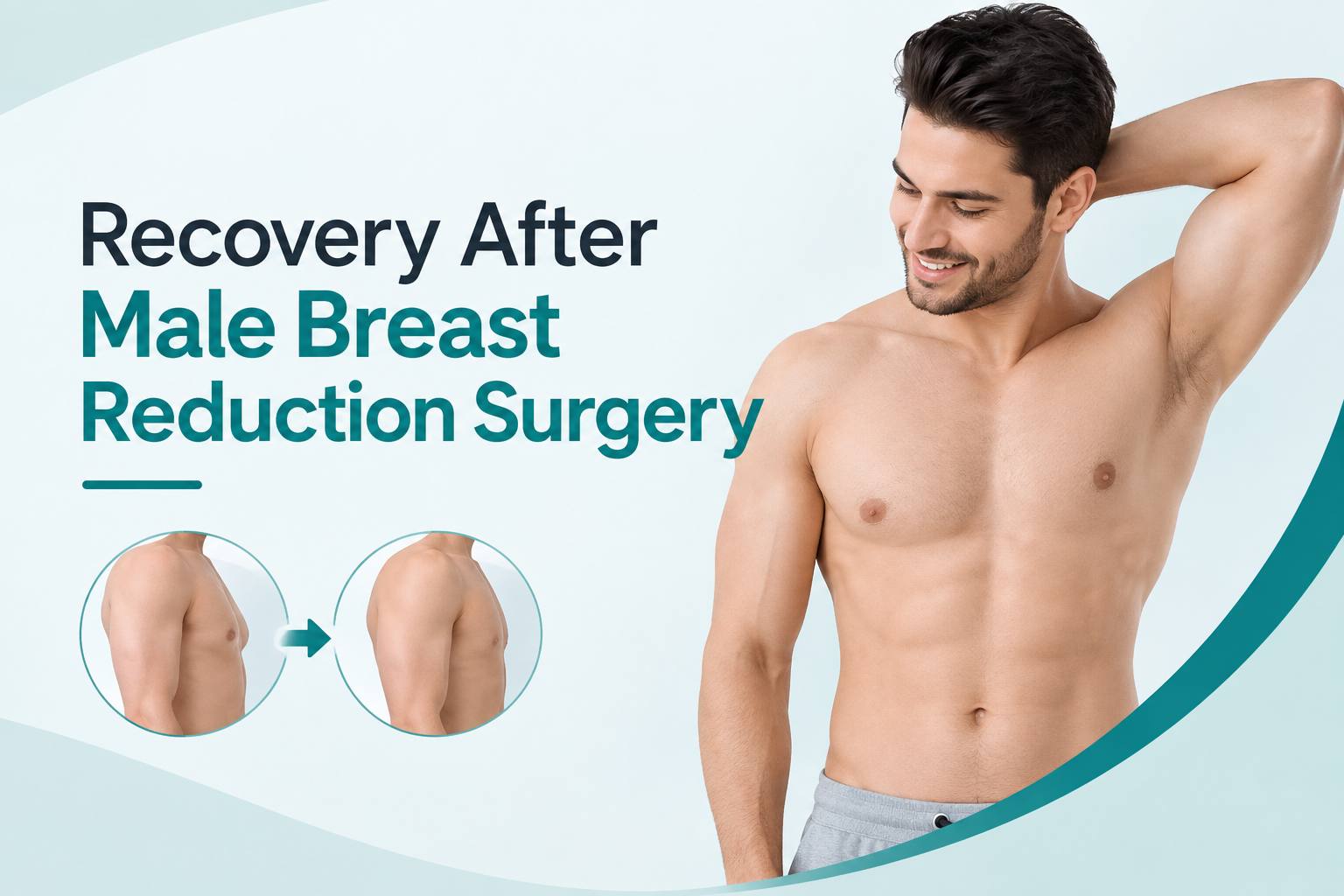
Recovery after male breast reduction surgery is an important part of achieving a comfortable healing process and good long-term results. Whether you have undergone surgery in Thrissur or elsewhere, understanding what to expect after the procedure can help you prepare for each stage of healing. Most patients gradually return to their normal routines as swelling and discomfort improve.
Male breast reduction surgery, also known as gynecomastia surgery, is performed to reduce excess breast tissue, fat, or skin that creates an enlarged chest appearance. While the procedure itself is an important step, proper aftercare plays a major role in protecting the surgical area and supporting recovery.
This guide explains what recovery after male breast reduction surgery may involve, including common symptoms, recovery stages, wound care, activity restrictions, compression garments, diet, sleep, exercise, and warning signs that require medical attention.
What Is Recovery After Male Breast Reduction Surgery
Recovery after male breast reduction surgery refers to the period in which the body heals following the removal of excess breast tissue, fat, or skin. The recovery experience can vary depending on the surgical technique used, the amount of tissue removed, individual healing ability, and overall health.
During the early recovery period, temporary swelling, bruising, tenderness, and tightness around the chest are common. These symptoms generally improve gradually.
Following the postoperative instructions provided by your surgical team is essential. Patients should avoid rushing back into strenuous activities simply because they begin to feel better.
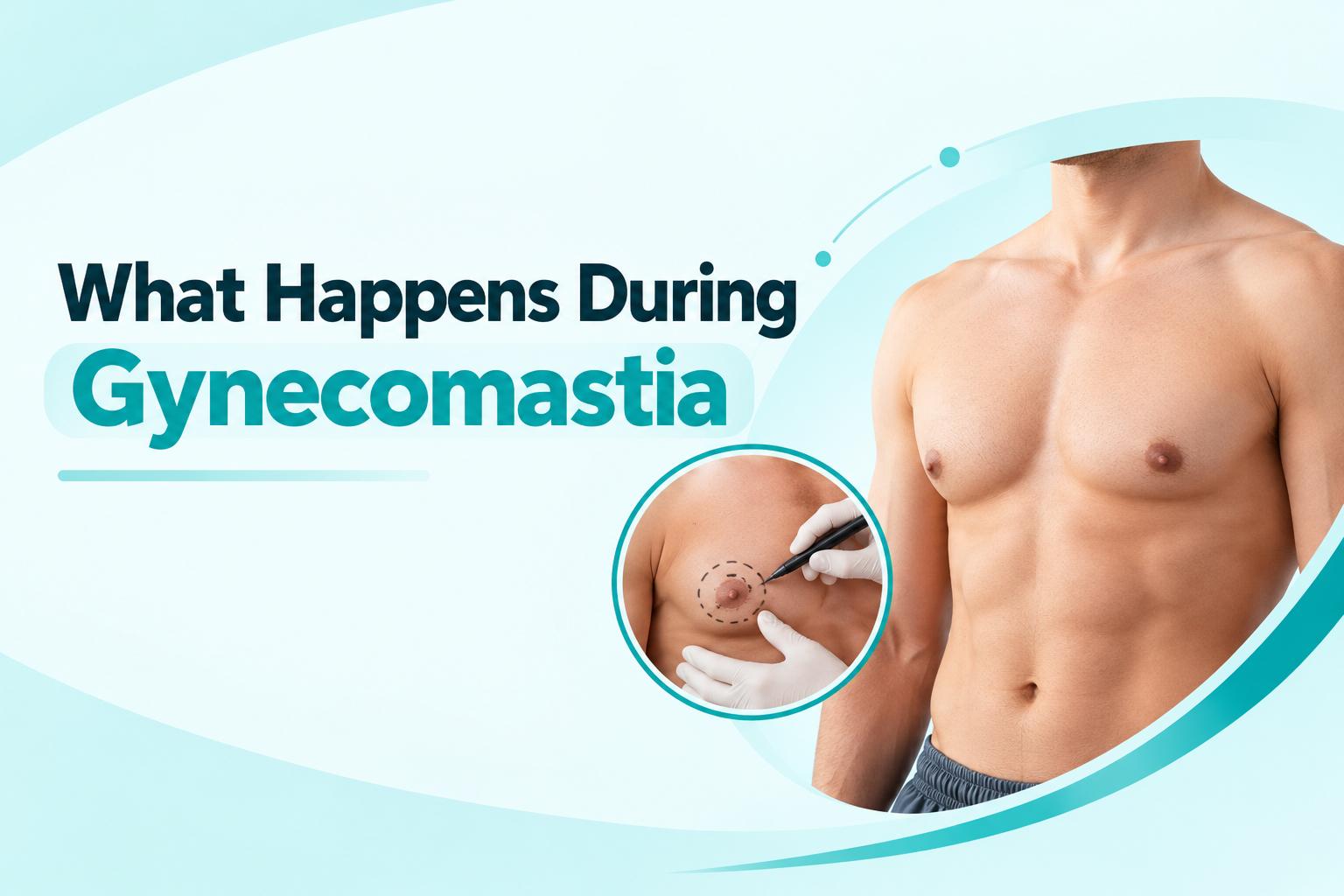
What Happens During Recovery After Male Breast Reduction Surgery
The healing process usually occurs gradually rather than all at once. Understanding the different stages can make recovery more manageable.
First Few Days
The first several days are generally focused on rest, monitoring the surgical area, managing discomfort, and following wound-care instructions.
You may experience:
- Swelling around the chest
- Bruising
- Mild to moderate discomfort
- Tightness or pressure
- Temporary numbness
- Reduced arm movement
- Tiredness
Some patients may need assistance with everyday activities during the first few days.
First Two Weeks
During the first couple of weeks, swelling and bruising typically begin to settle. Light daily activities may become easier, but strenuous exercise and heavy lifting should generally be avoided until cleared by the surgical team.
The incisions should be kept clean and cared for according to the instructions provided.
Weeks Three to Six
Many patients gradually become more comfortable during this stage. Normal activities can often be increased progressively, depending on individual healing and medical advice.
Residual swelling may still be present, and the final chest contour may not yet be completely visible.
Several Months After Surgery
The chest can continue to change as swelling decreases and tissues settle. Scars may also gradually become less noticeable over time.
Final results should be judged only after sufficient healing has occurred.
7 Essential Tips for Recovery After Male Breast Reduction Surgery
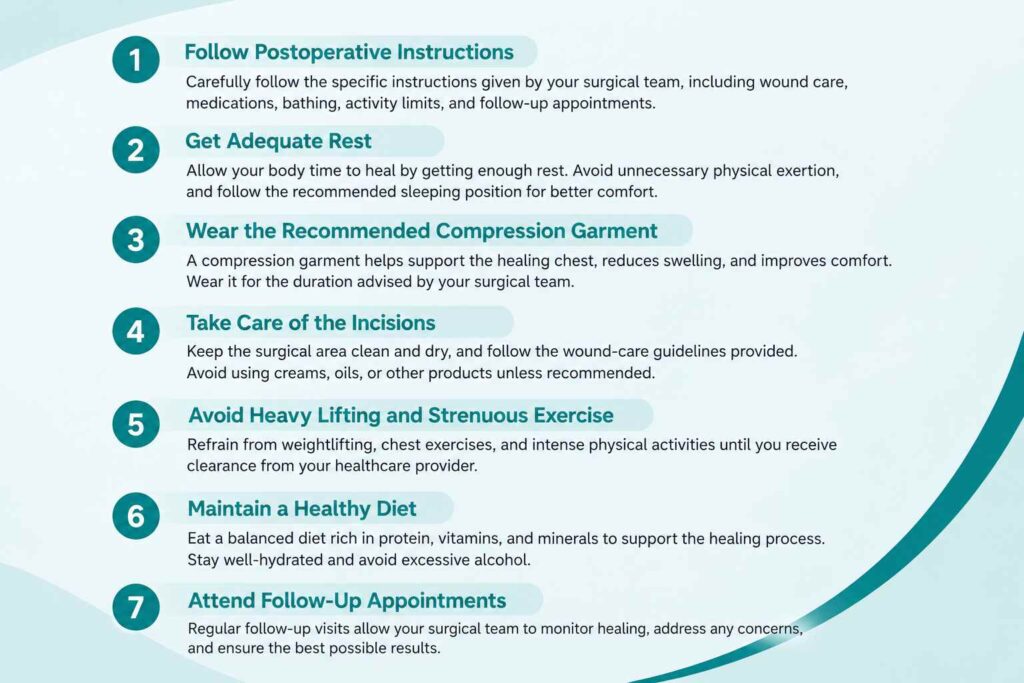
Good postoperative habits can make the recovery period more comfortable and organized.
1. Follow Postoperative Instructions Carefully
Your surgical team will provide specific instructions for wound care, medications, bathing, compression garments, physical activity, and follow-up appointments.
These instructions should take priority over general information found online.
Do not change medications or postoperative care without discussing it with your healthcare provider.
2. Get Adequate Rest
Rest gives your body the opportunity to focus on tissue repair.
During the first part of recovery, avoid unnecessary physical exertion. You can perform gentle movements as recommended, but avoid activities that strain the chest or upper body.
Good sleep is also helpful. If lying flat feels uncomfortable, follow your surgical team’s recommendations regarding sleeping position.
3. Wear the Recommended Compression Garment
A compression garment may be recommended after male breast reduction surgery. It can provide support to the healing chest and may help manage postoperative swelling.
Wear it for the recommended duration rather than deciding independently when to stop.
The garment should feel supportive without causing excessive pain, skin irritation, numbness, or circulation problems.
4. Take Care of the Incisions
Incision care is an important part of recovery after male breast reduction surgery.
Keep the surgical area clean and follow the instructions regarding dressings and bathing. Avoid applying creams, oils, or other products to healing incisions unless they have been recommended.
Do not pick at scabs or disturb the incision area.
5. Avoid Heavy Lifting and Strenuous Exercise
Even if you feel well, internal tissues may still be healing.
Avoid activities such as:
- Heavy weightlifting
- Push-ups
- Chest exercises
- Intense sports
- Heavy household work
- Activities involving repetitive upper-body movement
Gradually return to exercise only after receiving appropriate clearance.
6. Maintain a Healthy Diet
Nutrition supports normal healing. A balanced diet containing adequate protein, vegetables, fruits, whole grains, and healthy fats can help provide essential nutrients during recovery.
Staying adequately hydrated is also important.
Instead of relying on restrictive diets, focus on balanced meals and regular fluid intake.
7. Attend Follow-Up Appointments
Follow-up visits allow the surgical team to assess healing, swelling, incision appearance, and overall progress.
These appointments are also an opportunity to discuss concerns such as persistent pain, unusual swelling, changes in sensation, or wound problems.
Do not skip follow-up appointments simply because you feel better.
Common Symptoms During Recovery
Certain symptoms are expected after surgery and usually improve with time.
Swelling
Swelling is one of the most common postoperative symptoms. It can make the chest appear larger or uneven temporarily.
Swelling often decreases gradually rather than disappearing immediately.
Bruising
Bruising can develop around the treated area and may change color as it heals.
It usually fades progressively.
Tenderness
The chest may feel sensitive or sore during the initial healing period. Discomfort should generally become easier to manage as recovery progresses.
Numbness or Altered Sensation
Temporary numbness or changes in skin sensitivity can occur after surgery. Sensation may gradually return as nerves recover.
Tightness
Some patients experience a feeling of tightness across the chest. This can be related to postoperative swelling and tissue healing.
Types of Male Breast Enlargement Treated by Surgery
Understanding the underlying cause of male breast enlargement can provide useful context for recovery.
Glandular Tissue Enlargement
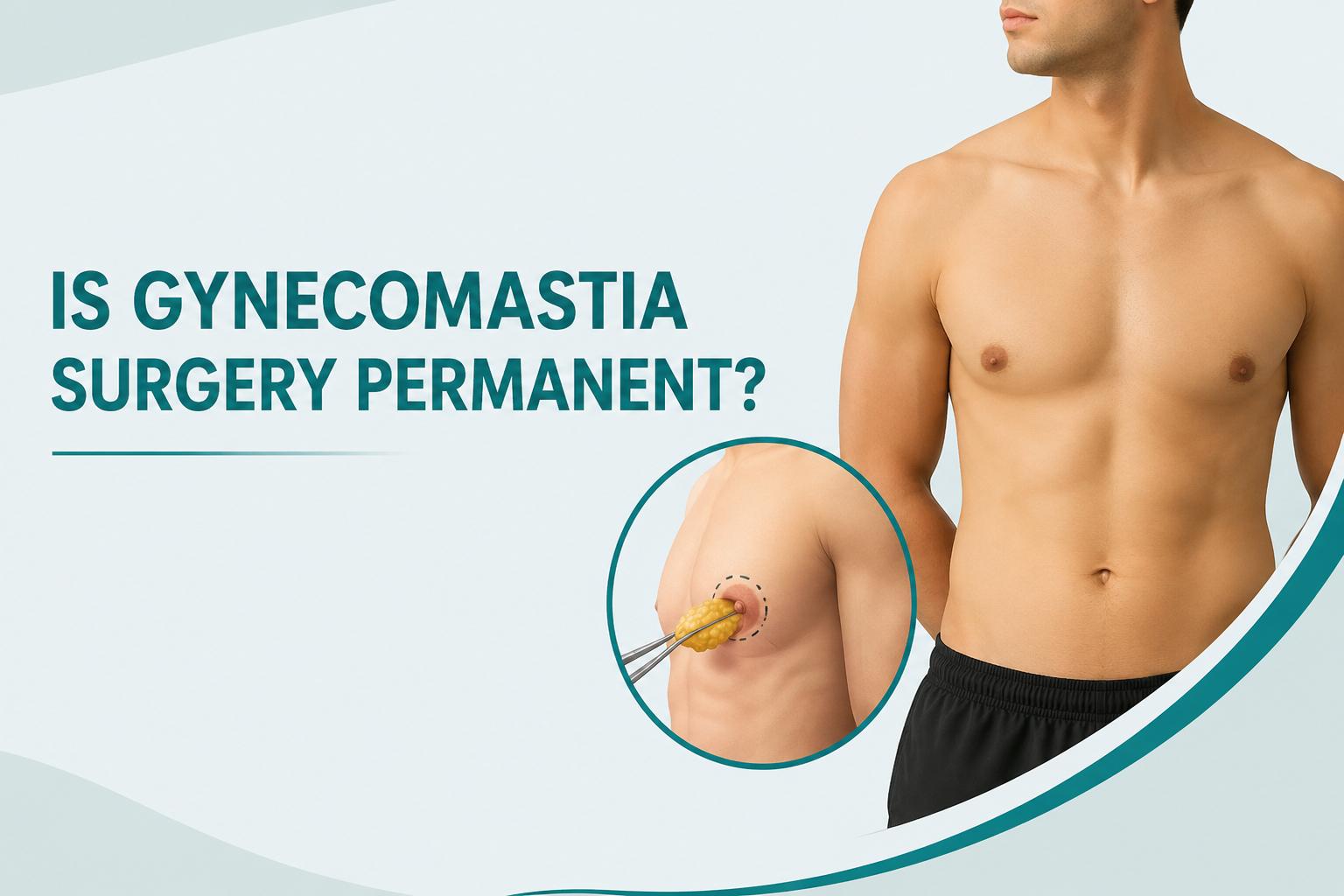
This involves an increase in breast glandular tissue. Surgical treatment may involve removing excess glandular tissue.
Fat-Dominant Enlargement
When excess fatty tissue contributes significantly to chest fullness, liposuction may be used as part of treatment.
Combined Enlargement
Some patients have both excess glandular tissue and excess fat. A combination of surgical techniques may therefore be appropriate.
Excess Skin
Significant enlargement can sometimes leave excess skin. In selected cases, skin removal may be incorporated into the procedure.
The recovery experience can vary depending on which techniques are required.
Causes of Male Breast Enlargement
Male breast enlargement can have several possible causes.
Common contributing factors include:
- Hormonal changes
- Puberty
- Aging
- Weight gain
- Certain medications
- Some medical conditions
- Hormonal disorders
- Liver or kidney problems
- Substance or alcohol use in some cases
Not every case requires surgery. The appropriate treatment depends on the underlying cause, severity, symptoms, and individual circumstances.
Benefits of Male Breast Reduction Surgery
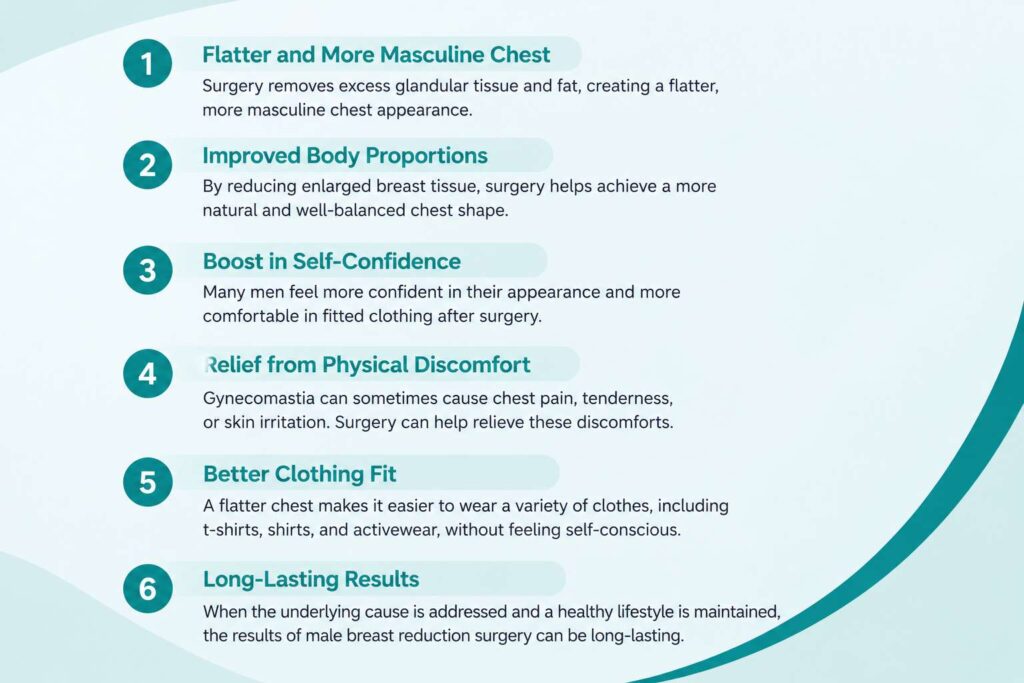
Male breast reduction surgery can provide both physical and emotional benefits for suitable candidates.
Potential benefits include:
- A flatter and more defined chest
- Improved body proportions
- Reduced excess breast tissue
- Better clothing fit
- Increased confidence
- Reduced self-consciousness
- Improved satisfaction with chest appearance
However, results differ between individuals, and surgery cannot guarantee a particular cosmetic outcome.
How to Manage Discomfort During Recovery
Mild discomfort is common after surgery. Your healthcare provider may recommend appropriate pain-relief medication.
Additional measures may include:
- Getting adequate rest
- Avoiding unnecessary chest movement
- Following compression instructions
- Keeping follow-up appointments
- Taking prescribed medications as directed
Do not take additional medication without checking whether it is appropriate after your procedure.
If pain becomes severe, suddenly worsens, or does not improve as expected, contact your surgical team.
How to Sleep After Surgery
Sleeping comfortably can be challenging during the first part of recovery.
Your surgical team may recommend a particular position to reduce pressure on the chest. Avoid sleeping directly on the treated area until you have been cleared to do so.
Keeping essential items such as water, medications, and your phone nearby can make nighttime movement easier during the initial recovery period.
Returning to Work
The time needed before returning to work depends on the type of job and individual healing.
People with desk-based jobs may return sooner than those whose work involves lifting, pushing, pulling, or significant physical activity.
Before returning to work, consider:
- Whether your job requires heavy lifting
- Whether you can take regular breaks
- Whether workplace clothing puts pressure on the chest
- Whether you can comfortably move your arms
Always follow your healthcare provider’s recommendations.
Returning to Exercise
Exercise should be restarted gradually.
Walking may be encouraged early in recovery because gentle movement can help maintain general mobility. However, strenuous workouts should wait until the surgical team confirms that your healing has progressed sufficiently.
When exercise is restarted, increasing intensity gradually is generally safer than immediately returning to your previous routine.
Chest-focused exercises such as bench presses, push-ups, and heavy resistance training may require additional recovery time.
Scar Care After Male Breast Reduction Surgery
Scars are a normal part of surgical healing. Their appearance can change significantly over several months.
Once the incision has completely healed and your healthcare provider approves scar treatment, recommended options may include appropriate silicone-based products or other scar-management methods.
Protect healing scars from excessive sun exposure, as ultraviolet radiation can affect scar pigmentation.
Avoid aggressive rubbing or treatment over an incision that has not fully healed.
What to Eat During Recovery
A nutritious diet can support the body’s normal healing process.
Consider including:
- Eggs
- Fish
- Lean meats
- Beans and lentils
- Yogurt
- Fresh fruits
- Vegetables
- Whole grains
- Nuts and seeds
Adequate protein is particularly important because protein provides amino acids needed for tissue repair.
If you have dietary restrictions or specific nutritional needs, discuss them with your healthcare provider.
Warning Signs During Recovery
Although complications are not inevitable, patients should know which symptoms require prompt medical attention.
Contact your healthcare provider if you experience:
- Severe or rapidly increasing pain
- Significant or sudden swelling
- Heavy bleeding
- Increasing redness around the incision
- Pus or unusual drainage
- Fever
- Wound separation
- Shortness of breath
- Chest pain
- Sudden swelling affecting one side significantly
Seek emergency medical care for serious symptoms such as difficulty breathing or severe chest pain.
How to Get Better Long-Term Results
Following postoperative instructions is one of the most important ways to support recovery.
You can also help protect your results by:
- Maintaining a stable, healthy weight
- Following activity restrictions
- Avoiding premature strenuous exercise
- Attending follow-up appointments
- Taking care of healing scars
- Reporting unusual symptoms promptly
Lifestyle factors can influence the long-term appearance of the chest, particularly if significant weight changes occur.
Conclusion
A successful recovery after male breast reduction surgery requires patience, proper aftercare, and realistic expectations. Swelling, bruising, tenderness, tightness, and temporary changes in sensation can occur during the healing process, but these symptoms generally improve gradually.
Resting appropriately, wearing recommended compression garments, caring for the incisions, avoiding strenuous exercise, maintaining good nutrition, and attending follow-up appointments can all support a smoother recovery. Understanding the normal stages of healing can also help you recognize when something may require professional attention.
Whether your procedure was performed in Thrissur or elsewhere, always follow your own surgical team’s postoperative instructions because recovery requirements can differ between patients and procedures. For more information about gynecomastia and male breast enlargement, visit the Mayo Clinic’s gynecomastia overview.
Frequently Asked Questions

Dr Prince
Consultant Plastic & Cosmetic Surgeon
Dr Prince is a Consultant Plastic and Reconstructive Surgeon at the Sushrutha Institute of Plastic Surgery, Elite Mission Hospital, Thrissur. He specializes in aesthetic and reconstructive procedures performed in a fully equipped hospital environment with strict safety protocols.
His expertise includes liposuction, rhinoplasty, gynecomastia correction, tummy tuck, breast surgery, and advanced facial aesthetic procedures, with a focus on safe techniques and natural-looking results.
Sushrutha Institute of Plastic Surgery, Elite Mission Hospital, Thrissur, Kerala