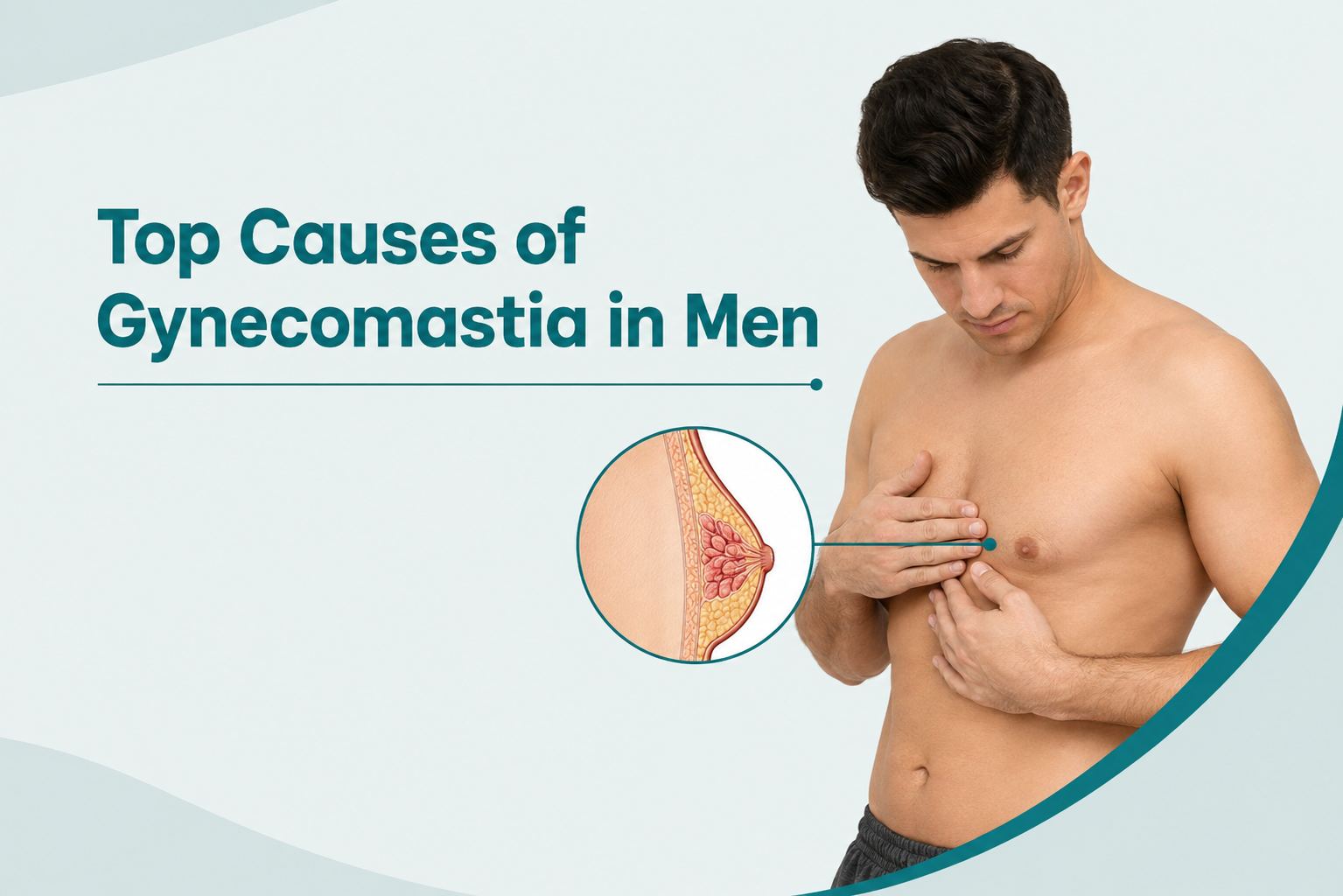
10 Powerful Insights into Top Causes of Gynecomastia in Men
Gynecomastia is a condition in which male breast tissue becomes enlarged, often because of an imbalance between estrogen and testosterone. Understanding the top causes of gynecomastia in men can help identify possible triggers and encourage timely evaluation. Whether the concern develops during puberty, adulthood, or later in life, knowing why male breast enlargement occurs is an important first step.
Gynecomastia is different from simple chest fat. While excess body fat can make the chest appear larger, true gynecomastia involves an increase in glandular breast tissue. The condition may affect one or both sides of the chest and can vary considerably in size and appearance.
What Is Gynecomastia
Gynecomastia is benign enlargement of male breast glandular tissue. It commonly occurs when the balance between estrogen and testosterone changes.
Although estrogen is generally associated with female reproductive development, men naturally produce small amounts of estrogen. Testosterone normally counterbalances its effects. When estrogen activity becomes relatively stronger or testosterone levels decrease, breast tissue may respond by becoming enlarged.
The condition can occur temporarily or persist for a longer period. In some cases, it develops without an obvious cause, while in others, an underlying hormonal, medication-related, metabolic, or lifestyle factor may contribute.
Top Causes of Gynecomastia in Men
The top causes of gynecomastia in men are linked mainly to hormonal changes, medications, health conditions, and certain lifestyle factors.
1. Hormonal Imbalance
Hormonal imbalance is one of the most important causes of gynecomastia.
Male breast tissue can enlarge when estrogen has a stronger effect relative to testosterone. This does not necessarily mean that estrogen levels are unusually high. Sometimes testosterone decreases, changing the overall hormonal balance.
Hormonal changes may occur naturally during different stages of life. Puberty is a common period because hormone levels fluctuate rapidly. Older men may also experience hormonal changes that contribute to breast enlargement.
2. Puberty
Pubertal gynecomastia is very common among adolescent boys.
During puberty, testosterone and estrogen levels can change at different rates. Temporary breast enlargement may occur as the body adjusts to these hormonal changes.
In many teenagers, the enlargement gradually decreases as hormone levels stabilize. However, persistent or rapidly increasing breast tissue should be evaluated to determine whether another factor is involved.
3. Aging and Testosterone Changes
As men age, testosterone production may gradually decline. At the same time, changes in body composition and hormone metabolism can influence estrogen activity.
These changes may increase the likelihood of gynecomastia in adulthood or later life.
Age-related breast enlargement should not automatically be considered a normal part of aging, particularly when it develops suddenly, causes significant discomfort, or is associated with other symptoms.
4. Certain Medications
Some prescription medicines and other drugs can contribute to gynecomastia by affecting hormone production, hormone activity, or the way hormones are processed.
Medications associated with male breast enlargement can include certain drugs used for:
- Blood pressure problems
- Heart conditions
- Stomach and digestive disorders
- Hormonal conditions
- Prostate-related conditions
- Psychiatric conditions
- Certain cancers
Not every person taking these medications develops gynecomastia. The risk can depend on the medication, dosage, duration of use, and individual factors.
Men should never stop a prescribed medication without professional medical advice. If breast enlargement begins after starting a new medicine, it is useful to discuss the timing with a healthcare professional.
5. Obesity and Excess Body Fat
Excess body fat can make the chest appear enlarged and may also influence hormone activity.
Fat tissue can contribute to the conversion of certain hormones into estrogen. As body fat increases, this hormonal effect may become more noticeable in some men.
This is one reason it is important to distinguish gynecomastia vs chest fat.
Chest fat is primarily fatty tissue, whereas gynecomastia involves enlargement of glandular breast tissue. Some men may have both conditions at the same time.
6. Liver Disease
The liver plays an important role in hormone metabolism. Certain liver disorders can interfere with normal hormone processing and contribute to hormonal imbalance.
When liver function is significantly affected, changes in estrogen and testosterone metabolism may increase the likelihood of male breast enlargement.
Gynecomastia associated with liver disease usually needs to be considered alongside other signs and medical findings rather than as an isolated symptom.
7. Kidney Disease
Kidney disorders can also affect hormone regulation.
Advanced kidney disease may alter testosterone production and the balance between different hormones. Some men receiving dialysis may develop hormonal changes associated with gynecomastia.
Because kidney disease can affect multiple systems in the body, persistent breast enlargement accompanied by other symptoms should be medically evaluated.
8. Thyroid Disorders
Thyroid hormones influence metabolism and several other hormonal processes.
An overactive thyroid, also known as hyperthyroidism, may be associated with gynecomastia in some men. The exact mechanism can involve changes in sex hormone balance and hormone-binding proteins.
If breast enlargement occurs alongside symptoms such as unexplained weight loss, increased sweating, rapid heartbeat, or heat intolerance, a thyroid-related cause may need to be considered.
9. Alcohol and Substance Use
Regular heavy alcohol consumption may affect liver function and hormone metabolism. This can contribute indirectly to gynecomastia.
Certain recreational drugs and anabolic steroids may also interfere with normal testosterone and estrogen activity.
Anabolic steroid use is particularly relevant because external hormones can suppress the body’s natural testosterone production. When hormone levels shift, breast tissue may become enlarged.
10. Hormone-Producing Conditions
In some cases, gynecomastia can be associated with conditions that affect hormone production.
Problems involving the testicles, adrenal glands, pituitary gland, or other hormone-regulating systems may change estrogen or testosterone levels.
These causes are less common than normal hormonal changes, but they are important to consider when breast enlargement is unusual, rapidly progressive, or accompanied by other concerning symptoms.
Types of Gynecomastia
Understanding the different patterns of gynecomastia can help explain why breast enlargement develops.
Pubertal Gynecomastia
This form occurs during adolescence and is generally related to temporary hormonal fluctuations. It often improves naturally as puberty progresses.
Adult Gynecomastia
Adult gynecomastia may result from hormonal changes, medications, medical conditions, body composition, or other contributing factors.
Unilateral Gynecomastia
Unilateral gynecomastia affects one side of the chest. It is possible for one breast to become more enlarged than the other even when both sides are affected.
Bilateral Gynecomastia
Bilateral gynecomastia involves enlargement of both breasts. The amount of tissue may still differ between the two sides.
Symptoms of Gynecomastia
The symptoms of gynecomastia can vary depending on the cause and severity.
Common signs include:
- Enlarged breast tissue
- A firm or rubbery area beneath the nipple
- Increased nipple sensitivity
- Breast tenderness
- Mild pain or discomfort
- Uneven breast size
- Enlargement of one or both sides of the chest
Some men experience no discomfort at all. Others may notice tenderness, especially during the early stages of tissue enlargement.
Gynecomastia vs Chest Fat: How Can You Tell
One of the most common questions men have is whether a larger chest is caused by gynecomastia or excess fat.
Chest fat generally feels softer and is distributed through the surrounding fatty tissue. Gynecomastia typically involves a firmer area of glandular tissue directly beneath or around the nipple.
However, it is not always possible to distinguish the two conditions accurately through appearance alone. Some men have both excess fat and glandular breast tissue.
A healthcare professional can assess the chest and, when appropriate, recommend further evaluation.
When Should Gynecomastia Be Evaluated
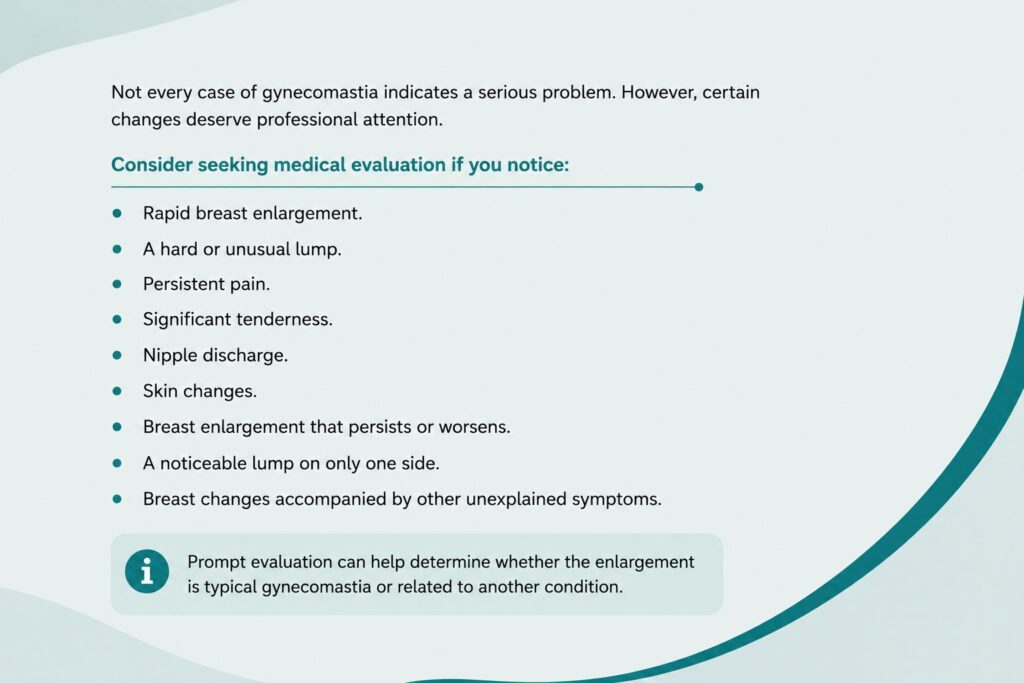
Not every case of gynecomastia indicates a serious problem. However, certain changes deserve professional attention.
Consider seeking medical evaluation if you notice:
- Rapid breast enlargement
- A hard or unusual lump
- Persistent pain
- Significant tenderness
- Nipple discharge
- Skin changes
- Breast enlargement that persists or worsens
- A noticeable lump on only one side
- Breast changes accompanied by other unexplained symptoms
Prompt evaluation can help determine whether the enlargement is typical gynecomastia or related to another condition.
How Is Gynecomastia Diagnosed
Diagnosis usually begins with a detailed medical history and physical examination.
A healthcare professional may ask about:
- When the breast enlargement began
- Whether one or both breasts are affected
- Medication and supplement use
- Alcohol or substance use
- Recent weight changes
- Puberty or age-related changes
- Existing health conditions
- Associated symptoms
Depending on the findings, additional testing may be recommended. Blood tests can help assess hormone levels and organ function. Imaging may sometimes be used when the physical examination is unclear or when another breast condition needs to be ruled out.
Treatment Options for Gynecomastia
Treatment depends on the underlying cause, duration, severity, and individual circumstances.
Treating the Underlying Cause
If a medication, hormonal condition, or another health problem is contributing to gynecomastia, addressing that factor may help reduce further enlargement.
Medication changes should only be made under appropriate medical supervision.
Observation
Some cases, particularly those related to puberty, may improve without specific treatment.
Observation can be appropriate when the condition is mild, the cause is likely temporary, and there are no concerning symptoms.
Lifestyle Changes
Lifestyle changes may be useful when excess body fat, alcohol consumption, or other modifiable factors contribute to chest enlargement.
Helpful measures may include:
- Maintaining a healthy body weight
- Following a balanced diet
- Exercising regularly
- Limiting excessive alcohol consumption
- Avoiding non-prescribed anabolic steroids
- Reviewing supplements and medications with a professional
Lifestyle changes may reduce excess chest fat, but they do not necessarily eliminate established glandular breast tissue.
Medication-Based Treatment
In selected cases, medications may be considered to address gynecomastia, particularly when the condition is relatively recent and associated with hormonal activity.
Medication should be considered only after appropriate evaluation and under professional guidance.
Surgical Treatment
When gynecomastia persists, causes significant discomfort, or creates substantial concern about chest appearance, surgical treatment may be an option.
Depending on the individual’s anatomy, treatment can involve removal of glandular tissue, reduction of excess fatty tissue, removal of excess skin, or a combination of techniques.
The appropriate approach depends on the amount and type of tissue present.
Benefits of Treating Gynecomastia
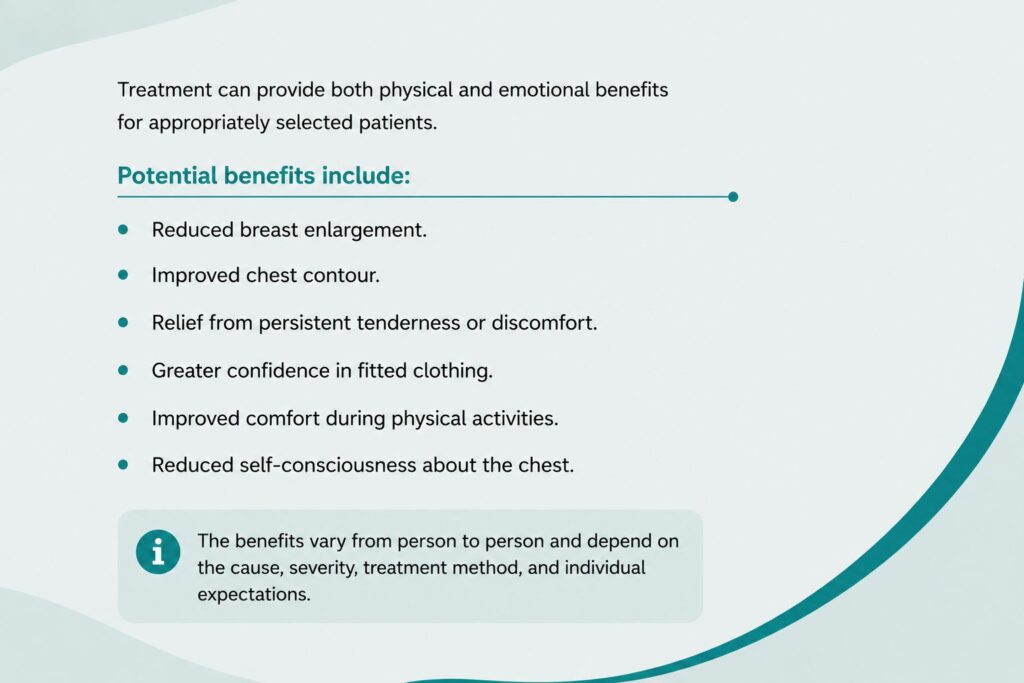
Treatment can provide both physical and emotional benefits for appropriately selected patients.
Potential benefits include:
- Reduced breast enlargement
- Improved chest contour
- Relief from persistent tenderness or discomfort
- Greater confidence in fitted clothing
- Improved comfort during physical activities
- Reduced self-consciousness about the chest
The benefits vary from person to person and depend on the cause, severity, treatment method, and individual expectations.
Tips for Managing Gynecomastia
Understanding the top causes of gynecomastia in men can make it easier to identify factors that may be contributing to breast enlargement.
Consider these practical tips:
- Track changes in breast size. Note when the enlargement started and whether it is progressing.
- Review medications. Discuss possible side effects with a healthcare professional rather than stopping medication independently.
- Maintain a healthy weight. Weight management can reduce excess chest fat.
- Exercise consistently. Strength training and cardiovascular activity can improve overall body composition.
- Avoid anabolic steroid misuse. These substances can disrupt natural hormone production.
- Limit excessive alcohol intake. This may support healthier liver and hormone function.
- Do not rely on unproven supplements. Some products marketed for hormone balance may not be well studied.
- Pay attention to warning signs. Sudden, painful, or unusual breast changes should be evaluated.
Can Exercise Remove Gynecomastia
Exercise can improve chest muscle development and reduce overall body fat, but it cannot reliably remove established glandular breast tissue.
Exercises such as push-ups, chest presses, and resistance training can strengthen the pectoral muscles and improve chest appearance. Cardiovascular exercise and a balanced diet may also help reduce excess fat.
If the enlargement is caused primarily by glandular tissue, however, exercise alone may not completely correct it.
Can Weight Loss Cure Gynecomastia
Weight loss can improve the appearance of a chest enlarged by excess fat. However, true gynecomastia may remain even after significant weight loss because glandular tissue is different from fatty tissue.
For this reason, determining the type of tissue involved is important before choosing a treatment strategy.
Can Gynecomastia Come Back
Recurrence depends on the underlying cause and treatment.
If the hormonal imbalance, medication exposure, steroid use, or another contributing factor remains unresolved, breast enlargement may persist or potentially recur.
After treatment, maintaining a stable weight and addressing relevant underlying factors may help support a lasting result.
Why Understanding the Cause Matters
Knowing the top causes of gynecomastia in men is more useful than focusing only on the appearance of enlarged breasts.
The same outward symptom can have very different causes. A teenager may experience temporary pubertal hormonal changes, while an adult may have medication-related gynecomastia or another hormonal issue.
Identifying the likely cause helps determine whether observation, lifestyle changes, medical treatment, or surgery is appropriate.
Conclusion
Understanding the top causes of gynecomastia in men is an important part of recognizing why male breast enlargement occurs and what options may be appropriate. Hormonal fluctuations, medications, excess body fat, medical conditions, aging, and lifestyle factors can all play a role.
Gynecomastia is not always preventable, and the right approach depends on its underlying cause. Identifying whether the enlargement involves glandular tissue, excess fat, or both can help guide appropriate management. Men who notice persistent, sudden, painful, or unusual breast changes should seek professional evaluation rather than relying on assumptions or unproven remedies. According to the Mayo Clinic, gynecomastia may result from hormonal changes, certain medications, and underlying health conditions.
Frequently Asked Questions

Dr Prince
Consultant Plastic & Cosmetic Surgeon
Dr Prince is a Consultant Plastic and Reconstructive Surgeon at the Sushrutha Institute of Plastic Surgery, Elite Mission Hospital, Thrissur. He specializes in aesthetic and reconstructive procedures performed in a fully equipped hospital environment with strict safety protocols.
His expertise includes liposuction, rhinoplasty, gynecomastia correction, tummy tuck, breast surgery, and advanced facial aesthetic procedures, with a focus on safe techniques and natural-looking results.
Sushrutha Institute of Plastic Surgery, Elite Mission Hospital, Thrissur, Kerala