7 Proven Who Is the Best Candidate for Male Breast Reduction
Male breast enlargement can affect men of different ages and body types. If you are wondering who is the best candidate for male breast reduction, the answer depends on the cause, severity, overall health, and personal goals. In Thrissur, men considering this procedure may first want to understand whether their breast enlargement is caused by excess fat, glandular tissue, or a combination of both.
Male breast reduction, also called gynecomastia surgery, is designed to reduce unwanted breast tissue and create a flatter, more masculine chest contour. However, surgery is not automatically appropriate for every man with enlarged breasts. A proper evaluation helps determine whether treatment is suitable and which approach may provide the most appropriate result.
Who Is the Best Candidate for Male Breast Reduction
The best candidate for male breast reduction is generally a man with persistent enlarged or prominent breasts who is physically healthy, has realistic expectations, and is bothered by the appearance of his chest.
A suitable candidate may have:
- Persistent male breast enlargement
- Excess glandular breast tissue
- Excess fatty tissue around the chest
- A combination of fat and glandular tissue
- Stable body weight
- Good general health
- Realistic expectations about the outcome
- Emotional discomfort caused by enlarged breasts
- Difficulty feeling comfortable in fitted clothing or at the beach
- Breast enlargement that has not improved with appropriate lifestyle changes
The exact suitability for surgery varies from person to person. A medical assessment is important before deciding on treatment.
How Does Male Breast Enlargement Affect Candidacy
Understanding the underlying cause is an important part of determining who is the best candidate for male breast reduction.
Male breast enlargement can occur because of changes in the balance between estrogen and testosterone, increased body fat, certain medications, underlying health conditions, or natural hormonal changes.
Gynecomastia
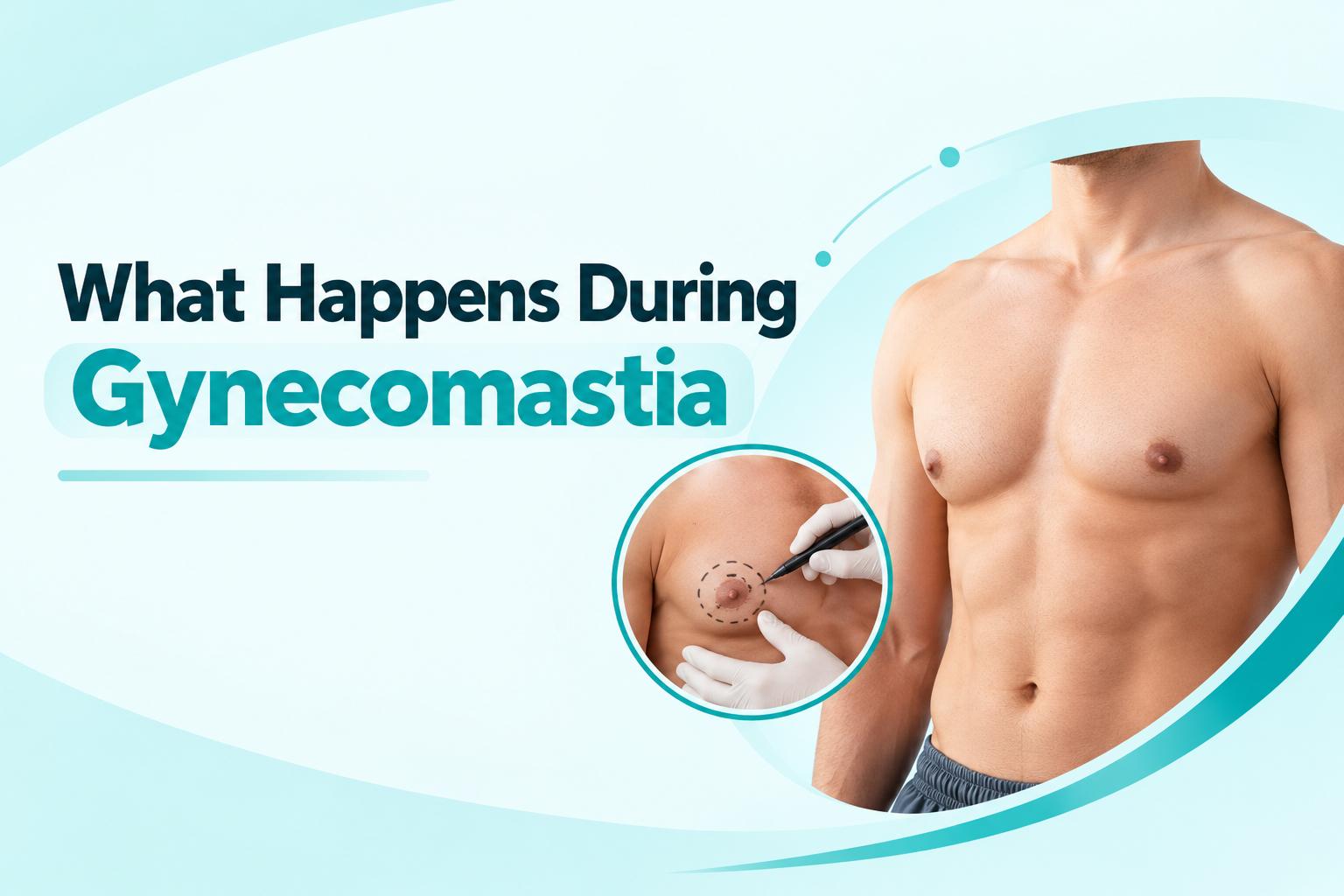
Gynecomastia refers to the enlargement of male breast tissue, particularly glandular tissue. It can occur during puberty, adulthood, or later in life.
When glandular tissue remains enlarged and does not resolve over time, surgical reduction may be considered in appropriate candidates.
Chest Fat
Some men have enlarged-looking breasts primarily because of excess fat. This is sometimes called pseudogynecomastia or adipomastia.
In these cases, weight management may help. If localized fat remains despite appropriate lifestyle measures, a procedure such as liposuction may sometimes be considered.
Combined Fat and Glandular Tissue
Some men have both excess fat and glandular tissue. This is a common reason for considering a combined surgical approach.
Identifying the tissue responsible for enlargement helps determine the most appropriate treatment strategy.
What Makes Someone a Good Surgical Candidate
Several factors are considered when assessing who is the best candidate for male breast reduction.
Stable Body Weight
A relatively stable weight is generally preferable before elective body-contouring surgery. Significant weight fluctuations after treatment can change the appearance of the chest.
Men who are currently losing a substantial amount of weight may be advised to reach a more stable weight before considering surgery.
Good General Health
A candidate should generally be healthy enough to undergo the proposed procedure and recovery process.
The evaluation may include a review of:
- Existing medical conditions
- Current medications
- Previous surgeries
- Allergies
- Smoking or nicotine use
- Relevant medical history
Good overall health can help support safer surgery and recovery.
Realistic Expectations
Male breast reduction can improve chest contour, but it cannot guarantee a particular appearance or completely eliminate every natural difference between the two sides of the chest.
A good candidate understands what the procedure can realistically achieve.
Persistent Concern
Surgery may be considered when breast enlargement persists and continues to cause significant concern despite appropriate non-surgical measures.
The decision should be based on the individual’s circumstances rather than pressure from other people.
What Are the Common Causes of Male Breast Enlargement
Knowing the cause can help determine whether surgery is appropriate.
Common causes include:
- Hormonal changes
- Puberty-related gynecomastia
- Aging
- Increased body fat
- Certain medications
- Some underlying medical conditions
- Changes affecting testosterone or estrogen levels
- Persistent glandular breast tissue
Sometimes, male breast enlargement can be associated with an underlying medical issue. For this reason, a new, unusual, or rapidly developing breast change should not simply be assumed to be gynecomastia.
A medical evaluation can help distinguish common gynecomastia from other causes of breast enlargement.
What Are the Different Types of Male Breast Enlargement
Male breast enlargement can vary considerably from one person to another. The amount and type of tissue involved can influence treatment.
Fat-Dominant Enlargement
This occurs when excess fatty tissue contributes significantly to the appearance of the breasts.
Weight reduction may improve the chest in some individuals. However, localized fat that remains despite weight management may require additional evaluation.
Glandular Enlargement
Glandular enlargement involves actual breast tissue beneath or around the nipple area.
Exercise cannot directly remove glandular breast tissue. When it persists and causes significant concern, surgical removal may be considered.
Mixed Enlargement
Mixed enlargement contains both fat and glandular tissue.
Men with this pattern may require treatment that addresses both components to achieve an improved chest contour.
What Symptoms May Indicate Gynecomastia
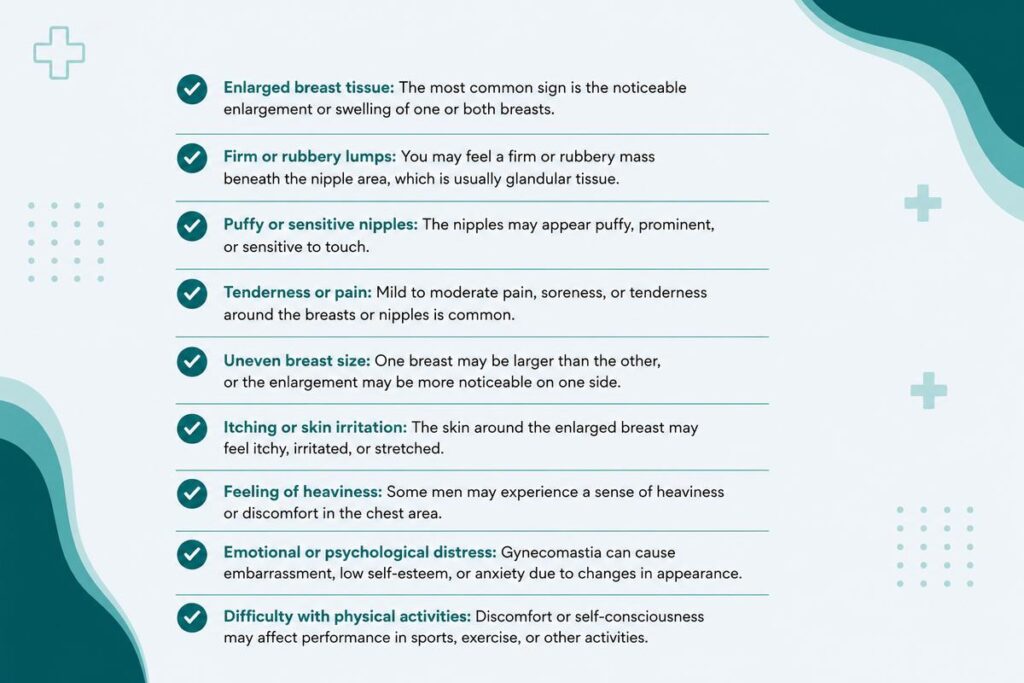
The appearance of enlarged breasts is the most noticeable feature, but other symptoms can occur.
Possible signs include:
- Enlarged breast tissue
- A firm or rubbery area beneath the nipple
- Puffy or enlarged nipples
- Increased sensitivity around the nipple
- Tenderness or discomfort
- Uneven enlargement between the two sides
- A chest appearance that remains enlarged despite exercise
Not every man with enlarged breasts experiences pain or tenderness.
A sudden change, a firm lump, nipple discharge, skin changes, or significant one-sided enlargement should be medically evaluated rather than automatically attributed to gynecomastia.
Can Exercise Eliminate the Need for Male Breast Reduction
Exercise can strengthen the chest muscles and reduce overall body fat, but it cannot directly remove established glandular breast tissue.
Strength training may improve the appearance of the chest by developing the underlying pectoral muscles. Cardiovascular exercise and a balanced diet can also help reduce excess body fat.
However, persistent glandular tissue may remain even after substantial weight loss and regular exercise.
This distinction is important when determining who is the best candidate for male breast reduction. Surgery may be considered when the enlargement persists despite appropriate lifestyle measures and the individual remains concerned about the chest appearance.
What Treatment Options Are Available
Treatment depends on the underlying cause and the amount and type of tissue present.
Lifestyle Changes
If excess body fat is a major contributor, a structured approach involving:
- Regular physical activity
- Strength training
- Balanced nutrition
- Appropriate weight management
may improve the chest appearance.
Lifestyle changes are particularly relevant when the enlargement is predominantly related to excess fat.
Medication or Medical Management
When gynecomastia is associated with a medication, hormonal issue, or underlying condition, addressing the underlying cause may be appropriate.
Any medication changes should be made only under appropriate medical supervision.
Liposuction
Liposuction can remove excess localized fat from the chest. It is generally more suitable when fatty tissue is a major contributor to the enlargement.
It does not remove firm glandular tissue in the same way as direct surgical excision.
Glandular Tissue Removal
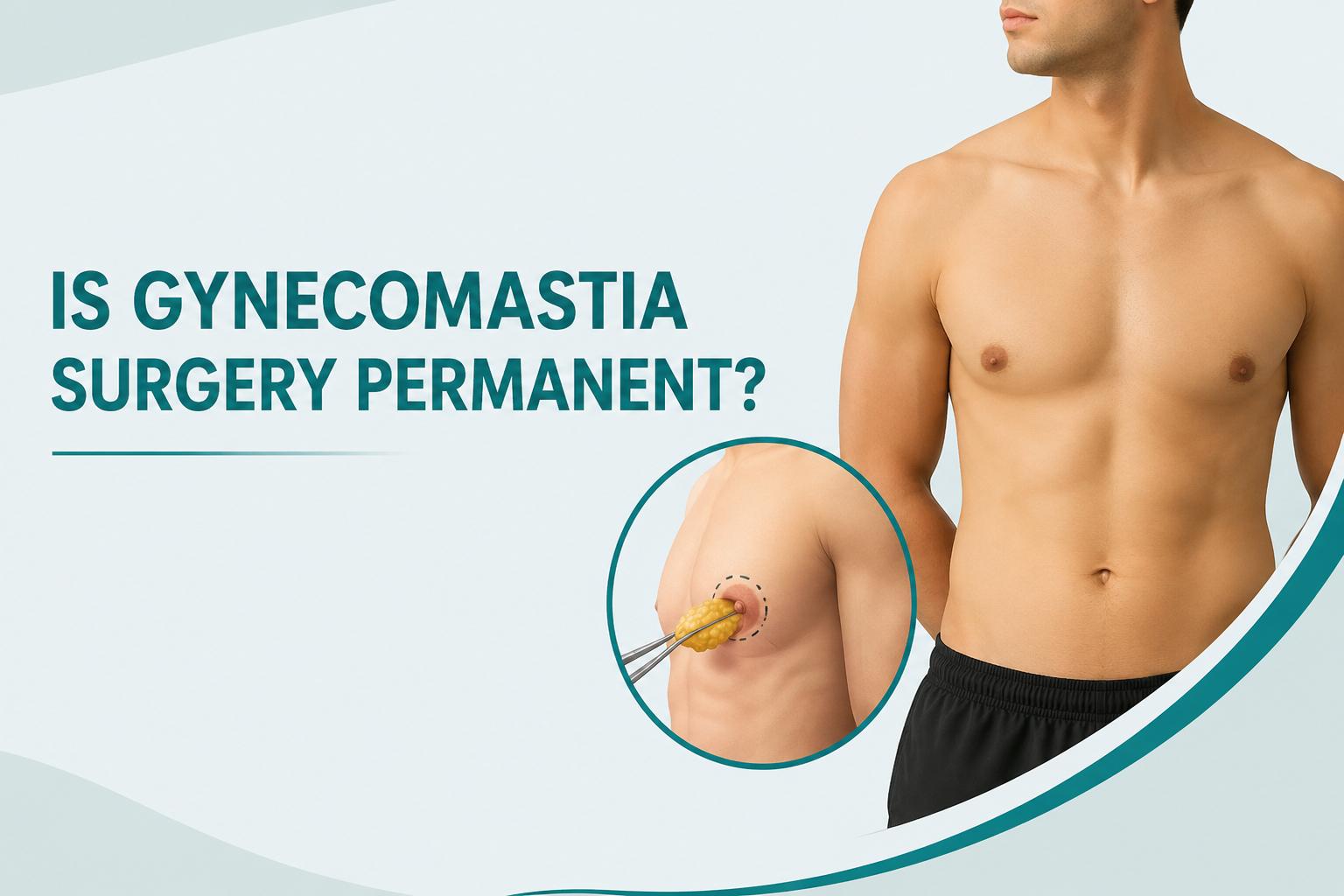
When persistent glandular tissue contributes significantly to breast enlargement, surgical excision may be considered.
Combination Treatment
Some men have both excess fat and glandular tissue. In these cases, liposuction and glandular tissue removal may be combined when clinically appropriate.
The recommended technique depends on the individual’s anatomy and treatment goals.
What Are the Benefits of Male Breast Reduction
For an appropriate candidate, male breast reduction can provide several potential benefits.
Improved Chest Contour
Removing excess tissue can create a flatter and more proportionate chest.
Better Clothing Fit
Some men find that shirts and fitted clothing sit more comfortably after chest reduction.
Greater Body Confidence
Persistent gynecomastia can make some men feel self-conscious. Improving the chest contour may help them feel more comfortable with their appearance.
Improved Comfort During Activities
Some men feel uncomfortable when exercising, swimming, or participating in sports because of noticeable breast enlargement.
Reducing excess tissue may make these activities more comfortable from an appearance and physical perspective.
More Proportionate Appearance
A flatter chest can create better visual balance between the chest, shoulders, abdomen, and upper body.
The benefits and degree of improvement vary between individuals.
When Should You Consider Male Breast Reduction
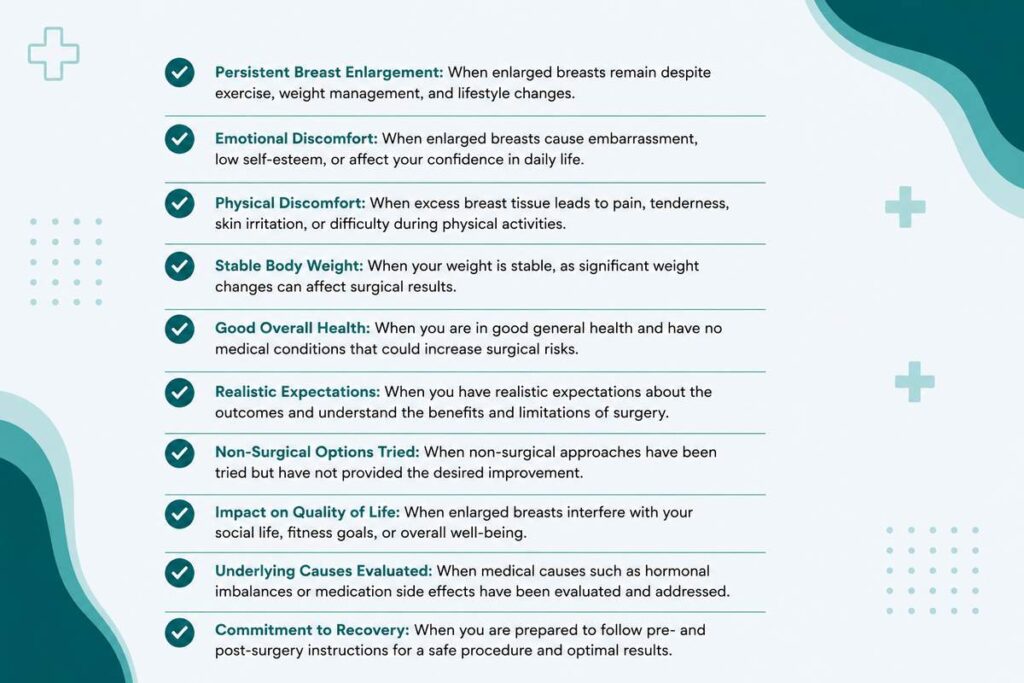
There is no single age at which every man should consider treatment.
The decision may be appropriate when:
- Breast enlargement has persisted
- The underlying cause has been evaluated
- The individual is in generally good health
- Weight is reasonably stable
- Non-surgical measures have not achieved the desired improvement
- The appearance causes ongoing distress or self-consciousness
- Expectations are realistic
- The individual understands the potential benefits and limitations of surgery
For younger men, it may be appropriate to determine whether puberty-related gynecomastia is likely to resolve before considering surgery.
Who May Not Be an Ideal Candidate
Not everyone with male breast enlargement is immediately suitable for surgery.
A procedure may need to be delayed or reconsidered when:
- Weight is significantly unstable
- There is an untreated underlying medical condition
- The breast enlargement has a potentially reversible cause
- Expectations are unrealistic
- The individual is not prepared for the recovery period
- Nicotine use creates additional surgical concerns
- The person expects surgery to replace healthy lifestyle habits
This does not necessarily mean surgery will never be possible. Some factors can be addressed before treatment.
How Is Candidacy Evaluated
A proper assessment usually begins with a discussion of the individual’s concerns and medical history.
The evaluation may consider:
- Duration of breast enlargement
- Age when enlargement began
- Changes in body weight
- Medication history
- Relevant medical conditions
- Hormonal factors
- Amount of fatty tissue
- Amount of glandular tissue
- Skin quality
- Chest symmetry
- Previous treatments
- Personal expectations
A physical examination helps determine the nature and extent of enlargement.
Depending on the findings, additional investigations may sometimes be recommended to identify an underlying cause.
What Should You Do Before Male Breast Reduction
Preparation can help support a smoother treatment experience.
Maintain a Stable Weight
Avoid major weight fluctuations before surgery when possible.
Follow Medical Instructions
If surgery is recommended, follow all instructions regarding medications, nutrition, activity, and preparation.
Discuss Medications
Provide complete information about prescription medicines, over-the-counter medicines, and supplements.
Avoid Unapproved Medication Changes
Do not stop or change prescribed medicines without medical guidance.
Understand Recovery
Ask about expected swelling, bruising, activity restrictions, wound care, follow-up appointments, and the time needed before returning to normal activities.
Having realistic expectations is an important part of preparation.
What Can You Expect After Treatment
Recovery varies depending on the treatment technique and the individual’s circumstances.
Temporary swelling and bruising may occur after surgery. Some people may experience tightness, tenderness, or changes in sensation around the treated area.
Post-treatment instructions may include:
- Keeping the treated area clean
- Wearing recommended compression garments if advised
- Avoiding strenuous activity for the recommended period
- Attending follow-up appointments
- Following wound-care instructions
- Gradually returning to exercise
The final chest contour may take time to become apparent because swelling can temporarily affect the appearance.
Tips for Choosing the Right Treatment
If you are considering male breast reduction, avoid choosing treatment based only on advertisements or before-and-after photographs.
Instead, consider:
- Whether the cause of enlargement has been identified
- Whether your weight is stable
- Whether you are medically suitable for treatment
- What type of tissue is causing the enlargement
- Which technique is being recommended
- What recovery involves
- What results can realistically be expected
- What potential risks and complications exist
- Whether follow-up care is available
A proper consultation is more useful than trying to determine candidacy based solely on photographs or online descriptions.
Conclusion
Understanding who is the best candidate for male breast reduction starts with identifying why the breasts are enlarged and whether the enlargement is persistent. A suitable candidate is generally healthy, has a relatively stable weight, understands the limitations of treatment, and wants to improve a chest appearance that causes ongoing concern.
Male breast reduction can address excess fat, glandular tissue, or both, depending on the individual’s needs. However, surgery should not be viewed as the first or only solution for every case. Lifestyle changes, medical evaluation, and treatment of an underlying cause may be appropriate in some situations.
If enlarged male breasts persist despite appropriate measures and continue to affect confidence or comfort, a professional evaluation in Thrissur can help determine whether male breast reduction is appropriate and which treatment approach may best match the individual’s needs. For more information about gynecomastia and male breast enlargement, refer to the Mayo Clinic’s overview of gynecomastia, which explains its common causes, symptoms, and treatment options.
Frequently Asked Questions

Dr Prince
Consultant Plastic & Cosmetic Surgeon
Dr Prince is a Consultant Plastic and Reconstructive Surgeon at the Sushrutha Institute of Plastic Surgery, Elite Mission Hospital, Thrissur. He specializes in aesthetic and reconstructive procedures performed in a fully equipped hospital environment with strict safety protocols.
His expertise includes liposuction, rhinoplasty, gynecomastia correction, tummy tuck, breast surgery, and advanced facial aesthetic procedures, with a focus on safe techniques and natural-looking results.
Sushrutha Institute of Plastic Surgery, Elite Mission Hospital, Thrissur, Kerala