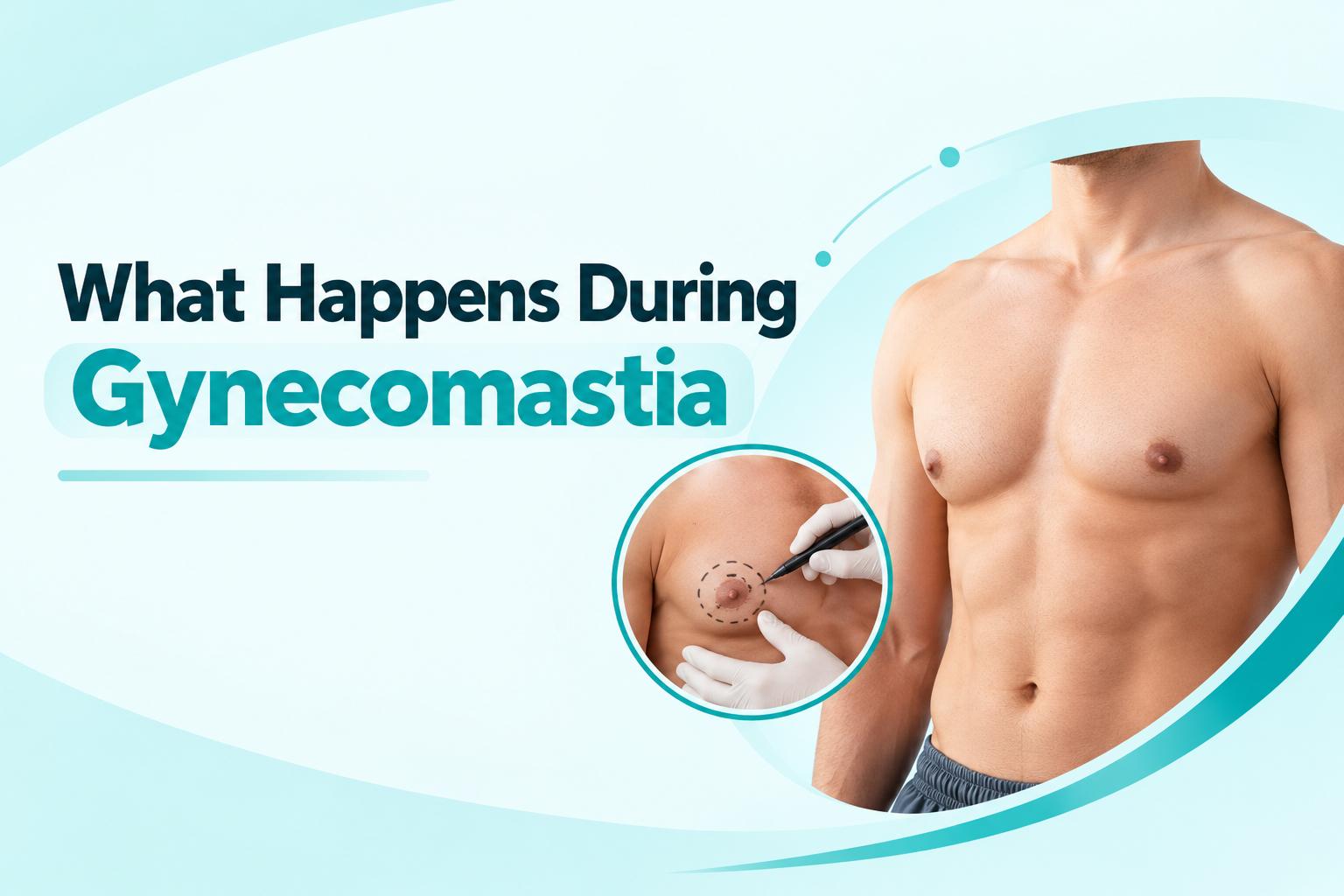
Male breast enlargement is a common condition that affects men of different age groups. Many individuals feel uncomfortable wearing fitted clothing, participating in social activities, or maintaining confidence because of chest fullness. Understanding the best treatment for male breast enlargement helps patients make informed decisions about improving chest contour and overall comfort.
Male breast enlargement may occur because of excess fat accumulation, enlarged gland tissue, hormonal imbalance, medication use, weight fluctuations, or lifestyle factors. Some cases improve naturally, while others may require professional medical evaluation and personalized treatment planning.
This detailed guide explains the best treatment for male breast enlargement, causes, symptoms, diagnosis, treatment options, recovery expectations, and long-term care.
Understanding Male Breast Enlargement
Before choosing the best treatment for male breast enlargement, it is important to understand the condition itself.
Male breast enlargement may involve:
- Excess fat accumulation
- Enlarged gland tissue
- Loose skin
- Hormonal imbalance
- Combination of fat and gland tissue
The condition can affect:
- Teenagers
- Young adults
- Middle-aged men
- Older individuals
Some men experience mild chest fullness, while others notice significant enlargement affecting confidence and body image.
Common Causes of Male Breast Enlargement
Understanding the underlying cause helps determine the best treatment for male breast enlargement.
Hormonal Imbalance
Changes in estrogen and testosterone levels may contribute to gland tissue enlargement.
Weight Gain
Excess body fat may lead to chest fullness or pseudogynecomastia.
Medications
Certain medications may influence hormonal balance and chest tissue growth.
Steroid Use
Anabolic steroids may contribute to male breast enlargement.
Genetic Factors
Some individuals may naturally develop chest fullness because of hereditary tendencies.
Medical Conditions
Hormonal disorders, liver conditions, and thyroid imbalance may contribute to chest enlargement.
Symptoms of Male Breast Enlargement
Symptoms vary depending on the cause and severity.
Common signs include:
- Puffy chest appearance
- Firm tissue beneath the nipple
- Chest asymmetry
- Tenderness
- Emotional discomfort
- Reduced confidence
Professional evaluation helps identify whether enlargement is caused by fat, gland tissue, or both.
Importance of Professional Evaluation
A detailed consultation helps determine the best treatment for male breast enlargement.
Medical History Review
Doctors may ask about:
- Weight changes
- Medication history
- Hormonal conditions
- Steroid use
- Lifestyle habits
Physical Examination
Chest tissue is examined to identify:
- Fat accumulation
- Gland enlargement
- Skin quality
- Chest symmetry
Diagnostic Tests
Some patients may require:
- Blood tests
- Hormone evaluation
- Imaging studies
Accurate diagnosis supports personalized treatment planning.
Best Treatment for Male Breast Enlargement
The best treatment for male breast enlargement depends on the underlying cause, chest composition, and patient goals.
Lifestyle and Weight Management
Some patients improve with healthy lifestyle changes.
Exercise
Regular physical activity may help reduce excess chest fat.
Balanced Diet
Healthy eating supports weight management and overall wellness.
Avoid Steroid Use
Stopping anabolic steroids may help reduce hormonal imbalance.
Lifestyle modification may benefit individuals with fat-related chest fullness.
Non-Surgical Treatment Options
Certain mild cases may improve without surgery.
Hormonal Management
Hormonal imbalance may require medical treatment.
Weight Reduction Programs
Weight loss may reduce fatty chest enlargement.
Observation
Temporary hormonal gynecomastia during puberty may improve naturally over time.
However, persistent gland tissue enlargement may not respond fully to non-surgical methods.
Surgical Treatment Options
Persistent male breast enlargement may require surgical correction.
Liposuction
Liposuction removes excess chest fat and improves chest contour.
Benefits of Liposuction
- Smaller incisions
- Improved contour
- Reduced chest fullness
- Faster recovery in selected cases
Liposuction is usually suitable for soft fatty chest enlargement.
Gland Tissue Excision
Firm glandular gynecomastia may require surgical gland removal.
Benefits
- Removes persistent gland tissue
- Improves chest definition
- Helps flatten chest contour
Gland excision may be combined with liposuction for balanced results.
Combination Treatment
Many patients benefit from combined treatment involving:
- Fat removal
- Gland excision
- Skin contour improvement
Personalized treatment planning helps achieve natural chest contour balance.
How Doctors Choose the Best Treatment
The best treatment for male breast enlargement depends on several factors.
Tissue Type
Doctors determine whether the chest contains:
- Fat
- Gland tissue
- Mixed tissue
Skin Elasticity
Skin quality influences treatment planning and recovery.
Severity of Enlargement
Mild, moderate, and severe enlargement may require different approaches.
Patient Goals
Treatment is customized according to individual concerns and expectations.
What Happens During Consultation
Understanding consultation helps patients feel more prepared.
Discussion of Symptoms
Patients discuss:
- Duration of enlargement
- Emotional concerns
- Physical discomfort
- Previous treatments
Physical Assessment
The surgeon evaluates:
- Chest tissue
- Symmetry
- Skin quality
- Nipple position
Treatment Planning
Doctors explain:
- Suitable procedures
- Recovery expectations
- Possible risks
- Long-term maintenance
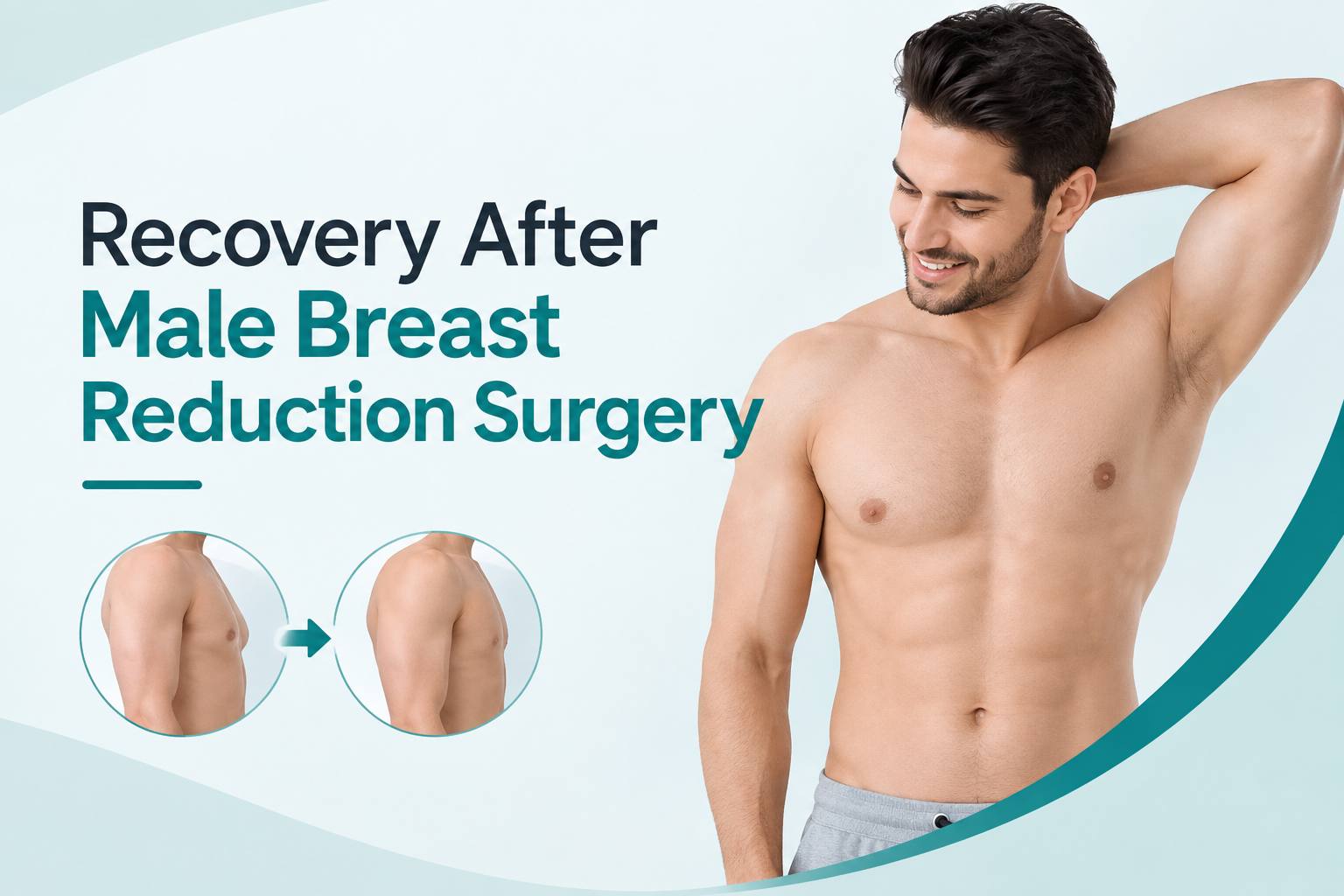
Recovery After Male Breast Enlargement Treatment
Recovery varies depending on treatment type.
Early Recovery
Patients may experience:
- Swelling
- Bruising
- Tightness
- Mild discomfort
Compression Garments
Compression garments help reduce swelling and support chest contour healing.
Activity Restrictions
Heavy physical activity is usually limited temporarily during healing.
Gradual Improvement
Chest contour continues improving gradually during recovery.
Following post-treatment instructions supports smoother healing.
Benefits of Treatment
The best treatment for male breast enlargement may improve both physical comfort and confidence.
Patients often experience:
- Improved chest contour
- Better clothing fit
- Increased self-confidence
- Improved body image
- Enhanced physical comfort
Results vary depending on individual anatomy and healing response.
Emotional Impact of Male Breast Enlargement
Many men experience emotional concerns because of chest enlargement.
Common emotional effects include:
- Social discomfort
- Reduced self-esteem
- Avoiding fitted clothing
- Hesitation during physical activities
Professional consultation helps patients understand treatment options and realistic expectations.
Is Male Breast Enlargement Treatment Safe
Treatment is generally considered safe when performed by qualified professionals in accredited medical facilities.
Safety Factors Include:
- Proper patient evaluation
- Experienced surgeons
- Ethical treatment planning
- Appropriate recovery care
Patients should discuss risks and benefits during consultation.
Risks and Considerations
Like any medical procedure, treatment may involve certain risks.
Possible risks include:
- Swelling
- Bruising
- Temporary numbness
- Minor asymmetry
- Fluid accumulation
- Delayed healing
Choosing an experienced surgeon helps improve safety and treatment planning.
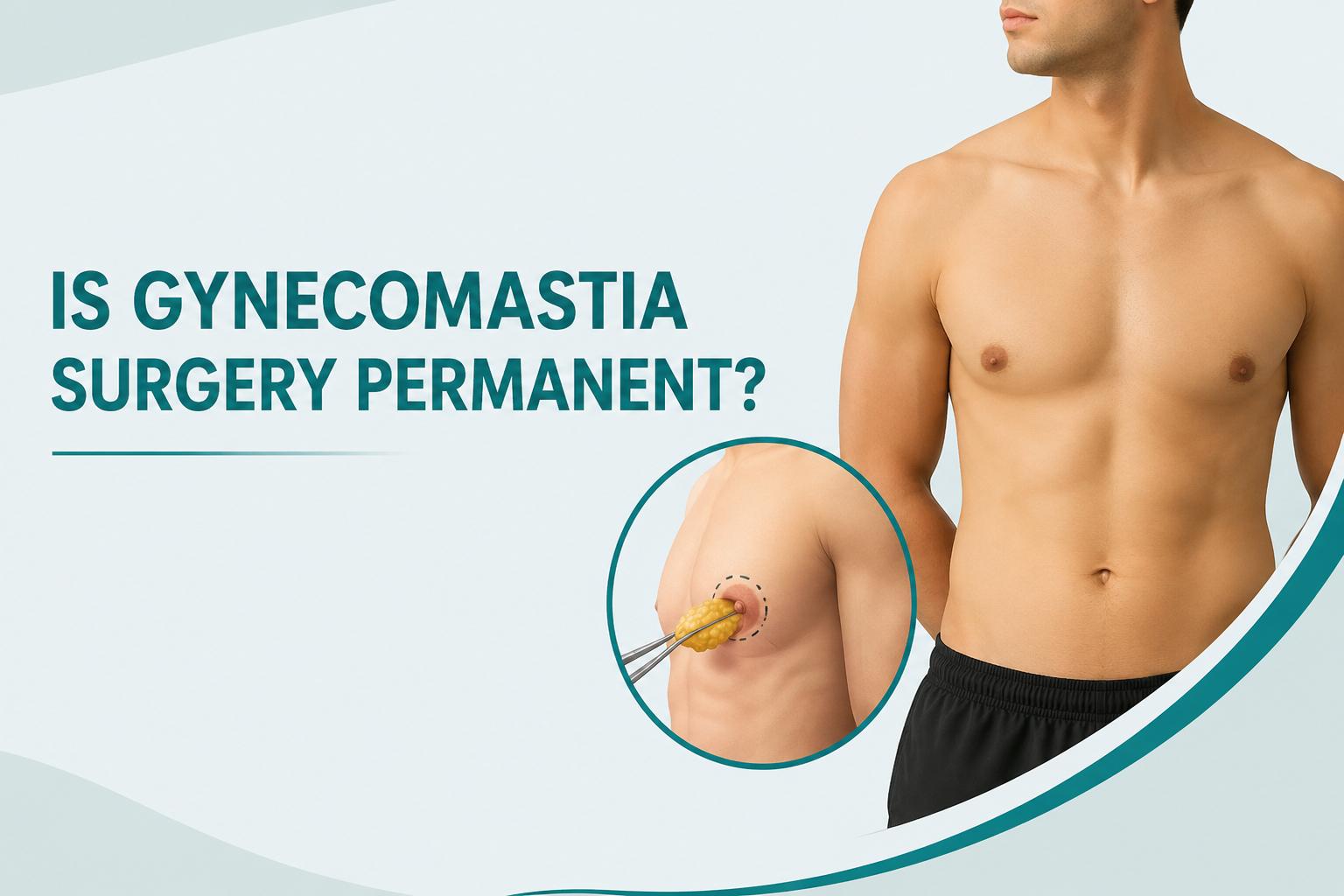
Are Results Permanent
Results are often long-lasting when patients maintain:
- Stable body weight
- Healthy lifestyle habits
- Regular exercise
- Hormonal balance
Avoiding steroid use may also help reduce recurrence risk.
Choosing the Right Specialist
Selecting a qualified doctor is important when considering the best treatment for male breast enlargement.
Look for:
- Plastic surgery qualifications
- Experience with gynecomastia treatment
- Ethical consultation practices
- Accredited medical facilities
- Transparent communication
Professional guidance supports safer and more personalized treatment.
Lifestyle Habits That Support Better Results
Healthy habits may help maintain long-term chest contour improvement.
Maintain Stable Weight
Weight fluctuations may affect results.
Exercise Regularly
Fitness supports chest tone and overall health.
Follow Recovery Instructions
Proper aftercare supports smoother healing.
Avoid Hormonal Disruptors
Certain substances may contribute to recurrence.
When to Seek Medical Consultation
Consultation may be helpful if:
- Chest enlargement persists
- Exercise does not improve chest contour
- Chest tissue feels firm
- Emotional discomfort develops
- Chest asymmetry becomes noticeable
Early evaluation helps identify suitable treatment options.
Common Myths About Male Breast Enlargement
Myth: Only Overweight Men Develop It
Even fit individuals may develop glandular gynecomastia.
Myth: Exercise Always Removes It
Exercise may reduce fat but may not remove gland tissue.
Myth: Surgery Gives Instant Results
Healing and contour improvement occur gradually during recovery.
Understanding facts helps patients make informed decisions.
Conclusion
The best treatment for male breast enlargement depends on the underlying cause, chest composition, severity, and individual treatment goals. Some patients improve with lifestyle changes and weight management, while others may require surgical correction involving liposuction, gland excision, or combined treatment approaches.
Professional consultation with an experienced plastic surgeon helps determine the most appropriate treatment plan. Accurate diagnosis, ethical communication, realistic expectations, and proper recovery guidance all play important roles in achieving safe and balanced chest contour improvement.
Frequently Asked Questions
1. What is the best treatment for male breast enlargement?
The best treatment for male breast enlargement depends on whether the condition is caused by fat accumulation, gland tissue enlargement, or hormonal imbalance.
2. Can exercise reduce male breast enlargement?
Exercise may reduce chest fat, but persistent gland tissue enlargement often requires professional medical evaluation or treatment.
3. What causes male breast enlargement in men?
Hormonal imbalance, obesity, medications, steroid use, and gland tissue growth are common causes of male breast enlargement.
4. Is gynecomastia surgery permanent?
Results are often long-lasting when patients maintain healthy lifestyle habits and stable body weight.
5. What is the difference between fat and gland tissue?
Fat tissue feels softer, while gland tissue is usually firmer beneath the nipple area and may not improve with exercise alone.
6. Is male breast enlargement treatment safe?
Treatment is generally considered safe when performed by qualified professionals in accredited medical facilities.
7. How long does recovery take after treatment?
Initial recovery usually takes a few weeks, while final chest contour improvement develops gradually over time.
8. Can weight loss improve male chest fullness?
Weight loss may reduce fat-related chest fullness, but glandular gynecomastia may still require professional treatment.
9. What happens during a gynecomastia consultation?
The doctor evaluates chest tissue, symptoms, medical history, and discusses suitable treatment and recovery options.
10. When should I consult a specialist for male breast enlargement?
You should consult a specialist if chest enlargement persists, causes discomfort, or affects confidence and daily activities.

Dr Prince
Consultant Plastic & Cosmetic Surgeon
Dr Prince is a Consultant Plastic and Reconstructive Surgeon at the Sushrutha Institute of Plastic Surgery, Elite Mission Hospital, Thrissur. He specializes in aesthetic and reconstructive procedures performed in a fully equipped hospital environment with strict safety protocols.
His expertise includes liposuction, rhinoplasty, gynecomastia correction, tummy tuck, breast surgery, and advanced facial aesthetic procedures, with a focus on safe techniques and natural-looking results.
Sushrutha Institute of Plastic Surgery, Elite Mission Hospital, Thrissur, Kerala