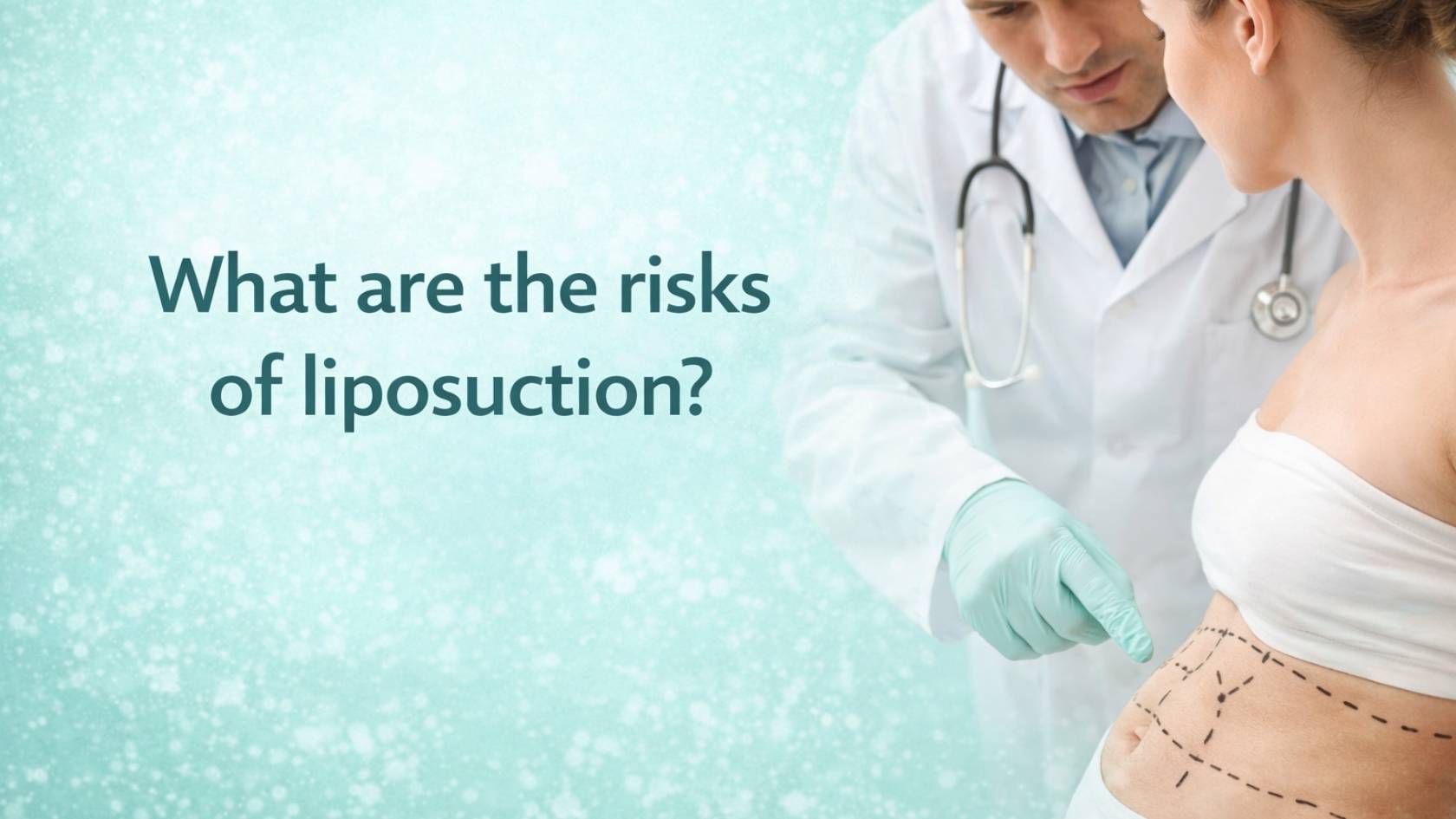
Risks of Liposuction is a commonly performed cosmetic procedure designed to remove stubborn fat deposits and improve body contours. While it is generally considered safe when performed by qualified professionals, it is still a surgical procedure and carries certain risks. Understanding these risks helps patients make informed decisions and prepares them for a smoother treatment journey.
Individuals considering liposuction in Kerala are often advised to attend a detailed consultation to understand both the benefits and potential complications. Being aware of possible risks allows patients to follow proper precautions and improve overall safety.
Understanding Liposuction Risks
Like any surgery, liposuction involves medical intervention, anesthesia, and recovery. The risks can vary depending on factors such as the patient’s health, the amount of fat removed, the technique used, and post-operative care.
Most side effects are temporary and manageable, while rare complications require medical attention.
Common Risks of Liposuction
1. Swelling and Bruising
Swelling and bruising are the most common side effects after liposuction. These occur due to tissue manipulation during the procedure.
Swelling may last for a few weeks
Bruising usually fades gradually
Compression garments help reduce swelling
These are normal parts of the healing process.
2. Pain and Discomfort
Mild to moderate pain is expected after surgery. This is usually temporary and can be managed with prescribed medications.
Discomfort reduces within a few days
Pain levels vary depending on the treatment area
Proper rest helps in recovery
3. Temporary Numbness
Some patients experience numbness in the treated areas due to nerve irritation.
Usually temporary
Sensation returns gradually
May take a few weeks to months
4. Fluid Accumulation (Seroma)
Fluid may collect under the skin after surgery, known as seroma.
May require drainage
Common in larger treatment areas
Proper post-operative care reduces risk
5. Infection
Although rare, infection is a possible risk in any surgical procedure.
Prevented through sterile surgical techniques
Antibiotics may be prescribed
Early signs should be reported immediately
6. Scarring
Liposuction involves small incisions, which may leave minor scars.
Usually minimal and fade over time
Placement of incisions reduces visibility
Proper wound care improves healing
Moderate Risks of Liposuction
7. Irregular Body Contours
Uneven fat removal may lead to irregular or lumpy skin appearance.
Can occur due to uneven fat distribution
More common in large-volume liposuction
Sometimes requires correction procedures
8. Skin Laxity
After fat removal, the skin may not tighten properly in some individuals.
Depends on skin elasticity
More common in older patients
May require additional treatments
9. Prolonged Swelling
In some cases, swelling may last longer than expected.
Can persist for several weeks or months
Gradually improves with time
Compression garments help manage it
Rare but Serious Risks
10. Blood Clots
Blood clots are a rare but serious complication.
Can occur in legs or lungs
Early movement after surgery reduces risk
Immediate medical attention is required
11. Fat Embolism
Fat particles may enter the bloodstream and block blood vessels.
Very rare but serious
Requires emergency treatment
Prevented through proper surgical techniques
12. Reaction to Anesthesia
Some patients may react to anesthesia used during the procedure.
Includes allergic reactions or breathing issues
Monitored by trained professionals
Pre-surgery evaluation reduces risk
13. Internal Organ Injury
In rare cases, the surgical instrument may affect internal structures.
Very uncommon
More likely in complex procedures
Avoided with experienced surgical techniques
Factors That Increase Liposuction Risks
Certain factors may increase the likelihood of complications:
Smoking
Obesity
Existing medical conditions
Poor skin elasticity
Large-volume fat removal
Patients are usually advised to manage these factors before surgery to improve safety.
How to Reduce the Risks of Liposuction
While risks cannot be completely eliminated, they can be minimized by following proper precautions.
Choose a Qualified Surgical Facility
A well-equipped hospital with trained professionals ensures better safety and monitoring.
Follow Pre-Surgery Instructions
Avoid certain medications
Maintain a healthy lifestyle
Complete recommended medical tests
Follow Post-Surgery Care
Wear compression garments
Attend follow-up visits
Avoid strenuous activities
Maintain hygiene
Maintain Realistic Expectations
Understanding what liposuction can and cannot achieve helps reduce dissatisfaction and complications.
Importance of Consultation Before Liposuction
A detailed consultation is essential to evaluate risks based on individual health conditions.
During consultation, doctors typically:
Review medical history
Assess treatment areas
Discuss potential complications
Explain safety measures
This step helps ensure that the procedure is suitable and planned safely.
Final Thoughts
Liposuction is a safe and effective procedure when performed under proper medical supervision. However, like any surgery, it carries certain risks ranging from minor side effects to rare complications. Understanding these risks helps patients prepare better and follow necessary precautions.
For individuals considering liposuction in Kerala, discussing all possible risks during consultation ensures a safer treatment experience and helps set realistic expectations for recovery and results.
Frequently Asked Questions
Liposuction is generally safe when performed by qualified professionals in a proper medical setting.
Common risks include swelling, bruising, pain, and temporary numbness.
Serious complications like blood clots or fat embolism are rare but possible.
Swelling may last for a few weeks and gradually improves over time.
Small scars may be present, but they are usually minimal and fade over time.
Irregular contours can occur if fat removal is uneven, though this is uncommon with proper technique.
Infection is rare and can be prevented with proper surgical care and hygiene.
Individuals with health conditions, smokers, and those undergoing large-volume liposuction may have higher risks.
Following medical advice, choosing a qualified facility, and maintaining a healthy lifestyle help reduce risks.
Consultation helps assess risks, evaluate suitability, and plan a safe procedure.

Dr Prince
Consultant Plastic & Cosmetic Surgeon
Dr Prince is a Consultant Plastic and Reconstructive Surgeon at the Sushrutha Institute of Plastic Surgery, Elite Mission Hospital, Thrissur. He specializes in aesthetic and reconstructive procedures performed in a fully equipped hospital environment with strict safety protocols.
His expertise includes liposuction, rhinoplasty, gynecomastia correction, tummy tuck, breast surgery, and advanced facial aesthetic procedures, with a focus on safe techniques and natural-looking results.
Sushrutha Institute of Plastic Surgery, Elite Mission Hospital, Thrissur, Kerala