A rhinoplasty consultation is the foundation of successful nose surgery, helping patients understand whether the procedure aligns with their facial features, functional needs, and personal expectations. For individuals considering nose reshaping in Kerala, this consultation phase is essential for careful evaluation, planning, and education before any surgical decision is made. Rather than focusing only on appearance, the consultation provides a complete understanding of both cosmetic and functional aspects of rhinoplasty.
This overview explains what a rhinoplasty consultation involves, why it matters, and how it helps create safe, realistic, and satisfying outcomes.
What Is a Rhinoplasty Consultation?
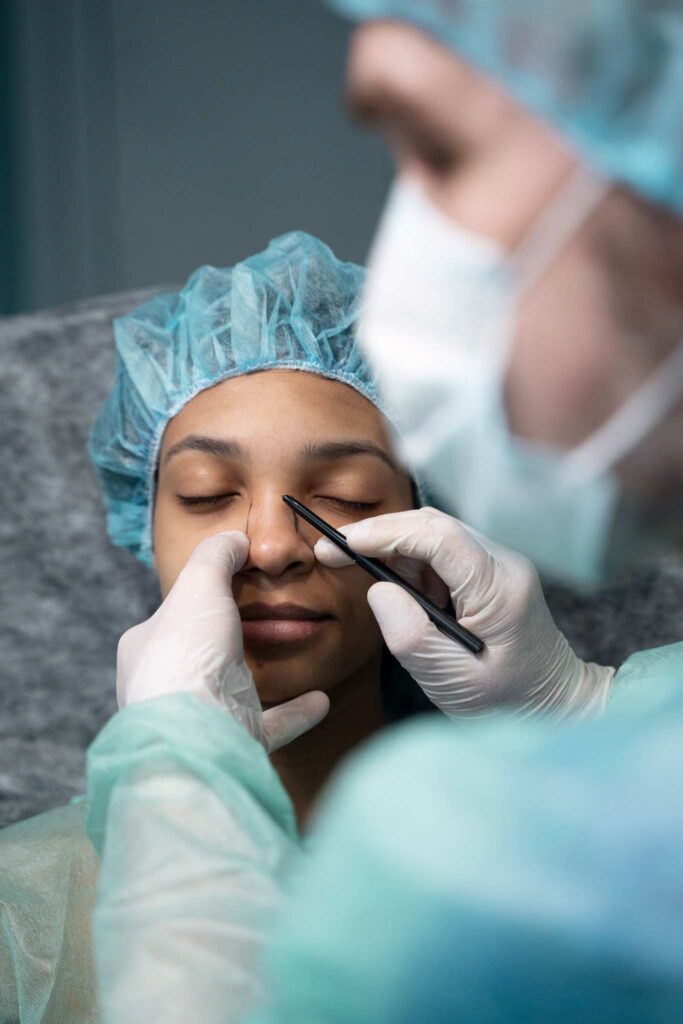
A rhinoplasty consultation is a detailed pre-surgical assessment carried out before nose reshaping surgery. It is designed to evaluate nasal structure, facial balance, breathing function, and patient expectations. This step ensures that rhinoplasty is appropriate and that the planned changes are achievable and safe.
The consultation is not a commitment to surgery. Instead, it is an opportunity for patients to gain clarity, ask questions, and understand whether rhinoplasty is the right option for them.
Purpose of a Rhinoplasty Consultation
The main purpose of a rhinoplasty consultation is to create a clear and individualized plan while minimizing risks and misunderstandings.
Key objectives include:
Understanding the patient’s aesthetic concerns and functional issues
Evaluating nasal anatomy and facial proportions
Identifying medical or structural limitations
Explaining possible surgical approaches
Setting realistic expectations for results and recovery
A thorough consultation helps ensure that both patient and treatment plan are aligned.
Initial Discussion and Patient Concerns
The consultation usually begins with an open discussion about what the patient hopes to change or improve. Patients may have concerns related to nose size, shape, symmetry, or breathing difficulty.
Common concerns discussed include:
Prominent nasal bridge
Bulbous or drooping nasal tip
Wide or uneven nostrils
Crooked or asymmetrical nose
Nasal blockage or breathing problems
Clear communication at this stage helps avoid unrealistic expectations and dissatisfaction later.
Facial Harmony and Proportion Assessment
Rhinoplasty is not just about changing the nose in isolation. During the consultation, the nose is evaluated in relation to the entire face.
This assessment considers:
Facial symmetry
Chin and jaw balance
Forehead and profile alignment
Overall facial proportions
The goal is to achieve harmony rather than an over-corrected or unnatural appearance.
External Nose Examination
A physical examination of the external nose is a critical part of the consultation.
This evaluation includes:
Nasal length, width, and projection
Shape of the nasal bridge
Tip definition and support
Nostril size and symmetry
Skin thickness and elasticity
Skin quality plays a major role in determining how refined the final result can be.
Internal Nasal Examination
Beyond appearance, nasal function is carefully assessed during the consultation.
The internal examination focuses on:
Septal alignment
Airway patency
Structural support of cartilage
Causes of breathing obstruction
Functional concerns are addressed alongside cosmetic goals to ensure long-term comfort and results.
Understanding Patient Expectations
One of the most important elements of a rhinoplasty consultation is expectation management. Patients may bring reference photos or have a specific outcome in mind.
During this stage, patients learn:
What changes are realistically achievable
Why exact replication of another person’s nose is not possible
How anatomy and skin affect results
The importance of subtle, balanced improvements
Realistic expectations are key to post-surgery satisfaction.
Medical History Review
A detailed medical history is reviewed to ensure safety.
This typically includes:
Previous nasal injuries or surgeries
Chronic sinus or allergy issues
Existing medical conditions
Medications and supplements
Lifestyle factors such as smoking
This information helps determine surgical suitability and recovery planning.
Types of Rhinoplasty Discussed During Consultation
Depending on individual needs, different rhinoplasty approaches may be explained.
Cosmetic Rhinoplasty
Focused on improving the appearance of the nose for better facial balance.
Functional Rhinoplasty
Aims to correct breathing problems caused by internal structural issues.
Revision Rhinoplasty
Addresses concerns or complications from previous nose surgery.
Each type has different complexity levels, expectations, and recovery timelines.
Surgical Planning and Technique Explanation
Based on the evaluation, the consultation includes an explanation of how rhinoplasty may be performed.
This may cover:
Open versus closed rhinoplasty approaches
Structural reshaping techniques
Tip refinement strategies
Cartilage support considerations
Patients gain a clear understanding of how changes are achieved and why certain methods are recommended.
Recovery and Healing Expectations
The consultation also prepares patients for the recovery process so there are no surprises later.
General recovery topics include:
Temporary swelling and bruising
Use of nasal splints or dressings
Gradual improvement in nose shape
Timeline for return to daily activities
Long-term settling of nasal tissues
Understanding recovery promotes patience and proper aftercare.
Risks and Limitations Explained
Every surgical procedure carries risks, and rhinoplasty is no exception. The consultation includes an honest discussion about possible limitations and complications.
Topics may include:
Prolonged swelling
Minor asymmetry during healing
Temporary numbness
Need for revision in rare cases
Transparency allows patients to make informed decisions.
Importance of Individualized Planning
No two noses are the same. A rhinoplasty consultation focuses on customization rather than standard solutions.
Personalized planning ensures:
Natural-looking results
Preservation of nasal function
Balanced facial appearance
Long-term satisfaction
This tailored approach is the cornerstone of successful rhinoplasty outcomes.
How Patients Can Prepare for a Rhinoplasty Consultation
Patients can make the most of their consultation by preparing in advance.
Helpful steps include:
Listing specific concerns
Thinking about functional issues such as breathing
Bringing reference images if useful
Being honest about expectations
Preparation leads to more productive discussions and clearer planning.
Why a Rhinoplasty Consultation Is Essential
A rhinoplasty consultation protects patients from rushed decisions and unrealistic expectations. It allows time for evaluation, education, and reflection before proceeding.
This step helps:
Reduce surgical risks
Improve outcome predictability
Enhance patient confidence
Build trust in the treatment process
Skipping this stage often leads to dissatisfaction.
Final Thoughts
A rhinoplasty consultation is a comprehensive and essential step in the nose reshaping journey. By carefully assessing facial structure, nasal function, and patient goals, the consultation ensures that rhinoplasty is approached safely and realistically. For individuals exploring this procedure in Kerala, taking time for a detailed consultation leads to better planning, smoother recovery, and more satisfying long-term results.
Table of Contents
Explains the importance of a rhinoplasty consultation and its role in planning safe and realistic nose surgery. Learn more
Explains the factors that influence the overall cost and what patients should understand before planning the procedure. Learn more
Covers possible risks, limitations, and safety considerations associated with the procedure. Learn more
Frequently Asked Questions
1. What is a rhinoplasty consultation?
A rhinoplasty consultation is an initial evaluation where the nose, facial structure, and breathing function are assessed to determine if nose reshaping surgery is suitable.
2. Why is a rhinoplasty consultation important?
It helps set realistic expectations, identify anatomical limitations, and create a safe, personalized treatment plan before surgery.
3. What happens during a rhinoplasty consultation?
The consultation includes discussion of concerns, examination of the nose, review of medical history, and explanation of possible treatment options.
4. How long does a rhinoplasty consultation take?
Most consultations last between 30 to 60 minutes, depending on the complexity of concerns and questions.
5. Will my breathing be checked during the consultation?
Yes, both cosmetic appearance and nasal breathing function are evaluated during the consultation.
6. Can I bring reference photos to my rhinoplasty consultation?
Yes, reference photos can help communicate preferences, but final recommendations depend on individual anatomy.
7. Does a rhinoplasty consultation guarantee surgery?
No, the consultation is informational and evaluative, allowing patients to decide whether to proceed.
8.What medical information should I share during the consultation?
You should disclose past surgeries, nasal injuries, medical conditions, medications, and lifestyle habits.
9. Will recovery and healing be discussed during the consultation?
Yes, expected recovery timelines, healing stages, and post-procedure care are explained.
10. How do I know if rhinoplasty is right for me after the consultation?
After understanding the evaluation, risks, benefits, and expected outcomes, patients can make an informed decision.