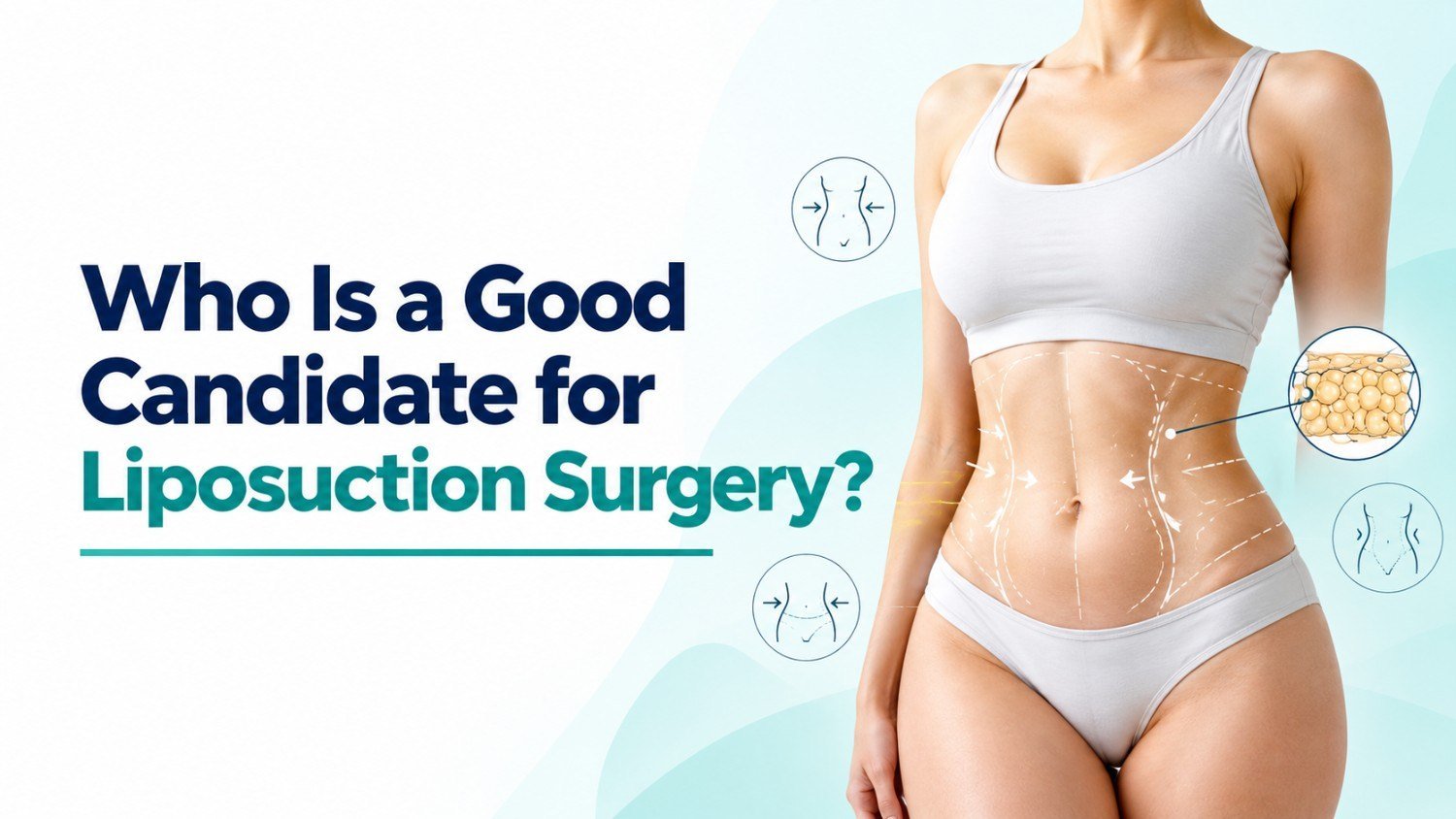
Who Is a Good Candidate for Liposuction Surgery? is an important question for people considering body contouring to address stubborn fat deposits. Liposuction is a cosmetic surgical procedure that removes excess fat from specific areas, such as the abdomen, hips, thighs, upper arms, back, and chin. It is generally intended for people who are close to their healthy body weight but have localized fat that remains despite maintaining a balanced diet and regular physical activity. Understanding the procedure, its benefits, limitations, and potential risks can help individuals make informed decisions before consulting a qualified plastic surgeon about their suitability for surgery.
A good candidate for liposuction surgery generally has stable body weight, reasonably good skin elasticity, good overall health, and realistic expectations about the results. Liposuction is not a weight-loss treatment or a solution for obesity, and it does not remove fat located deep inside the abdomen around internal organs. During a consultation, the plastic surgeon evaluates the patient’s medical history, fat distribution, skin condition, and personal goals. The surgeon also explains possible complications, recovery requirements, and alternative treatments. A detailed medical assessment is essential because individual suitability varies, and the final decision should be based on safety, health, and achievable outcomes.
1. Understanding the Purpose of Liposuction Surgery
Liposuction is a surgical procedure that removes excess fat beneath the skin using a thin instrument called a cannula. The surgeon makes small incisions and uses the instrument to remove selected fat deposits. The aim is to improve the shape and proportions of particular body areas. For example, a person may have stubborn fat around the waist even after maintaining a balanced diet and exercising regularly. Liposuction may help reduce these localized deposits when other factors, including skin quality and general health, make surgery appropriate.
It is important to understand that liposuction is not a replacement for healthy eating, physical activity, or medical weight-management treatment. It does not treat obesity or guarantee a particular body shape. It is also not an effective treatment for cellulite or significant loose skin. People considering the procedure should discuss their concerns with a qualified plastic surgeon. A medical assessment helps determine whether liposuction is appropriate or whether another treatment would better address the person’s goals.
2. People Who Maintain a Stable Body Weight
One important characteristic of a suitable candidate is a reasonably stable body weight. Liposuction is generally most useful for people who are near a healthy weight but have particular areas of fat that remain despite healthy lifestyle habits. For example, someone may maintain regular exercise and balanced eating habits but still have fat around the hips or abdomen. In such situations, liposuction may be considered for body contouring following an individual assessment.
People planning to lose a significant amount of weight may benefit from discussing weight management before considering surgery. Major weight changes after liposuction can alter the results because the remaining fat cells can enlarge when a person gains weight. There is no single ideal weight that determines eligibility for everyone. The surgeon considers body composition, health, weight stability, and the amount of fat being treated before recommending an appropriate plan.
3. Individuals With Stubborn Localized Fat Deposits
Another characteristic of a potential candidate is having specific areas of excess fat that do not respond as expected to diet and exercise. Common treatment areas include the abdomen, waist, thighs, hips, upper arms, back, and chin. Fat distribution can differ between individuals because of genetics, hormones, age, and other factors. Someone can be physically active and still have a particular area where fat accumulates more easily than in other parts of the body.
Liposuction allows the surgeon to target selected areas rather than reduce body fat throughout the entire body. However, the procedure does not remove every fat cell or prevent future weight gain. The surgeon must also determine whether the fullness is caused by fat beneath the skin or another issue that requires different treatment. An examination is important because not every body-shape concern can be corrected through liposuction alone.
4. People With Good Skin Elasticity
Skin elasticity refers to the skin’s ability to stretch and return towards its previous shape. It is an important factor when assessing who is a good candidate for liposuction surgery. After fat is removed, the skin needs to adapt to the body’s new contours. People with reasonably firm, elastic skin may achieve smoother results because their skin can adjust more effectively to the reduced volume beneath it.
People with substantial loose or hanging skin may not obtain the desired result from liposuction alone. Removing fat without addressing excess skin can sometimes make looseness more noticeable. This may occur after significant weight loss, pregnancy, or natural ageing. Depending on the person’s needs, a surgeon may discuss other procedures that remove excess skin. The appropriate option depends on the amount of loose skin, the treatment area, general health, and the individual’s expectations.
5. Adults Who Are in Good General Health
Good general health is an important consideration before elective cosmetic surgery. Liposuction involves surgical instruments, anaesthesia or other forms of anaesthetic care, and a recovery period. A person’s existing health conditions can influence surgical safety, wound healing, and the likelihood of complications. During a consultation, the surgeon reviews medical history, previous operations, allergies, medications, and any conditions that may affect the procedure.
Having a medical condition does not automatically mean someone cannot undergo liposuction. However, certain conditions may need additional evaluation or better control before surgery can be considered. The surgeon may request blood tests or other assessments based on the person’s history. Patients should provide accurate information about their health and should never hide a condition to obtain approval for cosmetic surgery. The final decision must be based on an individual medical assessment.
6. People Who Have Realistic Expectations
A suitable candidate understands what liposuction can and cannot achieve. The procedure can improve the contour of selected areas, but it cannot guarantee perfect symmetry, a particular clothing size, or a specific appearance. Every person’s anatomy, fat distribution, skin quality, and healing response are different. Before surgery, the surgeon should explain the likely benefits, limitations, possible scars, recovery requirements, and risks.
People should consider liposuction for their own reasons rather than because a family member, friend, partner, or social media influencer pressures them. It is also important to understand that cosmetic surgery cannot guarantee happiness, solve every personal difficulty, or create an ideal body. A thoughtful decision involves understanding the procedure and accepting that the outcome may differ from photographs or online examples. Clear, realistic goals can help people make more informed decisions about treatment.
7. Non-Smokers and People Who Can Follow Medical Advice
Smoking and nicotine use can interfere with circulation and healing. For this reason, people who do not smoke or use nicotine may be better positioned for recovery. If someone smokes, vapes, or uses other nicotine products, they should discuss this honestly with the surgeon. The medical team can explain whether stopping is necessary before and after surgery and how long the recommended period should be. Patients should follow the instructions given for their individual circumstances.
Following medical advice is equally important throughout recovery. Patients may need help with transportation after surgery, time away from work, prescribed medication, compression garments, follow-up appointments, and restrictions on strenuous activities. A person who can plan for these requirements may find recovery easier to manage. Before scheduling the procedure, it is sensible to arrange practical support at home and understand when normal daily activities can safely resume.
8. People Who Understand the Risks and Recovery Process
Liposuction is surgery, so it carries risks even when appropriate precautions are taken. Possible complications include bleeding, infection, fluid accumulation, changes in skin sensation, uneven contours, poor wound healing, and complications related to anaesthesia. Rare but serious complications can also occur. The type and level of risk depend on several factors, including the patient’s health, the treatment area, the amount of fat removed, and the surgical plan.
Recovery varies from person to person. Swelling, bruising, discomfort, and temporary numbness may occur after surgery. Some patients are advised to wear compression garments to help manage swelling and support healing. Final contours may take several months to become clear as swelling gradually settles. People should be prepared to follow the surgeon’s recovery instructions and attend scheduled reviews. Anyone considering liposuction should understand both the possible benefits and the potential complications before giving informed consent.
9. People Who Receive an Individual Medical Assessment
There is no single checklist that can confirm whether every person is suitable for liposuction. The surgeon needs to assess the person’s body, treatment goals, skin quality, health history, and the location of the fat deposits. The consultation may include a physical examination, a review of medications, and tests when medically indicated. The surgeon should also explain which areas could reasonably be treated and whether the expected improvement matches the person’s goals.
During the consultation, patients should ask about the surgeon’s qualifications, experience, surgical facility, anaesthesia arrangements, aftercare, and management of complications. They should also discuss the possibility that another procedure or no surgery at all may be more appropriate. A responsible recommendation is based on patient safety and achievable outcomes, not simply on a person’s desire to undergo treatment. The decision to proceed should be made after the patient has received clear information and had enough time to consider it.
10. People Who Are Ready to Maintain Their Results
Liposuction removes fat cells from the treated areas, but it does not prevent the remaining fat cells from growing. If a person gains a substantial amount of weight after surgery, their body shape may change and the improvement may become less noticeable. Maintaining a reasonably stable weight is therefore an important part of preserving the results. A balanced diet, regular physical activity, adequate sleep, and appropriate healthcare can support long-term wellbeing.
People should also understand that normal ageing and life changes can affect body shape over time. Liposuction does not stop these natural processes. The aim is to improve selected body contours while supporting a healthy lifestyle, not to remove the need for ongoing self-care. Before choosing surgery, it is helpful to consider whether the procedure fits into the person’s long-term health goals, daily routine, and expectations about their body.