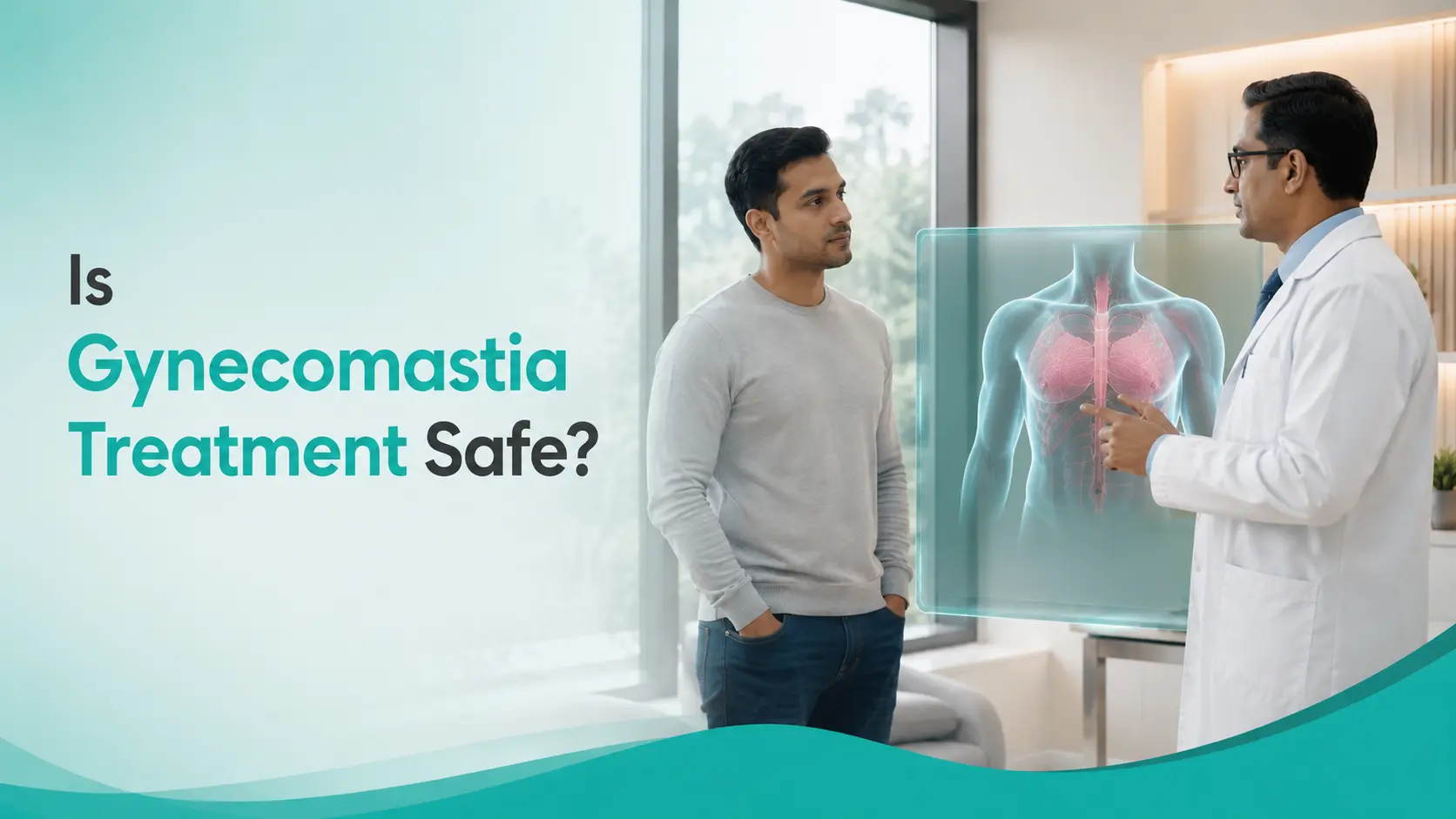
Is gynecomastia treatment safe is one of the most common questions asked by men considering treatment for enlarged male chest tissue. Many individuals experience chest enlargement caused by hormonal imbalance, excess gland tissue, weight changes, medications, or genetics. While the condition itself is common, concerns about treatment safety often prevent people from seeking proper medical consultation. Understanding whether gynecomastia treatment is safe helps patients make informed decisions about surgery, recovery, and long-term expectations. Modern gynecomastia treatment approaches are designed to improve chest contour while prioritizing patient safety, ethical medical care, and structured recovery planning. In Thrissur, many patients researching male chest correction procedures first want clear information about safety, complications, healing, and suitable treatment options. This guide explains everything related to is gynecomastia treatment safe, including treatment methods, candidate suitability, risks, benefits, recovery, safety protocols, and long-term expectations. Understanding Gynecomastia Before discussing is gynecomastia treatment safe, it is important to understand the condition itself. Gynecomastia refers to enlargement of male breast tissue caused by hormonal changes or excess gland growth. Some men develop mild chest fullness, while others experience more visible enlargement that affects confidence and physical comfort. Gynecomastia may affect: Teenagers during puberty Adults with hormonal imbalance Men after weight changes Individuals using certain medications Patients with genetic predisposition The condition may involve: Excess gland tissue Excess chest fat Loose skin Combination of all three Knowing the cause helps determine the safest treatment approach. Is Gynecomastia Treatment Safe for Most Patients Is gynecomastia treatment safe for most patients depends on several important factors, including overall health, surgical planning, hospital standards, and post-operative care. In properly selected candidates, gynecomastia treatment is generally considered safe when performed by qualified plastic surgeons in accredited medical facilities. Modern safety protocols focus on: Proper patient evaluation Careful surgical planning Sterile operation environments Advanced monitoring systems Structured recovery care Follow-up support Patients who follow medical instructions carefully often experience smoother recovery and better healing outcomes. Common Gynecomastia Treatment Methods Understanding available procedures helps answer the question is gynecomastia treatment safe. Liposuction Liposuction removes excess chest fat through small incisions. This technique may be suitable for patients with fatty chest enlargement. Gland Tissue Removal Some individuals have firm gland tissue beneath the nipple area. Surgical excision helps remove glandular enlargement more effectively. Combined Treatment Many patients benefit from a combination of liposuction and gland removal for balanced chest contour improvement. Skin Tightening Procedures Patients with loose skin after major weight loss may require additional contour correction. Each treatment method is planned based on the patient’s chest condition and overall goals. Factors That Improve Gynecomastia Treatment Safety Several important factors influence whether gynecomastia treatment is safe. Qualified Plastic Surgeon Choosing a trained and experienced plastic surgeon is one of the most important safety considerations. Accredited Medical Facility Hospital safety standards, sterile environments, and proper surgical equipment support safer procedures. Detailed Consultation A complete medical evaluation helps identify health conditions or medications that may affect surgery. Proper Recovery Care Following post-operative instructions helps reduce complications and supports healing. Stable Overall Health Healthy individuals with realistic expectations often experience safer recovery. Who Is a Suitable Candidate for Safe Treatment Is gynecomastia treatment safe often depends on selecting suitable candidates. Good candidates may include: Healthy adults Men with stable weight Individuals with persistent chest enlargement Patients with realistic expectations Non-smokers or those willing to stop smoking Individuals without uncontrolled medical conditions A consultation helps determine whether treatment is appropriate based on individual health status. Common Safety Concerns About Gynecomastia Treatment Many patients researching is gynecomastia treatment safe worry about risks, scars, pain, and complications. Fear of Pain Most patients experience temporary soreness and tightness rather than severe pain. Concerns About Scars Small scars may occur, but incision placement is usually planned carefully to reduce visibility. Fear of Complications While all surgeries carry some risk, proper planning and recovery care help reduce complication rates. Recovery Anxiety Understanding recovery expectations often helps patients feel more prepared and comfortable. Possible Risks and Complications Although gynecomastia treatment is generally considered safe, all surgical procedures involve some risks. Possible complications may include: Swelling Bruising Temporary numbness Fluid accumulation Minor asymmetry Delayed healing Infection Scar visibility Most complications are uncommon and may be reduced through proper surgical planning and post-operative care. How Doctors Improve Surgical Safety When discussing is gynecomastia treatment safe, it is important to understand modern safety protocols used during treatment. Pre-Surgical Assessment Doctors evaluate: Medical history Medications Allergies Weight stability Hormonal conditions Surgical Monitoring Advanced monitoring systems help maintain patient safety during surgery. Sterile Environment Accredited operation theatres follow strict infection-control protocols. Recovery Observation Patients receive post-operative monitoring and recovery guidance after surgery. Recovery After Gynecomastia Treatment Recovery is an important part of answering the question is gynecomastia treatment safe. Early Recovery Stage Patients may experience: Swelling Mild discomfort Tightness Temporary bruising Compression Garments Compression garments help: Reduce swelling Support chest contour Improve comfort Support healing Activity Restrictions Heavy lifting and strenuous exercise are usually avoided during early recovery. Follow-Up Visits Regular checkups help monitor healing progress. How Long Does Recovery Take Recovery time varies based on: Surgical technique Tissue removal amount Overall health Lifestyle habits Healing response Many patients gradually return to daily activities within a few weeks, while complete healing continues over several months. Emotional Benefits of Gynecomastia Treatment Is gynecomastia treatment safe is not only about physical safety. Emotional well-being is also important. Many patients experience: Better self-confidence Improved body image Greater clothing comfort Reduced social anxiety Increased comfort during exercise Confidence improvement is often one of the most significant long-term benefits. Lifestyle Habits That Support Safer Recovery Healthy habits can support safer healing and better long-term outcomes. Maintain Stable Weight Weight fluctuations may affect chest contour results. Avoid Smoking Smoking may delay healing and increase surgical risks. Stay Hydrated Hydration supports circulation and tissue recovery. Follow Medical Instructions Proper recovery care helps improve healing outcomes. Attend Follow-Up Appointments Regular monitoring supports safe recovery after treatment. Is Gynecomastia Treatment Safe for Teenagers Teenagers may develop temporary gynecomastia during puberty