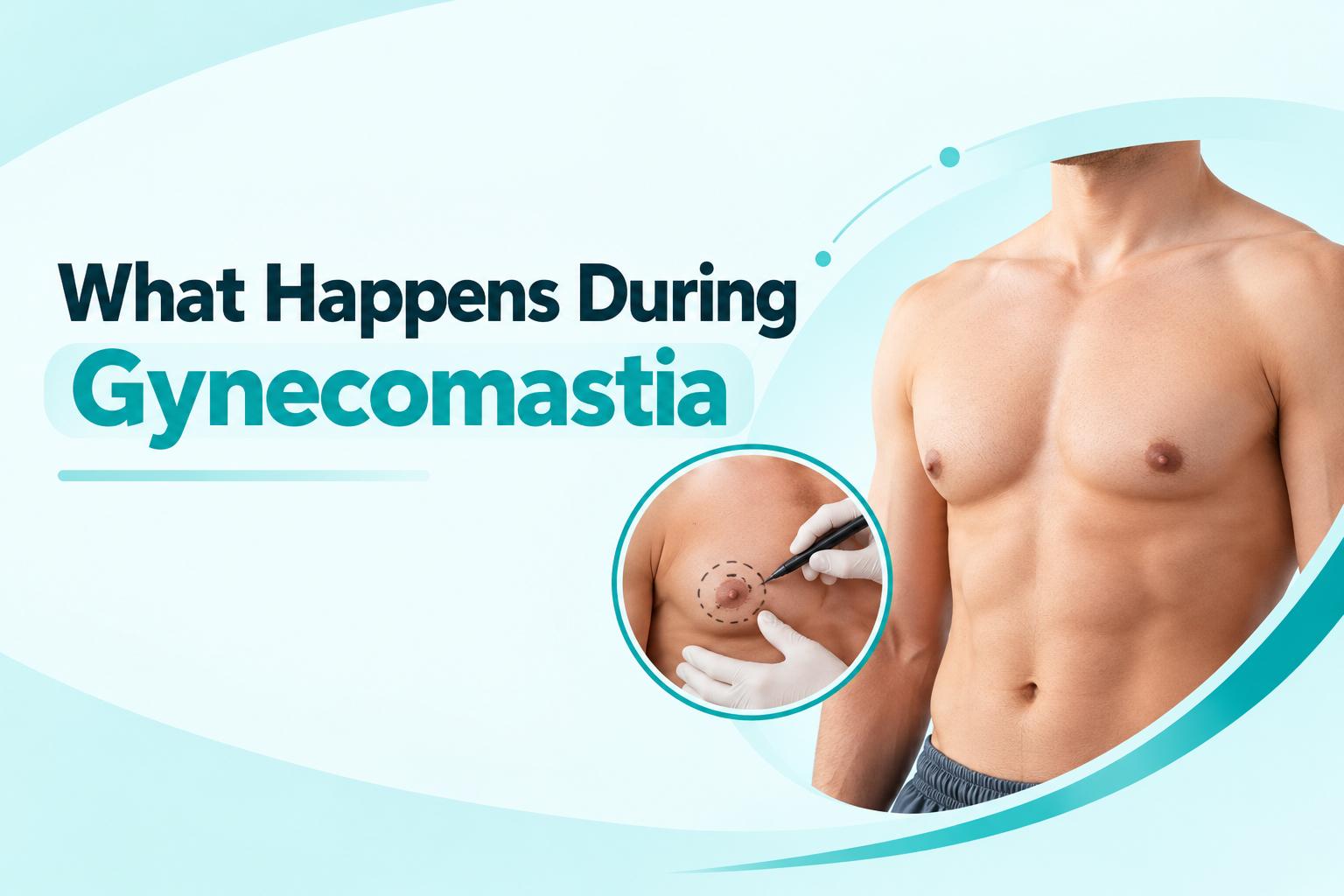
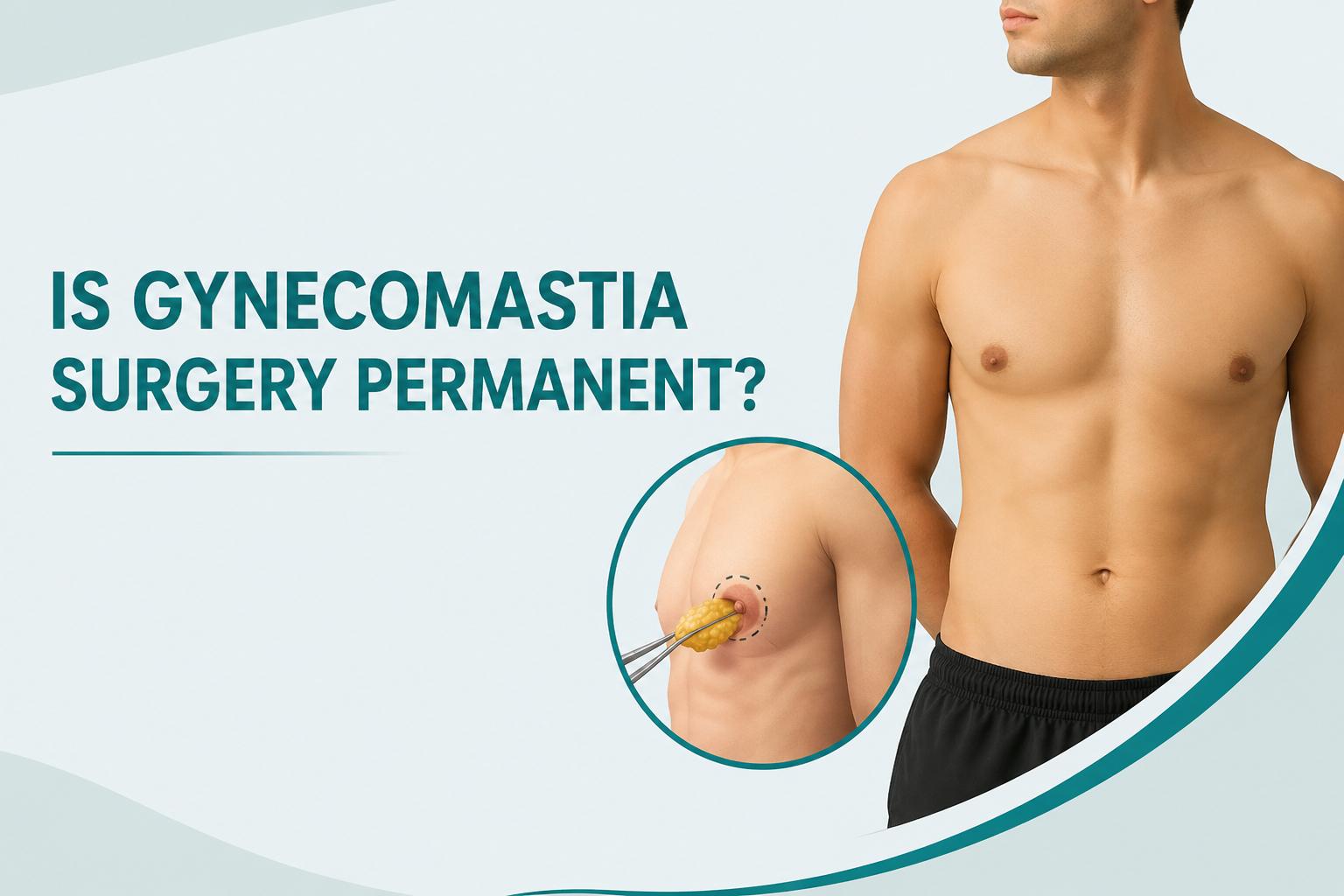
Gynecomastia Surgery Recovery is the healing period after an operation to remove excess glandular breast tissue, fat, or both from the male chest. During this time, the body gradually heals, swelling decreases, and the chest begins to develop its new shape. Recovery involves following medical instructions, wearing a compression garment when advised, caring for the surgical area, and returning to normal activities gradually.
For patients and their families, knowing what to expect after surgery can make the recovery period less stressful. Some people return to desk-based work within a few days, while others need longer depending on the procedure and their job. Swelling, bruising, tightness, and temporary changes in sensation may occur during healing. Understanding these changes helps patients recognize common recovery experiences and know when to contact their surgeon.
1.First 24–48 Hours After Gynecomastia Surgery
The first 24–48 hours are an important part of gynecomastia surgery recovery. After the operation, the chest may feel sore, tight, swollen, or tender. Some bruising may also appear around the treated area. These changes are common after surgery because the body needs time to repair the tissues. The surgical team may apply dressings and recommend a compression garment to support the chest. Patients should arrange for someone to help them get home and follow the instructions given before discharge. Rest is important, but gentle movement as advised by the medical team can help support circulation.
During the first few days, avoid unnecessary physical effort, heavy lifting, and movements that strain the chest. Take prescribed medicines exactly as directed and do not add new medicines without checking with your healthcare professional. Keep the surgical area protected according to your surgeon’s instructions, and do not remove dressings unless you have been told to do so. Mild discomfort is expected, but severe or increasing pain should not be ignored. If you experience shortness of breath, chest pain, or an unusual heartbeat, seek emergency medical attention.
2. Managing Swelling, Bruising, and Chest Tightness
Swelling and bruising are common after gynecomastia surgery. The chest may look uneven or fuller than expected during the first few days and weeks. This does not necessarily mean the operation has failed. The tissues need time to settle, and the body gradually absorbs excess fluid and resolves bruising. Swelling may be more noticeable during the early recovery period before it begins to improve. Each patient heals differently, so comparing your progress with another person’s photographs may create unnecessary worry.
Follow your surgeon’s instructions for managing swelling. A compression garment may be recommended to support the tissues and help control swelling while the chest heals. Wear it for the prescribed duration and make sure it fits as instructed. It should not cause severe pain, numbness, or difficulty breathing. Do not apply ice, creams, or home remedies directly to the operated area unless your surgeon approves them. Contact your surgical team if swelling suddenly increases, one side becomes significantly more swollen, or pain becomes worse rather than gradually improving.
3. Wearing a Compression Garment Correctly
A compression garment is a supportive vest worn around the chest after many gynecomastia procedures. It applies gentle, even pressure to the treated area and may help manage swelling while the skin and underlying tissues heal. Your surgeon may recommend wearing it for several weeks, depending on the surgical technique and your recovery. The exact duration varies, so patients should follow their individual care plan rather than relying on a general timeline found online.
Wear the garment as instructed by your surgical team, including guidance about whether it may be removed for bathing or dressing changes. Keep it clean and dry according to the recommended care instructions. It should feel supportive, not painfully tight. If the garment rubs against an incision, causes skin irritation, or makes breathing uncomfortable, contact your healthcare professional for advice. Do not change to a different type of compression garment without checking whether it is suitable. Consistent, correct use can support healing, but it cannot guarantee a particular cosmetic result.
4. Caring for Surgical Wounds and Incisions
Wound care is an important part of gynecomastia surgery recovery because the skin needs time to close and heal properly. Depending on the procedure, incisions may be small and placed near the edge of the areola or in other suitable locations. Your surgeon will explain how to care for the dressings, whether the wound needs cleaning, and when you can safely shower. Some patients have dissolvable stitches, while others may need a different follow-up plan. Never assume that every patient should follow the same wound-care routine.
Keep the surgical area clean and follow your doctor’s instructions about bathing, ointments, and dressing changes. Avoid applying unapproved creams, powders, oils, or antiseptics to the incision. Watch for increasing redness, warmth, discharge, wound opening, or worsening pain, and contact your surgical team if these occur. A small amount of early bruising can be expected, but significant bleeding or rapidly increasing swelling needs prompt medical attention. Attend scheduled follow-up visits so your surgeon can check the healing process and advise when normal skin care can resume.
5. Returning to Walking, Daily Activities, and Work
Gentle movement and a gradual return to everyday activities are important during recovery. Depending on your surgeon’s instructions, short walks may be encouraged soon after surgery. Walking around the home helps maintain mobility without placing the same strain on the chest as heavy exercise. However, patients should avoid rushing back into their usual routine. Bending, pushing, pulling, and lifting heavy objects can place pressure on healing tissues and may increase swelling or the risk of bleeding.
The time needed before returning to work depends on the type of job and how extensive the operation was. Some people with desk-based jobs may return within several days, while those whose work involves physical effort may need a longer break. Do not drive while taking prescription medicines that affect alertness, and resume driving only when you can move comfortably and safely and have been cleared as appropriate. Ask your surgeon for a personal return-to-work plan rather than following another patient’s schedule.
6. Knowing When to Resume Exercise and Gym Workouts
Patients often want to know when they can return to the gym after gynecomastia surgery. The answer depends on the extent of the procedure, how the wounds are healing, and the surgeon’s instructions. Walking may be allowed early, but strenuous activity, running, heavy lifting, push-ups, and chest workouts usually need to be avoided for an initial period. These activities can increase pressure on healing tissues and may worsen swelling or contribute to complications if resumed too soon.
Do not restart exercise simply because the pain has reduced. The outside of the chest may feel better before the deeper tissues have fully healed. Your surgeon can tell you when to begin light activity and when to gradually reintroduce resistance training and sports. Contact sports and activities that risk a direct blow to the chest may require additional restrictions. If an activity causes pain, pulling, or increased swelling, stop and ask your surgical team for advice. A gradual, medically guided return is safer than trying to recover as quickly as possible.
7. Eating Well, Staying Hydrated, and Supporting Healing
A balanced diet supports the body’s normal healing processes after gynecomastia surgery. Meals containing protein, vegetables, fruit, whole grains, and other nutritious foods help provide the nutrients needed for tissue repair. Protein-rich foods such as eggs, lentils, beans, dairy products, fish, and lean meat can be part of a balanced diet, depending on your preferences and medical needs. Drinking enough fluids is also important unless your doctor has advised you to restrict them for another health reason.
There is no single food that guarantees faster healing or prevents every complication. Instead, aim for regular, balanced meals and follow any dietary advice provided by your healthcare team. Avoid smoking and discuss alcohol use with your surgeon, because both may affect recovery or interact with medicines. Do not take supplements marketed for rapid healing without checking whether they are safe for you. If you have diabetes, kidney disease, food restrictions, or other medical conditions, ask your healthcare professional how to manage your diet during recovery.
8. Managing Pain, Medicines, and Changes in Sensation
Some discomfort is expected after gynecomastia surgery, particularly during the first few days. Patients may notice soreness, tightness, tenderness, or temporary changes in feeling around the nipple and chest. These symptoms usually improve gradually, but the timeline differs between individuals. Your surgeon may prescribe pain relief or other medicines based on your procedure and medical history. Follow the instructions carefully, including the dose and timing, and ask before taking additional medicines that may affect bleeding or interact with your prescriptions.
Temporary numbness, tingling, or altered nipple sensation can occur because the tissues have been operated on. Sensation may improve over time, although the recovery period varies. Tell your surgeon if the symptoms are severe, worsen, or concern you. Do not stop prescribed antibiotics or other medicines early unless your healthcare professional tells you to do so. If pain suddenly becomes severe, or if you develop a fever, increasing redness, or unusual wound discharge, contact your surgical team promptly. Clear communication helps your healthcare team identify problems and guide your recovery safely.
9. Understanding Scars and the Gradual Change in Chest Shape
After surgery, the chest may not look exactly as expected straight away. Swelling, bruising, temporary firmness, and unevenness can affect the appearance during the early weeks. As healing progresses, the tissues settle and the chest contour becomes easier to assess. Scars may initially look pink or more noticeable before gradually changing in appearance. The location and visibility of scars depend on the surgical technique, skin characteristics, and individual healing. It is important to give the body time rather than judging the final outcome during the first few days.
Follow your surgeon’s advice about scar care and sun protection. Do not apply scar treatments until the incision has healed and your healthcare professional confirms that they are suitable. Avoid direct sun exposure on healing scars and use the recommended protection. Many patients see continued improvement over several months, and the final appearance may take around three to six months or longer to assess, depending on the procedure and healing. Surgery can improve chest contour, but no surgeon can guarantee perfect symmetry or invisible scars.
10. Attending Follow-Up Visits and Recognizing Warning Signs
Follow-up appointments are an important part of gynecomastia surgery recovery. During these visits, your surgeon can check the incisions, assess swelling, review your comfort, and advise when it is safe to return to different activities. You may also receive instructions about compression garments, medicines, wound care, and scar management. Attend appointments as scheduled, even if you feel well. If you live far from the clinic, ask the surgical team how follow-up should be arranged and which symptoms require an in-person assessment.
Know the warning signs that need medical attention. Contact your surgical team if you develop increasing redness, fever, unusual discharge, wound opening, worsening pain, or rapidly increasing swelling. Significant bleeding should be assessed promptly. Seek emergency medical attention for shortness of breath, chest pain, or an unusual heartbeat. These symptoms should not be treated as ordinary recovery discomfort. When in doubt, contact your healthcare team rather than trying to manage a possible complication on your ownhttps://www.plasticsurgery.org/cosmetic-procedures/gynecomastia-surgery/recovery