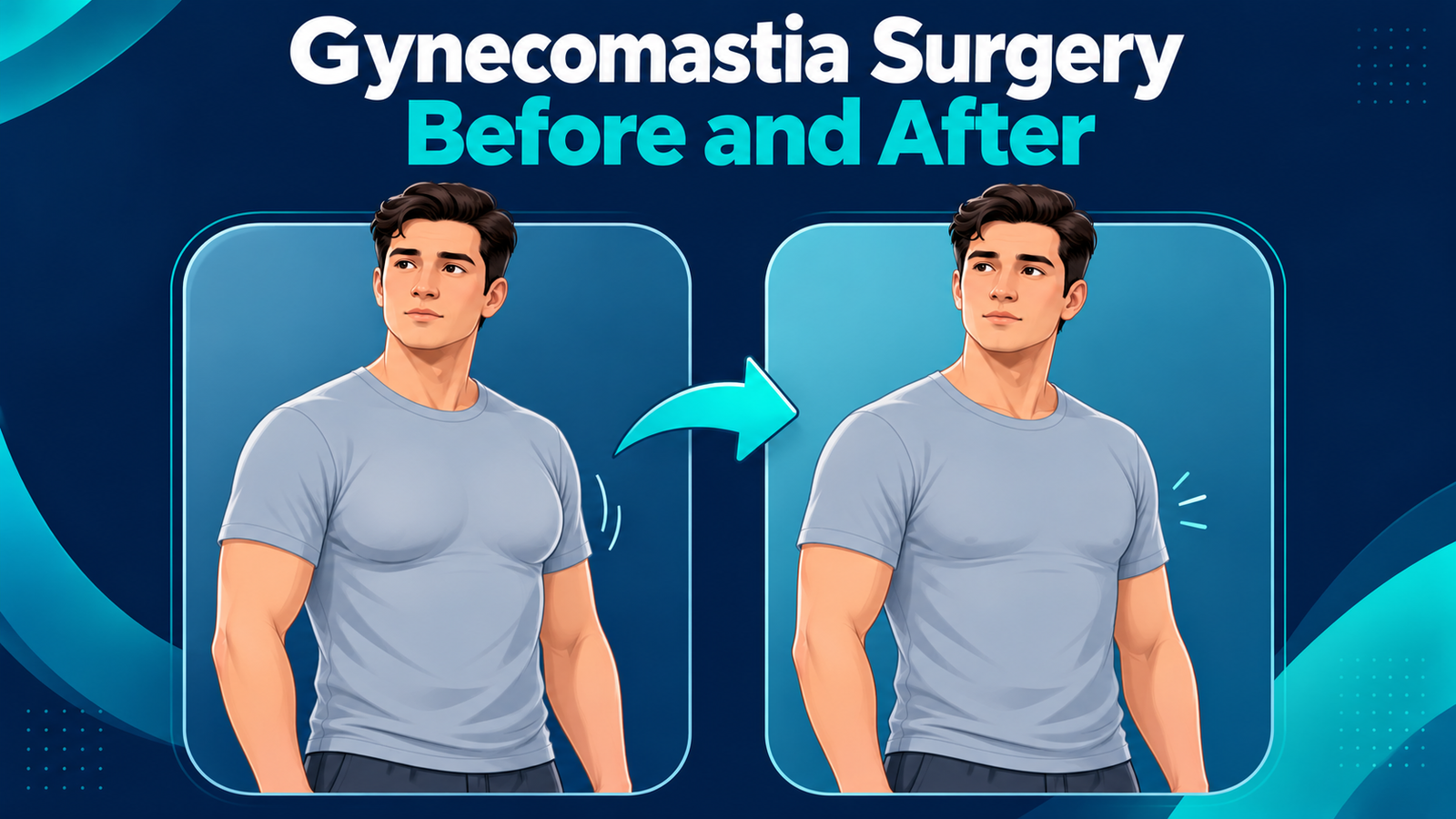
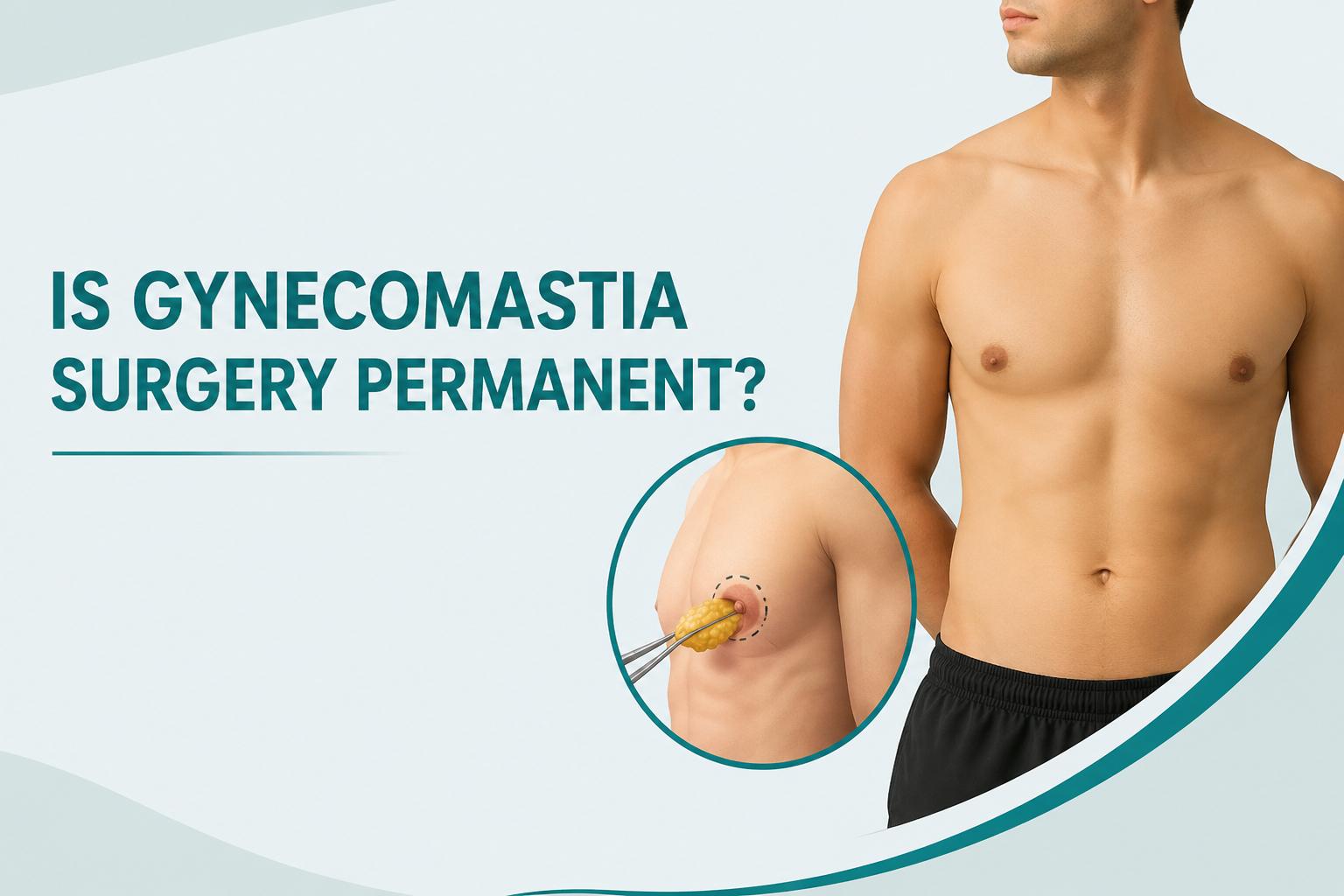
Gynecomastia Surgery Before and After refers to the changes in the male chest that can occur following surgery to reduce enlarged breast gland tissue, excess fat, or both. The procedure, also called male breast reduction, aims to create a flatter and more balanced chest contour. Understanding what happens before surgery, what changes may appear afterward, and how recovery affects the results can help patients and their families develop realistic expectations.
Men considering this procedure often want to know how much their chest shape may change, whether scars will be visible, and how long it takes to see the final result. Although improvement may be noticeable soon after surgery, swelling can temporarily affect the appearance. Each person heals differently, and the outcome depends on factors such as the amount of glandular tissue, fat, and excess skin, as well as the surgical technique. Before-and-after photographs can be helpful for understanding possible results, but they cannot guarantee that another person will achieve the same outcome.
1. Understanding the Before-and-After Difference
Before gynecomastia surgery, a man may have enlarged glandular tissue, excess chest fat, or a combination of both. This can make the chest appear rounded, puffy around the nipples, or more prominent than the person would like. The degree of enlargement varies from mild fullness to more pronounced breast development. Some people also have loose skin, particularly after significant weight loss. A surgeon examines these features before recommending a procedure because the treatment needs to address the actual cause of the chest enlargement.
After surgery, the aim is to reduce excess tissue and create a more balanced chest contour. The surgeon may remove glandular tissue, use liposuction to remove fat, or combine techniques when both contribute to the enlargement. The result depends on the patient’s anatomy, skin elasticity, and healing. The chest may look swollen or uneven at first, so the immediate postoperative appearance is not the final result.
2. Preparing for Surgery Before the Procedure
Preparation begins with a consultation and a discussion of the patient’s concerns and goals. The surgeon reviews medical history, existing health conditions, medicines, supplements, allergies, smoking, alcohol use, and previous operations. A physical examination helps assess the amount of glandular tissue, fat, skin quality, and the position of the nipples. Depending on the findings, the surgeon may recommend blood tests or other investigations to evaluate the cause of breast enlargement. This assessment helps determine whether surgery is appropriate and which technique may be suitable.
Before the procedure, follow the instructions provided by the surgical team about medicines, eating and drinking, smoking, and arranging transport. Do not stop prescribed medication unless your healthcare professional instructs you to do so. Arrange for someone to help you get home and assist you during the initial recovery if needed. Ask about the expected scars, possible complications, recovery period, and follow-up appointments. Understanding these details before surgery makes it easier to prepare for the changes that occur afterward and to plan time away from work or physical activities.
3. How the Chest May Look Immediately After Surgery
The chest may appear flatter soon after gynecomastia surgery, but the area will usually be swollen and may have bruising. Dressings or a compression garment may cover the treated area, making it difficult to judge the shape accurately. Some patients also have temporary drains, depending on the surgical technique. The chest may feel tight or tender, and the nipples may look different during the early stages of healing. These changes are part of the postoperative period and should be interpreted according to the surgeon’s instructions.
It is important not to judge the final result based on the first few days. Swelling can make the chest appear fuller than expected, and the two sides may settle at different rates. Patients should avoid pressing, massaging, or repeatedly checking the operated area unless the surgeon has advised a specific care routine. If swelling suddenly increases, one side becomes significantly larger, or pain becomes severe, contact the surgical team. Chest pain or shortness of breath requires emergency medical attention rather than waiting for a routine appointment.
4. Understanding Changes in Chest Shape Over Time
As healing progresses, swelling gradually decreases and the tissues begin to settle into their new shape. The chest contour becomes easier to assess, although small differences between the two sides may remain. The speed of improvement depends on the amount of tissue removed, whether skin was also removed, the patient’s general health, and the body’s healing response. Some people notice a clear change early, while others need more time before the result becomes apparent. The surgeon can explain what changes are expected at different stages of recovery.
The final appearance should be assessed after sufficient healing rather than immediately after surgery. The American Society of Plastic Surgeons explains that final gynecomastia surgery results commonly develop over three to six months, although some changes can continue longer. A flatter chest is the goal, but perfect symmetry cannot be guaranteed. Skin elasticity, existing chest-muscle shape, and natural differences between the two sides influence the result.
5. What Before-and-After Photographs Can Tell You
Before-and-after photographs can help patients understand the types of changes that may be possible after gynecomastia surgery. They may show differences in chest fullness, nipple contour, skin appearance, and overall chest balance. Looking at photographs of people with a similar degree of enlargement may help patients prepare questions for a consultation. However, the photographs should be genuine patient results shared with appropriate permission, and they should be presented in a way that respects privacy and dignity.
Photographs do not show the full recovery experience, and they cannot predict exactly how another person will look after surgery. Lighting, posture, camera angle, weight, and the time elapsed after the procedure can all affect how images appear. Ask the surgeon whether the photographs represent comparable cases and how long after surgery they were taken. It is also useful to ask about scars, possible complications, and the limitations of the procedure. A careful discussion is more informative than choosing a surgeon based on a single dramatic image.
6. Scars and Nipple Appearance After Surgery
Gynecomastia surgery requires incisions, so scars are an expected part of the process. Depending on the technique and the amount of tissue that needs to be removed, incisions may be placed around part of the areola or in other locations on the chest. When excess skin must be removed, larger incisions may be necessary. Surgeons generally plan incision placement to make scars as inconspicuous as possible, but their visibility depends on the procedure and individual healing. Scars are permanent, although they often become less noticeable over time.
Nipple appearance may also change after surgery because removing tissue changes the surrounding contour. Some patients experience temporary changes in nipple sensation, while others may have longer-lasting changes. The surgeon should explain the possible effects on skin, nipple position, and sensation before treatment. Follow instructions for incision care and scar management, and do not apply unapproved products to healing wounds. If a scar becomes unusually raised, painful, or irritated, ask the healthcare professional whether additional care is appropriate.
7. Recovery and Its Effect on the Final Result
Recovery is an important part of achieving the intended result. Patients may need to wear a compression garment, care for dressings, take prescribed medicines, and limit physical activities during the early healing period. The exact instructions depend on the surgical technique and the surgeon’s assessment. Swelling and bruising may temporarily hide the chest contour, so patience is important. Following the recovery plan helps protect the healing tissues and allows the surgeon to monitor progress.
Returning to work, exercise, and normal activities too quickly may increase discomfort or place stress on the operated area. Walking may be encouraged early, while heavy lifting, chest workouts, and contact sports may need to wait. Attend follow-up visits and report any unexpected changes. If you develop fever, increasing redness, unusual discharge, worsening pain, or rapidly increasing swelling, contact your surgical team. Seek emergency medical care for chest pain or shortness of breath. The best recovery plan is the one tailored to your operation and health.
8. Maintaining Results Through Healthy Habits
Gynecomastia surgery can produce lasting improvement, particularly when the enlarged glandular tissue is removed and the contributing causes are addressed. However, changes in body weight, certain medicines, anabolic steroid use, and hormonal factors may affect the chest after surgery. Excessive weight gain can increase fat around the chest, even when the removed glandular tissue does not return. Patients should discuss any contributing factors with their healthcare professional before surgery and follow appropriate advice afterward.
A balanced diet, regular physical activity after medical clearance, and maintaining a stable weight can support general health and help preserve the chest contour. Avoid using non-prescribed hormones or anabolic steroids, and discuss medication concerns with your doctor rather than stopping prescriptions independently. Healthy habits cannot guarantee a particular cosmetic result, but they can help reduce avoidable factors that may affect long-term appearance. If chest fullness returns or changes significantly, seek medical advice to determine whether the cause is fat accumulation, glandular tissue, or another condition.
9. Understanding Risks and Realistic Expectations
Gynecomastia surgery can improve chest contour, but no operation can guarantee a perfect result. Possible complications include bleeding, infection, fluid collection, scarring, uneven contours, changes in nipple sensation, poor wound healing, and the possibility of further surgery. The likelihood and type of complications depend on the procedure and the patient’s health. Before-and-after photographs may show successful outcomes, but they do not represent every possible result. Patients should understand both the benefits and limitations before deciding to proceed.
A useful consultation includes a discussion of the outcome you hope to achieve and what is realistically possible for your anatomy. Ask whether liposuction, glandular tissue removal, skin removal, or a combination may be appropriate. Discuss scar placement, recovery restrictions, risks, and what happens if the result is not as expected. The goal is to make an informed decision rather than pursue an unrealistic image. A qualified plastic surgeon should explain the procedure clearly and give you enough time to consider the options.
10. Choosing a Qualified Surgeon and Planning Follow-Up
Choosing a qualified plastic surgeon is an important part of the before-and-after process. Look for appropriate specialist training, experience with gynecomastia procedures, and a willingness to explain the benefits and risks clearly. Ask about the surgical facility, anaesthesia, follow-up arrangements, and how complications would be managed. You should also be able to view genuine before-and-after photographs when available and discuss whether those cases are comparable to your own. The consultation should focus on your health and goals, not on pressure to undergo surgery.
Follow-up appointments help the surgeon monitor wound healing, swelling, scars, and the developing chest contour. The surgeon may adjust activity instructions as healing progresses and advise when it is appropriate to resume exercise or begin scar care. If you have concerns about unevenness or the speed of recovery, ask during follow-up rather than assuming the result is final. For more information about the procedure, review the gynecomastia surgery guide and discuss your individual case with a qualified plastic surgeon.