10 Essential Breast Implant FAQs Patients Should Know
Breast augmentation is a personal decision that often comes with many questions about safety, implant types, recovery, appearance, and long-term care. These Breast Implant FAQs provide clear and practical information for people considering the procedure in Kerala or preparing for a consultation with a qualified plastic surgeon.
Every patient has different body proportions, expectations, health conditions, and lifestyle needs. Therefore, breast implant surgery should never follow a one-size-fits-all approach. Learning the facts before surgery can help you communicate clearly with your surgeon, set realistic expectations, and participate confidently in treatment planning.
What Is Breast Implant Surgery?
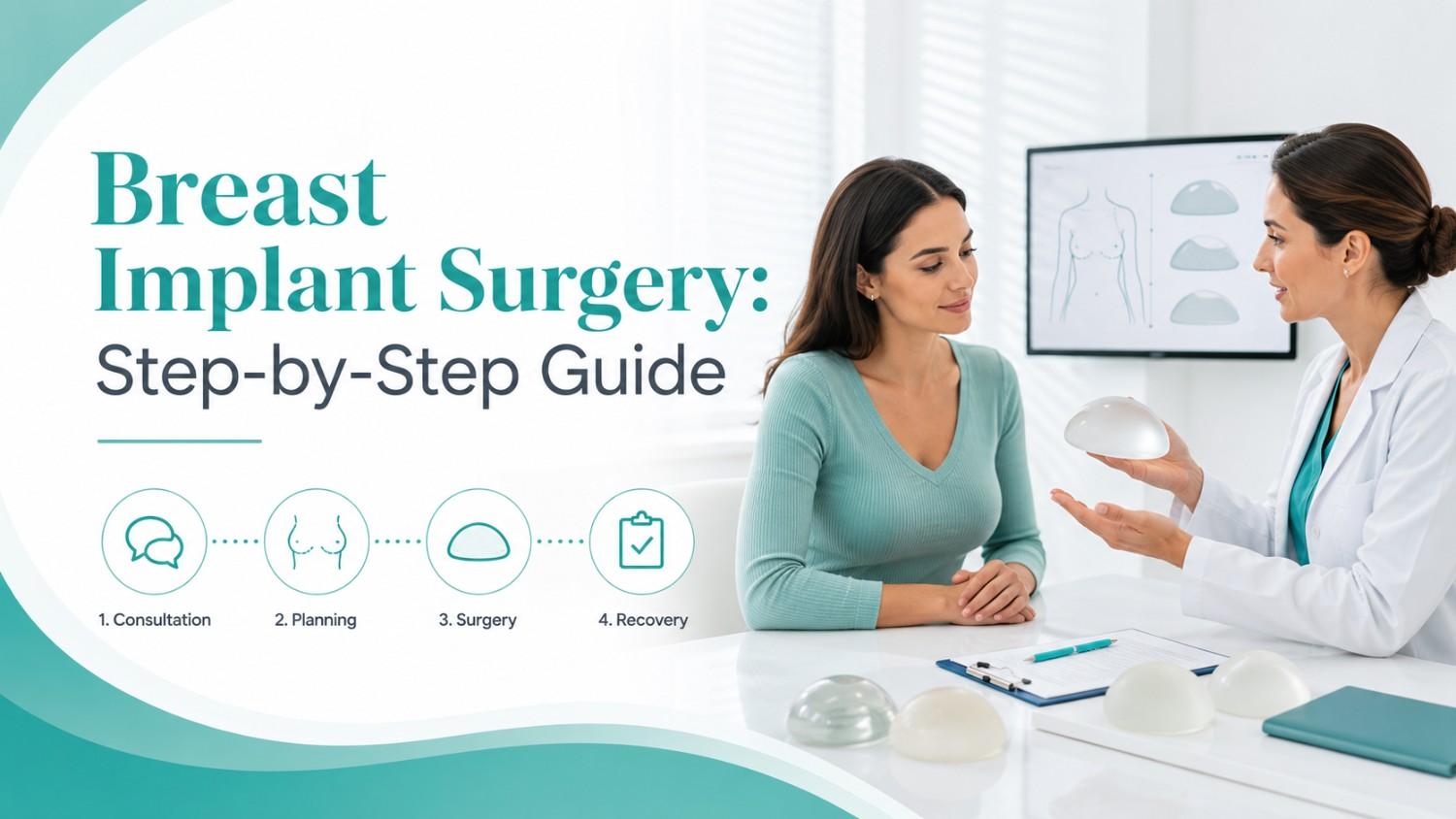
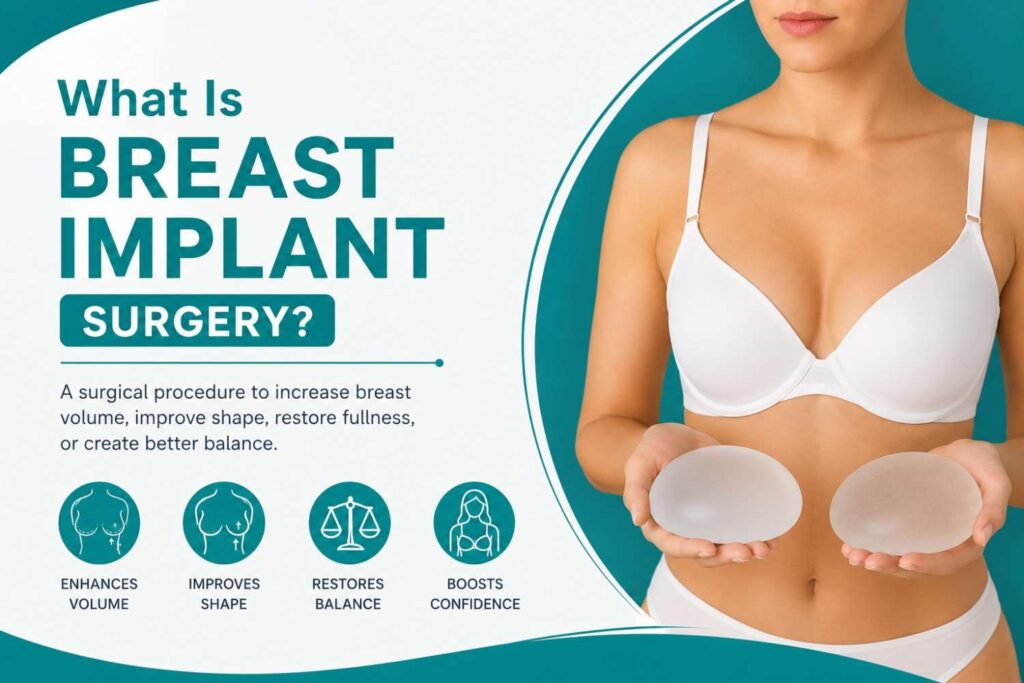
Breast implant surgery, also known as breast augmentation, is a surgical procedure used to increase breast volume, improve breast shape, restore fullness, or create better balance between the breasts.
During the procedure, a breast implant is carefully placed either behind the breast tissue or beneath the chest muscle. The position, implant size, incision location, and surgical technique are selected according to the patient’s anatomy and desired outcome.
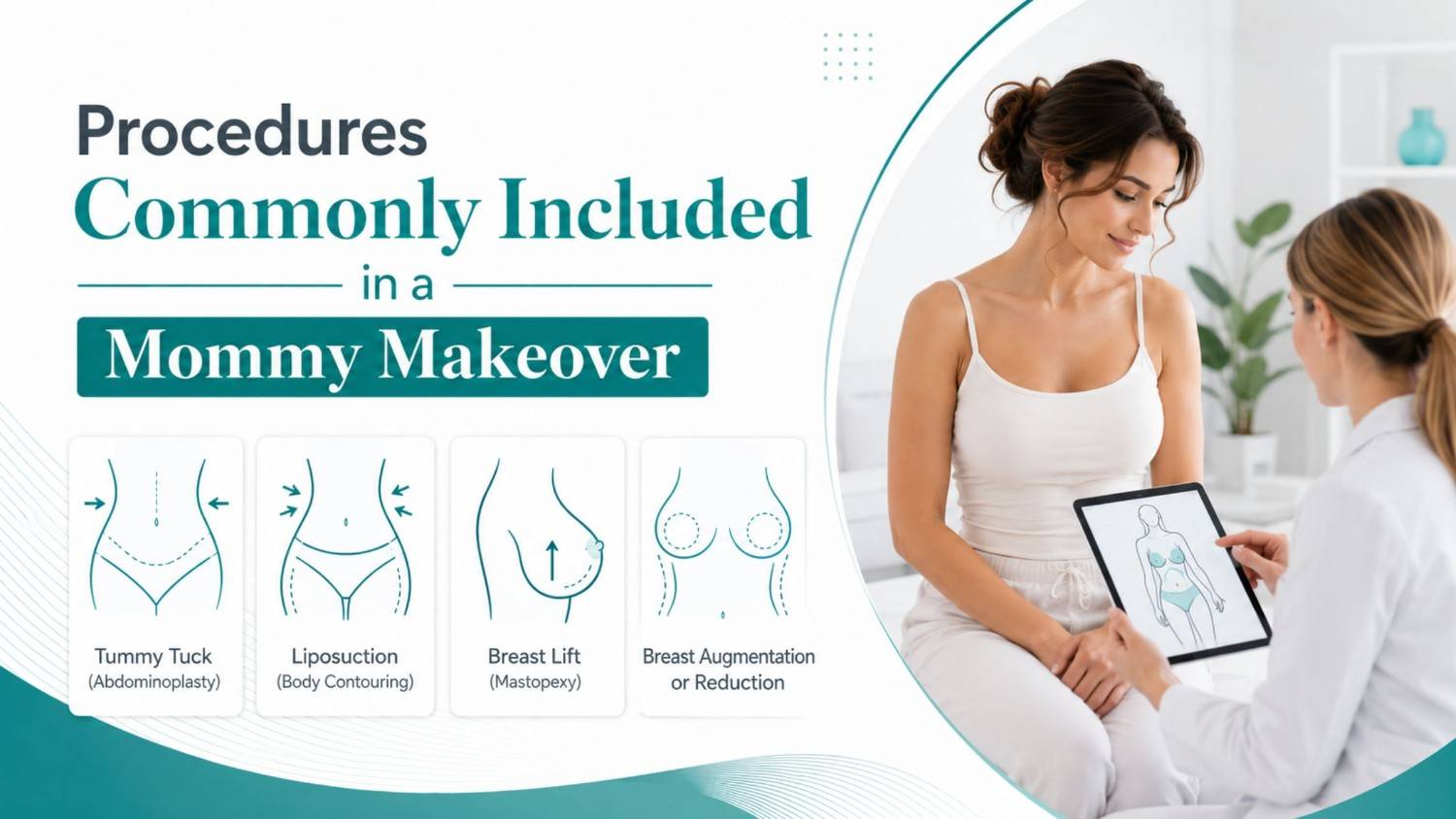
Breast augmentation may be performed as an independent procedure or combined with another procedure, such as a breast lift, when sagging or excess skin is also present.
The purpose is not simply to create larger breasts. A well-planned procedure aims to achieve proportions that look balanced with the shoulders, chest, waist, and overall body shape.
Common Reasons People Consider Breast Implants
Understanding why people choose surgery is an important part of answering Breast Implant FAQs. The reasons can be physical, aesthetic, reconstructive, or personal.
Common reasons include:
- Naturally small breast volume
- Loss of fullness after pregnancy
- Changes following breastfeeding
- Breast volume loss after weight reduction
- Noticeable difference between the two breasts
- Changes related to ageing
- Desire for improved body proportions
- Reconstruction after breast surgery
- Replacement of older implants
- Personal preference for a fuller breast shape
There is no single correct reason for choosing breast implants. The decision should be made voluntarily, without pressure from another person, and after understanding the procedure’s benefits and limitations.
Types of Breast Implants
One of the most frequent Breast Implant FAQs concerns the different implant options. Implants can vary in filling material, shape, profile, surface, and size.
- Silicone Breast Implants
Silicone implants contain a cohesive silicone gel. They are commonly selected because the gel is designed to provide a soft and natural feel.
Modern cohesive gel implants are available in different levels of firmness. The choice depends on the desired breast shape, existing tissue thickness, and the surgeon’s recommendation.
- Saline Breast Implants
Saline implants contain sterile salt water. They are generally inserted empty and filled after placement.
If the outer shell develops a leak, the saline is absorbed naturally by the body. However, the affected breast may lose volume noticeably and require implant replacement.
- Round Breast Implants
Round implants provide fullness across the breast, especially in the upper portion. They are available in different profiles and dimensions.
Depending on implant placement and tissue coverage, round implants can still produce a soft and natural-looking result.
- Anatomical Breast Implants
Anatomical or teardrop-shaped implants are designed with greater fullness in the lower part. They may be considered when a gradual breast contour is desired.
Because the shape has a specific orientation, implant rotation can affect appearance. The advantages and limitations should be discussed during consultation.
- Implant Profiles
Implant profile describes how far an implant projects forward from the chest.
Common choices include:
- Low profile
- Moderate profile
- Moderate-plus profile
- High profile
- Extra-high profile
A higher profile does not automatically mean a better result. The right profile should match the width of the patient’s chest and the amount of projection required.
Benefits Explained Through Breast Implant FAQs
Breast implant surgery may provide both physical and emotional benefits when performed for appropriate reasons and supported by realistic expectations.
Potential benefits include:
- Increased breast volume
- Improved breast symmetry
- Restoration of fullness after pregnancy
- Better balance between the upper and lower body
- Improved fit of certain clothing
- Greater confidence in body proportions
- Reconstruction of breast shape
- Customisation according to personal preferences
Results vary among patients. Surgery can improve breast size and contour, but it cannot guarantee a particular lifestyle change, relationship outcome, or level of happiness.
A responsible surgeon will discuss what can realistically be achieved based on the patient’s body structure.
Breast Implant FAQs About Consultation and Planning
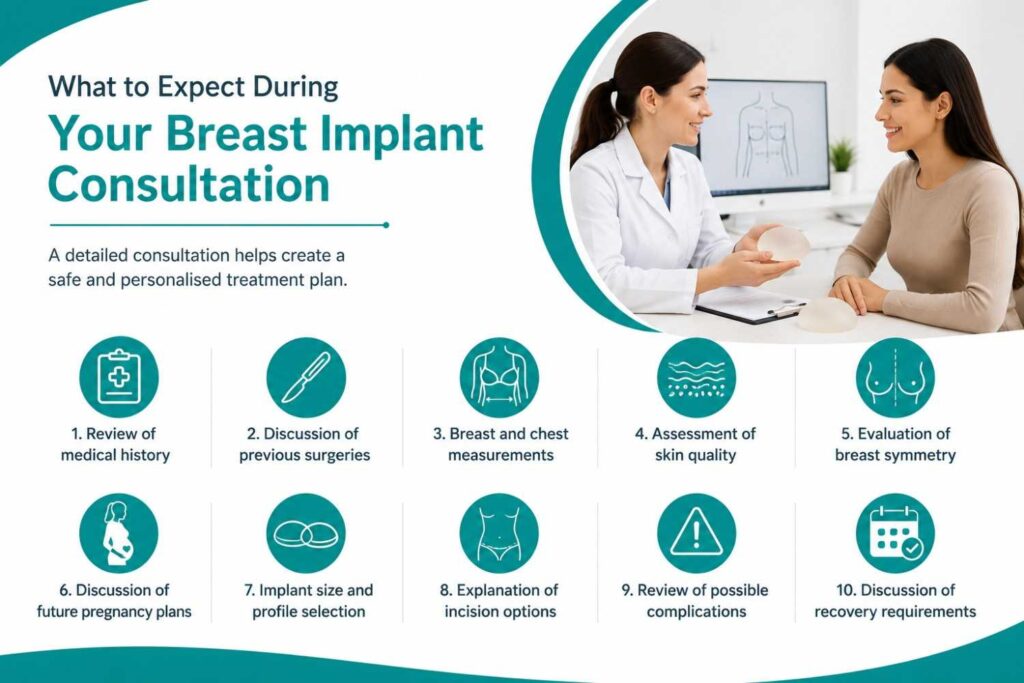
A detailed consultation is essential before breast implant surgery. It allows the surgeon to understand the patient’s goals and determine whether the procedure is medically suitable.
The consultation may include:
- Review of medical history
- Discussion of previous surgeries
- Breast and chest measurements
- Assessment of skin quality
- Evaluation of breast symmetry
- Discussion of future pregnancy plans
- Implant size and profile selection
- Explanation of incision options
- Review of possible complications
- Discussion of recovery requirements
Patients should use the consultation to ask questions openly. Bringing reference images may help explain preferences, although the result will still depend on individual anatomy.
Breast Implant FAQs and Clear Answers
1. Who Is a Suitable Candidate for Breast Implants?
A suitable candidate is generally an adult in good overall health who has realistic expectations and wants to improve breast volume, shape, or symmetry.
The person should understand that breast implants require surgery, recovery, future monitoring, and possibly another operation later in life.
Certain medical conditions, active infections, pregnancy, breastfeeding, uncontrolled health problems, or unrealistic expectations may make it necessary to postpone surgery.
A complete medical assessment is needed before confirming eligibility.
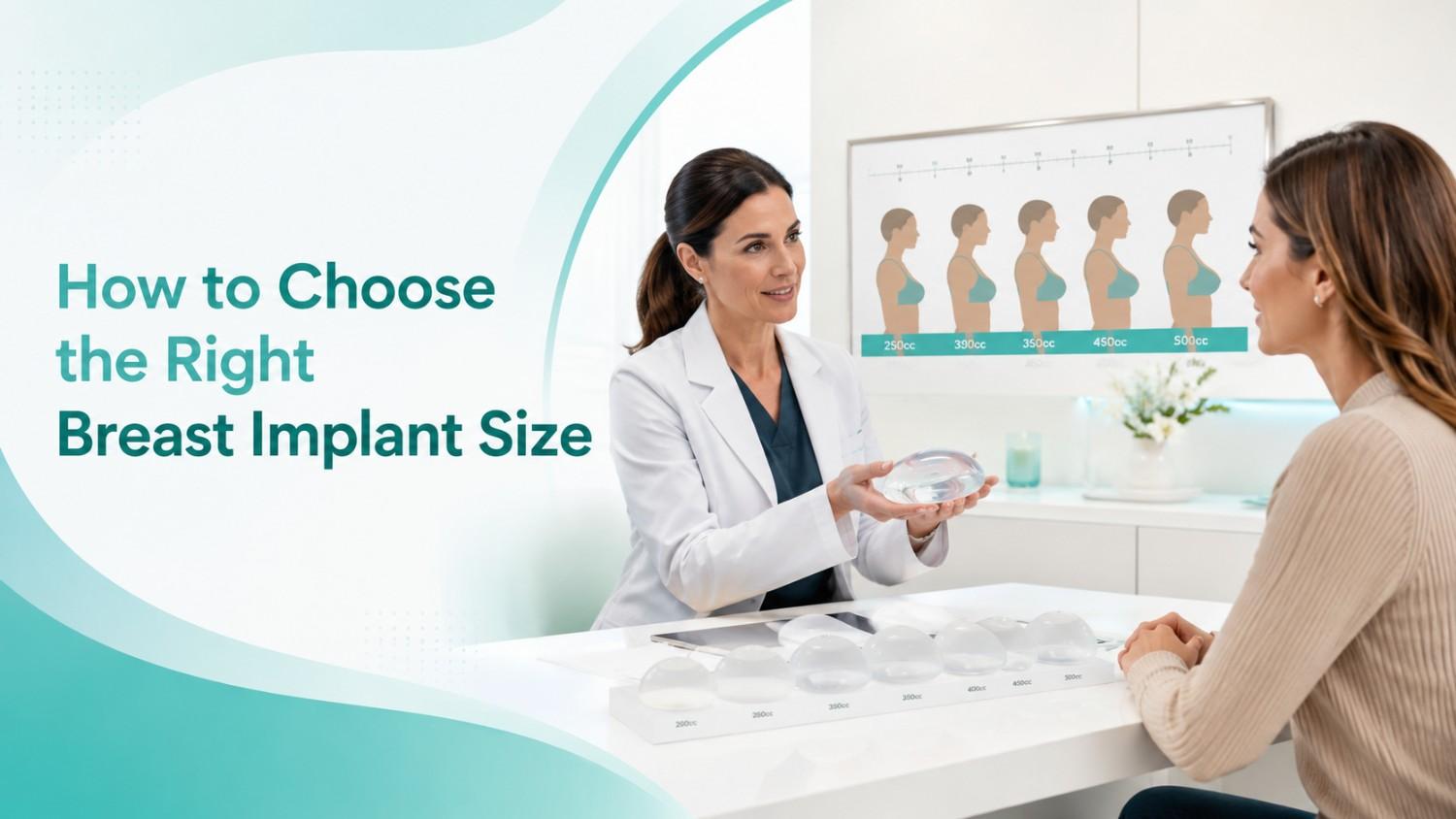
2. How Do I Choose the Right Implant Size?
Implant size should be selected according to chest width, existing breast tissue, skin elasticity, body proportions, lifestyle, and aesthetic goals.
Choosing implants based only on another person’s photographs may lead to unrealistic expectations because every body is different.
Surgeons may use measurements, sample implants, specialised bras, or digital simulations to help patients understand possible outcomes. The goal is to select a size that complements the body rather than focusing only on volume.
3. Are Bigger Implants Always Better?
No. Larger implants are not automatically more attractive or more suitable.
Very large implants may place additional pressure on the skin and breast tissue. This may contribute to stretching, sagging, discomfort, visible implant edges, or the need for revision surgery.
The most appropriate implant should provide the desired improvement while remaining suitable for the patient’s natural tissue and frame.
This is one of the most important Breast Implant FAQs to discuss honestly with the surgeon.
4. Where Are Breast Implants Placed?
Breast implants can be positioned:
- Above the chest muscle
- Below the chest muscle
- Partially below the muscle using a dual-plane technique
Placement above the muscle may offer a shorter early recovery in selected patients. Placement below or partially below the muscle may provide additional tissue coverage, particularly in patients with limited natural breast tissue.
Each option has advantages and limitations. The surgeon recommends placement after examining breast tissue thickness, activity level, chest anatomy, and desired appearance.
5. Where Will the Incisions Be Made?
Common incision locations include:
- The fold beneath the breast
- The border of the areola
- The armpit
The incision beneath the breast is widely used because it provides direct access and allows controlled implant placement.
The final incision choice depends on the implant type, surgical technique, anatomy, scar preference, and surgeon’s experience.
Scars usually become less noticeable with time, but no surgical incision becomes completely invisible.
6. Is Breast Implant Surgery Painful?
Patients do not feel pain during the operation because anaesthesia is used.
After surgery, it is normal to experience pressure, tightness, soreness, swelling, and temporary discomfort. These symptoms are often stronger during the first few days and gradually improve.
Pain medication, rest, supportive garments, and careful activity modification can help manage early discomfort.
Pain tolerance varies, so individual recovery experiences may differ.
7. What Symptoms Are Normal After Surgery?
Common early recovery symptoms include:
- Swelling
- Bruising
- Chest tightness
- Mild to moderate discomfort
- Temporary breast firmness
- Reduced energy
- Sensitivity around the incisions
- Temporary changes in nipple sensation
- Uneven settling during early healing
These changes generally improve as the tissues heal and the implants settle.
Patients should follow their surgeon’s instructions rather than comparing their recovery with another person’s experience.
8. Which Symptoms Require Medical Attention?
Patients should contact their surgeon when they experience unexpected or worsening symptoms, such as:
- Increasing pain after initial improvement
- Sudden enlargement of one breast
- Persistent fever
- Excessive redness
- Unusual wound discharge
- Significant bleeding
- Shortness of breath
- Opening of the incision
- Sudden change in breast shape
- Increasing swelling on one side
These symptoms do not always mean that a serious problem has occurred, but they should be assessed promptly.
9. How Long Does Breast Implant Surgery Take?
The operation commonly takes around one to two hours, although the duration may vary.
Surgery may take longer when breast augmentation is combined with a breast lift, correction of significant asymmetry, implant replacement, or another body contouring procedure.
Patients also spend time in pre-operative preparation and post-anaesthesia observation.
The surgeon can provide a more personalised estimate after creating the surgical plan.
10. Will I Need to Stay in the Hospital?
Some patients may return home after an appropriate observation period, while others may be advised to stay overnight.
The decision depends on the type of anaesthesia, procedure complexity, overall health, recovery from anaesthesia, and hospital protocol.
Patients should arrange for a responsible adult to accompany them home and remain available during the early recovery period.
Driving immediately after surgery is not recommended.
Possible Risks and Complications
A complete guide to Breast Implant FAQs must explain both benefits and risks.
Possible complications include:
- Bleeding
- Infection
- Fluid collection
- Delayed wound healing
- Noticeable scarring
- Implant rupture
- Implant displacement
- Breast asymmetry
- Capsular contracture
- Changes in sensation
- Implant visibility or rippling
- Anaesthesia-related complications
- Need for revision surgery
- Dissatisfaction with size or shape
Serious complications are not expected in every patient, but no surgery is completely risk-free.
Choosing an appropriately qualified plastic surgeon, undergoing proper medical assessment, using an equipped surgical facility, and following recovery instructions can support patient safety.
Treatment Options for Implant-Related Concerns
Treatment depends on the specific concern and its severity.
- Observation and Monitoring
Minor asymmetry, temporary firmness, swelling, or early implant settling may improve during the healing period. The surgeon may recommend observation and scheduled reviews.
- Medication
Medication may be prescribed for pain management, infection treatment, inflammation, or other specific post-operative needs.
Patients should not begin, stop, or change medication without medical advice.
- Implant Revision
Revision surgery may be considered when there is implant movement, rupture, size dissatisfaction, capsular contracture, or a significant change in breast shape.
- Implant Replacement
An older, damaged, or unwanted implant may be replaced with a new implant of the same or a different size.
- Implant Removal
Some patients prefer permanent implant removal. Additional procedures may be discussed when loose skin or volume changes are present.
- Breast Lift
A breast lift may be performed to reshape sagging tissue following ageing, pregnancy, weight changes, or implant removal.
Conclusion
These Breast Implant FAQs provide a practical starting point for understanding implant types, surgical planning, benefits, recovery, possible risks, and long-term care. Breast augmentation can improve volume, shape, and symmetry, but the procedure requires careful decision-making and realistic expectations.
A detailed consultation is necessary because implant size, placement, incision choice, and recovery recommendations must be personalised. Patients should also understand that implants may require monitoring, revision, replacement, or removal in the future.
Anyone considering breast implant surgery in Kerala should consult a qualified plastic surgeon, ask detailed questions, review all available options, and make a decision based on reliable medical guidance rather than trends or outside pressure.
For additional information about breast implants and recovery, visit the American Society of Plastic Surgeons (ASPS).
How long is breast implant recovery?
Initial recovery usually takes a few weeks, while complete healing may continue for several months.
When can I return to work?
Desk-based work may be resumed earlier than physically demanding work. Return only after receiving your surgeon’s approval.
When can I exercise again?
Gentle walking may begin early, but strenuous exercise and upper-body workouts should wait until healing is sufficient.
Will breast implants look natural?
A natural appearance depends on implant size, placement, chest width, existing tissue and surgical planning.
Can breast implants correct sagging?
Implants may improve mild looseness, but significant sagging may require a breast lift with or without implants.
Can I breastfeed after getting implants?
Many patients can breastfeed after surgery, but the outcome depends on anatomy, incision location and surgical technique.
Do breast implants affect nipple sensation?
Temporary changes in nipple or breast sensation may occur. Sensation often improves, although permanent changes are possible.
How long do breast implants last?
Breast implants are not lifetime devices. Replacement or removal may eventually be needed due to ageing, changes or complications.
What is capsular contracture?
Capsular contracture occurs when scar tissue around an implant tightens, causing firmness, discomfort or a change in shape.
Can breast implants rupture?
Yes. Saline rupture may cause visible volume loss, while silicone rupture may require imaging to identify.

Dr Prince
Consultant Plastic & Cosmetic Surgeon
Dr Prince is a Consultant Plastic and Reconstructive Surgeon at the Sushrutha Institute of Plastic Surgery, Elite Mission Hospital, Thrissur. He specializes in aesthetic and reconstructive procedures performed in a fully equipped hospital environment with strict safety protocols.
His expertise includes liposuction, rhinoplasty, gynecomastia correction, tummy tuck, breast surgery, and advanced facial aesthetic procedures, with a focus on safe techniques and natural-looking results.
Sushrutha Institute of Plastic Surgery, Elite Mission Hospital, Thrissur, Kerala