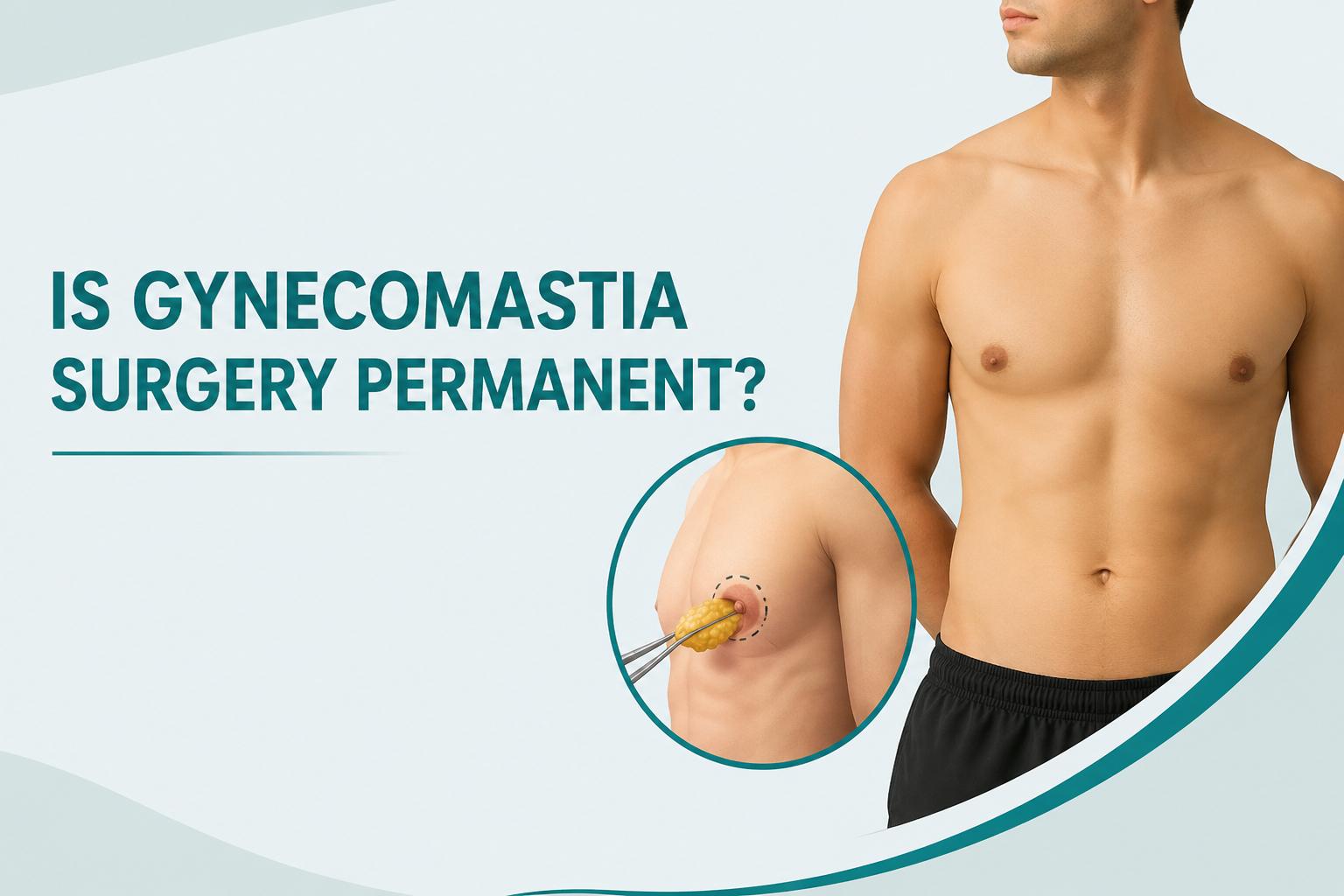
Gynecomastia surgery is a well-established surgical solution for men who experience persistent enlargement of breast tissue that does not improve with lifestyle changes or medical management. In regions like Kerala, awareness about male breast conditions and corrective surgical options has increased significantly, allowing individuals to seek accurate information and make informed decisions about treatment.
Understanding who is a suitable candidate for gynecomastia surgery is essential before considering the procedure. Not every individual with chest fullness requires surgery, and proper candidacy depends on physical, medical, and psychological factors. This page explains in detail who may benefit most from gynecomastia surgery and when surgical intervention is considered appropriate.
Understanding Gynecomastia
Gynecomastia is a medical condition characterized by the enlargement of glandular breast tissue in males. It differs from chest fat caused by weight gain, as true gynecomastia involves hormonal influences that stimulate breast tissue growth. The condition can affect one or both sides of the chest and may present with tenderness, firmness, or visible asymmetry.
Gynecomastia can occur at different life stages, including adolescence and adulthood. In some cases, it resolves naturally, while in others it persists and may cause physical discomfort or emotional distress.
What Defines a Good Candidate for Gynecomastia Surgery?
A good candidate for gynecomastia surgery is someone whose condition meets specific medical and personal criteria. Surgery is typically considered when the breast enlargement is stable, persistent, and has a measurable impact on quality of life.
Adults with Persistent Male Breast Enlargement
Men who have had enlarged breast tissue for more than 12 months are often considered potential candidates. When gynecomastia does not resolve on its own after puberty or lifestyle adjustments, surgical correction may be appropriate.
Long-standing gynecomastia usually indicates that the glandular tissue has become fibrous and is unlikely to respond to non-surgical treatments.
Individuals Who Have Not Responded to Non-Surgical Management
Gynecomastia surgery may be suitable for individuals who have already tried conservative measures such as:
Weight reduction
Exercise and chest-focused training
Hormonal evaluation and medical management
Review and adjustment of medications
If breast enlargement persists despite these efforts, surgery may be considered as a definitive solution.
Candidates with Stable Body Weight
A stable and healthy body weight is an important factor in determining suitability for gynecomastia surgery. Significant weight fluctuations can affect surgical results and long-term outcomes.
Candidates are usually advised to reach and maintain a stable weight before surgery, as weight gain after the procedure may impact chest contour.
Men with Firm or Glandular Breast Tissue
Gynecomastia surgery is particularly effective in individuals with firm, gland-dominant breast tissue rather than soft fat alone. While liposuction can address fatty components, true gynecomastia often requires direct removal of glandular tissue for optimal correction.
Clinical examination helps differentiate between fatty chest fullness and glandular enlargement.
Individuals Experiencing Physical Discomfort
Some men experience pain, tenderness, or sensitivity in the chest area due to gynecomastia. These physical symptoms may interfere with daily activities or exercise routines.
Men with ongoing discomfort related to breast tissue enlargement may be suitable candidates for surgical correction.
Individuals Without Untreated Medical Conditions
Good candidates for gynecomastia surgery should be in generally good health. Certain medical conditions, such as uncontrolled diabetes or bleeding disorders, may need to be managed before surgery.
A thorough medical evaluation helps determine whether surgery can be performed safely.
Individuals with Asymmetrical Chest Enlargement
Men with uneven breast development between the two sides may also be candidates for surgery. Asymmetry can be corrected surgically to create a more balanced chest contour.
A detailed assessment helps plan individualized correction.
Making an Informed Decision
Being a good candidate is not just about physical findings but also about readiness for surgery, understanding recovery, and commitment to follow post-procedure care instructions.
Well-informed candidates are more likely to be satisfied with outcomes and recovery.
Gynecomastia surgery is a highly individualized procedure, and candidacy varies from person to person. Men who meet medical criteria, experience persistent symptoms, and have realistic expectations are often the most suitable candidates.
With growing awareness and access to specialized care across Kerala, individuals considering gynecomastia surgery can make informed decisions by understanding whether they are appropriate candidates and what factors influence surgical suitability.
Gynecomastia surgery is a medical procedure designed to reduce excess male breast tissue and restore a flatter, more masculine chest contour. Learn more
The cost of gynecomastia surgery varies depending on the severity of the condition, surgical technique used, and individual treatment needs. Learn more
Gynecomastia surgery, like any surgical procedure, carries certain risks that patients should understand clearly before deciding on treatment. Learn more
A gynecomastia surgery consultation helps evaluate male chest enlargement, understand treatment options, and plan a safe, personalized surgical approach. Learn more
Discussing the right questions before gynecomastia surgery helps ensure safe treatment and clear expectations. Learn more
Preparation involves medical evaluation, stopping certain medications as advised, maintaining stable weight, avoiding smoking and alcohol, and planning for postoperative care and recovery time. Learn more