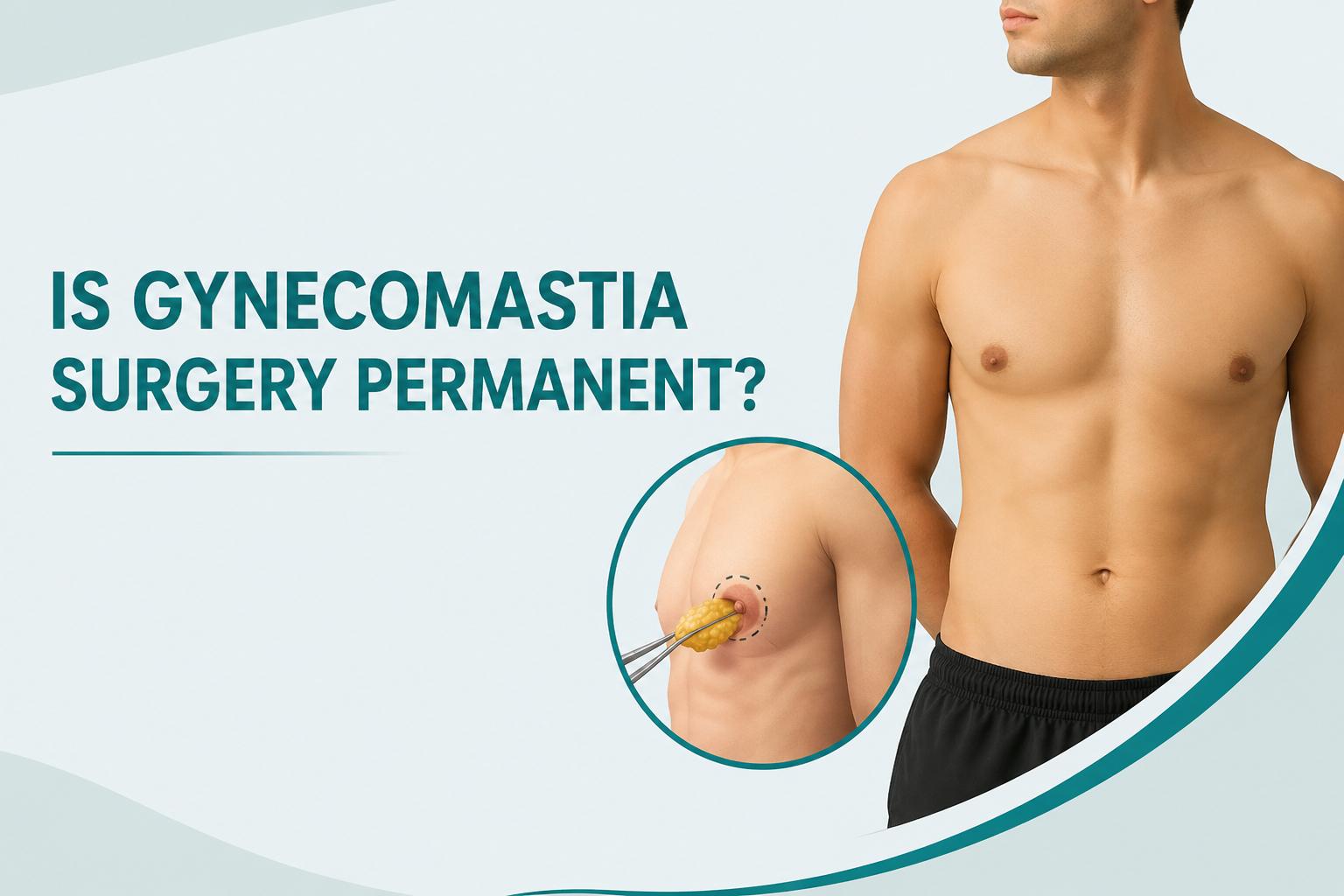
Gynecomastia Treatment Options depend on the underlying cause, the amount and type of enlarged breast tissue, how long the condition has been present, and the individual’s overall health. Gynecomastia is a condition in which glandular breast tissue increases in males, sometimes together with excess fat, creating a fuller or enlarged chest appearance. It can affect one or both sides and may occur during puberty or adulthood.
For some people, gynecomastia improves naturally, particularly when it is associated with temporary hormonal changes during puberty. For persistent cases, treatment may involve observation, addressing an underlying cause, medication in selected situations, or surgical correction. Understanding the available choices can help individuals discuss the most appropriate approach with a qualified medical professional.
1. What Causes Gynecomastia?
Understanding the cause is an important part of selecting appropriate Gynecomastia Treatment Options. Hormonal changes are one of the most common factors.
Gynecomastia can occur during different stages of life. Newborn boys may temporarily develop enlarged breast tissue because of hormonal exposure during pregnancy. Pubertal gynecomastia can occur as hormone levels change during adolescence and frequently improves without treatment.
Adults can also develop gynecomastia. Certain medical conditions, medications, hormonal changes, and other factors may contribute to the condition.
Some medications associated with gynecomastia include certain anti-androgens and other drugs that influence hormonal activity. Medical conditions affecting hormone production or metabolism may also play a role.
Because there can be several possible causes, persistent or unexplained breast enlargement should be evaluated rather than automatically treated as a cosmetic problem.
2. How Is Gynecomastia Diagnosed?
Diagnosis usually begins with a medical history and physical examination. A doctor may ask about the duration of breast enlargement, associated symptoms, medications, medical conditions, weight changes, and other relevant factors.
The examination helps distinguish glandular breast tissue from excess fat and identifies features that may require further investigation.
Depending on the individual’s symptoms and examination findings, additional tests may be recommended. These can include blood tests, imaging studies such as mammography or ultrasound, and, in selected cases, other investigations.
The objective is not only to confirm gynecomastia but also to identify possible underlying causes and rule out other conditions that can produce breast enlargement.
A hard or unusual lump, nipple discharge, skin changes, or significant one-sided enlargement should receive appropriate medical assessment.
3. When Does Gynecomastia Need Treatment?
Not every case requires immediate treatment. In adolescents, gynecomastia associated with normal pubertal hormonal changes may disappear naturally. Mayo Clinic notes that pubertal gynecomastia often resolves within months to a couple of years.
Treatment may become appropriate when the enlargement persists, causes pain or tenderness, creates substantial emotional distress, or does not improve after addressing an underlying cause.
The duration of the condition can also influence treatment planning. Long-standing gynecomastia may contain more established glandular or fibrous tissue, which may not respond to lifestyle changes alone.
Treatment decisions should therefore be individualized. Age, medical history, tissue composition, severity, symptoms, and personal goals can all influence the recommended approach.
4. Observation as a Treatment Approach
Observation can be an appropriate approach when gynecomastia is expected to improve naturally and there are no concerning symptoms.
This is particularly relevant for adolescents experiencing gynecomastia during puberty. Instead of immediately proceeding with medication or surgery, a healthcare professional may recommend monitoring the condition over time.
Observation does not mean ignoring the condition. Periodic assessment can help determine whether the enlargement is decreasing, remaining stable, or progressing.
If the condition persists or symptoms become troublesome, the treatment plan can be reconsidered.
For adults, observation may also be appropriate when the enlargement is mild, asymptomatic, and not causing significant concerns. The underlying cause should still be considered.
5. Treating the Underlying Cause
One of the important Gynecomastia Treatment Options is addressing the factor responsible for the breast enlargement.
If a medication is suspected to contribute to gynecomastia, the prescribing doctor may review whether the medication can be changed or discontinued. Individuals should not stop prescribed medicines independently.
If an underlying hormonal or medical condition is identified, treating that condition may help address the breast enlargement.
Examples of potential contributing factors include hormonal disorders and certain systemic diseases. The appropriate evaluation depends on the person’s symptoms and medical history.
Addressing the underlying cause can be particularly important because surgery may correct the existing chest contour without treating a continuing hormonal or medical trigger.
6. Medication for Gynecomastia
Medication may be considered in selected cases, particularly when gynecomastia is relatively recent or associated with specific hormonal mechanisms.
Some medicines that affect estrogen activity have been studied for gynecomastia. These include tamoxifen and raloxifene, while aromatase inhibitors such as anastrozole have also been investigated. However, these medicines are not specifically FDA-approved for treating gynecomastia in the United States.
Medication should therefore only be considered following professional assessment.
The effectiveness of medical therapy can depend on factors such as the duration and cause of gynecomastia. Long-standing glandular enlargement may not respond in the same way as a recent hormonal change.
Self-medication with hormonal drugs is not recommended because altering hormone levels without appropriate evaluation can create additional health risks.
7. Diet and Exercise for Chest Fat
Diet and exercise can play an important role in overall health and may reduce excess body fat. However, they do not directly remove established glandular breast tissue.
This distinction is important when considering Gynecomastia Treatment Options.
If chest enlargement is primarily caused by excess fat, weight management may improve the appearance of the chest. In contrast, true gynecomastia involves glandular tissue that may remain even after substantial weight loss.
Strength training can improve the appearance of the chest muscles and overall body composition, but it should not be considered a guaranteed treatment for glandular gynecomastia.
The provided gynecomastia information similarly distinguishes excess chest fat from firm glandular tissue and notes that exercise alone does not eliminate true gynecomastia.
8. Liposuction for Gynecomastia
Liposuction is one of the surgical Gynecomastia Treatment Options, particularly when excess fatty tissue contributes significantly to chest enlargement.
During liposuction, a surgeon removes unwanted fat through small incisions using specialized equipment. The goal is to create a flatter and more proportionate chest contour.
However, liposuction does not remove glandular breast tissue itself. Mayo Clinic specifically distinguishes liposuction, which removes breast fat, from removal of glandular tissue.
Therefore, liposuction alone may not be sufficient when firm glandular tissue is responsible for the enlargement.
The choice of technique depends on the physical characteristics of the chest. A careful examination can help determine whether fat, glandular tissue, or a combination of both needs to be addressed.
9. Glandular Tissue Removal
When firm glandular tissue is the primary cause of persistent gynecomastia, surgical removal may be considered.
This approach removes the excess breast gland tissue responsible for the characteristic fullness beneath the nipple or areola.
Depending on the amount and location of tissue, the surgeon may use a relatively small incision. The exact incision pattern depends on factors such as the degree of enlargement, skin quality, tissue distribution, and whether additional procedures are necessary.
Glandular tissue removal is different from liposuction because it directly addresses the firm tissue that cannot simply be suctioned away.
A detailed assessment is important before surgery because the objective is not simply to remove tissue but to create a balanced and natural-looking chest contour.
10. Combined Gynecomastia Surgery
For many patients, the chest contains both excess fat and glandular tissue. In these cases, combining liposuction with glandular tissue removal can address both components.
This combined approach is one of the commonly considered Gynecomastia Treatment Options for persistent enlargement.
The gynecomastia surgery information on the provided site describes advanced male breast reduction involving liposuction together with gland removal.
The exact surgical plan varies according to the individual’s anatomy and the amount of excess tissue.
In some cases, skin excess may also influence the surgical approach. More significant enlargement can require additional techniques to achieve an appropriate contour.
The goal is to reduce unwanted fullness while maintaining a natural transition between the chest, nipple, and surrounding tissues.
11. Choosing the Right Treatment Option
There is no single treatment that is appropriate for every person with gynecomastia.
Several factors are considered when selecting treatment:
-
Whether the enlargement is caused by fat, glandular tissue, or both
-
The duration of the condition
-
The person’s age
-
The severity of enlargement
-
Presence of pain or tenderness
-
Possible underlying medical causes
-
Current medications
-
Skin elasticity
-
Overall health
-
Personal expectations and cosmetic goals
A person with predominantly fatty chest tissue may have different treatment needs from someone with firm glandular enlargement.
Similarly, a teenager with recent pubertal gynecomastia may be managed differently from an adult with long-standing enlargement.
A consultation allows these factors to be evaluated before choosing between observation, medical management, lifestyle measures, liposuction, gland removal, or combined surgery.
12. Gynecomastia Surgery and Recovery
Recovery following gynecomastia surgery varies according to the surgical technique and the amount of tissue removed.
The provided surgical information describes gynecomastia correction as a procedure that can involve liposuction and gland removal, with the surgical plan tailored to the individual’s presentation.
After surgery, swelling and bruising can occur. Temporary tightness or discomfort may also be experienced. Compression garments are commonly used after male breast reduction surgery when recommended by the surgeon.
Physical activity is generally resumed gradually. Strenuous exercise and activities that place stress on the chest may need to be restricted during the initial recovery period.
The surgeon’s postoperative instructions should take priority because recovery requirements can differ between individuals.
Follow-up appointments are important for monitoring healing and assessing the developing chest contour.
13. Benefits and Possible Risks of Treatment
Appropriate treatment can reduce unwanted chest fullness and improve body contour. For people who experience embarrassment or self-consciousness because of gynecomastia, improvement in chest appearance may also support confidence.
However, every medical or surgical treatment has potential risks.
Possible surgical complications can include bleeding, infection, fluid accumulation, changes in sensation, contour irregularities, asymmetry, visible scarring, or the possibility of requiring further correction.
The extent of risk depends on the individual’s health, anatomy, surgical technique, and postoperative care.
A qualified plastic surgeon should explain the expected benefits, limitations, alternatives, and potential complications before treatment.
It is also important to maintain realistic expectations. Surgery can improve the chest contour, but individual healing and final results can vary.
14. When to Consult a Plastic Surgeon
A consultation with a qualified plastic surgeon can be useful when gynecomastia persists despite observation or lifestyle measures, particularly when the condition affects confidence, comfort, or daily activities.
Medical evaluation is especially important when breast enlargement is new, rapidly increasing, painful, associated with nipple discharge, or accompanied by a firm or unusual lump. Such symptoms should be appropriately assessed rather than assumed to be ordinary gynecomastia.
During a consultation, the surgeon can evaluate the chest and determine whether the enlargement consists mainly of fat, glandular tissue, or both. The discussion can then cover suitable treatment options, expected recovery, potential risks, and likely aesthetic outcomes.
For persistent cases, surgical correction may involve liposuction, glandular tissue removal, or a combination of both. The gynecomastia procedure described on the provided site specifically includes liposuction and gland removal as part of its approach to male breast reduction.