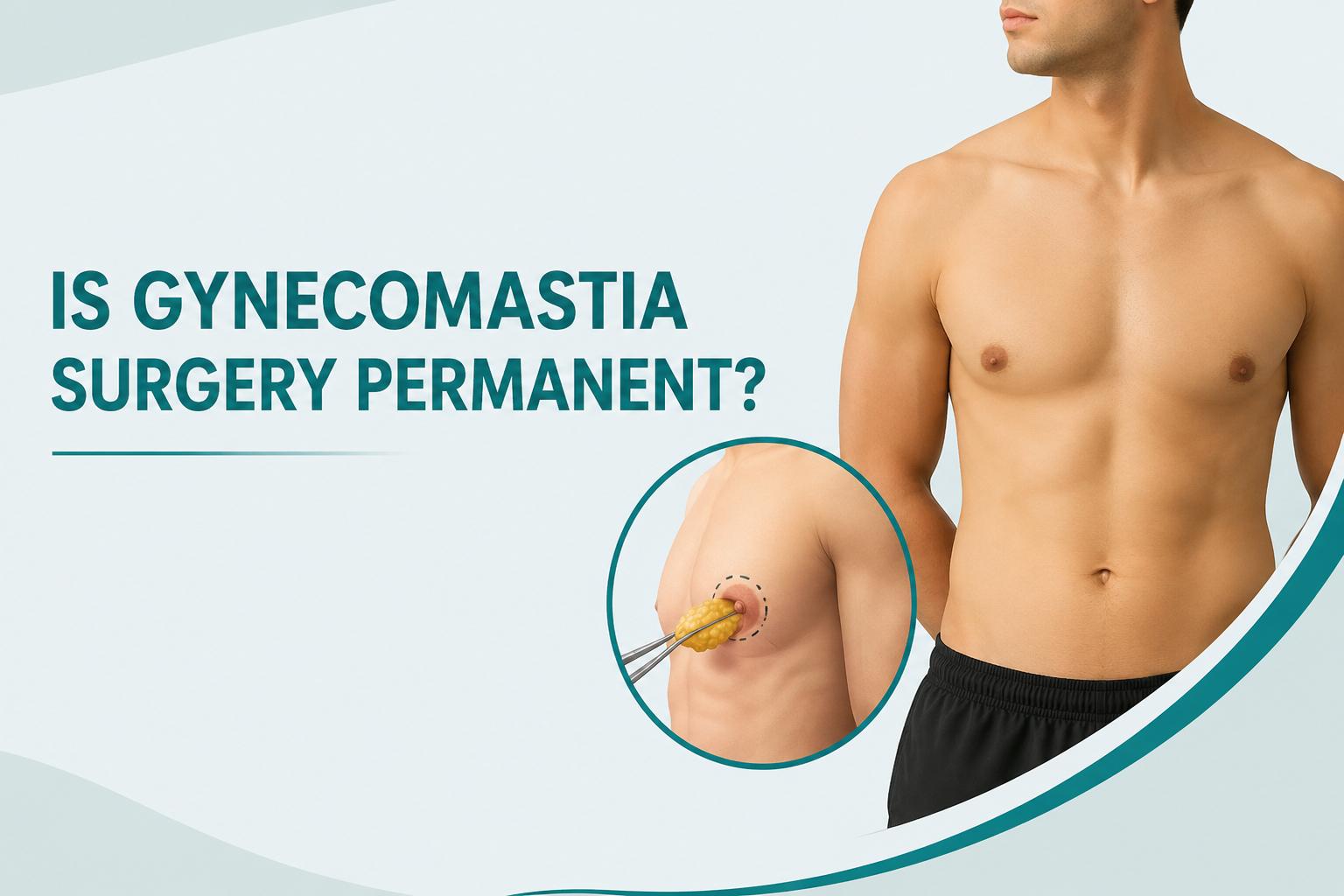
Gynecomastia Surgery Procedure is a surgical treatment designed to reduce enlarged male breast tissue and create a flatter, more proportionate chest contour. Gynecomastia can develop because of excess glandular breast tissue, excess fat, or a combination of both. When persistent enlargement does not improve with weight management or lifestyle changes, surgical correction may be considered after proper medical evaluation.
The procedure is commonly known as male breast reduction surgery. Depending on the individual condition, a surgeon may use liposuction, direct glandular tissue removal, or a combination of techniques. In patients with significant loose skin, skin excision may also be required. The exact approach depends on the amount and type of tissue present, skin elasticity, chest shape, overall health, and the desired result.
1. How Is the Gynecomastia Surgery Procedure Planned?
The first stage of the Gynecomastia Surgery Procedure is a detailed assessment. The surgeon determines whether the enlargement is mainly caused by fat, glandular tissue, excess skin, or a combination.
The grade and severity of gynecomastia can influence the surgical plan. Mild cases may require only limited tissue removal, while more pronounced enlargement may require both liposuction and gland excision.
During consultation, the surgeon may assess:
-
Amount of glandular tissue
-
Amount and distribution of chest fat
-
Skin elasticity
-
Nipple and areola position
-
Degree of chest asymmetry
-
Overall body proportions
-
Medical history
-
Current medications
-
Previous procedures
-
Weight stability
-
Expectations regarding the result
A personalized surgical plan helps determine the appropriate incision locations, tissue-removal method, anesthesia, compression requirements, and expected recovery period.
2. Liposuction in Gynecomastia Surgery
Liposuction is one of the techniques used when excess fatty tissue contributes significantly to male breast enlargement.
During the procedure, small incisions are made through which a thin cannula is inserted. The cannula is used to loosen and remove unwanted fat from the chest.
Liposuction can be particularly useful when the enlargement is predominantly fatty. It can also be combined with gland removal when both fat and firm breast tissue are present.
The objective is not simply to remove fat but to create a smooth transition between the treated chest area and the surrounding torso. Excessive or uneven fat removal can create contour irregularities, so the technique requires careful planning.
Modern liposuction techniques may allow treatment through relatively small access points, although the final incision and scar pattern depend on the individual procedure.
3. Glandular Tissue Excision
Liposuction cannot remove firm glandular breast tissue. When true gynecomastia includes a significant glandular component, direct excision may be required.
During glandular tissue removal, the surgeon makes an appropriately positioned incision, often near the edge of the areola, to access and remove the enlarged tissue.
The incision pattern depends on the amount and location of tissue that needs to be removed. A carefully planned incision can help keep scars less noticeable.
Gland excision is an important part of treating persistent true gynecomastia because the enlarged glandular tissue needs to be physically removed rather than simply reduced through fat removal.
The surgeon also has to preserve an appropriate amount of tissue beneath the nipple. Removing too much tissue may contribute to an unnatural depression or contour irregularity.
4. Combining Liposuction and Gland Removal
Many patients have both excess fat and glandular tissue. In these cases, a combination approach may provide a more balanced chest contour.
The surgeon can first address the fatty component using liposuction and then remove the firm glandular tissue through a small incision.
Combining the techniques allows different types of tissue to be addressed during the same procedure. Liposuction can improve the surrounding chest contour, while gland excision can treat the firm tissue concentrated beneath the nipple.
The exact combination varies according to the patient’s anatomy and severity. There is no single surgical technique that is appropriate for every case.
5. Is Skin Removal Needed?
Some patients with more advanced gynecomastia have significant excess or loose skin. This can occur when there is substantial breast enlargement or after significant weight loss.
When skin does not retract sufficiently after fat and glandular tissue removal, additional skin excision may be considered.
Skin-removal techniques generally involve larger incisions than simple liposuction or gland excision. The surgeon may also need to reposition the nipple-areola complex when there is considerable skin excess.
Because these techniques can create more visible scars, the potential benefits and limitations should be discussed carefully during consultation.
6. What Type of Anaesthesia Is Used?
The type of anesthesia used for a Gynecomastia Surgery Procedure depends on the extent of treatment and the patient’s individual circumstances.
Smaller procedures may sometimes be performed using local anesthesia with appropriate sedation. More extensive surgery may require general anesthesia.
The anesthesia plan is determined by the surgeon and anesthesia team after considering:
-
Surgical complexity
-
Amount of tissue being removed
-
Expected duration of surgery
-
Patient comfort
-
General health
-
Medical history
-
Hospital and safety requirements
Patients should provide complete information about their medications, allergies, previous anesthesia experiences, and existing medical conditions before surgery.
7. What Happens Immediately After Surgery?
After the procedure, the chest is dressed and a compression garment may be applied. The garment supports the treated area and can help control postoperative swelling.
Some patients experience:
-
Swelling
-
Bruising
-
Mild to moderate discomfort
-
Temporary numbness
-
Tightness around the chest
-
Changes in nipple sensation
These symptoms generally improve as healing progresses.
In selected cases, a temporary drain may be used to remove accumulated blood or fluid. Whether a drain is necessary depends on the surgical technique, extent of tissue removal, and surgeon preference.
Patients receive individualized instructions concerning wound care, medication, bathing, compression garments, sleeping positions, and physical activity.
8. Recovery After Gynecomastia Surgery
Recovery varies depending on the amount of tissue removed and the techniques used.
Patients undergoing a relatively straightforward procedure may return to light daily activities within a few days, while more extensive surgery can require a longer recovery period.
A general recovery pattern may include:
| Recovery Stage |
What May Happen |
| First few days |
Swelling, bruising and discomfort are common |
| First week |
Light daily activities may gradually resume |
| Following weeks |
Swelling continues to decrease |
| Several weeks |
Gradual return to exercise according to medical advice |
| Several months |
Chest contour continues to settle |
| Long term |
Final scars and tissue contours mature gradually |
These timelines are general. Individual recovery can be faster or slower depending on the procedure and the patient’s healing response.
Strenuous exercise and upper-body workouts should not be resumed until the surgeon confirms that the tissues have healed sufficiently.
9. Compression Garments After Surgery
Compression garments are commonly recommended following male breast reduction surgery.
The garment applies gentle, consistent pressure to the treated area. It can help control swelling and support the chest during the healing period.
The duration of compression garment use varies between patients and surgical techniques. Patients should follow the specific instructions provided by their surgeon rather than choosing a duration independently.
The garment should fit appropriately. Excessive pressure can be uncomfortable, while inadequate compression may not provide the intended support.
10. Possible Risks and Side Effects
Like every surgical procedure, gynecomastia surgery carries potential risks. Most patients recover without major complications, but patients should understand the possible side effects before treatment.
Potential complications may include:
-
Bleeding
-
Infection
-
Fluid accumulation
-
Prolonged swelling
-
Bruising
-
Temporary or persistent changes in sensation
-
Contour irregularities
-
Chest asymmetry
-
Visible or thickened scars
-
Nipple position changes
-
Skin healing problems
-
Need for revision surgery
The likelihood of complications depends on individual health, the severity of gynecomastia, surgical technique, postoperative care, and other factors.
Following postoperative instructions and attending scheduled follow-up appointments are important parts of reducing avoidable risks.
11. How Long Does It Take to See the Final Result?
The chest may look flatter soon after surgery, but the immediate postoperative appearance should not be considered the final result.
Swelling and tissue firmness can temporarily affect the chest contour. As healing progresses, the swelling gradually decreases and the tissues settle into their new shape.
Some patients notice substantial improvement within the first few weeks, while subtle changes can continue for several months.
Scar maturation also takes time. Surgical scars may initially appear more prominent and gradually become less noticeable as they mature.
Maintaining a stable body weight can help preserve the overall contour achieved through surgery.
12. Can Gynecomastia Return After Surgery?
Gynecomastia surgery is intended to provide long-lasting correction by removing the excess tissue responsible for enlargement. However, the long-term result can be influenced by hormonal changes, medications, steroid use, significant weight changes, or other underlying factors.
If excess body fat increases substantially after surgery, additional fat may accumulate in the chest. This is different from the regrowth of removed glandular tissue.
Patients should discuss any medications or substances that may contribute to gynecomastia with their doctor. Prescription medications should never be stopped without medical advice.
Addressing an underlying cause and maintaining a stable lifestyle can help protect the surgical result.
13. Gynecomastia Surgery and Chest Contour
The objective of surgery is not simply to make the chest smaller. It is to create a proportionate, natural-looking male chest.
A good surgical plan considers the relationship between the chest, shoulders, abdomen, and surrounding torso.
Important factors include:
-
Smooth chest transitions
-
Appropriate nipple position
-
Symmetry
-
Removal of excess tissue
-
Avoidance of excessive tissue removal
-
Appropriate skin management
-
Minimal and strategically placed incisions
The final result depends on anatomy as well as surgical technique. Patients should have realistic expectations about what surgery can achieve.