Who needs gynecomastia surgery is an important topic for men dealing with persistent chest enlargement that does not improve through exercise or lifestyle changes. Gynecomastia refers to the enlargement of male breast tissue caused by hormonal imbalance, excess gland tissue, weight changes, genetics, medications, or certain medical conditions. While some men experience mild enlargement, others may notice more visible chest fullness that affects physical comfort and self-confidence.
Many people search for information about who needs gynecomastia surgery because the condition can affect different age groups, including teenagers and adults. In some cases, chest enlargement may improve naturally, while others continue to experience persistent glandular tissue that remains despite regular workouts or weight loss efforts.
Understanding who needs gynecomastia surgery helps individuals make informed decisions about treatment options and consultation planning. A professional evaluation can determine whether surgery is suitable based on symptoms, medical history, and overall goals.
Understanding Gynecomastia
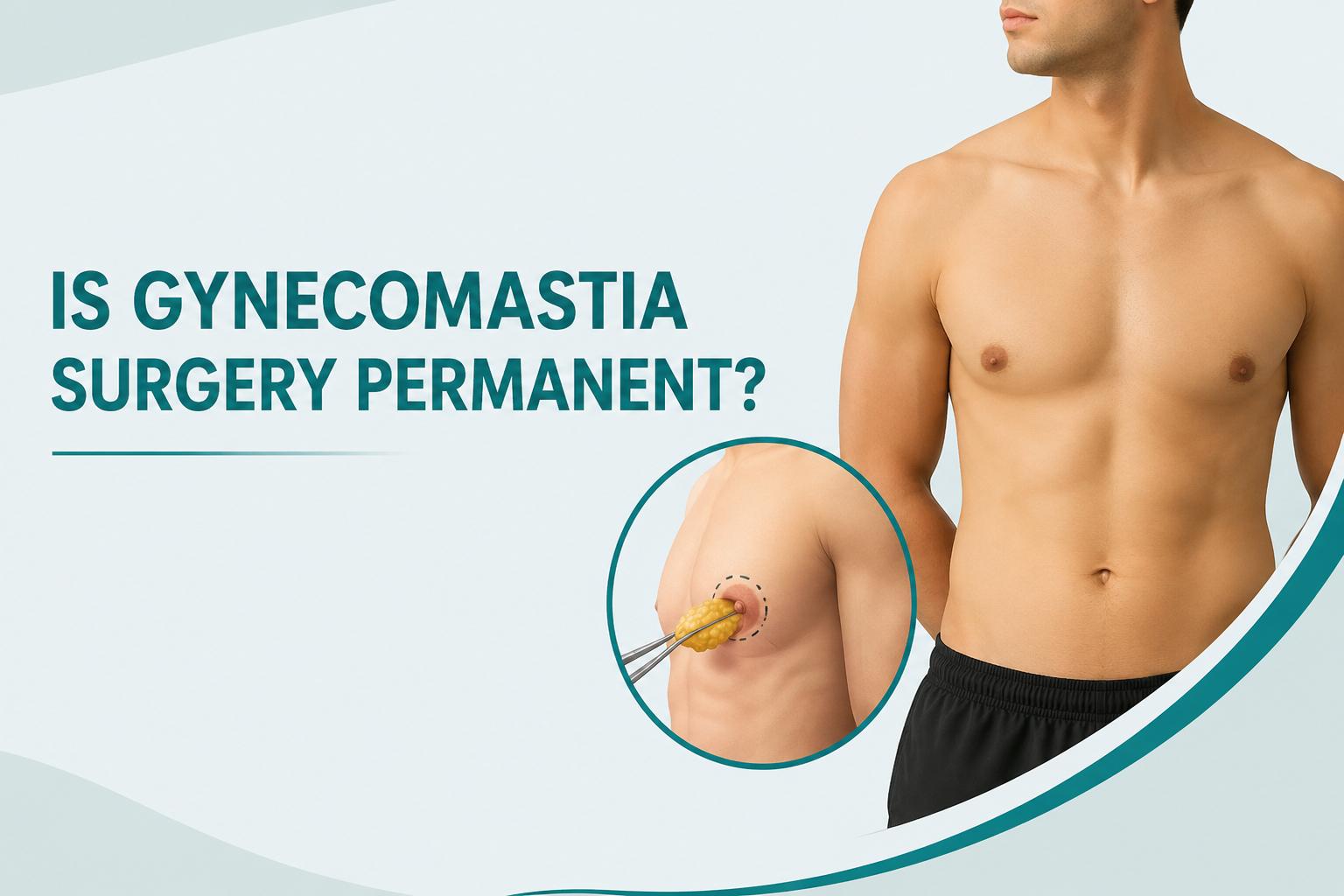
Before discussing who needs gynecomastia surgery, it is important to understand the condition itself. Gynecomastia develops when male breast gland tissue enlarges due to hormonal changes or other contributing factors. This differs from simple chest fat accumulation because glandular tissue may feel firm or rubbery beneath the nipple area.
The condition may affect one or both sides of the chest and can appear uneven in some individuals. Men experiencing persistent enlargement often seek medical consultation to understand available treatment options.
Common causes include:
- Hormonal imbalance
- Puberty-related changes
- Weight gain
- Certain medications
- Steroid use
- Thyroid conditions
- Genetics
- Aging-related hormonal changes
Knowing the underlying cause is important when evaluating who needs gynecomastia surgery and whether non-surgical management may help.
Common Signs That May Indicate the Need for Surgery
Who needs gynecomastia surgery often depends on the severity of symptoms and how long the condition has been present. Some individuals experience temporary swelling, while others notice long-term enlargement that does not improve.
Possible signs include:
Persistent Chest Enlargement
One of the main indicators when discussing who needs gynecomastia surgery is chest enlargement that remains stable for months or years despite healthy habits.
Firm Gland Tissue
Firm tissue beneath the nipple area may suggest glandular gynecomastia rather than excess fat alone.
Difficulty Wearing Certain Clothing
Some individuals avoid fitted shirts or social activities because of visible chest fullness.
Emotional or Psychological Discomfort
Confidence concerns, embarrassment, or self-consciousness may affect daily life and social interactions.
Chest Tenderness
Mild sensitivity or tenderness around the chest area can occur in some cases.
Limited Improvement With Exercise
Men who maintain stable weight and regular workouts but still notice enlarged chest tissue may explore surgical consultation.
Who Needs Gynecomastia Surgery Most Commonly
Who needs gynecomastia surgery can vary from person to person. However, certain groups commonly seek treatment.
Adults With Persistent Gynecomastia
Adults with long-term glandular enlargement that does not improve naturally often consider surgery.
Men After Major Weight Loss
Weight reduction may leave loose skin or persistent chest fullness even after body fat decreases.
Individuals With Asymmetrical Chest Appearance
Uneven chest contour can create noticeable imbalance and cosmetic concern.
Men With Stable Weight
Candidates usually benefit from maintaining relatively stable body weight before treatment.
Patients With Realistic Expectations
Understanding the procedure, healing process, and gradual improvement is important when determining who needs gynecomastia surgery.
When Surgery May Not Be Necessary
Not everyone experiencing chest fullness requires surgery. In some situations, medical observation or lifestyle management may help.
Examples include:
- Temporary puberty-related gynecomastia
- Chest fat without gland tissue
- Hormonal imbalance requiring medical treatment
- Unstable weight changes
- Untreated medical conditions
A consultation helps determine whether surgery is appropriate or whether alternative management options should be considered.
Gynecomastia Surgery Consultation Process
Understanding who needs gynecomastia surgery also includes learning about the consultation process. A professional evaluation typically involves:
Medical History Review
The surgeon may discuss medications, health conditions, weight history, and symptom duration.
Physical Examination
Assessment helps determine whether enlargement is caused by gland tissue, fat accumulation, or loose skin.
Discussion of Goals
Patients can discuss concerns, expectations, and desired chest contour improvements.
Treatment Planning
The treatment plan may vary depending on tissue type, skin quality, and chest shape.
Treatment Methods Used in Gynecomastia Surgery
Who needs gynecomastia surgery may also depend on which treatment method is suitable for the condition.
Liposuction
Liposuction may help remove excess fat contributing to chest fullness.
Gland Tissue Removal
Firm gland tissue often requires direct surgical excision for improved contour.
Combined Techniques
Some patients benefit from both liposuction and gland removal for balanced results.
Skin Tightening
Men with excess loose skin after weight loss may require additional contour correction.
Recovery After Gynecomastia Surgery
Many people researching who needs gynecomastia surgery also want to understand recovery expectations.
Early Healing
Swelling, tightness, and mild discomfort are common during the first stage of healing.
Compression Garments
Compression garments help support chest contour and reduce swelling.
Activity Restrictions
Heavy exercise and lifting are usually limited temporarily.
Gradual Improvement
Chest contour continues improving as swelling decreases over time.
Follow-Up Care
Regular follow-up visits help monitor healing progress and recovery.
Benefits of Gynecomastia Surgery
Who needs gynecomastia surgery often relates to both physical and emotional concerns. Many patients seek treatment for improved comfort and confidence.
Potential benefits may include:
- Flatter chest contour
- Better clothing fit
- Improved body confidence
- Reduced chest fullness
- Enhanced physical comfort
- More balanced chest appearance
Results vary depending on body type, healing, and treatment method.
Lifestyle Habits That Support Long-Term Results
Maintaining healthy habits may help support long-term surgical outcomes.
Helpful practices include:
- Stable weight management
- Regular exercise
- Balanced nutrition
- Avoiding steroid misuse
- Following medical guidance
- Attending follow-up appointments
Healthy lifestyle choices can contribute to maintaining chest contour improvements.
Emotional Impact of Gynecomastia
Who needs gynecomastia surgery is not only about physical appearance. Emotional well-being also plays a significant role.
Some individuals experience:
- Reduced confidence
- Social discomfort
- Avoidance of swimming or gym activities
- Anxiety related to appearance
- Difficulty wearing fitted clothing
Professional consultation can help patients understand available options and make informed decisions.
Choosing a Qualified Surgeon
Selecting an experienced and ethical plastic surgeon is important when exploring who needs gynecomastia surgery.
Factors to consider include:
- Professional qualifications
- Experience with male chest contour procedures
- Consultation approach
- Accredited surgical facilities
- Clear communication
- Ethical healthcare practices
Choosing a qualified professional helps patients better understand the procedure and recovery process.
Conclusion
Who needs gynecomastia surgery depends on several factors, including persistent chest enlargement, glandular tissue presence, emotional concerns, and lack of improvement through exercise or lifestyle changes. Some individuals experience temporary changes that improve naturally, while others may benefit from professional surgical evaluation for long-term chest contour correction.
Understanding symptoms, causes, treatment options, and recovery expectations helps patients make informed healthcare decisions. A qualified consultation can determine whether surgery is appropriate based on individual goals and overall health.
For additional educational information about gynecomastia and male chest conditions, visit the official resource from the American Society of Plastic Surgeons.
Frequently Asked Questions
1. What is gynecomastia surgery?
Gynecomastia surgery is a male chest contour correction procedure used to remove excess gland tissue and improve chest appearance.
2. Who usually needs gynecomastia surgery?
Men with persistent chest enlargement that does not improve with exercise or weight management may consider surgical consultation.
3. Can exercise remove gynecomastia completely?
Exercise may reduce chest fat, but glandular gynecomastia often requires surgical treatment for noticeable improvement.
4. Is gynecomastia surgery permanent?
Results are generally long-lasting when patients maintain stable weight and healthy lifestyle habits.
5. How long does gynecomastia surgery take?
The procedure duration varies depending on the treatment plan, but many surgeries are completed within a few hours.
6. Is gynecomastia surgery painful?
Mild discomfort and swelling can occur after surgery, but recovery is usually manageable with proper care.
7. What causes gynecomastia in men?
Hormonal imbalance, weight gain, medications, genetics, and certain health conditions may contribute to gynecomastia.
8. When can normal activities resume after surgery?
Most patients gradually return to regular activities within a few weeks, depending on recovery progress.
9. Are compression garments necessary after gynecomastia surgery?
Compression garments help reduce swelling and support chest contour healing during recovery.
10. How do I know if I am a suitable candidate for gynecomastia surgery?
A qualified plastic surgeon can evaluate your symptoms, chest tissue condition, and overall health during consultation.

Dr Prince
Consultant Plastic & Cosmetic Surgeon
Dr Prince is a Consultant Plastic and Reconstructive Surgeon at the Sushrutha Institute of Plastic Surgery, Elite Mission Hospital, Thrissur. He specializes in aesthetic and reconstructive procedures performed in a fully equipped hospital environment with strict safety protocols.
His expertise includes liposuction, rhinoplasty, gynecomastia correction, tummy tuck, breast surgery, and advanced facial aesthetic procedures, with a focus on safe techniques and natural-looking results.
Sushrutha Institute of Plastic Surgery, Elite Mission Hospital, Thrissur, Kerala