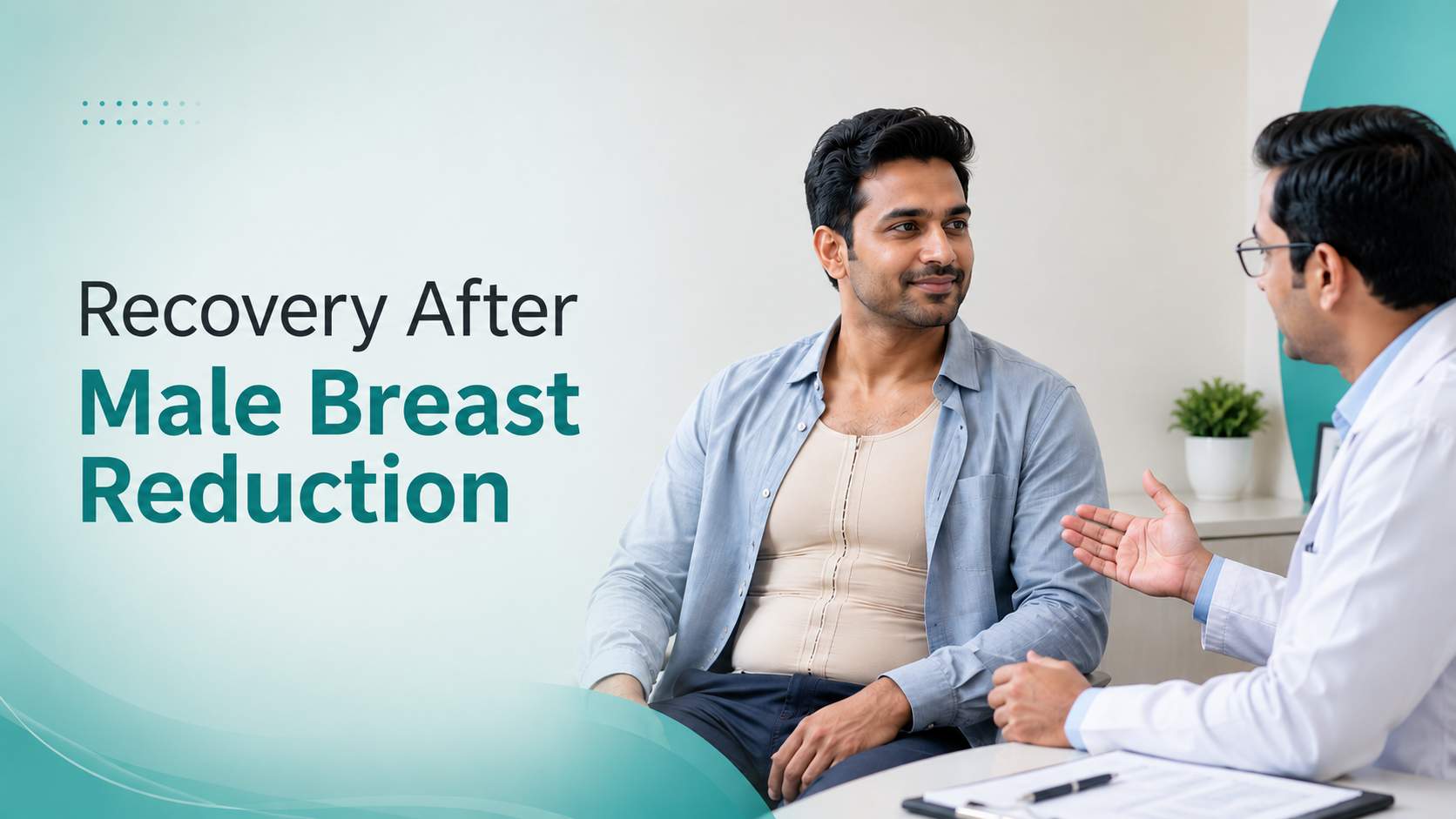
Recovery after male breast reduction is an important stage that directly affects comfort, healing, and final chest contour results. Many patients focus mainly on the surgery itself, but the recovery process plays a major role in achieving a smooth and natural-looking outcome. Understanding recovery after male breast reduction helps patients prepare physically and mentally for the healing period.
Men considering gynecomastia correction often want to know how long swelling lasts, when they can return to work, and how to support proper healing. In Thrissur, many individuals search for reliable information about recovery after male breast reduction before scheduling treatment. Proper post-surgical care, healthy lifestyle habits, and following medical instructions can significantly improve the overall experience.
This guide explains recovery stages, expected symptoms, healing timelines, activity restrictions, scar care, and useful recovery tips after male breast reduction surgery.
Understanding Recovery After Male Breast Reduction
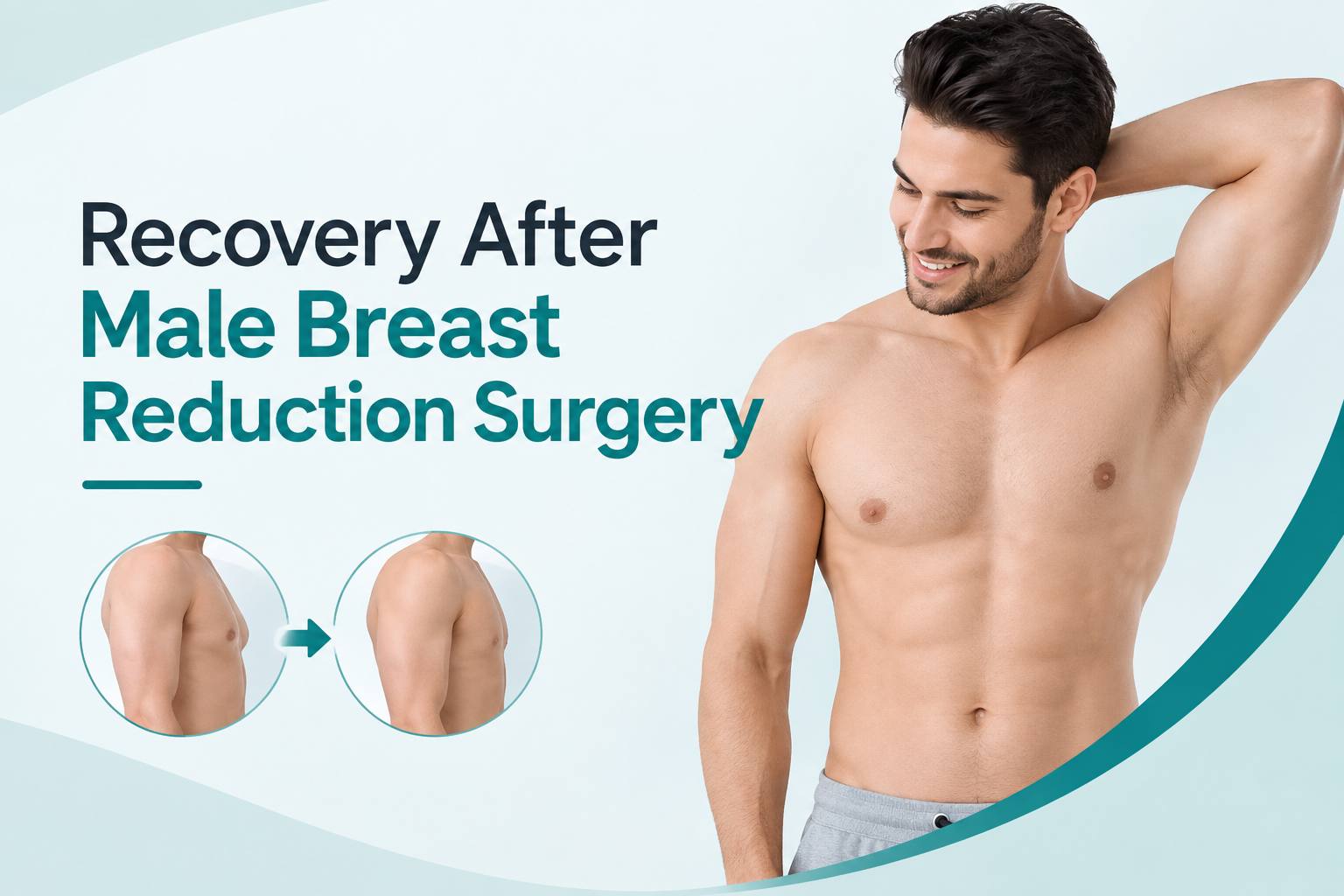
Recovery after male breast reduction refers to the healing period following surgery to remove excess chest fat and gland tissue. During this time, the body gradually adapts to the new chest contour while swelling and bruising slowly improve.
The healing process varies depending on:
- Surgical technique used
- Amount of tissue removed
- Skin elasticity
- Overall health condition
- Lifestyle habits
- Post-operative care
Most patients experience mild discomfort, temporary swelling, and tightness during the early healing phase. These changes are generally expected during recovery after male breast reduction.
Why Recovery Care Is Important
Proper recovery care supports:
- Reduced swelling
- Better scar healing
- Improved chest contour
- Faster return to normal activity
- Lower risk of complications
- Long-lasting results
Ignoring recovery instructions may delay healing or affect final surgical outcomes. Following the recommended recovery plan is essential for safe healing after male breast reduction surgery.
Common Symptoms During Recovery After Male Breast Reduction
Several temporary symptoms are common during healing.
Swelling
Swelling is one of the most common experiences during recovery after male breast reduction. The chest may appear puffy for several weeks before settling gradually.
Bruising
Mild bruising usually improves within the first few weeks after surgery.
Tightness
Patients often feel chest tightness due to tissue adjustment and healing.
Mild Pain or Discomfort
Temporary soreness is common during early recovery after male breast reduction and usually becomes manageable within days.
Numbness
Temporary numbness around the chest or nipple area may occur during healing.
Recovery Timeline After Male Breast Reduction
Healing occurs in stages. Every patient heals differently, but general recovery patterns are common.
First Few Days
The initial days after surgery usually involve:
- Swelling
- Mild discomfort
- Compression garment use
- Limited movement
- Rest and hydration
Patients are often encouraged to walk gently to support circulation.
First Week
During the first week of recovery after male breast reduction:
- Bruising may become more visible
- Swelling continues
- Chest tightness remains common
- Daily activities stay limited
Most individuals avoid strenuous activity during this stage.
Two to Four Weeks
This stage usually includes:
- Gradual reduction in swelling
- Improved comfort
- Return to desk work
- Better mobility
- Continued compression garment use
Many patients notice visible chest improvement during this phase.
One to Three Months
Recovery after male breast reduction continues with:
- Better chest definition
- Reduced swelling
- Scar improvement
- Increased physical activity
- More natural chest contour
Several Months Later
Final results become more visible as tissues settle completely.
Compression Garments During Recovery After Male Breast Reduction
Compression garments are commonly recommended after surgery. These garments help:
- Reduce swelling
- Support chest tissues
- Improve contour shaping
- Minimize fluid accumulation
- Support comfortable healing
Patients are usually advised to wear compression garments consistently during early recovery after male breast reduction.
Activity Restrictions During Recovery
Physical activity restrictions are important during healing.
Avoid Heavy Exercise
Heavy lifting and intense workouts should be avoided during the initial recovery period.
Gentle Walking
Light walking helps improve circulation and supports recovery after male breast reduction.
Gradual Return to Exercise
Patients usually return to exercise gradually after receiving medical guidance.
Sleeping Position After Male Breast Reduction
Sleeping position can affect comfort and swelling.
Patients are often advised to:
- Sleep on the back
- Keep the upper body slightly elevated
- Avoid sleeping on the chest
- Use supportive pillows
These adjustments may help improve recovery after male breast reduction.
Diet Tips for Better Healing
Healthy nutrition supports tissue repair and recovery.
Recommended Habits
- Drink enough water
- Eat protein-rich foods
- Include fruits and vegetables
- Reduce processed foods
- Avoid smoking
- Limit alcohol intake
Good nutrition helps support smoother recovery after male breast reduction.
Scar Care During Recovery
Small scars are common after surgery, but proper care may improve healing.
Helpful Scar Care Tips
- Keep incision areas clean
- Avoid direct sun exposure
- Follow medical instructions
- Avoid picking healing skin
- Stay hydrated
Scars generally fade gradually over time.
Emotional Recovery After Male Breast Reduction
Physical healing is only one part of recovery. Emotional adjustment is also important.
Many patients experience:
- Improved confidence
- Better comfort in clothing
- Reduced self-consciousness
- Greater body confidence
However, temporary swelling during early recovery after male breast reduction may initially affect expectations. Patience is important while healing progresses.
Factors That Affect Recovery After Male Breast Reduction
Several factors influence healing speed and results.
Age
Younger patients may experience faster healing.
Skin Elasticity
Good skin elasticity may support smoother chest contour adaptation.
Smoking
Smoking may delay recovery after male breast reduction.
Overall Health
Healthy individuals often heal more efficiently.
Following Instructions
Patients who follow recovery guidance carefully usually experience smoother healing.
When to Contact a Medical Professional
Patients should seek medical advice if they notice:
- Excessive swelling
- Severe pain
- Fever
- Unusual drainage
- Significant redness
- Breathing difficulty
Early attention may help reduce complications during recovery after male breast reduction.
Tips for Faster Recovery After Male Breast Reduction
Follow Post-Operative Instructions
Medical advice should always be followed carefully.
Wear Compression Garments Properly
Consistent use may support swelling control.
Stay Hydrated
Water supports healing and circulation.
Avoid Smoking
Smoking can slow tissue repair.
Get Enough Rest
Proper rest supports body recovery.
Attend Follow-Up Visits
Regular checkups help monitor healing progress.
Benefits of Proper Recovery Care
Good recovery habits may help patients achieve:
- Better chest contour
- Lower swelling
- Faster healing
- Improved comfort
- Better confidence
- Long-lasting surgical results
Recovery after male breast reduction is a gradual process, and proper care often improves the overall experience.
Long-Term Expectations After Recovery
Once healing is complete, patients may notice:
- Flatter chest appearance
- Improved chest contour
- Better clothing fit
- Increased body confidence
- More comfort during physical activity
Maintaining stable weight and healthy lifestyle habits can help support long-lasting results after male breast reduction surgery.
Conclusion
Recovery after male breast reduction requires patience, proper care, and healthy lifestyle habits. While swelling, bruising, and temporary discomfort are common during healing, most patients gradually notice improved chest contour and increased confidence over time. Following post-operative instructions, wearing compression garments, eating nutritious foods, and allowing the body enough rest all support smoother healing and better long-term outcomes.
Learning about recovery after male breast reduction before surgery helps patients set realistic expectations and prepare for the healing process more confidently. Additional educational information about gynecomastia and male chest reduction can also be explored through trusted medical resources such as the American Society of Plastic Surgeons.
Frequently Asked Questions
1. How long does recovery after male breast reduction take?
Most patients recover gradually within several weeks, although complete healing and final contour settling may take a few months.
2. Is swelling normal during recovery after male breast reduction?
Yes, mild to moderate swelling is common during the early healing period and usually improves gradually over time.
3. When can I return to work after male breast reduction surgery?
Many patients return to light desk work within one to two weeks depending on comfort and recovery progress.
4. Are compression garments necessary after surgery?
Yes, compression garments help reduce swelling, support healing tissues, and improve chest contour during recovery.
5. Can I exercise during recovery after male breast reduction?
Light walking is usually encouraged, but strenuous workouts and heavy lifting should be avoided during early healing.
6. Will there be scars after male breast reduction surgery?
Small scars may occur after surgery, but they generally fade gradually with proper healing and scar care.
7. Is chest tightness normal after surgery?
Yes, temporary chest tightness and mild discomfort are common during recovery after male breast reduction.
8. How can I support faster healing after surgery?
Proper rest, hydration, healthy nutrition, and following medical instructions may support smoother recovery.
9. When will final results become visible?
Final chest contour improvements often become more noticeable after swelling fully reduces over several months.
10. Can male breast enlargement return after surgery?
Recurrence is uncommon, but maintaining stable weight and healthy lifestyle habits may help preserve long-term results.

Dr Prince
Consultant Plastic & Cosmetic Surgeon
Dr Prince is a Consultant Plastic and Reconstructive Surgeon at the Sushrutha Institute of Plastic Surgery, Elite Mission Hospital, Thrissur. He specializes in aesthetic and reconstructive procedures performed in a fully equipped hospital environment with strict safety protocols.
His expertise includes liposuction, rhinoplasty, gynecomastia correction, tummy tuck, breast surgery, and advanced facial aesthetic procedures, with a focus on safe techniques and natural-looking results.
Sushrutha Institute of Plastic Surgery, Elite Mission Hospital, Thrissur, Kerala