What are the risks of breast implant surgery? For individuals considering breast implant surgery in Kerala, understanding the possible risks and complications is an important part of making an informed decision. While breast implant procedures are commonly performed worldwide and generally considered safe when done by qualified professionals, every surgical procedure carries some level of risk. Being aware of these risks helps patients prepare mentally, follow safety instructions carefully, and set realistic expectations about outcomes and recovery.
Breast implant surgery involves placing an implant beneath the breast tissue or chest muscle to enhance or restore breast shape and volume. The procedure can be performed for cosmetic or reconstructive reasons. Although advances in medical technology and surgical techniques have improved safety standards, it is still essential to understand both short-term and long-term considerations before proceeding.
1. Common Short-Term Surgical Risks
Short-term risks are those that may occur immediately after surgery or during the early recovery period.
Infection
Infection is a possible complication after any surgical procedure. Signs may include redness, swelling, warmth, pain, or fever. Early detection and timely treatment with medications or additional care can help manage this risk.
Bleeding And Hematoma
Some patients may experience bleeding under the skin, leading to a collection of blood known as a hematoma. This can cause swelling and discomfort and may require medical attention or additional procedures in certain cases.
Swelling And Bruising
Temporary swelling and bruising around the surgical area are common after breast implant surgery. These usually improve gradually as healing progresses.
Pain And Discomfort
Mild to moderate pain or tightness in the chest area is expected during the initial recovery phase. Pain management strategies are typically recommended to help improve comfort.
2. Risks Related To Anesthesia
Breast implant surgery is usually performed under general anesthesia or sedation. While anesthesia is generally safe when administered by trained professionals, some risks may still occur.
Allergic Reactions
Rare allergic reactions to anesthesia medications can happen. Preoperative evaluation helps identify potential sensitivities.
Breathing Difficulties
Temporary breathing issues may occur in some individuals during or after anesthesia, especially in those with underlying respiratory conditions.
Nausea And Dizziness
Post-anesthesia nausea, vomiting, or dizziness may occur but usually resolves within a short period.
3. Implant-Related Complications
Certain risks are specifically associated with the presence of breast implants.
Capsular Contracture
After implant placement, the body naturally forms a layer of scar tissue around the implant. In some cases, this capsule can tighten and harden, causing discomfort, changes in breast shape, or firmness.
Implant Rupture Or Leakage
Although modern implants are designed for durability, rupture can still occur over time. Saline implant ruptures usually lead to visible deflation, while silicone implant ruptures may be less noticeable and require imaging for detection.
Implant Shifting Or Malposition
In some cases, implants may move from their original position, leading to asymmetry or changes in appearance. This may require corrective procedures.
4. Changes In Sensation
Some patients may experience changes in nipple or breast sensation after surgery.
Temporary Sensory Changes
Numbness or increased sensitivity can occur due to nerve irritation during surgery. These changes often improve over time.
Permanent Sensory Changes
In rare cases, altered sensation may persist long term. The extent varies depending on individual healing and surgical technique.
5. Scarring Concerns
All surgical procedures involve some degree of scarring.
Visible Scars
Incisions are typically placed in areas that allow scars to be less noticeable. However, individual healing responses differ, and scars may appear more prominent in some patients.
Scar Thickening
Some individuals may develop thick or raised scars. Proper wound care and follow-up monitoring can help manage this risk.
6. Long-Term Maintenance Considerations
Breast implants are not lifetime devices and may require future monitoring or replacement.
Implant Longevity
Implants may last many years, but they are not permanent. Over time, changes in breast tissue, aging, or implant wear may necessitate additional procedures.
Regular Monitoring
Periodic clinical check-ups and imaging studies may be recommended to assess implant condition and surrounding tissue health.
7. Aesthetic Outcome Risks
While many patients achieve satisfactory results, aesthetic outcomes may vary.
Asymmetry
Minor differences between breasts may become noticeable after surgery. Complete symmetry is difficult to guarantee.
Dissatisfaction With Appearance
Some individuals may feel that the final result does not fully match their expectations. Preoperative discussions and realistic goal-setting can help reduce this risk.
8. Delayed Healing And Recovery Issues
Healing time varies from person to person and may be influenced by lifestyle factors and overall health.
Slow Wound Healing
Certain conditions, such as smoking or poor nutrition, can slow down the healing process.
Prolonged Swelling
In some cases, swelling may persist longer than expected, requiring extended recovery time.
9. Emotional And Psychological Considerations
Breast implant surgery can also have emotional and psychological effects.
Adjustment Period
Some patients may need time to adjust to physical changes and new body image.
Emotional Expectations
Setting realistic expectations before surgery helps reduce the likelihood of emotional dissatisfaction after the procedure.
10. Importance Of Preoperative Assessment
A thorough medical evaluation before surgery plays a key role in minimizing risks.
Medical History Review
Providing complete medical information allows healthcare professionals to identify potential risk factors.
Physical Examination
Detailed physical assessments help determine suitability for surgery and implant selection.
Personalized Surgical Planning
Customized treatment planning improves safety and helps align outcomes with individual goals.
11. Postoperative Care And Risk Reduction
Following postoperative instructions is essential for reducing complications.
Activity Restrictions
Avoiding heavy lifting and strenuous activities during early recovery supports proper healing.
Wound Care
Keeping incision areas clean and dry helps prevent infection.
Follow-Up Appointments
Regular follow-up visits allow early detection and management of any complications.
12. Understanding Individual Risk Factors
Every patient has unique health characteristics that influence surgical outcomes.
Age And Skin Quality
Skin elasticity and age can affect healing and aesthetic results.
Lifestyle Habits
Smoking, alcohol use, and physical activity levels can influence recovery and complication risk.
Overall Health Status
Pre-existing medical conditions may increase the likelihood of certain complications and should be carefully evaluated.
Final Overview
Understanding the risks of breast implant surgery helps individuals make informed and balanced decisions. While many patients undergo the procedure without major complications, awareness of possible short-term and long-term risks supports better preparation and realistic expectations. For individuals considering breast implant surgery in Kerala, discussing personal health factors, surgical goals, and safety measures with a qualified medical professional is an important step toward achieving a safe and satisfactory outcome.
Table Of Content
A breast implant is a medical device placed under breast tissue or muscle to enhance breast size, shape, or symmetry. Learn more
Good candidates are individuals in stable health with realistic expectations who desire breast augmentation or reconstruction. Learn more
The cost varies based on implant type, surgical technique, facility standards, and postoperative care requirements. Learn more
The consultation includes medical history review, physical examination, implant selection discussion, and explanation of outcomes and risks. Learn more
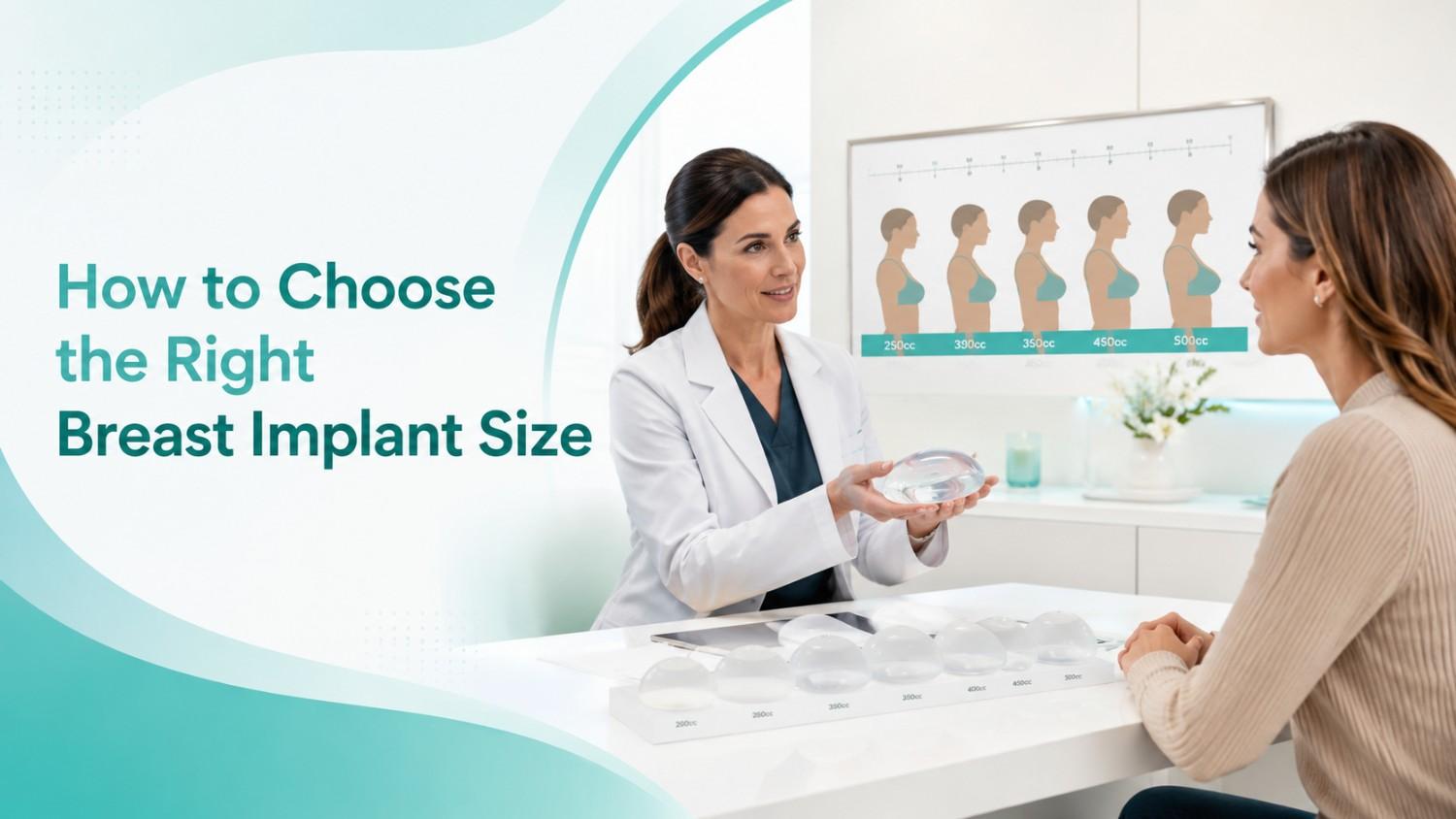
You should ask about implant types, placement options, recovery time, longevity, risks, and future revision needs. Learn more
Preparation involves preoperative tests, medication adjustments, lifestyle changes, and planning for recovery support. Learn more
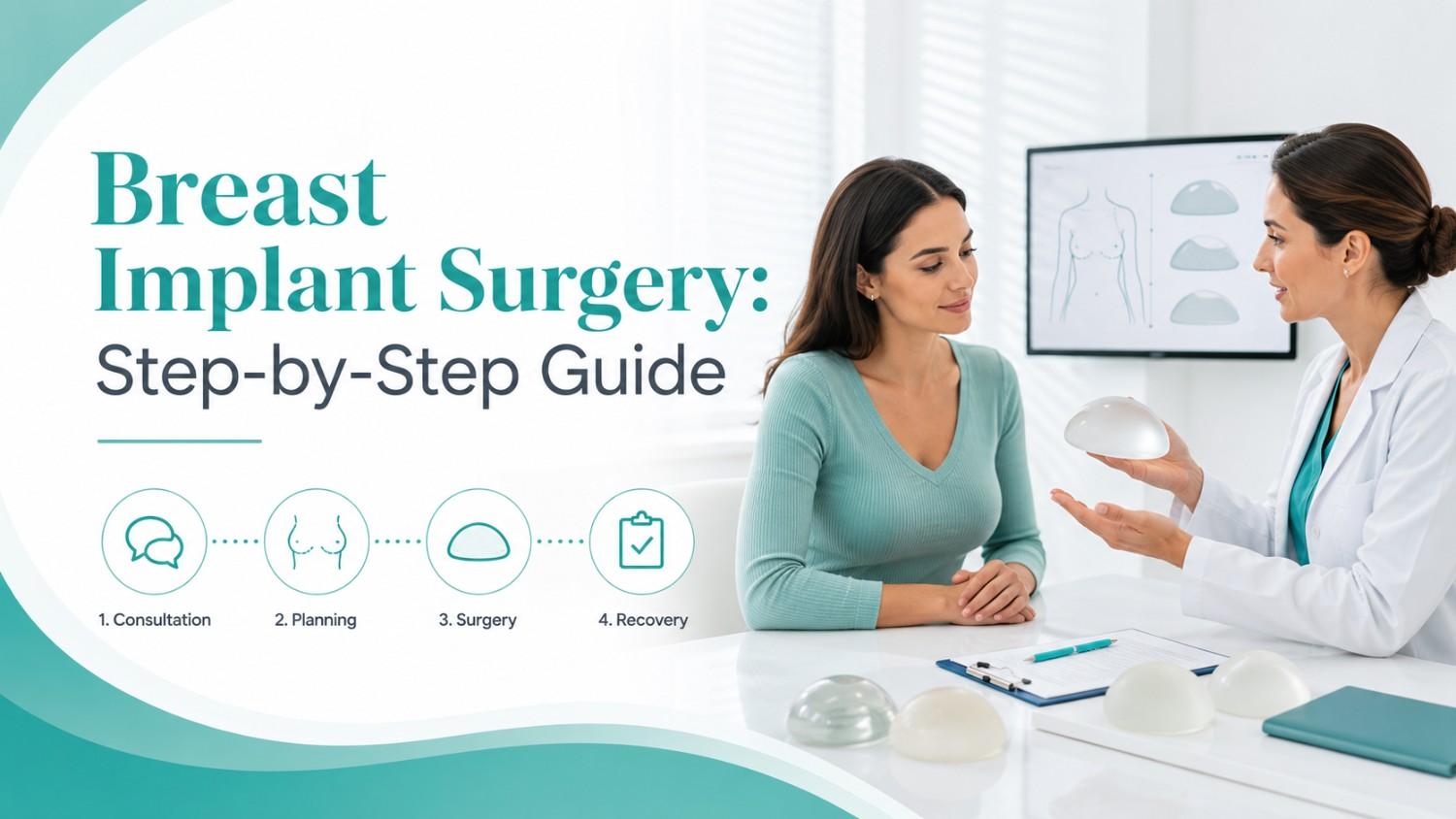
The procedure includes anesthesia, incision placement, implant insertion, positioning, and surgical closure. Learn more
Recovery typically includes temporary swelling, activity restrictions, gradual return to normal movement, and follow-up visits. Learn more
Before-and-after results often show improved breast volume, contour, symmetry, and overall body proportion. Learn more
Choosing the right surgeon involves reviewing credentials, experience in breast procedures, patient communication, and safety standards. Learn more
Frequently Asked Questions
1. Are the risks of breast implant surgery common?
Most patients experience mild and temporary side effects, while serious complications are less common when proper medical care and guidelines are followed.
2. Can breast implant surgery cause long-term complications?
Some long-term issues such as implant wear, capsular contracture, or changes in breast tissue may occur and require monitoring.
3. Is infection a possible risk after breast implant surgery?
Yes, infection can occur after surgery, but it is usually manageable with early treatment and proper wound care.
4. Can breast implants rupture over time?
Yes, implants may rupture or leak over many years, which is why regular follow-up and monitoring are recommended.
5. Will breast implant surgery affect breast sensation?
Temporary changes in sensation may occur, and in rare cases, long-term changes can happen depending on individual healing and surgical technique.
6. Is scarring unavoidable after breast implant surgery?
Some scarring is expected with any surgery, but incision placement and proper care can help minimize visible scars.
7. How can I reduce the risks associated with breast implant surgery?
Following preoperative instructions, maintaining a healthy lifestyle, and attending follow-up appointments can help reduce risks.
8. Can implant position change after surgery?
In some cases, implants may shift slightly over time, which can affect appearance and may require correction.
9. Are emotional changes normal after breast implant surgery?
Yes, emotional adjustment is common as patients adapt to physical changes and recovery progress.
10. Do breast implants require regular check-ups?
Yes, regular follow-up visits help monitor implant condition and overall breast health.