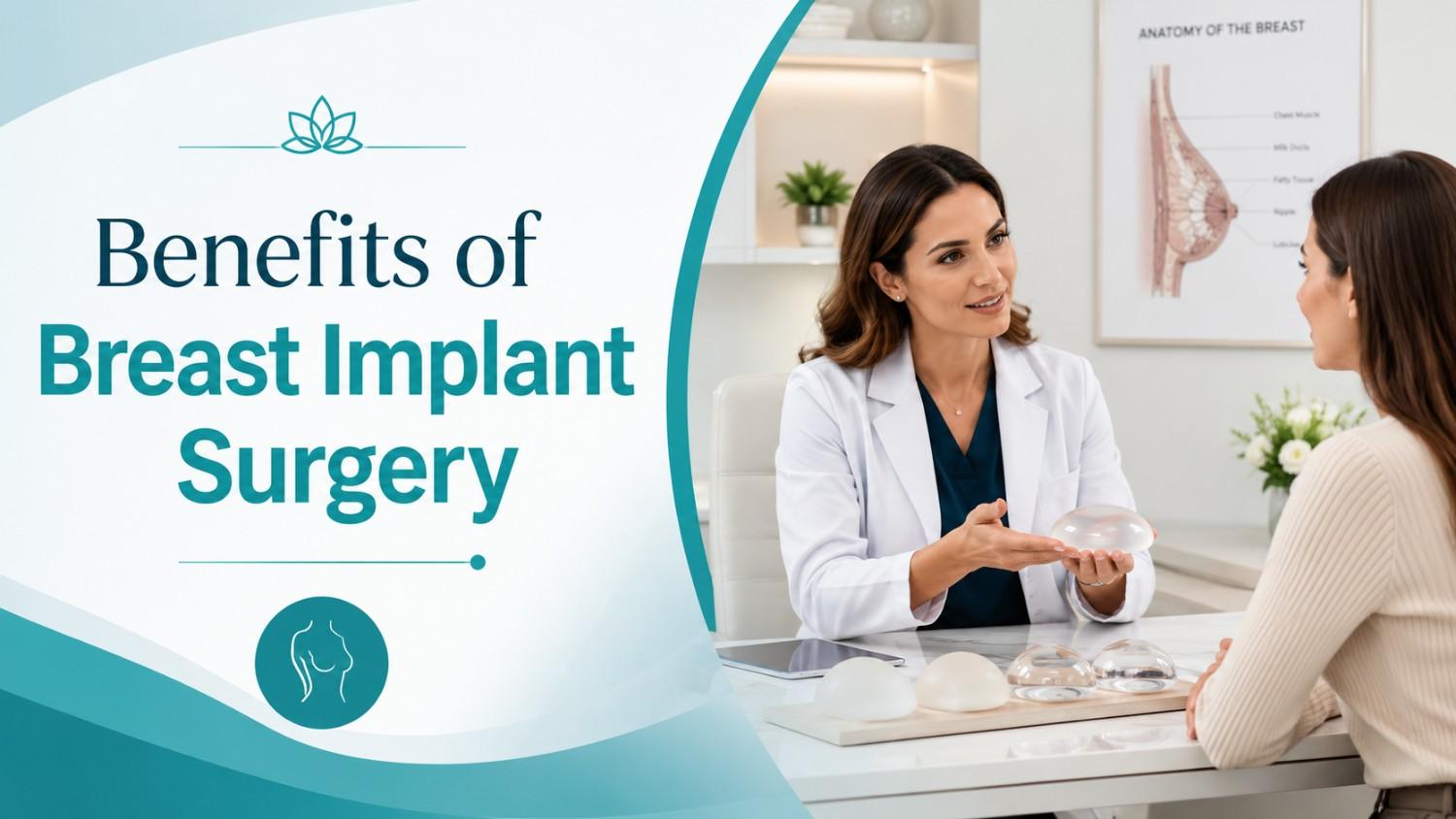
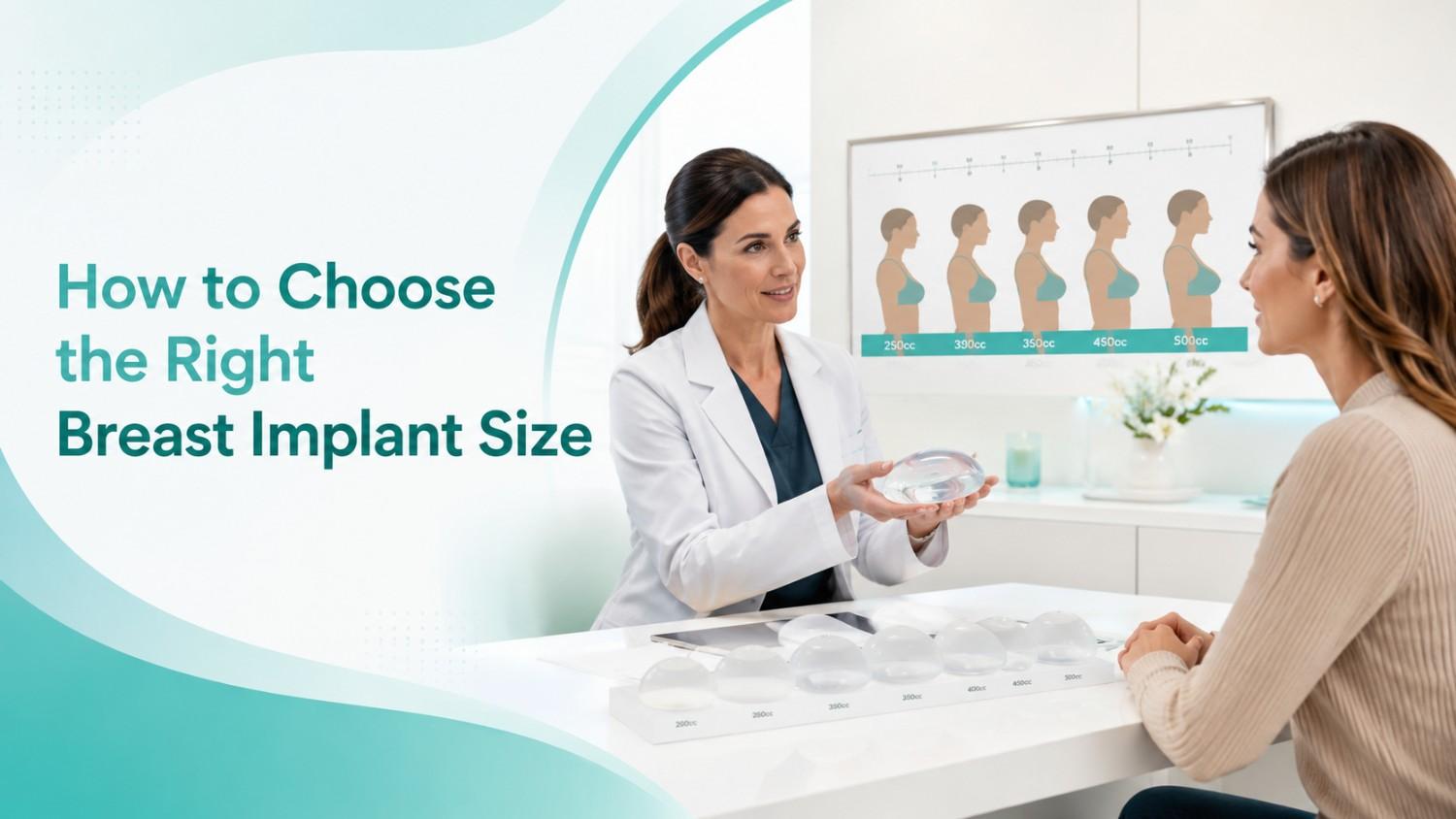
What is a breast implant? A breast implant is a medical device designed to enhance, restore, or reconstruct breast shape and volume. For individuals exploring breast-related procedures in Kerala, understanding what a breast implant is, how it works, and why it is used can help support informed and confident decision-making. Breast implants have been used worldwide for several decades in both cosmetic and reconstructive medicine, and their design and safety standards have evolved significantly over time.
Breast implants are not medications or fillers; they are surgically placed devices intended to alter the size, contour, or symmetry of the breasts. They are commonly used for aesthetic breast enhancement, correction of asymmetry, and breast reconstruction after medical conditions or surgery.

Understanding Breast Implants
A breast implant is a soft, flexible prosthesis placed inside the breast tissue or beneath the chest muscle during a surgical procedure. Its primary purpose is to increase breast volume, improve shape, or restore lost breast tissue.
Breast implants come in various sizes, shapes, surface textures, and materials, allowing the procedure to be customized to an individual’s body structure and goals. The selection of an implant depends on several factors, including anatomy, desired outcome, and medical considerations.
Types of Breast Implants
Breast implants are broadly categorized based on the material used to fill them. Each type has specific characteristics that influence feel, appearance, and behavior within the body.
Silicone Breast Implants
Silicone breast implants are filled with a cohesive silicone gel that closely mimics the natural feel of breast tissue. They are widely used due to their smooth texture and natural appearance. Modern silicone implants are designed to maintain their shape even if the outer shell is damaged.
Saline Breast Implants
Saline implants are filled with sterile saltwater solution. They are inserted empty and filled during surgery, allowing for smaller incisions. If a saline implant leaks, the body safely absorbs the saline, and the implant visibly deflates.
Shapes and Profiles of Breast Implants
Breast implants are also categorized by shape and profile, which influence how the breasts appear after surgery.
Round Implants
Round implants are designed to provide fullness, especially in the upper portion of the breast. They tend to create a more prominent and lifted appearance.
Anatomical (Teardrop) Implants
Anatomical implants are shaped to resemble the natural slope of the breast, with more volume at the bottom and a gentle taper toward the top. They are often chosen when a more natural contour is desired.
Implant Profile
The profile refers to how far the implant projects forward from the chest wall. Options range from low to high profile, affecting the final breast projection without changing the implant volume.
Common Uses of Breast Implants
Breast implants are used for both cosmetic and reconstructive purposes. Their application depends on individual needs rather than a single standard indication.
Cosmetic Breast Enhancement
Many individuals choose breast implants to increase breast size, improve shape, or achieve better proportion with their body frame.
Correction of Asymmetry
Breast implants can help correct uneven breast size or shape, providing improved balance and symmetry.
Breast Reconstruction
After medical procedures that affect breast tissue, implants may be used to restore breast volume and appearance as part of reconstructive care.
Placement of Breast Implants
Breast implants can be placed in different anatomical positions, each with distinct considerations.
Subglandular Placement
The implant is placed behind the breast tissue but above the chest muscle. This may offer quicker recovery but may not be suitable for all body types.
Submuscular Placement
The implant is placed partially or fully beneath the chest muscle. This placement may provide a more natural contour and is often preferred in individuals with limited natural breast tissue.
The Breast Implant Procedure Overview
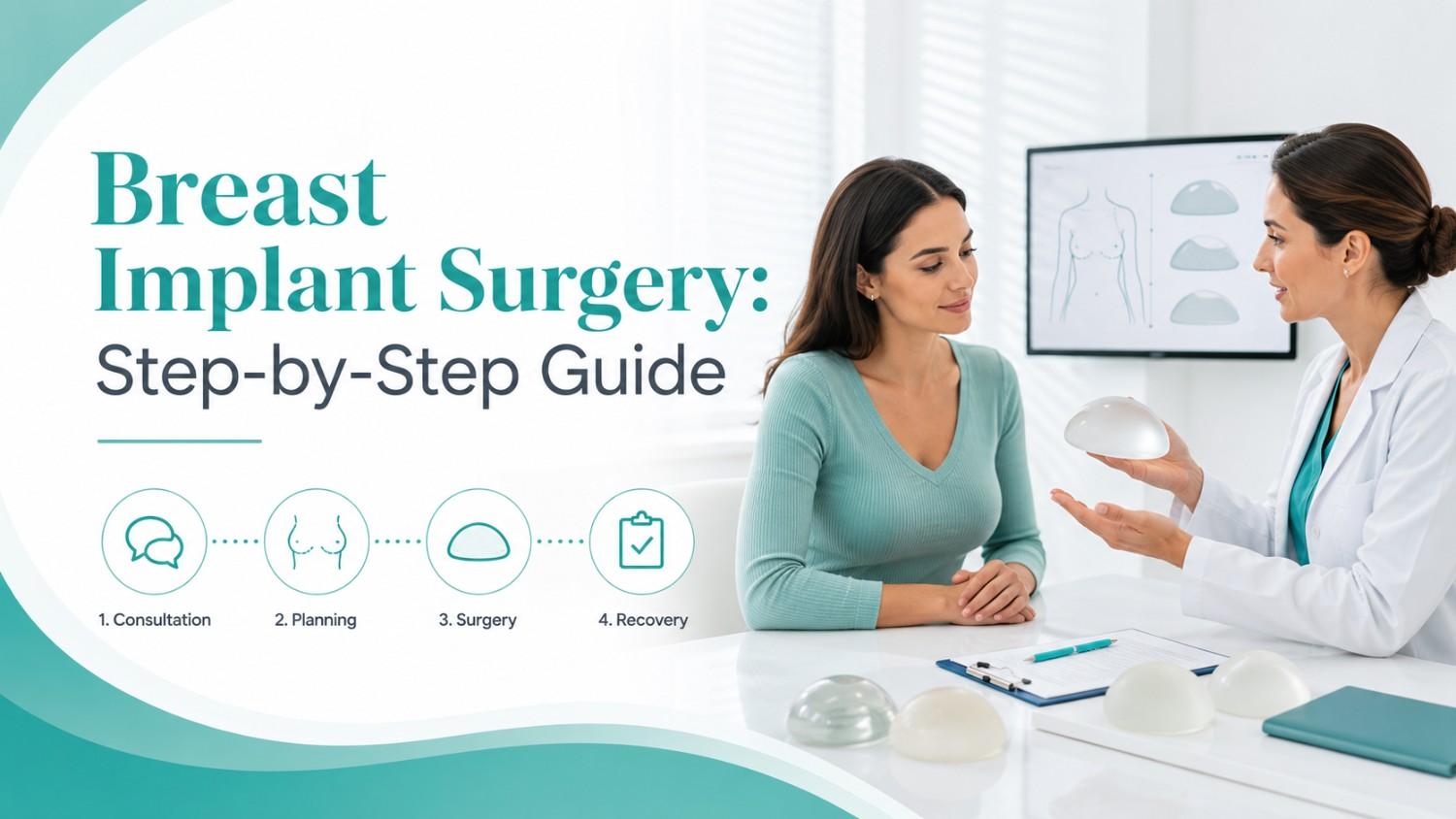
Breast implant placement is a surgical procedure performed under anesthesia. The process generally involves creating a small incision, preparing a pocket for the implant, inserting the implant, and closing the incision carefully.
The procedure is tailored to each individual, and surgical planning focuses on safety, symmetry, and long-term outcomes rather than size alone.
Safety and Regulation of Breast Implants
Breast implants are regulated medical devices that undergo extensive testing before approval. Modern implants are designed with durable outer shells and advanced filling materials to improve safety and longevity.
While breast implants are considered safe for many individuals, they are not lifetime devices. Regular medical follow-up is important to monitor implant condition over time.
Longevity of Breast Implants
Breast implants do not have a fixed expiration date, but they may need replacement or revision over time due to natural changes in the body or implant wear. Some individuals keep the same implants for many years without issues, while others may require additional procedures later.
Considerations Before Choosing Breast Implants
Choosing breast implants involves understanding both benefits and limitations. Factors such as body anatomy, lifestyle, future plans, and personal expectations all play a role in decision-making.
A clear understanding of what breast implants can and cannot achieve helps ensure realistic expectations and long-term satisfaction.
Breast Implants and Body Changes Over Time
Natural aging, weight changes, and hormonal factors can affect breast appearance even after implant placement. Implants enhance breast volume but do not stop natural changes in skin elasticity or tissue firmness.
Psychological and Emotional Considerations
For many individuals, breast implants are associated with improved body confidence. However, emotional readiness and realistic expectations are just as important as physical suitability.
Making an Informed Decision
Understanding what a breast implant is involves more than knowing its size or shape. It includes awareness of surgical planning, long-term care, and personal goals. For individuals considering breast implants in Kerala, gathering accurate, neutral information supports thoughtful and informed choices.
Final Thoughts on Breast Implants
A breast implant is a medical device used to enhance or restore breast shape and volume through a structured surgical approach. While breast implants are widely used and continually improved through medical innovation, they require careful consideration, proper planning, and ongoing awareness.
Understanding the purpose, types, and long-term aspects of breast implants helps individuals approach the decision with clarity and confidence, ensuring expectations align with achievable outcomes.
Frequently Asked Questions
1. What is a breast implant?
A breast implant is a medical device used to enhance, restore, or reconstruct breast shape and volume.
2. What are breast implants made of?
Breast implants are typically made with a silicone outer shell and filled with either silicone gel or saline solution.
3. Are there different types of breast implants?
Yes, breast implants vary based on filling material, shape, surface texture, and projection profile.
4. Where are breast implants placed in the body?
Breast implants can be placed either behind the breast tissue or beneath the chest muscle.
5. Can breast implants be used for reconstruction?
Yes, breast implants are commonly used in reconstructive procedures to restore breast volume and shape.
6. Do breast implants feel natural?
Modern breast implants are designed to closely resemble the look and feel of natural breast tissue.
7. Are breast implants permanent?
Breast implants are long-term devices but may require replacement or revision over time.
8. Does implant size affect overall appearance?
Yes, implant size plays a role in overall body proportion and final breast appearance.
9. Is follow-up needed after breast implant surgery?
Regular follow-up helps monitor implant condition and long-term breast health.
10. Who should consider learning about breast implants?
Anyone exploring breast enhancement or reconstruction can benefit from understanding breast implants.
Good candidates are individuals in stable health with realistic expectations who desire breast augmentation or reconstruction. Learn more
The cost varies based on implant type, surgical technique, facility standards, and postoperative care requirements. Learn more
The consultation includes medical history review, physical examination, implant selection discussion, and explanation of outcomes and risks. Learn more
You should ask about implant types, placement options, recovery time, longevity, risks, and future revision needs. Learn more
Risks may include infection, capsular contracture, implant rupture, scarring, asymmetry, or changes in sensation. Learn more
Preparation involves preoperative tests, medication adjustments, lifestyle changes, and planning for recovery support. Learn more
The procedure includes anesthesia, incision placement, implant insertion, positioning, and surgical closure. Learn more
Recovery typically includes temporary swelling, activity restrictions, gradual return to normal movement, and follow-up visits. Learn more
Before-and-after results often show improved breast volume, contour, symmetry, and overall body proportion. Learn more
Choosing the right surgeon involves reviewing credentials, experience in breast procedures, patient communication, and safety standards. Learn more