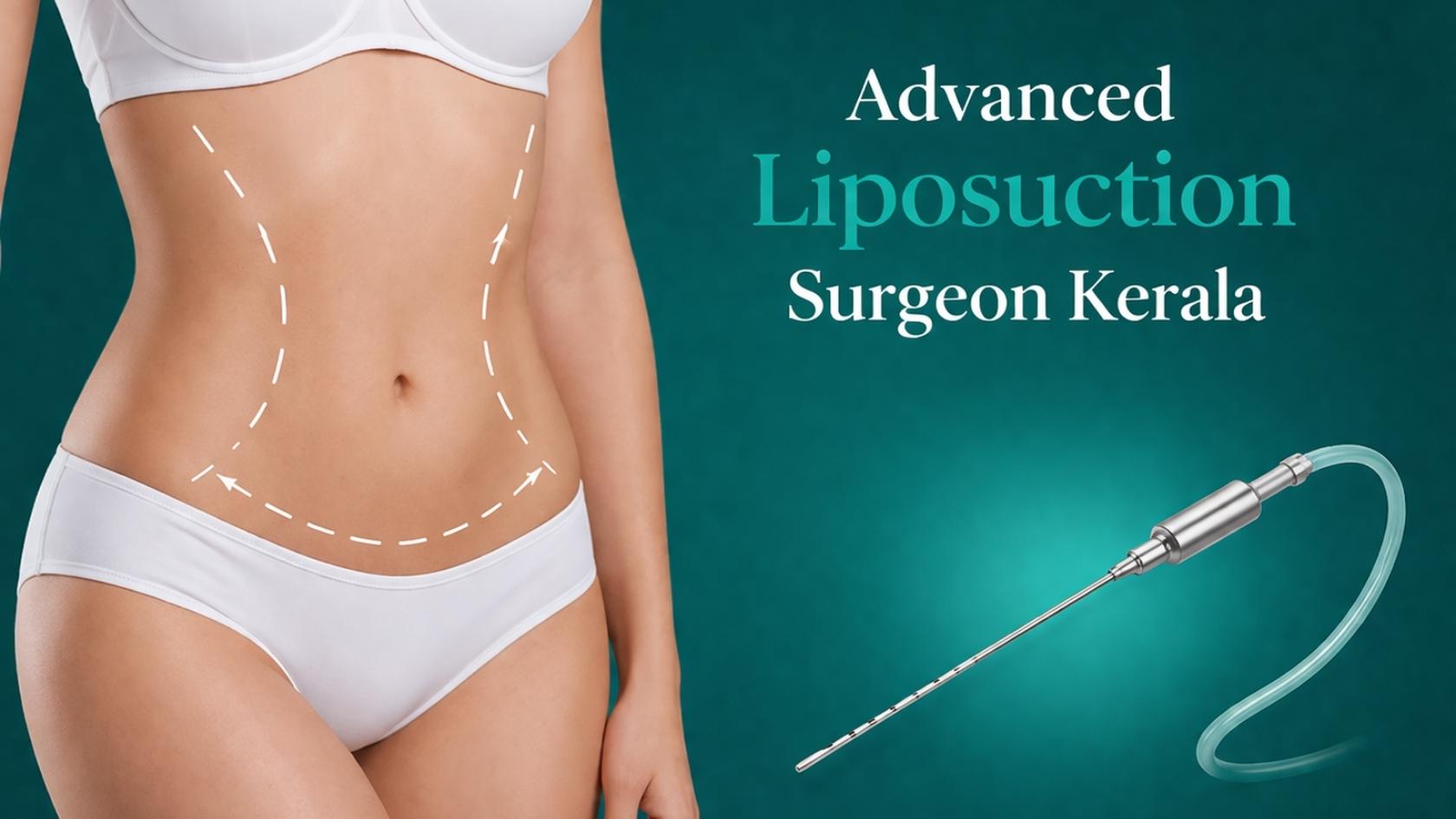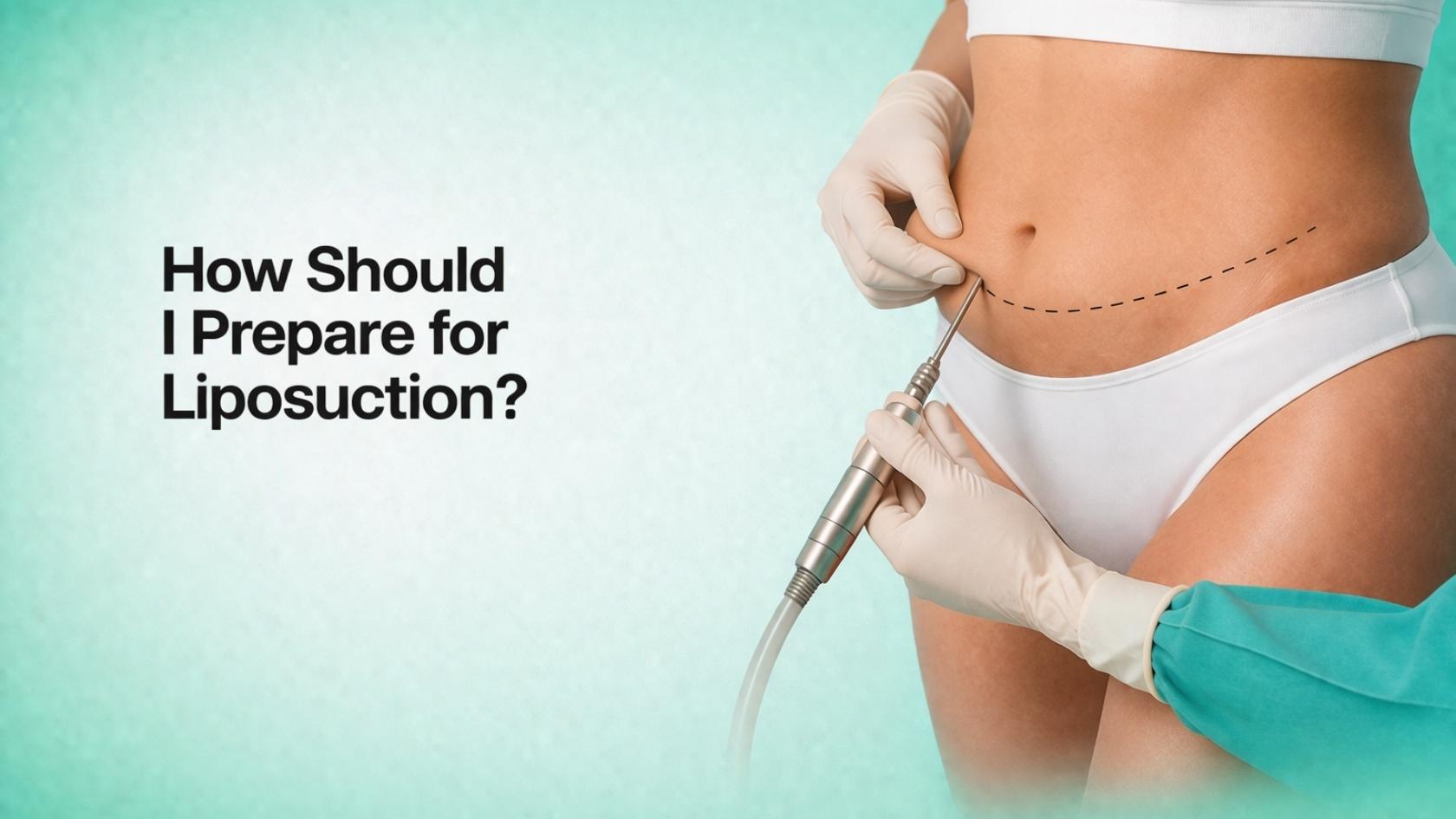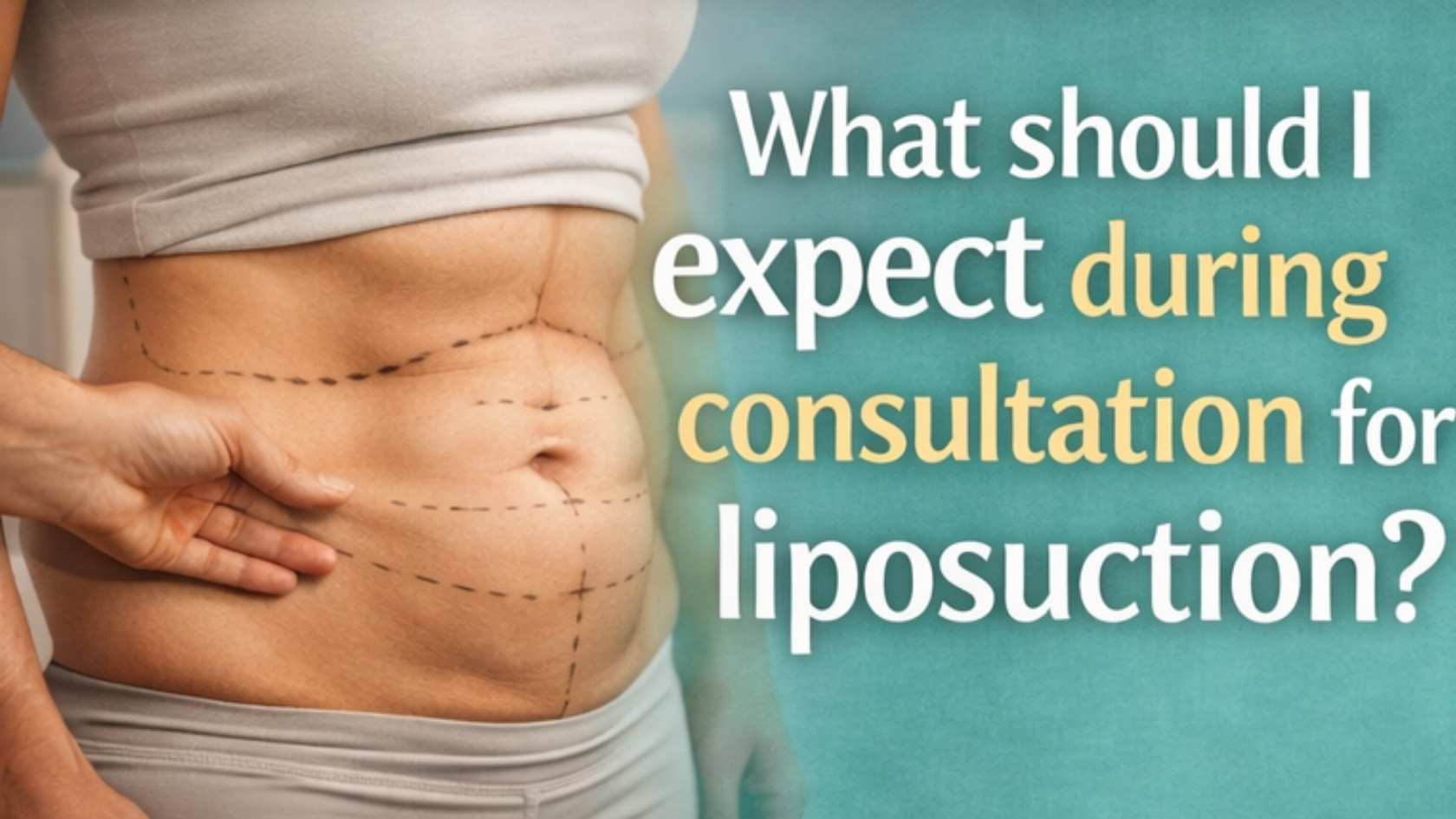
What Questions To Ask Plastic Surgeon About Liposuction? is one of the most important concerns many individuals have when considering this cosmetic procedure. Asking the right questions during a consultation helps patients clearly understand the treatment process, expected results, safety considerations, and recovery timeline. Liposuction is a surgical procedure designed to remove stubborn fat deposits and improve body contours, and a detailed discussion with a qualified surgeon helps ensure that the procedure is suitable for the patient’s needs and expectations. Individuals considering liposuction procedures in Kerala often begin with a consultation to evaluate their suitability and learn more about the surgical process.
Individuals exploring liposuction procedures in Kerala often begin with a detailed consultation to discuss concerns, evaluate suitability, and learn about the surgical process. Preparing a list of questions before meeting a plastic surgeon can help you gain clarity about safety, results, and recovery expectations.
Why Is It Important to Ask Questions Before Liposuction?
A consultation is an opportunity to understand every aspect of the procedure. Asking relevant questions allows patients to evaluate the surgeon’s approach, clarify expectations, and understand potential risks.
Important reasons to ask questions include:
Understanding whether liposuction is suitable for you
Learning about the surgical technique used
Knowing what results are realistically achievable
Understanding the recovery timeline
Preparing for possible risks and complications
Clear communication between the patient and surgeon plays a key role in achieving safe and satisfactory results.
Questions to Ask Your Plastic Surgeon About Liposuction
1. Am I a Good Candidate for Liposuction?
One of the first questions to ask is whether liposuction is the right treatment for your body concerns. The surgeon will evaluate several factors such as body weight, skin elasticity, and overall health.
People who are usually considered good candidates often have:
Localized fat deposits
Stable body weight
Good skin elasticity
Realistic expectations
This assessment helps determine whether liposuction can provide effective results.
2. Which Areas of My Body Can Be Treated?
Liposuction can be used to remove fat from different parts of the body. During consultation, patients should ask which areas can be treated safely.
Common treatment areas include:
Abdomen
Thighs
Hips
Arms
Back
Chin and neck
The surgeon will evaluate fat distribution and recommend the most suitable areas for treatment.
3. What Liposuction Technique Will Be Used?
There are several liposuction techniques available today. Asking about the surgical method helps patients understand how fat removal will be performed.
Common techniques include:
Tumescent liposuction
Ultrasound-assisted liposuction
Laser-assisted liposuction
Power-assisted liposuction
Each technique has specific benefits depending on the treatment area and patient needs.
4. What Results Can I Realistically Expect?
Understanding realistic results is important before undergoing any cosmetic procedure. Liposuction can improve body contours but may not dramatically change body weight.
The surgeon may discuss:
Expected contour improvement
Limitations of the procedure
Factors that influence results
Clear expectations help ensure satisfaction after the procedure.
5. How Much Fat Can Be Removed Safely?
Safety is a major concern in cosmetic surgery. Patients should ask how much fat can safely be removed during a single procedure.
The amount of fat removed depends on:
Patient’s health condition
Treatment areas
Surgical safety guidelines
Removing excessive fat may increase complications, so surgeons follow specific safety standards.
6. What Are the Risks and Possible Complications?
All surgical procedures carry some level of risk. It is important to understand potential complications before deciding to undergo liposuction.
Possible risks may include:
Swelling and bruising
Temporary numbness
Infection
Fluid accumulation
Irregular body contours
During consultation, the surgeon explains how these risks are minimized and managed.
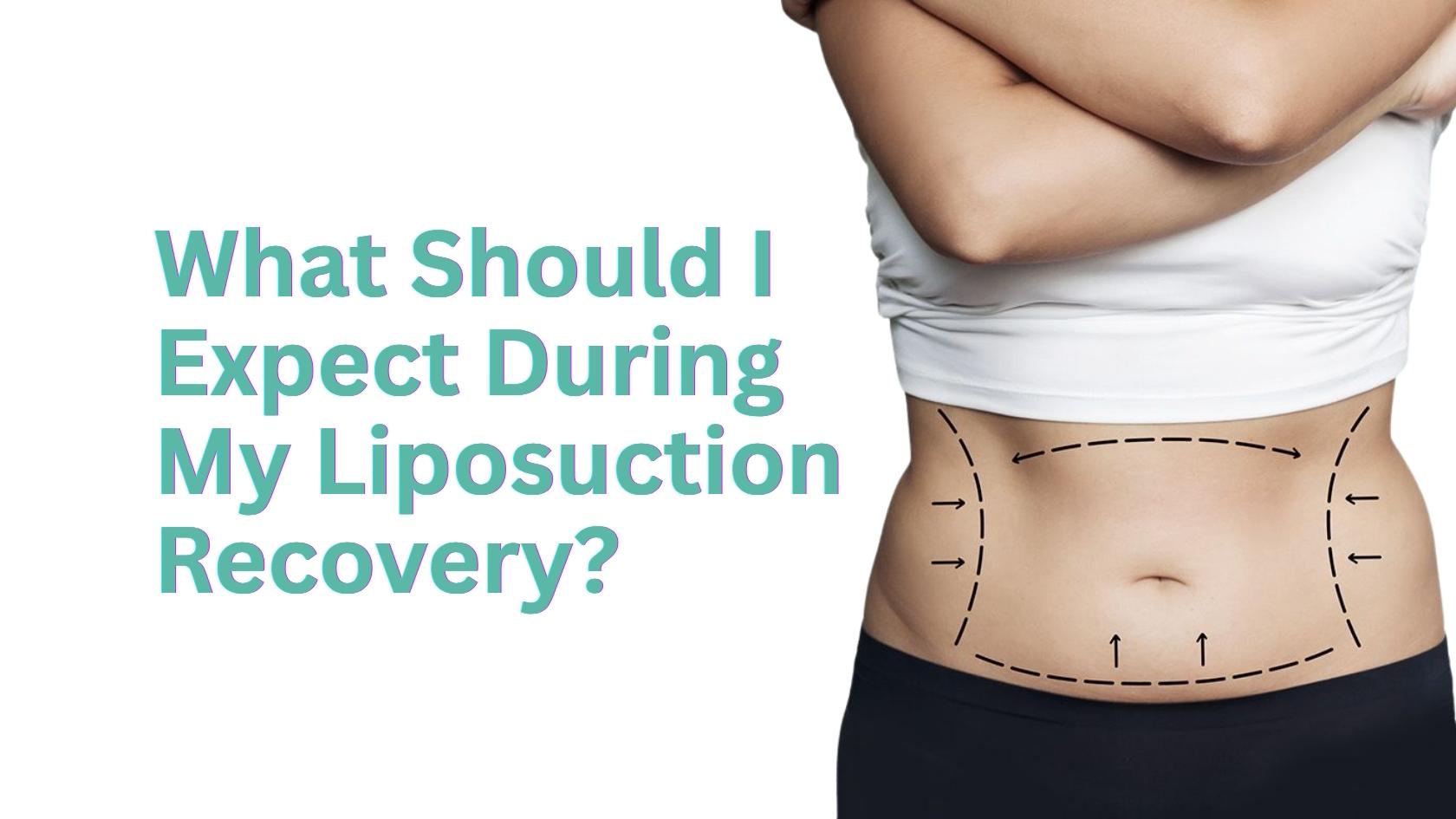
7. What Will the Recovery Process Be Like?
Recovery after liposuction varies depending on the extent of treatment and the areas involved. Asking about recovery helps patients prepare for the healing period.
Common recovery details include:
Swelling and mild discomfort for a few days
Wearing compression garments to reduce swelling
Limited physical activity during early recovery
Gradual return to normal activities
Most patients resume light activities within a few days, while full recovery may take several weeks.
8. Will There Be Visible Scars?
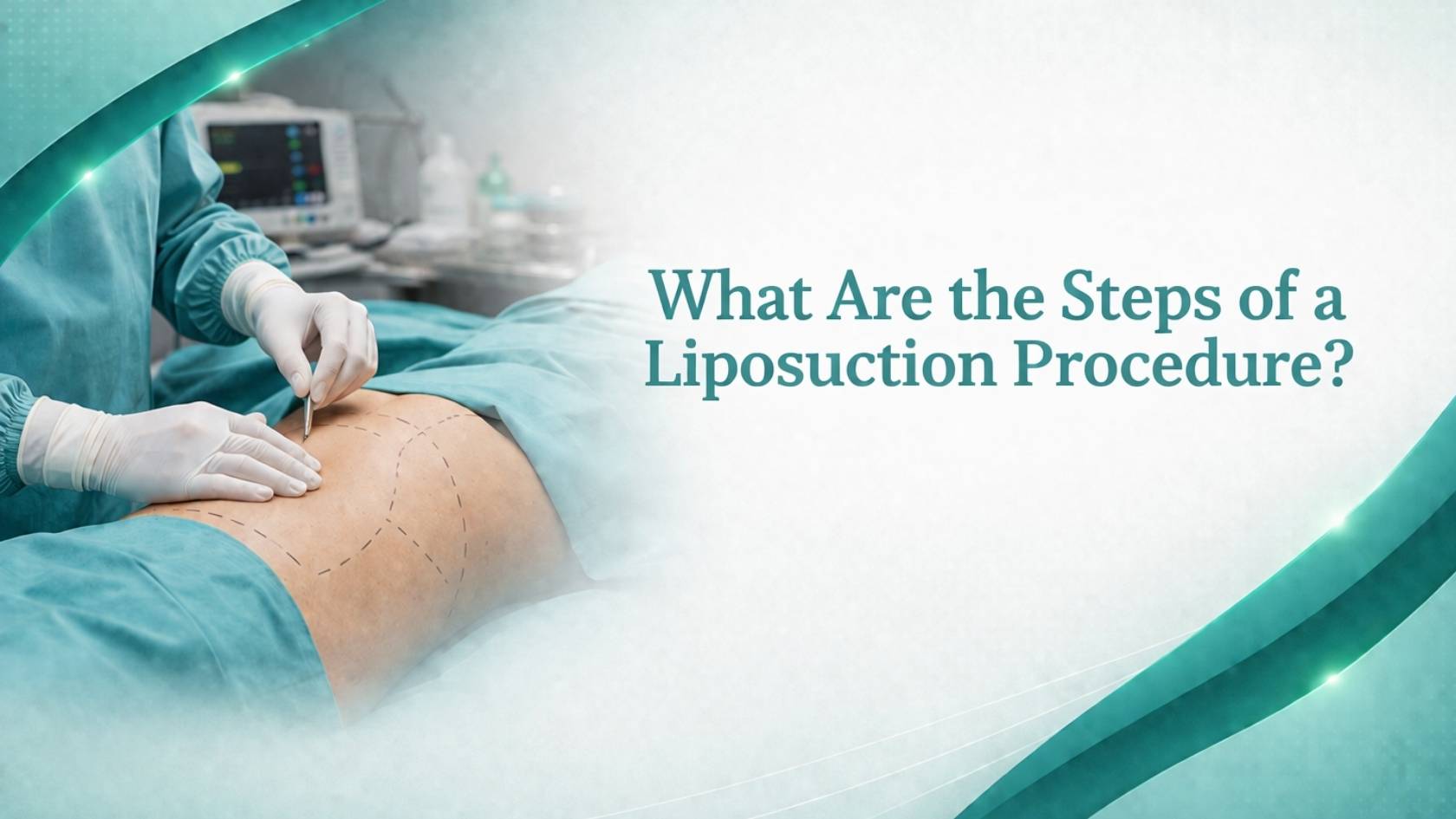
Liposuction is performed through very small incisions that allow a thin tube called a cannula to remove fat. These incisions usually result in minimal scarring.
Patients may ask:
Where the incisions will be placed
How visible the scars may be
How scars will fade over time
Surgeons typically place incisions in less noticeable areas to minimize visible marks.
9. How Long Will the Results Last?
Another important question involves the longevity of liposuction results. Once fat cells are removed, they generally do not return to the treated area.
However, maintaining results requires:
Healthy diet
Regular exercise
Stable body weight
Lifestyle choices can influence long-term outcomes after liposuction.
10. Are There Non-Surgical Alternatives?
In some cases, patients may ask about non-surgical fat reduction treatments. These procedures may be suitable for individuals with smaller fat deposits or those who prefer non-invasive options.
Examples include:
Cryolipolysis (fat freezing)
Radiofrequency fat reduction
Laser fat reduction
The surgeon can help determine whether surgical or non-surgical options are more appropriate.
Preparing for a Liposuction Consultation
Patients can prepare for a consultation by organizing questions and gathering important information about their health.
Helpful preparation steps include:
Bringing a list of medications
Sharing medical history
Discussing previous surgeries
Explaining treatment goals
Being open about expectations and concerns helps the surgeon provide accurate advice and recommendations.
Importance of Choosing a Qualified Surgical Facility
Choosing a reputable medical facility is an essential part of planning cosmetic surgery. Hospitals that specialize in plastic surgery usually maintain strict safety protocols, advanced surgical equipment, and trained medical teams.
A well-equipped facility ensures:
Safe anesthesia administration
Sterile surgical environments
Experienced surgical teams
Proper recovery monitoring
These factors contribute to safe procedures and better treatment outcomes.
Final Thoughts
Asking the right questions before liposuction helps patients understand the procedure and feel confident about their treatment decisions. A detailed consultation allows the surgeon to evaluate the patient’s condition, explain treatment options, and discuss realistic results.
For individuals considering liposuction procedures in Kerala, preparing a list of important questions can help ensure a clear understanding of the surgical process, safety measures, and recovery expectations.
Frequently Asked Questions
Asking questions helps you understand the procedure, evaluate safety, and make informed decisions about treatment.
One of the most important questions is whether you are a suitable candidate for the procedure.
Yes, in some cases multiple areas can be treated depending on the patient’s health and surgical plan.
No. Liposuction is mainly used for body contouring and removing localized fat deposits.
The procedure usually takes one to several hours depending on the areas being treated.
Initial recovery may take a few days, while complete healing may take several weeks.
Fat cells removed during liposuction do not usually return, but maintaining a healthy lifestyle helps preserve results.
Patients may experience mild discomfort after surgery, which is usually managed with medication.
Yes, some non-surgical fat reduction treatments may be available depending on the patient’s condition.
Consultation helps determine suitability, discuss expectations, and plan the procedure safely.