Rhinoplasty procedure steps form a carefully structured journey that begins with consultation and continues through surgical reshaping to final recovery. For individuals considering nose surgery in Kerala, understanding each stage of the process helps reduce anxiety, improve preparation, and set realistic expectations. Rhinoplasty is not just a single-day procedure but a series of coordinated steps designed to ensure safety, precision, and long-term satisfaction.
This detailed guide explains rhinoplasty procedure steps from the first consultation to the final stages of healing.
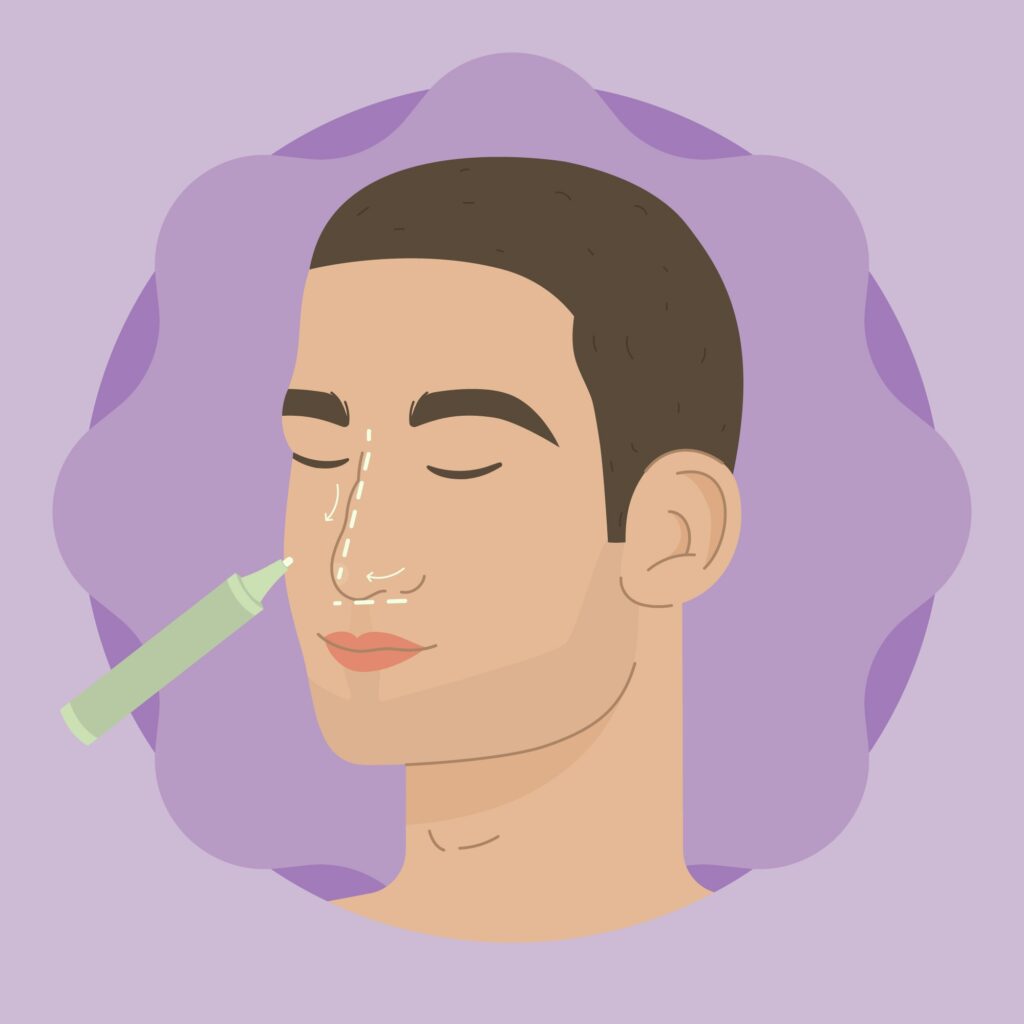
Step 1: Initial Consultation and Evaluation
The first stage in rhinoplasty procedure steps is a comprehensive consultation. This appointment lays the foundation for the entire surgical plan.
During the consultation, the following are assessed:
Nasal shape and symmetry
Facial proportions
Skin thickness
Internal nasal structure
Breathing function
Medical history
Patients are encouraged to openly discuss their concerns, whether cosmetic, functional, or both. The consultation ensures that expectations align with what is realistically achievable.
Step 2: Personalized Surgical Planning
Once suitability is confirmed, rhinoplasty procedure steps move into personalized planning. Every nose is unique, and surgical strategy must reflect individual anatomy.
Planning may involve:
Photographic documentation
Profile analysis
Identification of structural corrections
Selection of surgical technique (open or closed rhinoplasty)
This stage ensures clarity about what changes will be made and why.
Step 3: Pre-Operative Preparation
Proper preparation improves safety and smooth recovery.
Pre-operative rhinoplasty procedure steps include:
Medical clearance if required
Review of medications
Avoidance of blood-thinning substances
Lifestyle adjustments such as stopping smoking
Detailed instructions for surgery day
Patients receive clear guidelines to minimize risks and optimize healing.
Step 4: Anesthesia Administration
On the day of surgery, anesthesia is administered to ensure comfort.
Depending on the complexity of the procedure, anesthesia may be:
Local anesthesia with sedation
General anesthesia
Throughout surgery, vital signs are carefully monitored to maintain safety.
Step 5: Surgical Incisions
The next stage in rhinoplasty procedure steps involves making precise incisions to access nasal structures.
There are two primary approaches:
Closed Rhinoplasty
Incisions are made inside the nostrils, leaving no visible external scars. This method is typically used for less complex reshaping.
Open Rhinoplasty
A small incision is made across the columella, providing greater visibility and control for more detailed structural work.
The approach is chosen based on the degree of correction required.
Step 6: Reshaping the Nasal Framework
This is the most critical phase of rhinoplasty procedure steps. The underlying bone and cartilage are reshaped to achieve the desired appearance and function.
Common adjustments include:
Reducing a dorsal hump
Straightening a deviated nose
Refining the nasal tip
Narrowing the bridge
Adjusting nostril size
Structural precision is essential to maintain both aesthetics and breathing function.
Step 7: Cartilage Modification or Grafting
In cases requiring additional support or correction, cartilage modification becomes necessary.
Cartilage may be:
Reshaped
Repositioned
Reinforced with grafts
Grafts help strengthen nasal structure and enhance long-term stability.
Step 8: Functional Corrections
When breathing issues exist, functional improvements are integrated into rhinoplasty procedure steps.
These may involve:
Septal correction
Airway expansion
Structural reinforcement
Combining cosmetic and functional corrections enhances overall outcome quality.
Step 9: Closing the Incisions
After reshaping is complete, incisions are carefully closed using fine sutures.
This stage ensures:
Proper wound healing
Minimal scarring
Structural stability
In open rhinoplasty, the small external incision typically heals discreetly.
Step 10: Splint and Dressing Application
Protective splints and dressings are applied to support the newly shaped nose.
This includes:
External nasal splint
Soft internal supports if needed
Light dressing
These measures protect delicate tissues during early healing.
Step 11: Immediate Post-Surgical Monitoring
After surgery, patients are monitored in a recovery area to ensure stability.
Monitoring focuses on:
Vital signs
Pain management
Swelling control
Breathing comfort
Most individuals can return home the same day once stable.
Step 12: Early Recovery Phase (First Week)
The early recovery period is an essential part of rhinoplasty procedure steps.
During this stage:
Swelling and bruising are common
Mild discomfort may occur
A nasal splint remains in place
Breathing may feel temporarily restricted
Clear aftercare instructions are provided to ensure smooth healing.
Step 13: Splint Removal and Visible Changes
Typically within one week, the splint is removed.
At this stage:
Initial results become visible
Bruising reduces
Swelling gradually improves
However, the nose may still appear slightly swollen.
Step 14: Progressive Healing (Weeks to Months)
Rhinoplasty healing continues for several months.
During this period:
Swelling continues to decrease
Tip definition becomes clearer
Nasal contour refines gradually
Patience is important, as final results take time to fully emerge.
Step 15: Final Recovery and Long-Term Results
Final recovery represents the last stage of rhinoplasty procedure steps.
Complete settling may take several months, especially in the nasal tip area. Once healing is complete, patients typically notice:
Improved facial harmony
Balanced nasal proportions
Enhanced breathing if functional correction was performed
For individuals undergoing rhinoplasty in Kerala, understanding this long-term healing process supports realistic expectations and greater satisfaction.
How Long Do Rhinoplasty Procedure Steps Take?
The surgical portion usually lasts between one to three hours, depending on complexity. However, the entire journey—from consultation to final recovery—extends over several months.
Understanding this timeline helps patients prepare mentally and physically for the process.
Why Understanding Rhinoplasty Procedure Steps Matters
Being aware of rhinoplasty procedure steps helps patients:
Feel informed and prepared
Reduce unnecessary anxiety
Follow recovery instructions carefully
Make confident decisions
Education and clarity improve both safety and overall experience.
Final Thoughts
Rhinoplasty procedure steps begin with careful consultation and extend through structured planning, precise surgical reshaping, and gradual healing. Each stage plays a vital role in achieving safe, natural, and balanced results. From the first evaluation to final recovery, the process is designed to prioritize structural integrity, functional improvement, and aesthetic harmony. Understanding these steps empowers patients to approach rhinoplasty with confidence and informed expectations.
Table of Contents
A rhinoplasty consultation is a detailed assessment to plan safe and personalized nose reshaping surgery. Learn more
Frequently Asked Questions
1. What are the main rhinoplasty procedure steps?
Rhinoplasty procedure steps include consultation, pre-operative planning, anesthesia administration, surgical reshaping of bone and cartilage, incision closure, splint application, and structured recovery.
2. How long does the rhinoplasty procedure take?
The surgical portion usually takes one to three hours, depending on the complexity of the correction required.
3. What happens during the consultation stage?
During consultation, the nose and facial structure are evaluated, medical history is reviewed, and realistic expectations are discussed before planning surgery.
4. Is anesthesia required for rhinoplasty?
Yes, rhinoplasty is performed under local anesthesia with sedation or general anesthesia to ensure comfort and safety.
5. What is the difference between open and closed rhinoplasty?
Closed rhinoplasty involves incisions inside the nostrils with no visible scars, while open rhinoplasty includes a small external incision for better visibility in complex cases.
6. How long does it take to recover after rhinoplasty?
Initial recovery usually takes one to two weeks, while complete healing and final results may take several months.
7. When will I see the final results?
Initial changes are visible after splint removal, but final results gradually appear as swelling subsides over time.
8. Are breathing issues addressed during rhinoplasty procedure steps?
Yes, if functional concerns are present, structural corrections such as septal adjustment may be performed during surgery.
9. Is rhinoplasty a painful procedure?
Most patients experience mild to moderate discomfort rather than severe pain, and this is typically manageable with prescribed medication.
10. Why is understanding rhinoplasty procedure steps important?
Knowing each stage—from consultation to final recovery—helps patients prepare properly, reduce anxiety, and set realistic expectations.

Dr prince has years of experience in providing the highest quality of care to our patients. We offer a wide range of services including cosmetic surgery, hair surgery, skin and cosmetic clinics, and skin surgery centers.