The steps of the breast implant procedure help individuals feel informed, confident, and mentally prepared before undergoing surgery. Breast implant surgery is a structured and carefully planned process designed to enhance breast size, shape, or symmetry while prioritising safety and natural-looking results. For those considering this procedure in Kerala, knowing what happens at each stage—from preparation to completion—can reduce anxiety and support realistic expectations.
This page explains the breast implant procedure step by step, offering a clear overview of how the surgery is typically performed and what patients can expect throughout the process.
Step 1: Pre-Surgical Evaluation and Planning
The breast implant procedure begins well before entering the operating room. A detailed pre-surgical evaluation ensures that the individual is medically fit for surgery and that the procedure is tailored to personal goals.
During this stage:
Overall health history is reviewed
Breast anatomy, skin elasticity, and chest structure are assessed
Implant type, size, and placement options are discussed
This planning phase is critical, as it determines the surgical approach and helps align expectations with achievable outcomes.
Step 2: Marking and Surgical Preparation
On the day of surgery, precise markings are made on the breasts to guide incision placement and implant positioning. These markings help maintain symmetry and accuracy during the procedure.
Additional preparation includes:
Cleaning and sterilising the surgical area
Final confirmation of implant size and placement
Reviewing the surgical plan one last time
This step ensures that the procedure proceeds smoothly and according to plan.
Step 3: Administration of Anesthesia
Breast implant surgery is usually performed under general anesthesia. This ensures that the patient remains completely comfortable and pain-free throughout the procedure.
Before anesthesia is administered:
Vital signs are monitored
Safety protocols are followed
The patient is positioned properly on the operating table
Once anesthesia takes effect, the surgical procedure begins.
Step 4: Making the Surgical Incision
The next step in the breast implant procedure involves creating a carefully planned incision. The location of the incision depends on factors such as implant type, body anatomy, and aesthetic goals.
Common incision sites include:
Under the breast fold
Around the areola
In the underarm area
Each incision approach is selected to minimise visible scarring while allowing accurate implant placement.
Step 5: Creating the Implant Pocket
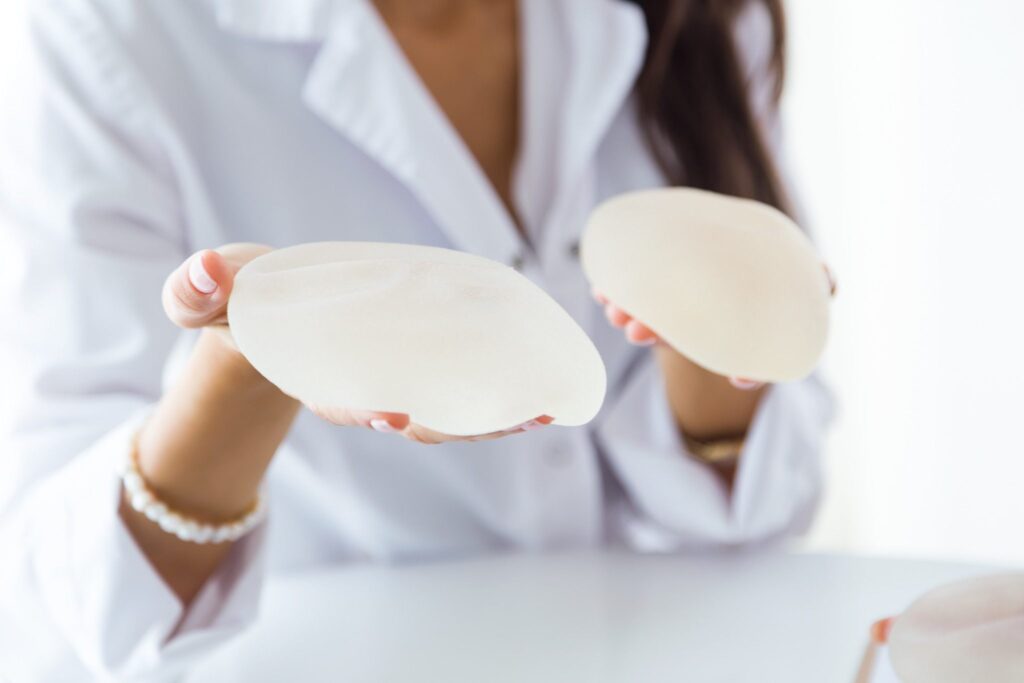
After the incision is made, a pocket is created to hold the breast implant. This pocket can be positioned:
Beneath the breast tissue
Beneath the chest muscle
The choice of placement affects the final appearance, feel, and long-term outcome of the implants. Careful dissection during this step helps reduce trauma to surrounding tissues.
Step 6: Inserting the Breast Implant
Once the implant pocket is ready, the breast implant is inserted. Implants may be placed using specialised techniques to reduce contact with the skin and lower infection risk.
At this stage:
Implant position is adjusted for symmetry
Both sides are compared carefully
The surgeon ensures proper alignment and balance
Precision during this step is essential for achieving natural-looking results.
Step 7: Checking Symmetry and Final Adjustments
Before closing the incisions, symmetry and implant positioning are carefully evaluated. Small adjustments may be made to ensure both breasts appear even in size, shape, and projection.
This step helps:
Improve aesthetic balance
Reduce the chance of revision surgery
Enhance overall satisfaction with results
Step 8: Closing the Incisions
After implant placement and final checks, the incisions are closed in layers using sutures. Advanced closure techniques are often used to support healing and minimise scarring.
The closure process includes:
Internal sutures for tissue support
External sutures or skin adhesives
Application of sterile dressings
Proper closure is essential for optimal healing.
Step 9: Applying Dressings and Support Garments
Once the incisions are closed, dressings are applied to protect the surgical area. A supportive surgical bra or compression garment is usually placed to:
Reduce swelling
Support implant positioning
Promote proper healing
These garments play an important role in the early recovery phase.
Step 10: Immediate Post-Procedure Monitoring
After surgery, the patient is moved to a recovery area for monitoring. Vital signs are observed as the effects of anesthesia wear off.
During this stage:
Pain and discomfort are managed
Instructions for aftercare are reviewed
The patient is prepared for discharge if surgery is outpatient
Most individuals can return home the same day, depending on their condition.
Step 11: Early Recovery and Follow-Up
Although the surgical procedure itself is complete, recovery is an important continuation of the process. Follow-up visits are scheduled to:
Monitor healing
Check implant positioning
Address concerns or questions
Swelling and tightness are common initially and gradually improve over time.
Step 12: Long-Term Healing and Final Results
Final results of the breast implant procedure become more visible as swelling subsides and tissues settle. This process can take several weeks to months.
Long-term care includes:
Wearing recommended support garments
Avoiding strenuous activities initially
Attending follow-up evaluations
Understanding that results evolve gradually helps maintain realistic expectations.
Why Understanding the Steps Matters
Knowing the steps of the breast implant procedure helps individuals:
Feel more confident before surgery
Reduce fear of the unknown
Prepare better for recovery
Clear knowledge supports informed decision-making and emotional readiness.
Final Thoughts on the Breast Implant Procedure
The breast implant procedure follows a carefully structured sequence designed to prioritise safety, precision, and aesthetic outcomes. From pre-surgical planning and anesthesia to implant placement and recovery, each step plays a vital role in achieving successful results. When individuals clearly understand these steps and follow post-procedure guidance, the overall experience becomes smoother and more reassuring. For those exploring breast implant surgery in Kerala, being informed about the procedural steps is an important part of the journey toward confident and satisfying results.
Table of Contents
Proper preparation is the foundation of a safe and successful breast implant surgery. It involves medical evaluation, lifestyle adjustments, and mental readiness to reduce risks and support smooth healing after the procedure.
Recovery after breast implant surgery is gradual and varies from person to person. Following post-surgery guidelines, allowing adequate rest, and attending follow-ups are essential for comfortable healing and optimal results.
Before and after results of breast implant surgery highlight improvements in breast size, shape, and symmetry. While initial swelling is expected, final results become more visible as healing progresses over time.
Frequently Asked Questions (FAQ)
1. How long does the breast implant procedure take?
The breast implant procedure typically takes 1 to 2 hours, depending on the surgical technique, implant type, and individual anatomy.
2. Is breast implant surgery performed under general anesthesia?
Yes, breast implant surgery is usually performed under general anesthesia to ensure comfort and pain control throughout the procedure.
3. Where are the incisions made during the breast implant procedure?
Incisions may be placed under the breast fold, around the areola, or in the underarm, depending on the surgical plan and implant choice.
4. How are breast implants positioned during surgery?
Breast implants are placed either under the breast tissue or beneath the chest muscle, based on aesthetic goals and anatomical considerations.
5. Will both breasts be checked for symmetry during the procedure?
Yes, symmetry is carefully evaluated during surgery, and adjustments are made to ensure balanced size, shape, and positioning.
6. Are stitches used to close the incisions?
Yes, incisions are closed using layered sutures and may be supported with skin adhesives or dressings to promote proper healing.
7. Is breast implant surgery an outpatient procedure?
In most cases, breast implant surgery is performed as an outpatient procedure, allowing patients to return home the same day after monitoring.
8. What happens immediately after the procedure?
After surgery, patients are moved to a recovery area where vital signs are monitored and post-procedure instructions are provided.
9. When do implants settle into their final position?
Breast implants gradually settle over several weeks to a few months as swelling reduces and tissues heal.
10. Are follow-up visits required after the procedure?
Yes, follow-up visits are important to monitor healing, assess implant position, and ensure recovery is progressing normally.