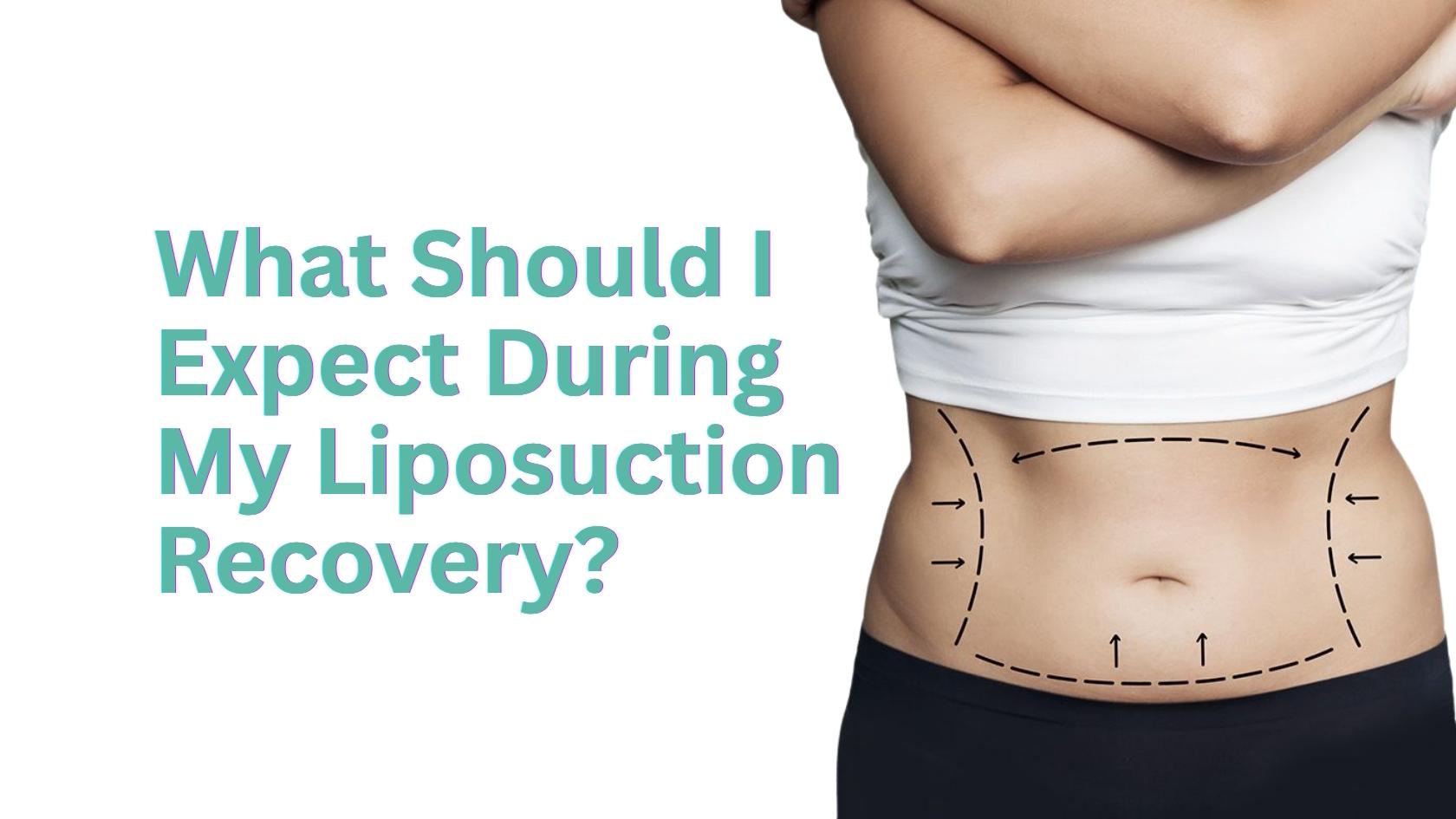
Liposuction recovery is a crucial phase that determines how successfully your body heals and how soon you can enjoy your new contours. Choosing to undergo liposuction is a significant step toward achieving a more sculpted body shape, and many individuals from Kerala opt for this procedure to enhance their confidence and physical appearance. While the surgery itself is important, understanding the recovery process is equally essential for achieving smooth, safe, and long-lasting results in Kerala.
Liposuction recovery is a gradual process that unfolds over several weeks to months. Each person heals differently depending on factors such as the area treated, the amount of fat removed, overall health, age, and adherence to post-operative instructions. Knowing what to expect during each phase can reduce anxiety, prevent complications, and help you prepare both physically and mentally.
Immediately After Surgery
Right after the procedure, you will be moved to a recovery area where medical staff monitor your vital signs. It is normal to feel groggy, sore, and slightly disoriented as the anesthesia wears off.
Common experiences during this period include:
- Mild to moderate pain or tenderness
- Swelling and bruising in treated areas
- Fluid drainage from incision sites
- Numbness or tingling sensations
- Fatigue and drowsiness
You will likely be fitted with compression garments immediately after surgery. These snug garments help reduce swelling, support healing tissues, and improve contour results.
Most patients are advised to:
- Rest but avoid complete bed rest
- Take prescribed pain medications and antibiotics
- Drink plenty of fluids
- Keep incision areas clean and dry
- Have someone assist with daily activities
Walking short distances is encouraged to promote blood circulation and reduce the risk of blood clots.
The First Week of Recovery
During the first week, discomfort and swelling typically peak before gradually improving. Bruising may become more noticeable before it fades.
What you may experience:
- Continued swelling and tightness
- Soreness similar to intense muscle pain
- Limited mobility in treated areas
- Mild fluid leakage from incision sites
- Itching as healing begins
Most people can resume light activities within a few days, but strenuous tasks should be avoided.
Helpful tips for this stage:
- Wear compression garments as directed (usually 24/7)
- Sleep with treated areas slightly elevated if recommended
- Avoid bending, lifting, or sudden movements
- Maintain a healthy, low-sodium diet to reduce swelling
- Attend your follow-up appointment
Many patients feel well enough to return to desk work within 5–7 days, depending on the extent of the procedure.
Weeks 2 to 4: Visible Improvement Begins
By the second week, pain typically decreases significantly, though swelling and firmness may persist. Bruises start fading, and mobility improves.
You may notice:
- Reduced soreness
- Gradual return of energy
- Decreasing bruising
- Skin feeling firm or lumpy
- Mild numbness in treated areas
This firmness is completely normal and results from internal healing and fluid retention. It will soften over time.
During this phase:
- Light exercise such as walking can usually resume
- Compression garments are still required
- Gentle stretching may be permitted
- Avoid high-impact workouts
Some patients also begin lymphatic drainage massages if recommended, which can help reduce swelling and speed recovery.
One to Three Months After Surgery
This period marks a significant turning point in recovery. Most swelling subsides, and body contours become more visible.
Typical changes include:
- Noticeable slimming and reshaping
- Improved skin retraction
- Softening of previously firm areas
- Increased comfort during daily activities
- Gradual return of skin sensation
However, residual swelling can still be present, especially in the morning or after prolonged sitting.
At this stage, many individuals can:
- Resume moderate exercise
- Wear compression garments only part-time
- Return fully to normal routines
- Begin enjoying visible results
Patience remains important, as final results are still developing beneath the surface.
Three to Six Months: Refinement Phase
By three months, most patients feel completely recovered in terms of daily function. The body continues to refine and settle into its new shape.
You may observe:
- Smoother contours
- Natural-looking results
- Minimal swelling
- Improved skin texture
- Restored sensation
Internal healing is still ongoing, even if everything appears normal externally.
Maintaining results during this phase involves:
- Regular exercise
- Balanced nutrition
- Stable body weight
- Adequate hydration
Significant weight gain can affect results since remaining fat cells can still enlarge.
Six Months to One Year: Final Results
Final liposuction results typically become fully visible between six months and one year after surgery.
By this time:
- Swelling has resolved completely
- Skin has adapted to new contours
- Incision scars have faded considerably
- The body feels natural and comfortable
Most patients experience a major boost in self-confidence once they see their final transformation.
Managing Pain and Discomfort
Pain after liposuction is usually manageable and often described as soreness rather than sharp pain.
Pain management strategies include:
- Prescribed medications
- Over-the-counter pain relievers (if approved)
- Cold compresses (avoiding incision sites)
- Gentle movement
- Adequate rest
Pain typically decreases significantly after the first week.
Swelling and Bruising: What’s Normal?
Swelling is the most persistent part of liposuction recovery and can fluctuate throughout the day.
Factors that influence swelling:
- Amount of fat removed
- Treatment area
- Physical activity level
- Salt intake
- Hydration
Bruising usually fades within 2–3 weeks, changing color from purple to yellow before disappearing.
Compression Garments: Why They Matter
Compression garments play a crucial role in achieving optimal results.
Benefits include:
- Reducing swelling
- Preventing fluid buildup
- Supporting healing tissues
- Improving skin retraction
- Enhancing contour smoothness
Wearing them as directed significantly impacts the final outcome.
Returning to Work and Daily Activities
Recovery timelines vary, but general guidelines include:
- Desk jobs: 5–10 days
- Light physical work: 2–3 weeks
- Strenuous labor: 4–6 weeks
Driving is usually allowed once you are off strong pain medications and can move comfortably.
Exercise After Liposuction
Physical activity should resume gradually.
Typical progression:
- Walking within a few days
- Light workouts after 2–3 weeks
- Moderate exercise after 4–6 weeks
- Full intensity workouts after medical clearance
Avoid rushing back into intense routines, as this can increase swelling and delay healing.
Emotional Recovery
Physical healing is only part of the journey. Emotional adjustments are common as well.
You might experience:
- Temporary mood swings
- Anxiety about results
- Impatience during swelling phase
- Increased confidence as results appear
Understanding that healing takes time helps maintain realistic expectations.
Scar Healing and Skin Changes
Liposuction incisions are small, but proper care ensures minimal scarring.
Scars typically:
- Appear pink or red initially
- Gradually fade over months
- Become barely noticeable over time
Protecting scars from sun exposure improves their appearance.
Skin may also feel numb, hypersensitive, or slightly uneven during healing — all normal temporary effects.
Warning Signs to Watch For
While complications are rare, contact your healthcare provider if you experience:
- Severe or worsening pain
- High fever
- Excessive swelling on one side
- Persistent redness or warmth
- Foul-smelling discharge
- Shortness of breath
Early intervention ensures safety.
Tips for a Smooth Recovery
To optimize healing and results:
- Follow all post-operative instructions carefully
- Stay hydrated
- Eat protein-rich, nutritious foods
- Avoid smoking and alcohol
- Get adequate sleep
- Attend all follow-up visits
- Maintain a stable weight
Consistency is key to achieving the best outcome.
Conclusion
Liposuction recovery is a structured yet highly individual process that unfolds over weeks and months. While the initial days involve rest, swelling, and discomfort, steady improvement follows with proper care and patience. Understanding each stage helps set realistic expectations and reduces stress during healing. With adherence to post-operative guidelines, most individuals enjoy long-lasting body contour improvements and renewed self-confidence. Many people choose this procedure to refine their appearance and lifestyle goals in Kerala, making recovery knowledge an essential part of the journey toward successful results in Kerala.
Frequently Asked Questions
1. How long does liposuction recovery take?
Most people recover from the initial phase within 1–2 weeks, but complete healing and final results can take 3–6 months, sometimes up to a year depending on the treated areas.
2. Is liposuction recovery painful?
Recovery usually involves soreness similar to muscle pain rather than sharp pain. Discomfort is most noticeable during the first few days and improves steadily with medication and rest.
3. When can I return to work after liposuction?
Patients with desk jobs can often return within 5–10 days, while physically demanding jobs may require 3–6 weeks of recovery time.
4. How long do I need to wear compression garments?
Compression garments are typically worn continuously for 4–6 weeks, though the exact duration varies based on the extent of the procedure and healing progress.
5. When will I see results after liposuction?
Initial changes are visible once swelling begins to decrease after a few weeks, but final results usually appear between 3–6 months.
6. Is swelling normal during recovery?
Yes, swelling is a normal part of healing and may last several weeks to months. It gradually subsides as the body adjusts.
7. Can I exercise after liposuction?
Light walking is encouraged within a few days, but strenuous exercise should be avoided for at least 4–6 weeks or until medically cleared.
8. Will there be scars after liposuction?
Incisions are very small, and scars typically fade over time. Proper care and sun protection help make them barely noticeable.
9. What should I avoid during recovery?
Avoid smoking, alcohol, heavy lifting, intense workouts, and high-sodium foods, as these can increase swelling and slow healing.
10. Are liposuction results permanent?
Fat cells removed during liposuction do not return, but maintaining a stable weight through healthy lifestyle habits is essential to preserve results.

Dr Prince
Consultant Plastic & Cosmetic Surgeon
Dr Prince is a Consultant Plastic and Reconstructive Surgeon at the Sushrutha Institute of Plastic Surgery, Elite Mission Hospital, Thrissur. He specializes in aesthetic and reconstructive procedures performed in a fully equipped hospital environment with strict safety protocols.
His expertise includes liposuction, rhinoplasty, gynecomastia correction, tummy tuck, breast surgery, and advanced facial aesthetic procedures, with a focus on safe techniques and natural-looking results.
Sushrutha Institute of Plastic Surgery, Elite Mission Hospital, Thrissur, Kerala