Breast implant recovery is a gradual healing process that allows the body to adjust to the implants and reveal final results over time. Understanding what should be expected during breast implant recovery helps reduce anxiety, set realistic expectations, and support a smoother healing experience. For individuals undergoing this procedure in Kerala, being informed about recovery stages, physical changes, and aftercare requirements can make the post-surgical period more comfortable and manageable.
This page explains what typically happens during breast implant recovery, covering the immediate post-surgery phase, week-by-week healing, activity restrictions, and long-term recovery outcomes.
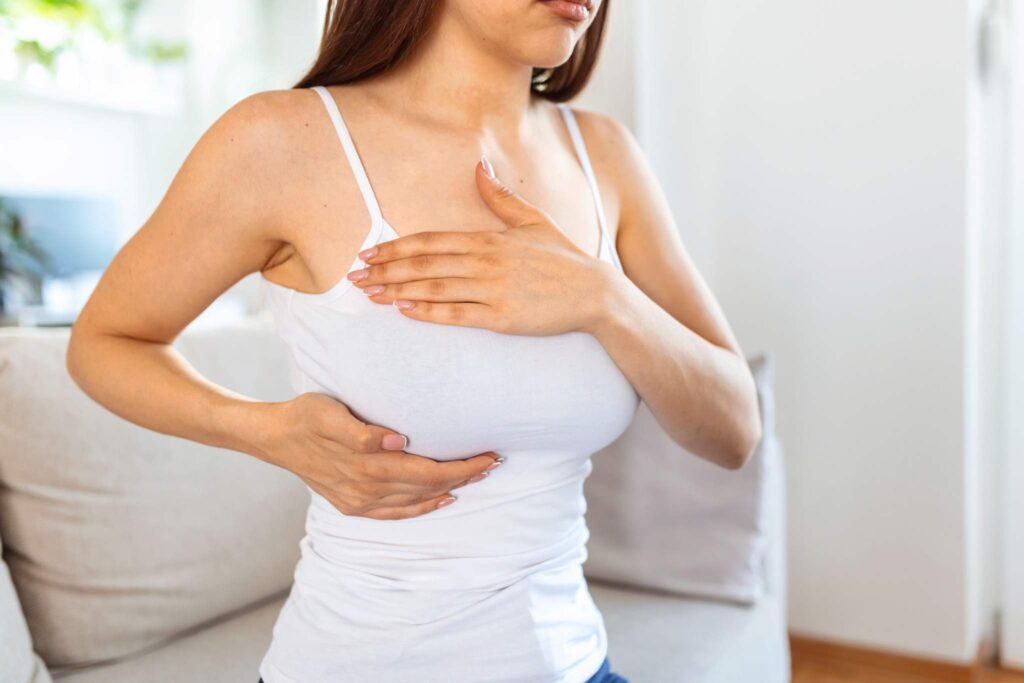
Understanding Breast Implant Recovery
Breast implant recovery begins immediately after surgery and continues for several weeks to months. While the outer incisions heal relatively quickly, internal tissues take longer to settle and adapt to the implants. Recovery experiences can vary depending on implant placement, body response, and adherence to post-operative instructions.
The recovery period focuses on reducing swelling, managing discomfort, supporting implant positioning, and allowing the body to heal naturally.
The First 24 to 48 Hours After Surgery
Immediate Sensations
In the first one to two days after surgery, it is common to experience:
Swelling and tightness in the chest area
Mild to moderate pain or soreness
Temporary fatigue or grogginess
These symptoms are a normal response to surgery and anesthesia.
Rest and Limited Movement
Rest is essential during this phase. Arm movements may feel restricted, especially if implants are placed beneath the chest muscle. Short walks are encouraged to promote circulation, but strenuous activity should be avoided.
Pain and Discomfort Management
Discomfort during breast implant recovery typically peaks within the first few days and then gradually decreases. Pain is usually managed with prescribed medications and proper rest.
Helpful measures include:
Sleeping on the back with the upper body elevated
Wearing recommended support garments
Avoiding sudden arm movements
Following pain management instructions closely improves comfort and recovery quality.
The First Week of Recovery
Swelling and Bruising
Swelling is most noticeable during the first week and may be accompanied by bruising. This is part of the body’s natural healing response and gradually subsides over time.
Support Garments
A surgical bra or compression garment is usually worn continuously during this phase. These garments help:
Reduce swelling
Support implant position
Improve comfort during movement
Consistent use is important for proper healing.
Activity Restrictions in Early Recovery
During the first week:
Heavy lifting should be avoided
Upper-body movements should be limited
Driving may be restricted until pain medications are no longer needed
Gentle walking is encouraged to prevent stiffness and improve circulation.
Weeks Two to Four of Breast Implant Recovery
Gradual Improvement
By the second and third weeks, swelling continues to decrease, and mobility improves significantly. Many individuals feel more comfortable performing light daily activities.
Return to Work
Those with desk-based or non-physical jobs can often return to work within 7 to 10 days, depending on comfort levels. Jobs requiring physical exertion may require additional recovery time.
Changes in Breast Appearance During Recovery
It is common for breasts to appear:
Firm or tight initially
Positioned higher on the chest
Slightly uneven in early stages
These changes are temporary. As healing progresses, implants gradually settle into a more natural position, improving shape and symmetry.
Implant Settling and Adjustment Phase
As tissues relax and swelling reduces, implants soften and settle. This process occurs gradually over several weeks to months.
During this phase:
Tightness reduces
Breasts feel more natural
Overall appearance improves
Patience is essential, as final results take time to fully develop.
Incision Healing and Scar Care
Incision sites typically heal within a few weeks, but scars continue to mature over several months. Proper care helps support favourable scar healing.
General expectations include:
Initial redness around incisions
Gradual fading over time
Improved appearance with proper aftercare
Avoiding sun exposure on healing scars is often recommended.
Exercise and Physical Activity
Light activities such as walking are usually encouraged early in recovery. However:
Upper-body exercises are restricted for several weeks
High-impact activities should be avoided initially
Gradual return to exercise is advised
Following recommended activity guidelines reduces the risk of complications.
Emotional Changes During Recovery
Emotional fluctuations are common during breast implant recovery. Temporary discomfort, swelling, or impatience with healing timelines may affect mood.
Understanding that recovery is a gradual process helps maintain a positive and realistic outlook.
Follow-Up Appointments
Follow-up visits are an important part of recovery. These appointments help:
Monitor healing progress
Assess implant positioning
Address concerns early
Regular follow-ups contribute to safe and successful outcomes.
Long-Term Breast Implant Recovery
Final Results
Final results typically become visible once swelling has fully resolved and implants have settled completely. This process may take several months.
Sensation Changes
Temporary numbness, tingling, or sensitivity changes may occur and often improve gradually over time.
Ongoing Care
Maintaining a healthy lifestyle and attending routine check-ups supports long-term implant health and satisfaction.
What Is Considered Normal During Recovery?
Normal recovery experiences include:
Mild swelling and firmness
Temporary discomfort or tightness
Gradual improvement in breast shape
Recognising what is normal helps reduce unnecessary worry during healing.
Supporting a Smooth Recovery
A smooth breast implant recovery is supported by:
Following post-operative instructions carefully
Wearing support garments as advised
Avoiding premature physical strain
Attending all follow-up visits
Consistency in aftercare plays a key role in achieving the best results.
When to Seek Medical Attention
While most recoveries progress without issues, signs such as increasing pain, excessive swelling, redness, or unusual discharge should be addressed promptly.
Early attention helps prevent complications and supports safe healing.
Final Thoughts on Breast Implant Recovery
Breast implant recovery is a step-by-step healing journey that requires patience, proper care, and realistic expectations. From the initial days of rest to gradual return to normal activities and final results, understanding what to expect makes the recovery process more reassuring and comfortable. For individuals undergoing breast implant surgery in Kerala, being well-informed about recovery stages helps promote confidence, safety, and long-term satisfaction with results.
Table of Contents
A breast implant is a medical device placed under breast tissue or muscle to enhance breast size, shape, or symmetry. Learn more
Good candidates are individuals in stable health with realistic expectations who desire breast augmentation or reconstruction. Learn more
The cost varies based on implant type, surgical technique, facility standards, and postoperative care requirements. Learn more
The consultation includes medical history review, physical examination, implant selection discussion, and explanation of outcomes and risks. Learn more
You should ask about implant types, placement options, recovery time, longevity, risks, and future revision needs. Learn more
Risks may include infection, capsular contracture, implant rupture, scarring, asymmetry, or changes in sensation. Learn more
Preparation involves preoperative tests, medication adjustments, lifestyle changes, and planning for recovery support. Learn more
The procedure includes anesthesia, incision placement, implant insertion, positioning, and surgical closure. Learn more
Before-and-after results often show improved breast volume, contour, symmetry, and overall body proportion. Learn more
Choosing the right surgeon involves reviewing credentials, experience in breast procedures, patient communication, and safety standards. Learn more
Frequently Asked Questions (FAQ)
Initial recovery usually takes 1–2 weeks, during which swelling and discomfort gradually reduce. Most people feel close to normal by 4–6 weeks, while full internal healing and final results can take 3–6 months.
Yes, mild to moderate pain, tightness, and pressure are normal during the first few days. These symptoms are temporary and can be managed with prescribed medications and proper rest.
Swelling is most noticeable during the first week and gradually decreases over several weeks. Residual swelling may take a few months to fully resolve.
Light activities can usually be resumed within 5–7 days. Strenuous exercise, heavy lifting, and upper-body workouts should be avoided for at least 4–6 weeks, or until cleared by your surgeon.
Yes, a supportive surgical or sports bra is typically recommended for several weeks. This helps reduce swelling, supports healing tissues, and maintains implant positioning.
Avoid side or stomach sleeping for a few weeks.
Back sleeping is recommended initially.
Side sleeping may be allowed after 3–4 weeks; stomach sleeping usually after 6 weeks, depending on healing.
Yes, bruising, firmness, and tightness are common early in recovery. As healing progresses, the breasts gradually soften and settle into a more natural shape.
Initial results are visible once swelling reduces, but final shape and positioning usually become apparent after 3–6 months.
Persistent severe pain, increasing redness, fever, unusual swelling, or fluid discharge should be reported immediately, as these may indicate complications.
Scars are initially noticeable but fade significantly over time. Proper scar care and sun protection help improve their appearance.