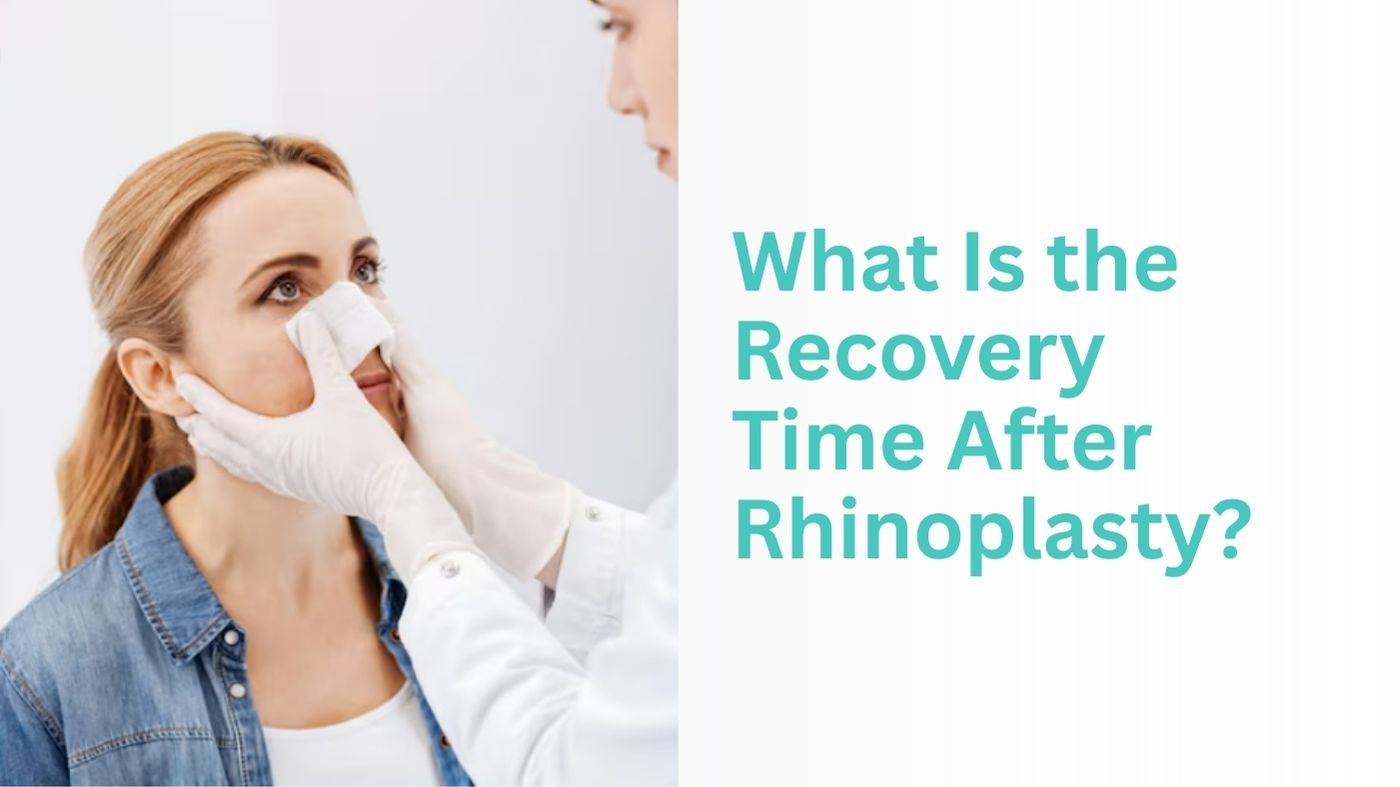
What is the recovery time after rhinoplasty? For individuals considering rhinoplasty in Kerala, understanding the recovery timeline is an essential part of planning the procedure and setting realistic expectations. Recovery after rhinoplasty is a gradual process that involves multiple stages, from immediate healing to long-term refinement of results. Knowing what happens during each phase helps individuals prepare physically, mentally, and practically for the post-surgical period.
Rhinoplasty recovery varies from person to person depending on factors such as surgical technique, skin thickness, healing response, and adherence to post-operative instructions. While the visible recovery may appear complete within a few weeks, internal healing and final shaping continue for several months.
Immediate Recovery After Rhinoplasty
The first few days after rhinoplasty are considered the initial recovery phase. During this period, the body begins its natural healing process. Swelling, mild bruising, and nasal congestion are common and expected responses. A nasal splint may be placed to support the newly shaped structures and maintain stability.
Patients are usually advised to rest with the head elevated to reduce swelling and avoid unnecessary movement. Breathing through the nose may feel restricted initially, and mild discomfort is managed with prescribed medications. Most individuals can resume light daily activities within a few days, provided they avoid exertion.
First Week of Recovery
The first week is a significant milestone in rhinoplasty recovery. Swelling and bruising gradually begin to subside, although they may still be noticeable. The nasal splint is typically removed during a follow-up visit, and early healing progress is assessed.
Patients are advised to avoid touching the nose, bending forward excessively, or engaging in physical activities that could increase blood pressure. Proper rest and hydration support the healing process during this phase.
Weeks Two to Three After Surgery
By the second and third weeks, many individuals begin to feel more comfortable returning to routine activities. Visible bruising usually fades, and swelling continues to reduce gradually. Social activities and work that do not involve physical strain can often be resumed during this stage.
Although external signs of surgery improve, the internal tissues are still healing. Careful handling and adherence to medical instructions remain important to prevent complications.
One Month After Rhinoplasty
Around one month after surgery, a significant portion of swelling decreases, and the nose begins to take a more defined shape. Patients often notice early improvements in contour and symmetry.
However, it is important to understand that healing is still ongoing. The nasal tissues continue to adapt, and subtle changes may occur over time. Strenuous activities, contact sports, and heavy exercise are usually restricted until healing progresses further.
Three Months Into Recovery
At approximately three months, the majority of swelling resolves, especially around the upper portion of the nose. The shape becomes more stable, and breathing typically improves.
Some residual swelling, particularly at the tip of the nose, may persist. This is a normal part of the recovery process, especially in individuals with thicker skin.
Six Months After Rhinoplasty
Six months into recovery marks a stage where results appear more refined. The nose begins to settle into its final structure, and subtle contours become more visible.
Patients often feel more confident in their appearance at this point, though minor changes can still occur as tissues continue healing internally.
One Year for Final Results
Full rhinoplasty recovery may take up to one year. The final shape, contour, and symmetry become evident as all swelling resolves and tissues stabilize.
The duration may vary depending on individual healing characteristics and the complexity of the procedure. Patience is important during this stage, as gradual refinement leads to natural-looking outcomes.
Factors That Influence Rhinoplasty Recovery Time
Several factors determine how quickly a person recovers after rhinoplasty. Understanding these elements helps set realistic expectations and encourages proper care during healing.
Surgical Technique: Open and closed rhinoplasty approaches may have slightly different recovery timelines depending on the extent of structural modification.
Skin Thickness: Thicker skin may retain swelling longer, particularly at the nasal tip.
Healing Response: Each individual’s body heals at a different rate, influenced by genetics, age, and overall health.
Lifestyle Habits: Smoking, poor nutrition, and inadequate rest can slow healing and increase recovery time.
Post-Surgical Care: Following medical instructions carefully supports faster and safer recovery.
Physical Changes During Recovery
Rhinoplasty recovery involves visible and internal changes over time. Understanding these changes helps individuals avoid unnecessary concern during healing.
Swelling: Gradually reduces over weeks and months.
Bruising: Typically resolves within the first two weeks.
Nasal Sensitivity: May persist temporarily as tissues heal.
Breathing Adjustment: Improves as internal swelling decreases.
Skin Adaptation: Skin gradually conforms to the reshaped nasal framework.
Emotional Aspects of Recovery
Recovery is not only physical but also emotional. Patients may experience temporary uncertainty while waiting for swelling to resolve and results to become visible.
Maintaining realistic expectations, staying informed about the healing process, and following guidance from medical professionals help reduce anxiety during this phase.
Importance of Follow-Up Care
Regular follow-up visits are an important part of rhinoplasty recovery. These appointments allow monitoring of healing progress and early identification of any concerns.
Medical professionals assess swelling, alignment, and breathing function during these visits. Guidance on activity levels and care routines is also provided.
Activities to Avoid During Recovery
Certain activities should be avoided to protect healing tissues and maintain surgical results.
Heavy lifting and strenuous exercise may increase swelling and bleeding risk. Wearing glasses that rest on the nose is usually restricted for a period of time. Exposure to direct sunlight should be minimized to protect sensitive skin.
Sleeping with the head elevated and avoiding pressure on the nose supports safe recovery.
When Normal Activities Resume
Return to normal activities depends on the individual and the nature of work or lifestyle.
Light activities may resume within days. Office work is often possible within one to two weeks. Exercise and physically demanding tasks are gradually reintroduced after medical approval.
Patience during this stage helps prevent complications and supports long-term outcomes.
Long-Term Healing and Results
Even after visible recovery, internal healing continues. Cartilage and soft tissues adapt gradually, shaping the final appearance.
The nose becomes softer and more natural over time. Subtle refinements may be noticed as swelling resolves completely.
Long-term care, including protecting the nose from injury and maintaining overall health, contributes to lasting results.
Importance of Realistic Expectations
Understanding recovery timelines helps individuals stay patient and confident during the healing journey.
Immediate changes should not be judged as final results. Gradual improvement over months is part of the normal recovery process.
Being prepared for this timeline ensures better emotional readiness and satisfaction with outcomes.
Safety and Healing Support
Proper care during recovery supports safe healing. Adequate rest, hydration, and nutrition contribute to tissue repair and reduce complications.
Following instructions about medications, cleaning routines, and activity restrictions ensures smoother recovery.
Avoiding self-assessment too early and allowing time for healing prevents unnecessary stress.
Recovery and Individual Variation
No two rhinoplasty recoveries are identical. Some individuals heal faster, while others require more time.
Factors such as anatomy, surgical complexity, and personal health influence the timeline. Comparing recovery with others may lead to unrealistic expectations.
Focusing on individual healing progress ensures a more positive recovery experience.
Final Thoughts on Rhinoplasty Recovery Time
Understanding what to expect after rhinoplasty helps individuals approach the procedure with clarity and confidence. Recovery is a structured process that progresses through defined stages, each contributing to the final outcome.
Visible improvements occur within weeks, while complete healing continues over months. Patience, proper care, and adherence to medical guidance play a key role in achieving stable and natural-looking results.
For those planning rhinoplasty in Kerala, being informed about recovery timelines supports better preparation, realistic expectations, and smoother healing from the initial stage to the final outcome.
Frequently Asked Questions
1. How long does recovery take after rhinoplasty surgery?
Initial recovery usually takes a few weeks, while complete healing and final results may take several months.
2. When can I return to work after rhinoplasty?
Most individuals can return to non-strenuous work within one to two weeks, depending on healing and comfort.
3. Is swelling normal after rhinoplasty surgery?
Yes, swelling is a normal part of healing and gradually reduces over weeks and months.
4. How long does bruising last after rhinoplasty?
Bruising typically improves within the first two weeks after surgery.
5. When will I see the final results of rhinoplasty?
Final results may take several months to a year as swelling completely subsides and tissues settle.
6. Can I exercise during rhinoplasty recovery?
Strenuous activities and heavy exercise are usually avoided initially and resumed gradually after medical guidance.
7. Is breathing difficult after rhinoplasty?
Temporary nasal congestion may occur, but breathing generally improves as swelling reduces.
8. Do I need follow-up visits after rhinoplasty surgery?
Yes, follow-up appointments are important to monitor healing and ensure proper recovery.
9. What precautions should I take during recovery?
Avoid pressure on the nose, follow medication instructions, and maintain proper rest and hydration.
10. Does recovery time vary for each person?
Yes, recovery depends on individual healing, surgical technique, and adherence to post-operative care instructions.