
Preparing properly for gynecomastia surgery is an important step toward a safe procedure and smooth recovery. For individuals planning gynecomastia surgery in Kerala, understanding how should I prepare for gynecomastia surgery both physically and mentally helps reduce risks, improves healing, and sets realistic expectations. Preparation does not begin on the day of surgery; it starts weeks before the procedure with medical evaluations, lifestyle adjustments, and a clear understanding of the surgical process.
Gynecomastia surgery is performed to remove excess male breast tissue and improve chest contour. While it is a commonly performed procedure, proper preparation plays a major role in achieving optimal outcomes and minimizing complications.
Understanding the Purpose of Pre-Surgery Preparation
Pre-surgical preparation is designed to ensure that the body is in the best possible condition for surgery and recovery. It allows potential health risks to be identified early and managed appropriately.
Preparation also helps patients understand what the surgery involves, how recovery will progress, and what lifestyle adjustments may be needed before and after the procedure. Being well-prepared reduces anxiety and supports informed decision-making.
Initial Medical Consultation and Evaluation
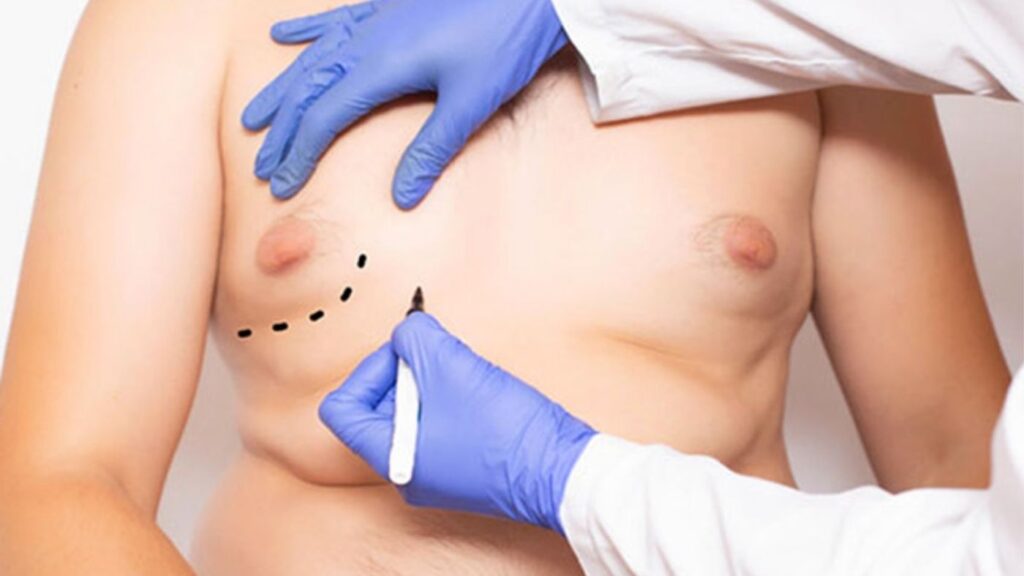
One of the first steps in preparing for gynecomastia surgery is a detailed medical consultation. During this evaluation, the condition is assessed to determine its severity, tissue composition, and the most suitable surgical approach.
Medical history is reviewed, including past illnesses, current medications, allergies, and previous surgeries. This information helps identify any factors that may affect anesthesia, wound healing, or recovery.
Diagnostic Tests Before Surgery
Certain medical investigations may be recommended before surgery. These can include blood tests, imaging studies, or hormone evaluations, depending on individual circumstances.
These tests help confirm the diagnosis, rule out underlying medical causes, and ensure that the patient is medically fit for surgery. Completing investigations on time avoids last-minute delays.
Medication Review and Adjustments
Before gynecomastia surgery, it is important to inform the medical team about all medications, supplements, and herbal products being used.
Some medications, such as blood thinners or certain anti-inflammatory drugs, may need to be stopped temporarily because they increase the risk of bleeding. Any medication changes should be made only under medical guidance.
Smoking and Alcohol Considerations
Smoking has a significant negative impact on wound healing and increases the risk of complications such as infection and delayed recovery. Patients are usually advised to stop smoking several weeks before surgery.
Alcohol consumption should also be limited or avoided in the weeks leading up to surgery, as it can interfere with anesthesia and healing processes.
Maintaining a Stable and Healthy Lifestyle
Maintaining a stable body weight before surgery is important, as significant weight fluctuations can affect surgical outcomes. Gynecomastia surgery is not a weight-loss procedure, and results are best when body weight is stable.
A balanced diet rich in protein, vitamins, and minerals supports immune function and tissue healing. Staying hydrated and getting adequate rest also contribute to better surgical readiness.
Mental and Emotional Preparation
Mental readiness is an often-overlooked aspect of surgical preparation. Understanding the procedure, expected results, and recovery timeline helps reduce anxiety.
It is important to have realistic expectations. Gynecomastia surgery improves chest contour but does not aim for perfection. Being emotionally prepared helps patients cope better with temporary swelling, bruising, or discomfort during recovery.
Planning Time Off and Recovery Support
Before surgery, it is advisable to plan time off from work, studies, or strenuous activities. Most individuals require a short recovery period before resuming normal routines.
Arranging support at home for the first few days after surgery can be helpful, especially for activities that involve lifting or excessive arm movement.
Clothing and Post-Surgery Garments
Patients are often advised to wear loose, comfortable clothing on the day of surgery. Button-down or zip-up tops are usually easier to manage after the procedure.
Compression garments may be recommended after surgery to support healing and reduce swelling. Understanding how and when to use these garments is an important part of preparation.
Pre-Surgery Instructions to Follow Closely
Specific instructions are usually provided before surgery, such as fasting requirements if anesthesia is planned. These instructions must be followed carefully to ensure safety during the procedure.
Patients should also be informed about when to stop eating or drinking, what medications can be taken on the day of surgery, and when to arrive at the facility.
Understanding the Surgical Day Process
Knowing what to expect on the day of surgery helps reduce stress. The process typically includes admission, pre-operative preparation, the procedure itself, and a recovery period before discharge.
Being mentally prepared for this sequence helps patients remain calm and cooperative throughout the process.
Preparing for Post-Surgery Care at Home
Recovery preparation should include understanding postoperative instructions such as wound care, activity restrictions, and follow-up visits.
Having necessary supplies at home, such as prescribed medications and comfortable resting arrangements, makes recovery smoother and more comfortable.
Importance of Follow-Up Appointments
Follow-up visits are an essential part of recovery. These appointments allow healing to be monitored and any concerns to be addressed early.
Understanding the importance of follow-up care helps ensure long-term satisfaction with surgical results.
Avoiding Unrealistic Expectations
While gynecomastia surgery can significantly improve chest appearance, results develop gradually. Swelling and firmness may take weeks or months to fully settle.
Preparing mentally for gradual improvement prevents unnecessary worry during the healing phase.
Final Thoughts on Preparing for Gynecomastia Surgery
Proper preparation for gynecomastia surgery involves medical evaluation, lifestyle adjustments, emotional readiness, and practical planning for recovery. Taking time to prepare helps reduce risks, improves healing, and supports a smoother overall experience.
For individuals planning gynecomastia surgery in Kerala, following structured pre-surgical preparation and understanding each step of the process plays a key role in achieving safe and satisfactory outcomes.
Frequently Asked Questions
1. Why is preparation important before gynecomastia surgery?
Preparation helps reduce surgical risks, supports proper healing, and ensures the body is medically ready for the procedure.
2. What medical evaluations are required before gynecomastia surgery?
A clinical examination and necessary medical tests may be required to assess overall health and surgical suitability.
3. Should medications be stopped before gynecomastia surgery?
Some medications may need to be temporarily stopped, but this should only be done based on medical advice.
4. Is smoking allowed before gynecomastia surgery?
Smoking is usually discouraged before surgery because it can interfere with healing and increase complication risks.
5. Are there any dietary instructions before gynecomastia surgery?
Specific dietary or fasting instructions may be given, especially if anesthesia is planned.
6. How should I prepare mentally for gynecomastia surgery?
Understanding the procedure, recovery process, and realistic outcomes helps reduce anxiety and improve readiness.
7. Do I need help at home after gynecomastia surgery?
Having assistance during the initial recovery period can be helpful for comfort and safety.
8. What clothing is recommended on the day of gynecomastia surgery?
Loose, comfortable clothing that is easy to wear and remove is generally recommended.
9. Why are follow-up visits important after gynecomastia surgery?
Follow-up appointments help monitor healing and address any concerns during recovery.
10. How far in advance should preparation for gynecomastia surgery begin?
Preparation usually begins several weeks before surgery to allow time for evaluations and lifestyle adjustments.
Gynecomastia surgery is a medical procedure designed to reduce excess male breast tissue and restore a flatter, more masculine chest contour. Learn more
A good candidate for gynecomastia surgery is a man with persistent breast enlargement that does not improve with weight loss, exercise, or medical treatment. Learn more
The cost of gynecomastia surgery varies depending on the severity of the condition, surgical technique used, and individual treatment needs. Learn more
A gynecomastia surgery consultation helps evaluate male chest enlargement, understand treatment options, and plan a safe, personalized surgical approach. Learn more
Discussing the right questions before gynecomastia surgery helps ensure safe treatment and clear expectations. Learn more